- You are here:
- Home /
- Products /
- Alloy Steel /
- Superalloys /
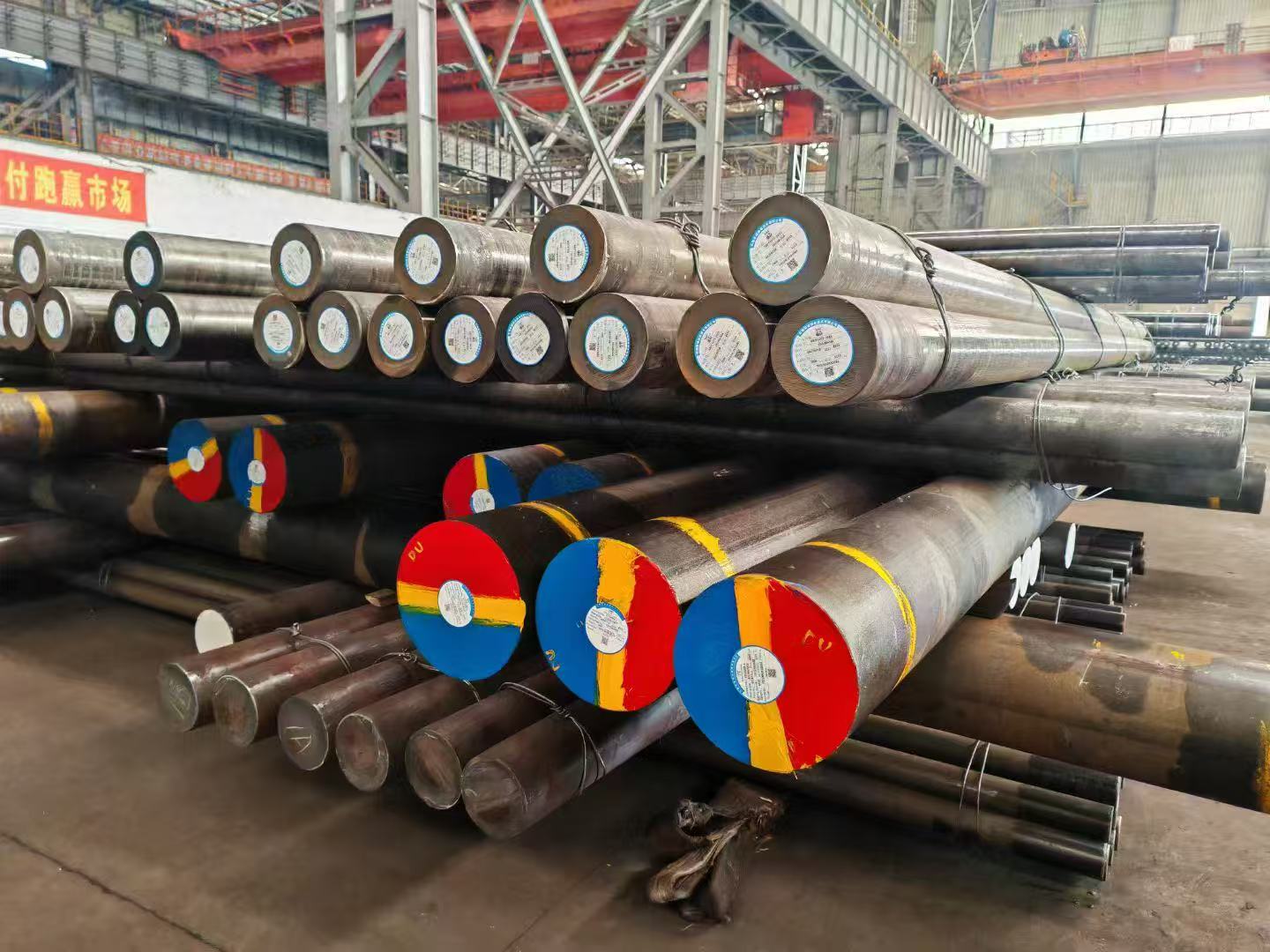
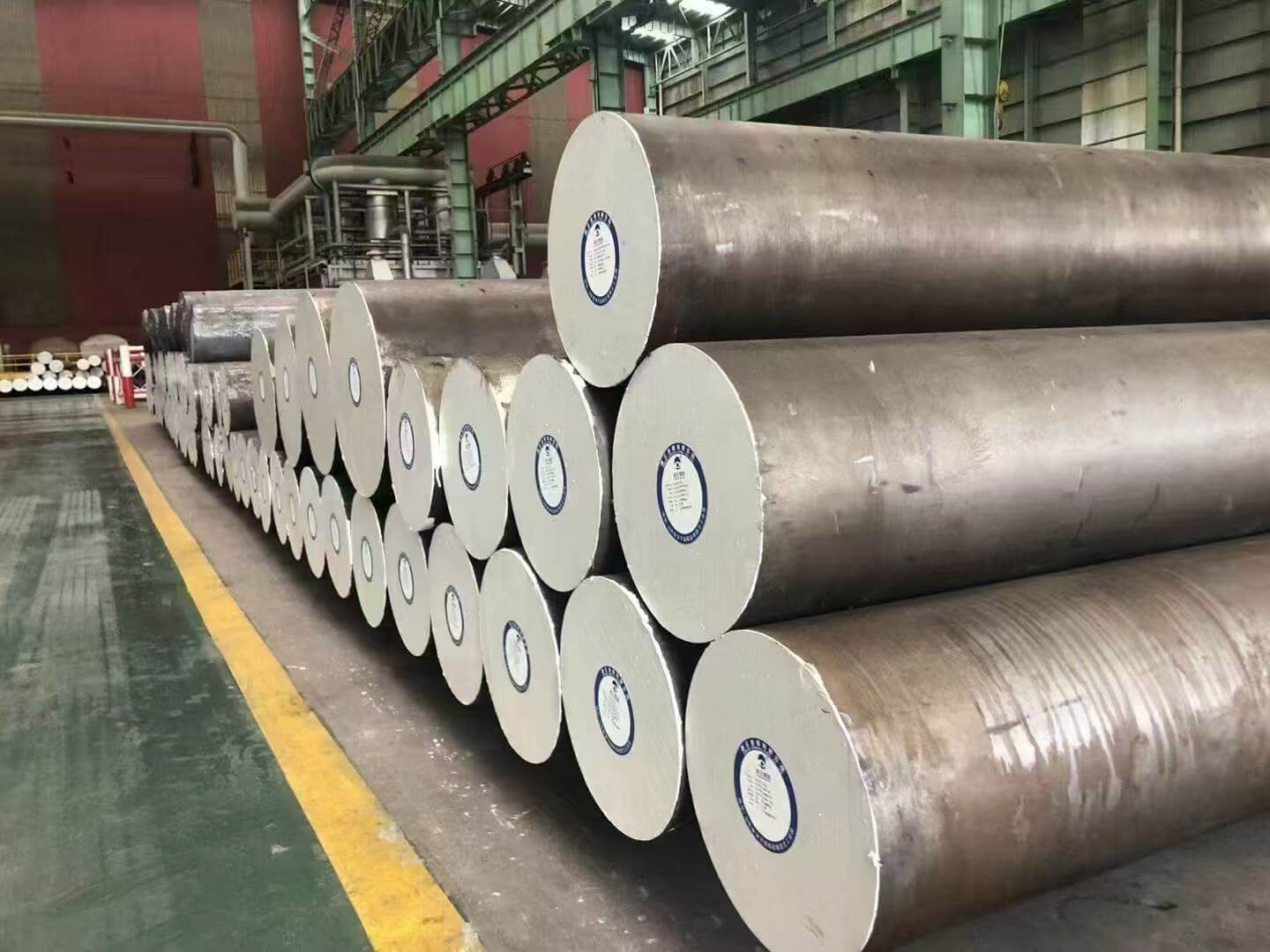
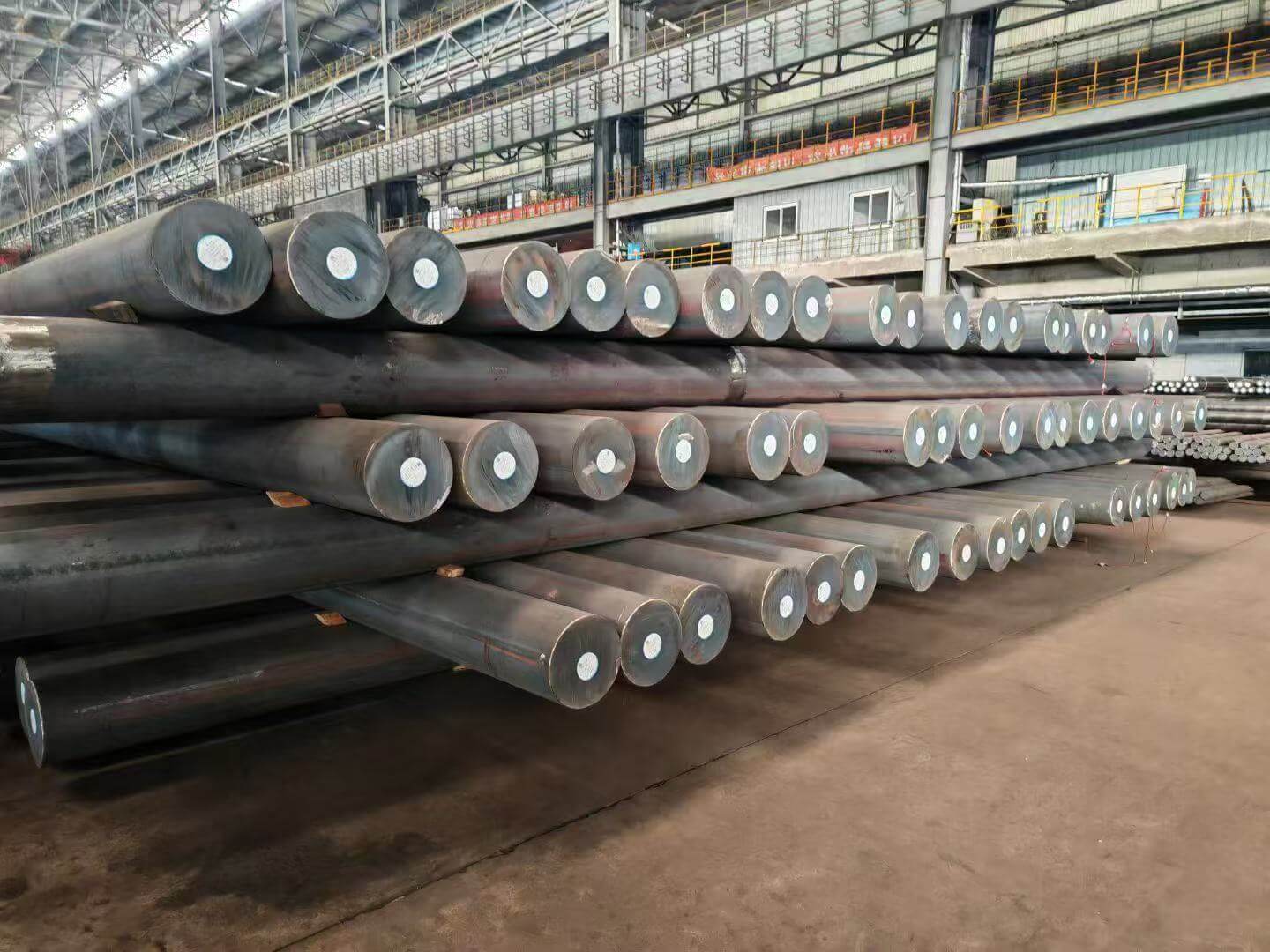
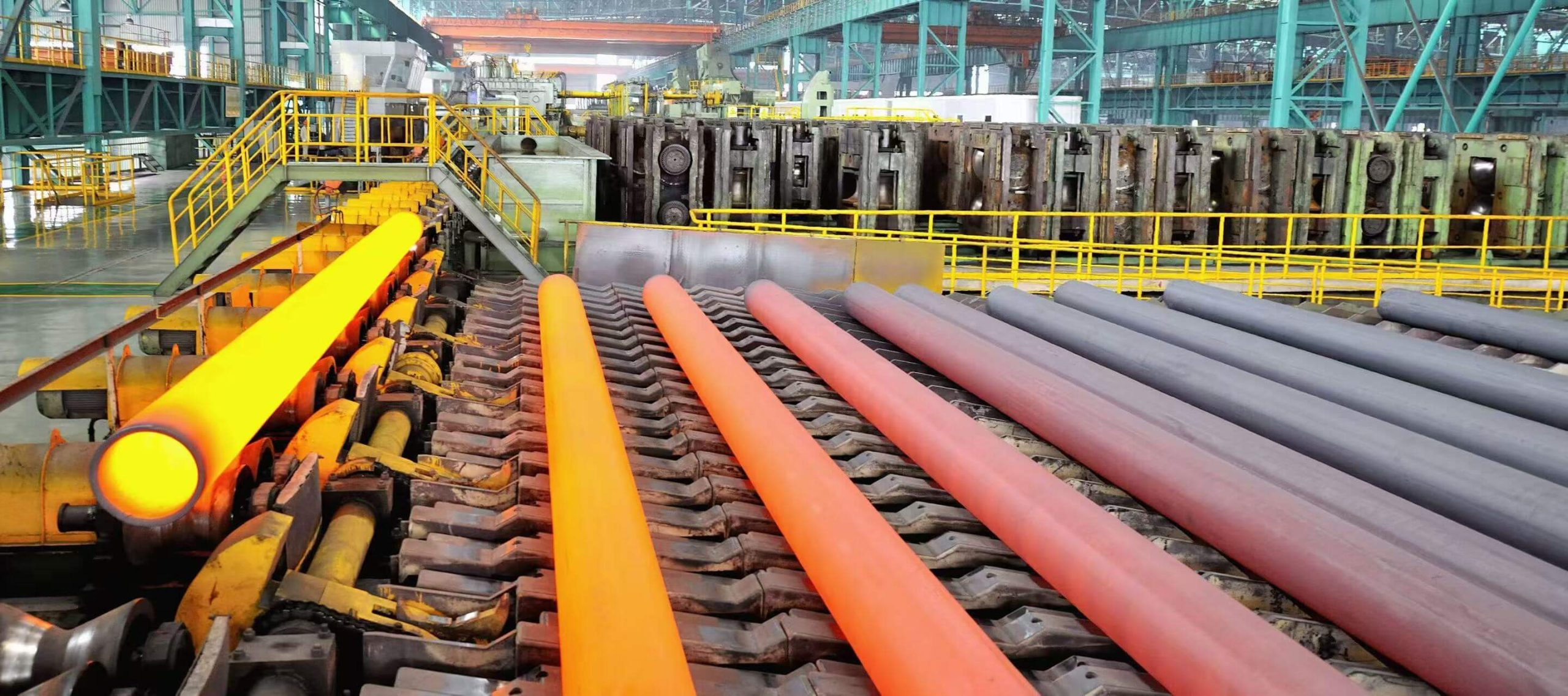
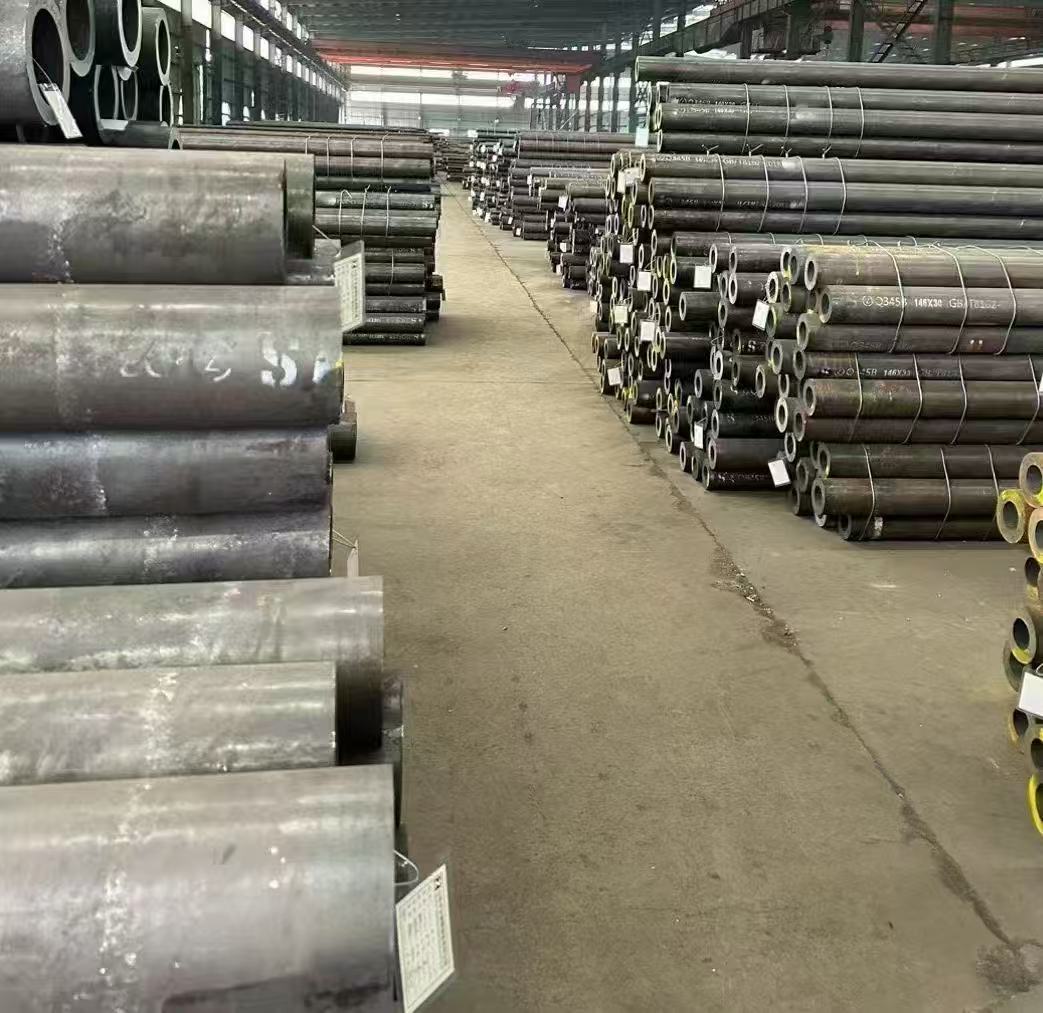
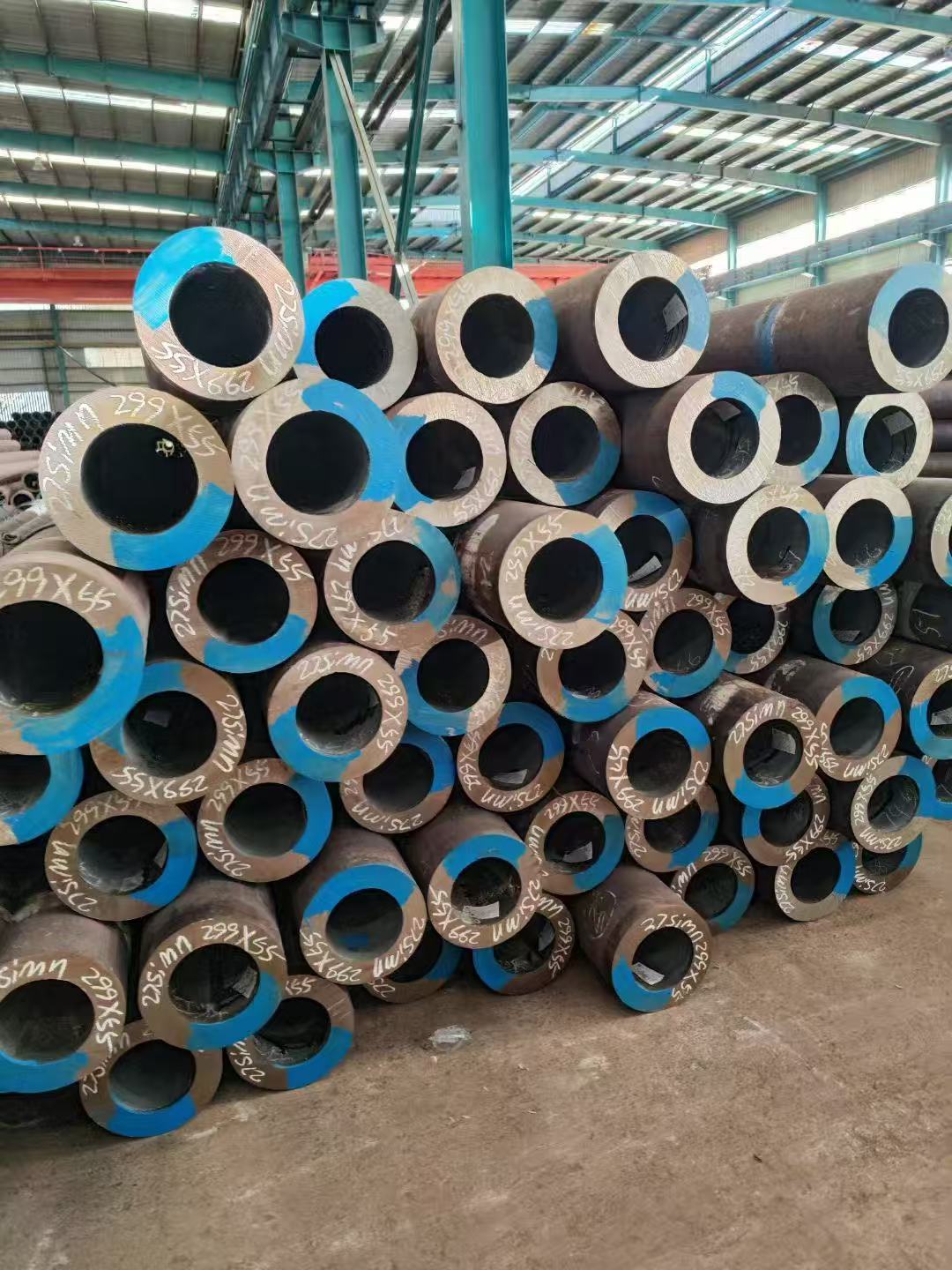
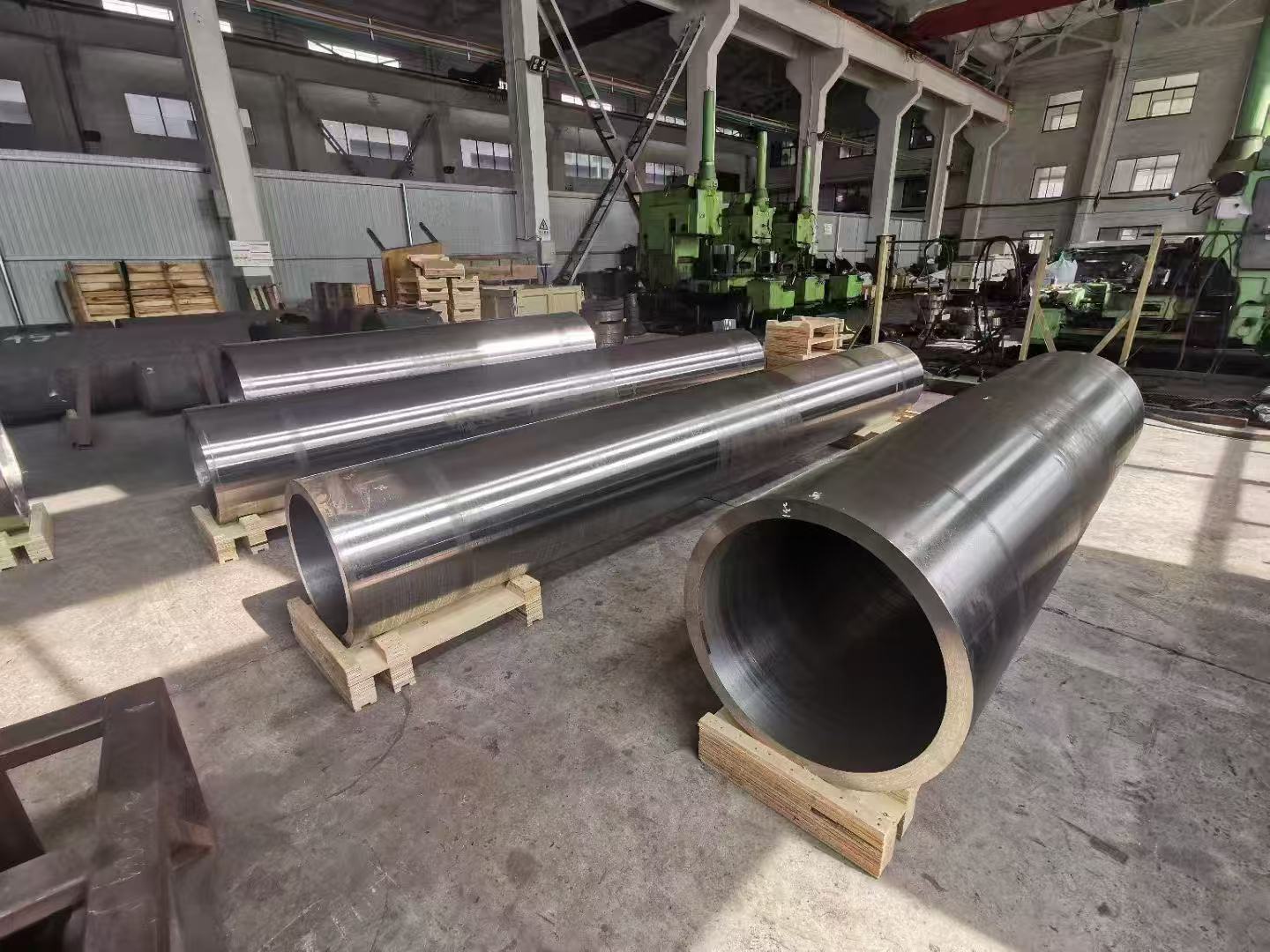
GH4145 (Inconel X-750) Precipitation-Hardened Nickel-Based Superalloy Bars
GH4145 is a γ’ [Ni₃(Al,Ti,Nb)] phase precipitation-strengthened nickel-chromium-iron superalloy, offering:
- Exceptional high-temperature strength (up to 800°C) and creep resistance
- Outstanding corrosion/oxidation resistance below 980°C
- Superior stress relaxation resistance (<540°C), ideal for springs and fasteners
- Excellent weldability and formability (hot/cold working)
Chemical Composition (wt%)
Element | Content (%) | Key Role |
Ni | ≥70.0 | Matrix, high-temperature stability |
Cr | 14.0–17.0 | Oxidation/corrosion resistance |
Ti | 2.25–2.75 | Forms γ’ strengthening phase |
Al | 0.40–1.00 | Enhances γ’ precipitation |
Fe | 5.0–9.0 | Cost-effective filler |
Nb+Ta | 0.70–1.20 | Refines grain, improves creep resistance |
C | ≤0.08 | Controls carbide formation |
S/P | ≤0.015 | Minimizes brittleness |
I. Core performance characteristics of GH4145 alloy rods
1. High temperature stability
(1) Maintain high strength below 800℃, with a yield strength of 1200MPa (at 1000℃)
(2) Excellent oxidation resistance below 980℃, and a dense Cr₂O₃ protective film can be formed after long-term use
(3) Outstanding relaxation resistance below 540℃, with a stress relaxation rate of only 0.015%/h (600℃)
2. Mechanical and processing properties
(1) Density 8.25g/cm³, hardness HRC30-35 (aged state)
(2) Cold working hardening rate is similar to that of austenitic stainless steel, supporting forging, rolling and other forming processes
(3) Good welding performance, suitable for various connection methods such as argon arc welding and resistance welding
3. Corrosion resistance
Nickel-chromium matrix (Ni≥70%, Cr14-17%) gives it the ability to resist chloride stress corrosion
Performs better than ordinary stainless steel in acidic media and is suitable for chemical equipment
II. Main application areas
1. Aerospace
(1) Aircraft engine high temperature resistant springs (flat/helical springs) and bolt fasteners below 800℃
(2) Gas turbine turbine blades and rotor structural parts, bearing high frequency thermal fatigue loads
2. Energy equipment
(1) Steam turbine subcritical unit fastening bolts (677℃ long-term service)
(2) Nuclear reactor pressure vessel support components, resistant to radiation embrittlement
3. Industrial special components
(1) Petrochemical high temperature and high pressure reactor internal components
(2) Rocket engine thrust chamber heat-resistant brackets
(3) Elastic sealing molds (such as gas seals, electric heating blades)
Surface Treatment
- Pickling & Passivation: Removes oxides, enhances corrosion resistance
- Electropolishing: Improves surface smoothness for high-stress applications
- Shot Peening: Induces compressive stress to retard crack propagation
Why Choose Us ?
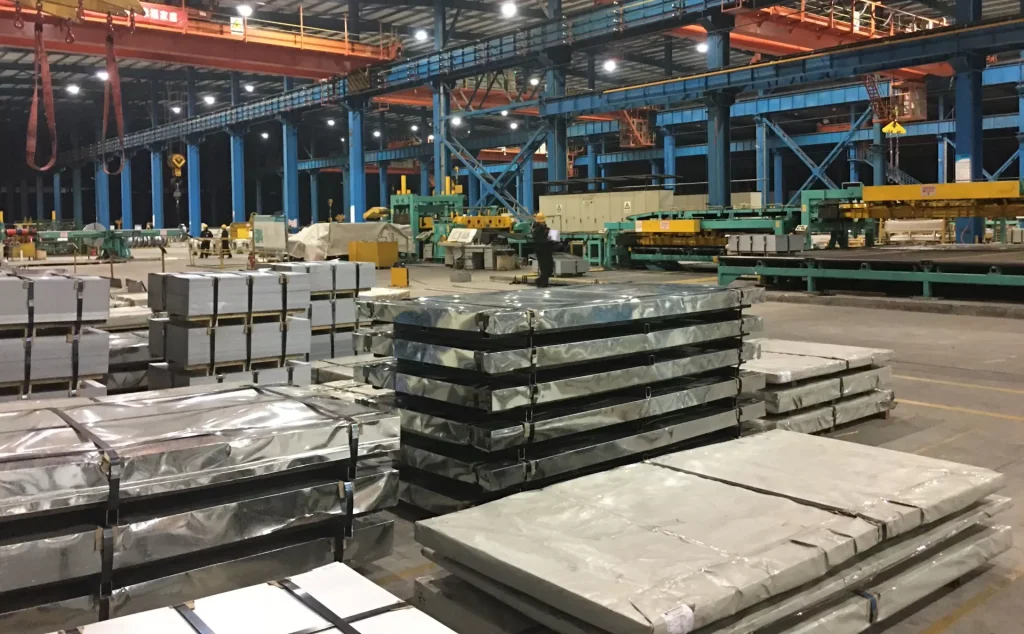
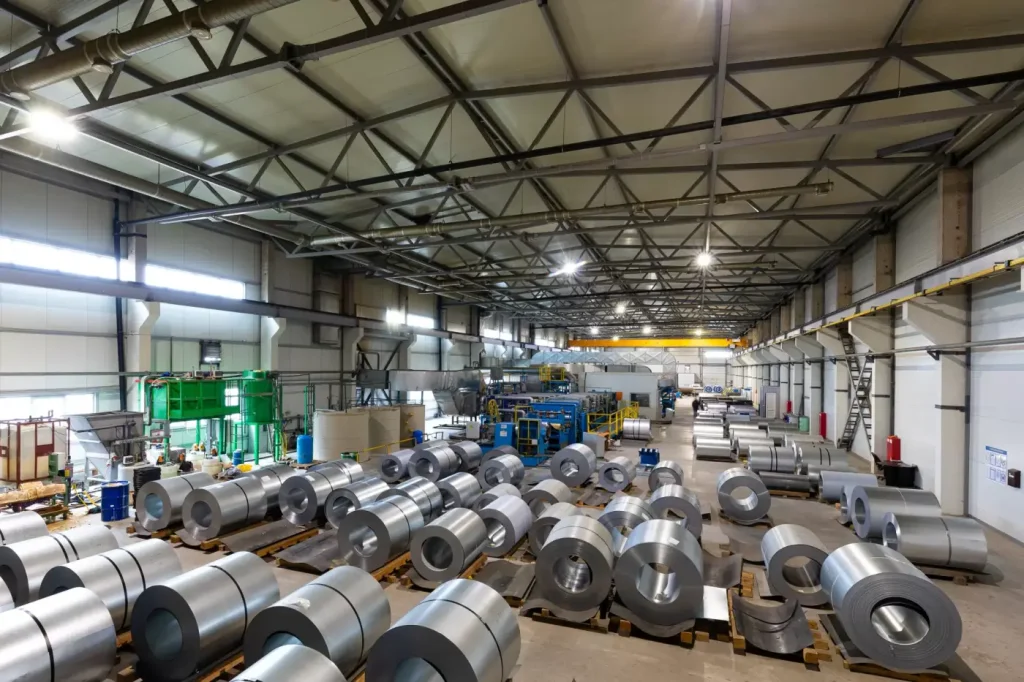
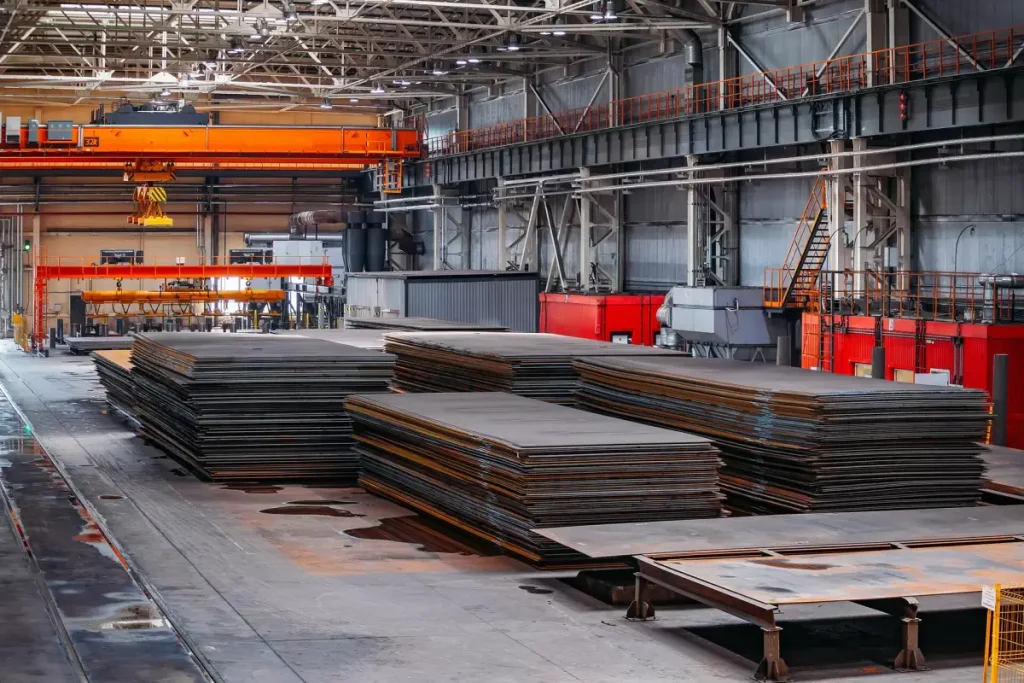
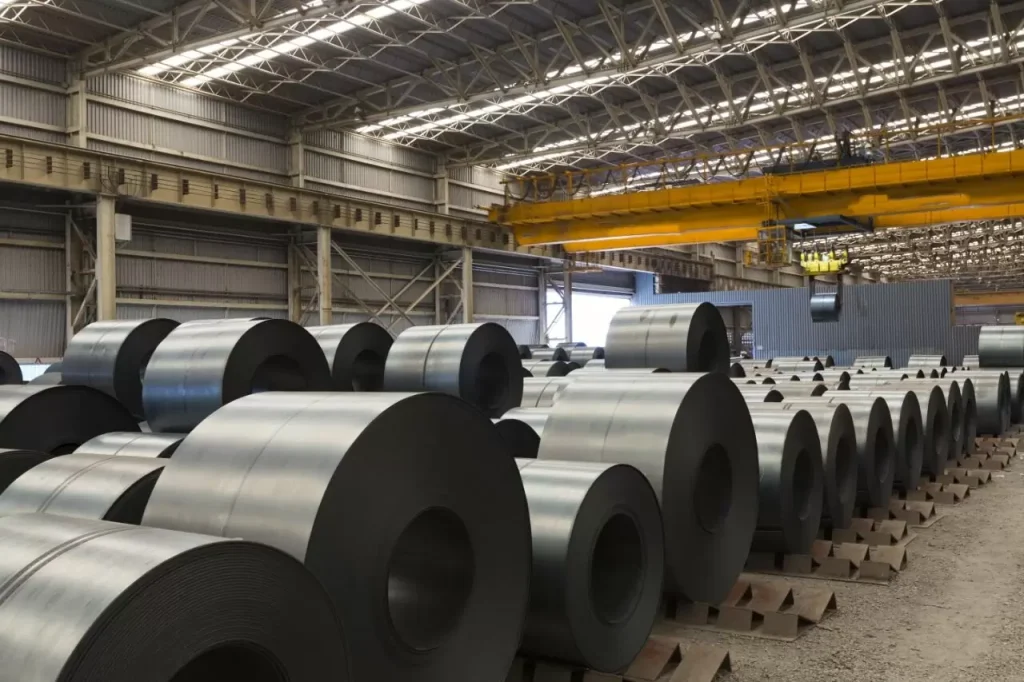
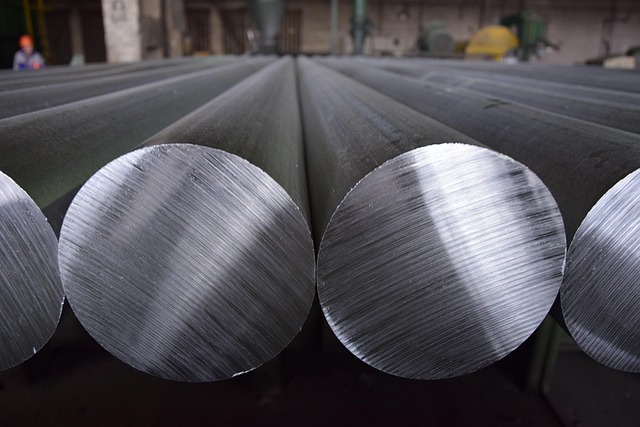
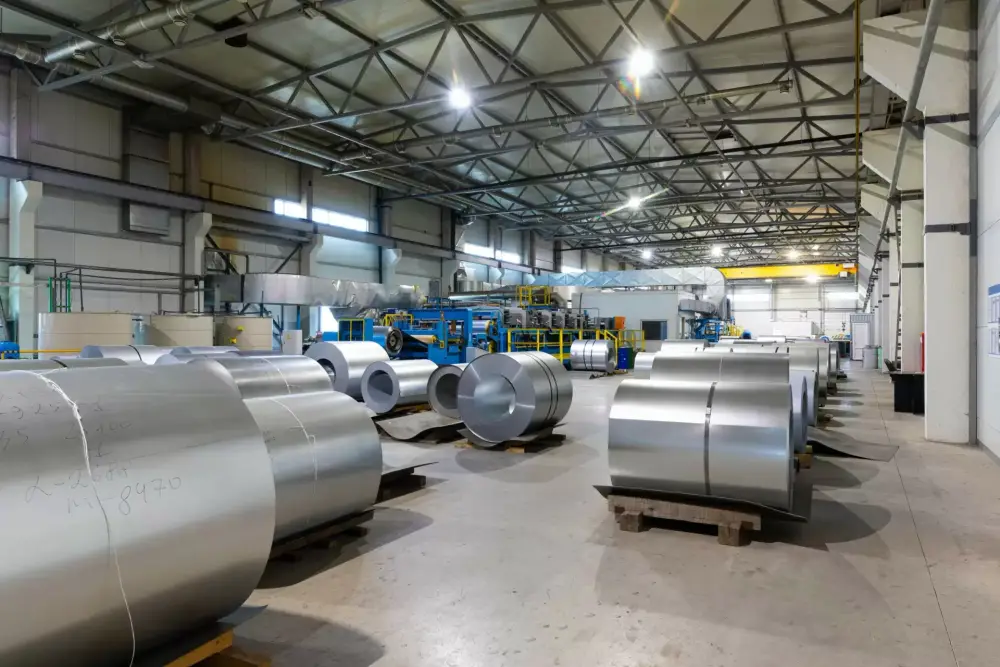
- Certified Production: Compliant with ASTM B637/AMS 5667/GB/T 14992
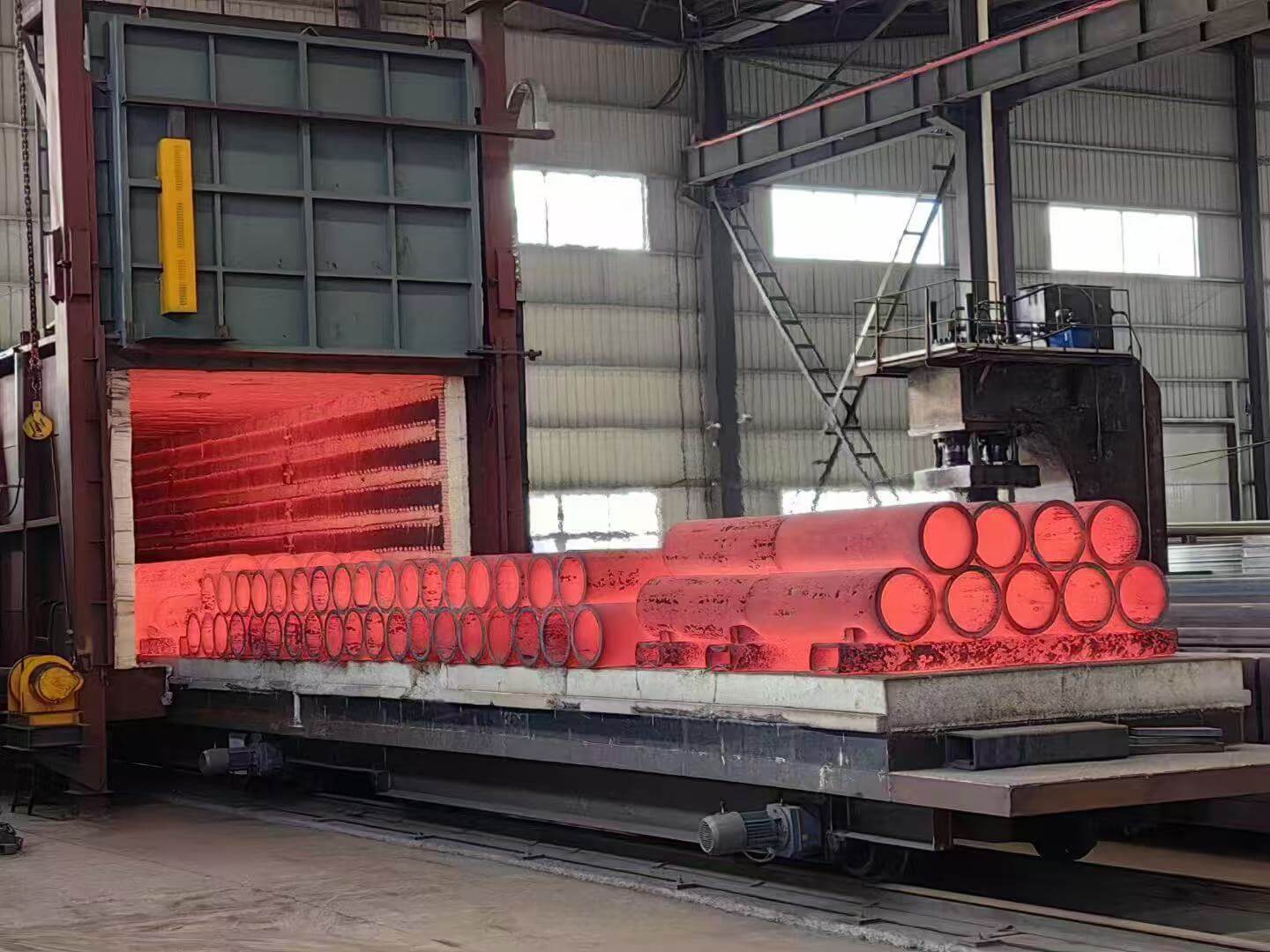
- Precision Processing: Controlled forging (1080–950°C) and heat treatment
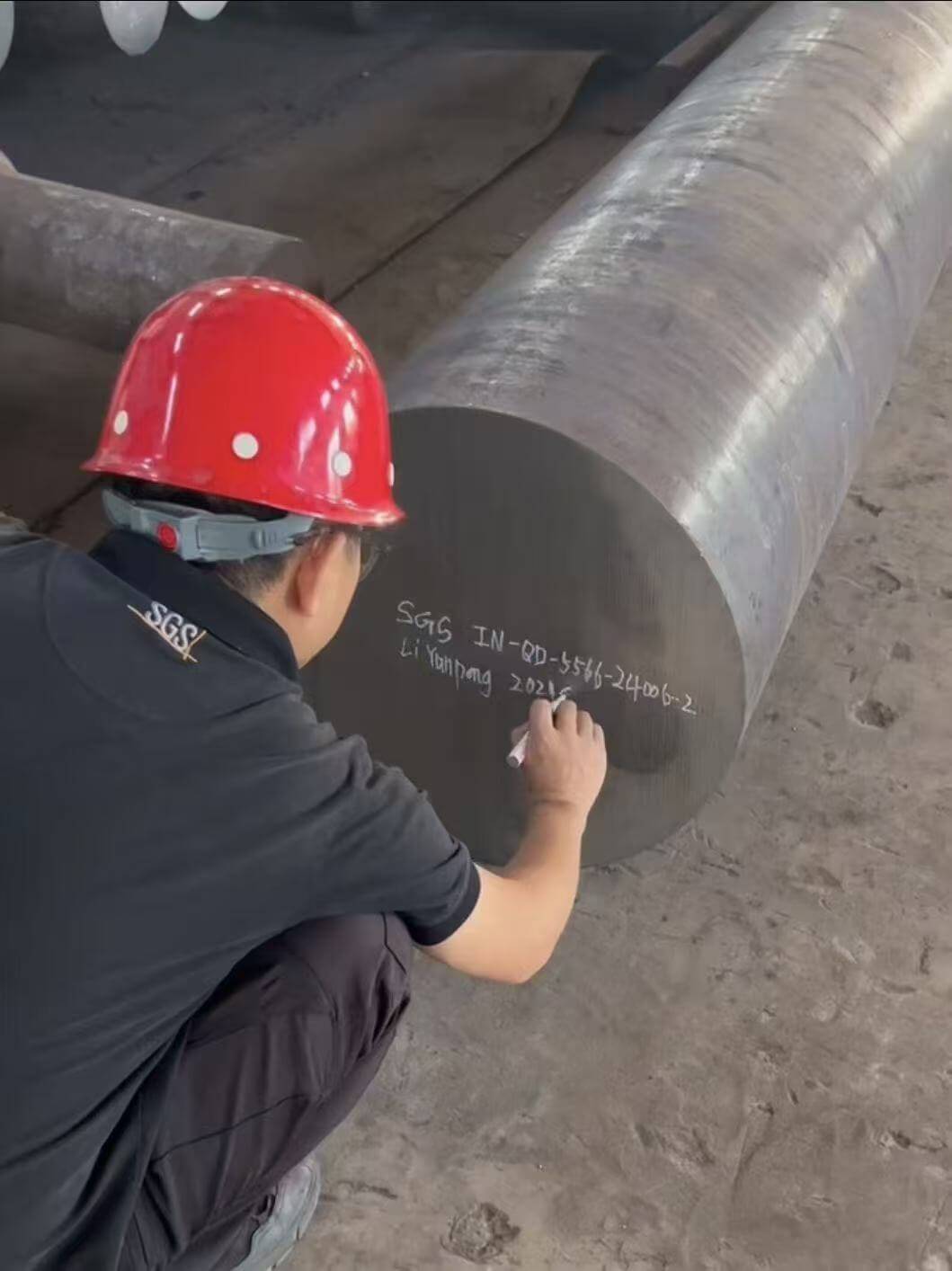
- Strict QC: 100% ultrasonic testing, mechanical property validation
Applications & Industries
Aerospace:
High-power density actuators.
Electronics:
Precision sensors & MEMS components.
Energy:
Magnetic coupling devices for turbines.
Frequently Asked Questions
Q1: How does GH4145 compare to GH4169?
GH4145 excels in creep resistance (800°C), while GH4169 offers better fracture toughness
Q2: Can GH4145 bars be welded?
Yes, via TIG/MIG, but post-weld aging (900°C/2h) is critical to restore properties
Q3: What’s the lead time for custom sizes?
15–30 days for diameters 10–300mm, subject to heat treatment cycles
Q4: What are the dimensional tolerances for rods?
A: Refer to GB/T 15007: Diameter tolerance ±0.05mm (cold-drawn), ±0.1mm (hot-rolled). Surface roughness ≤3.2μm (polished) .
Ready to source alloy steel from a trusted Chinese manufacturer?
Let us support your project with reliable quality, fast delivery, and expert service.
Get a quote today — we usually respond within 12 hours.