- You are here:
- Home /
- Products /
- Alloy Steel /
- Superalloys /
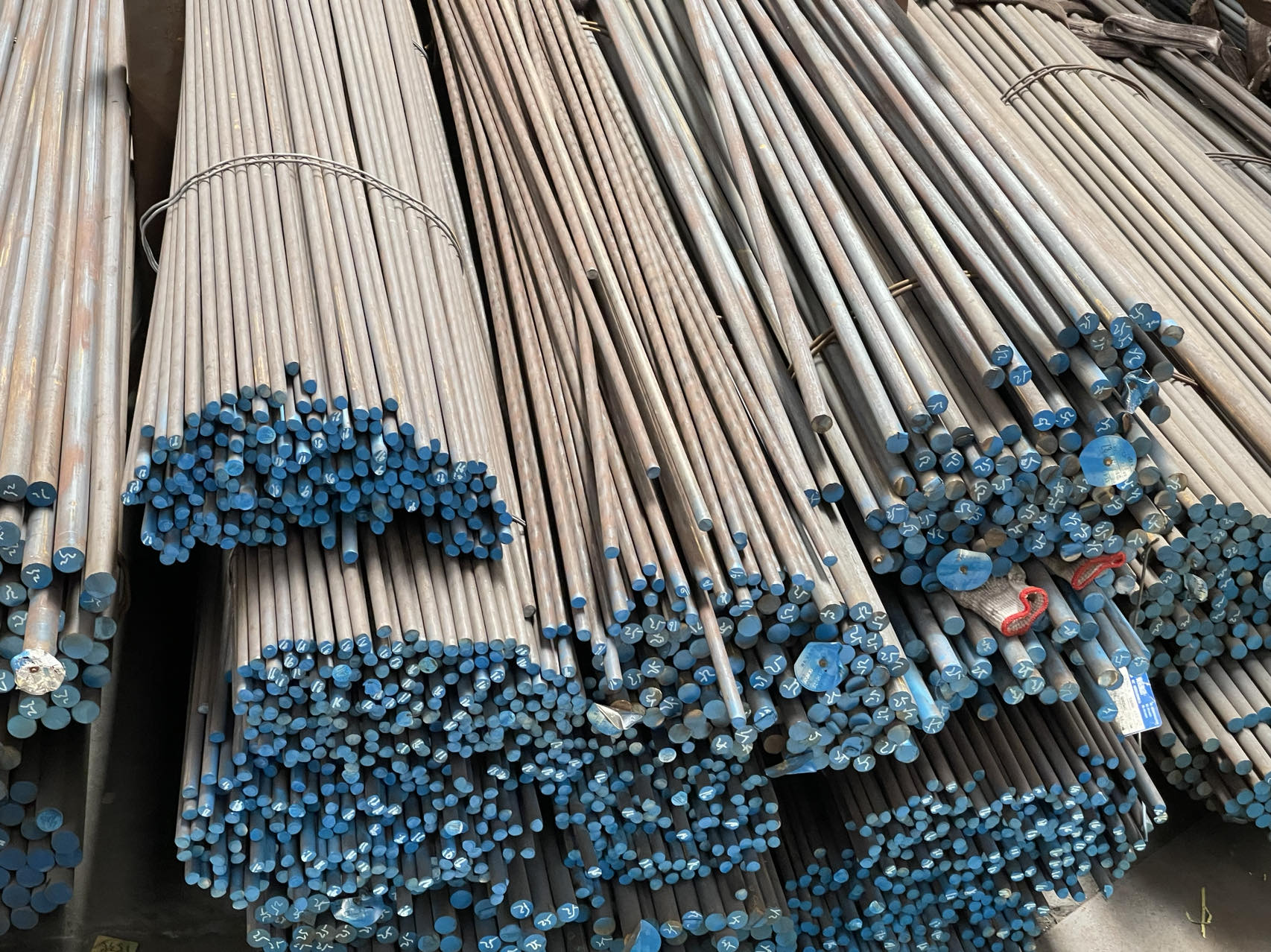
GH3030 Nickel-Chromium Base Superalloy Rod
Premium solution for high-temperature applications (800°C+) with exceptional oxidation resistance and mechanical stability.
- High-Temperature Performance: Maintains tensile strength ≥980MPa at 750℃
- Oxidation Resistance: Cr content (19-22%) forms protective oxide layer at ≤1100℃
- Process Adaptability: Excellent weldability (TIG/spot/seam welding) and cold-forming capability
- Microstructural Stability: Single-phase austenitic structure post-solution treatment
- Fatigue Resistance: Thermal-mechanical fatigue life 3-5× longer than cast alloys
Chemical Composition (wt%)
Element | Content | Role |
Ni | Balance | Matrix stability |
Cr | 19.0-22.0% | Oxidation resistance |
C | ≤0.12% | Hardness control |
Ti | 0.15-0.35% | Grain refinement |
Al | ≤0.15% | Strength enhancement |
Fe | ≤1.5% | Impurity control |
Si/Mn | ≤0.8%/≤0.7% | Ductility preservation |
P/S | ≤0.03%/≤0.02% | Purity assurance |
This alloy bar possesses the following core properties:
1. High-Temperature Stability: Maintains a single-phase austenite structure below 800°C, with a tensile strength ≥550 MPa and no harmful phase precipitation during long-term service.
2. Oxidation Resistance: The dense oxide film formed by chromium ensures oxidation weight gain of less than 2 mg/cm² at 800°C/500h, making it suitable for use in highly oxidizing environments.
3. Processability: Excellent cold-working plasticity after solution treatment (room temperature elongation ≥35%), making it suitable for forging, rolling, and other forming processes.
4. Corrosion Resistance: Excellent resistance to media such as salt spray and sulfides, making it suitable for corrosive chemical environments. GH3030 alloy rods, with their exceptional high-temperature performance, play a key role in multiple industrial sectors:
5. Aerospace: As the preferred material for aircraft engine combustion chamber components and turbine disc mounting flanges, they can withstand low-load conditions below 1100°C, meeting long-term oxidation resistance requirements.
6. Energy Equipment: Used in gas turbine blades and nuclear reactor support structures, their high-temperature creep stability ensures safe operation in the 700-800°C range.
7. Chemical and Petrochemical: Used in the manufacture of high-temperature furnace tubes and reactor internals, they withstand corrosive media like hydrogen sulfide, extending equipment life.
8. Specialty Components: Suitable for applications requiring both strength and lightweight, such as rocket nozzles and spacecraft thermal protection systems, with a density of only 8.4 g/cm³. Certified to standards such as GJB 1952-94, this alloy rod has become a reliable choice for high-temperature, low-stress components.
Surface Treatment
- Machined Finish: Turned/ground to Ra≤0.8μm (for precision components)
- Pickling Passivation: HNO3+HF solution to remove oxide scale
- Polished Option: Mirror finish (Ra≤0.2μm) for corrosive environments
Why Choose Us ?
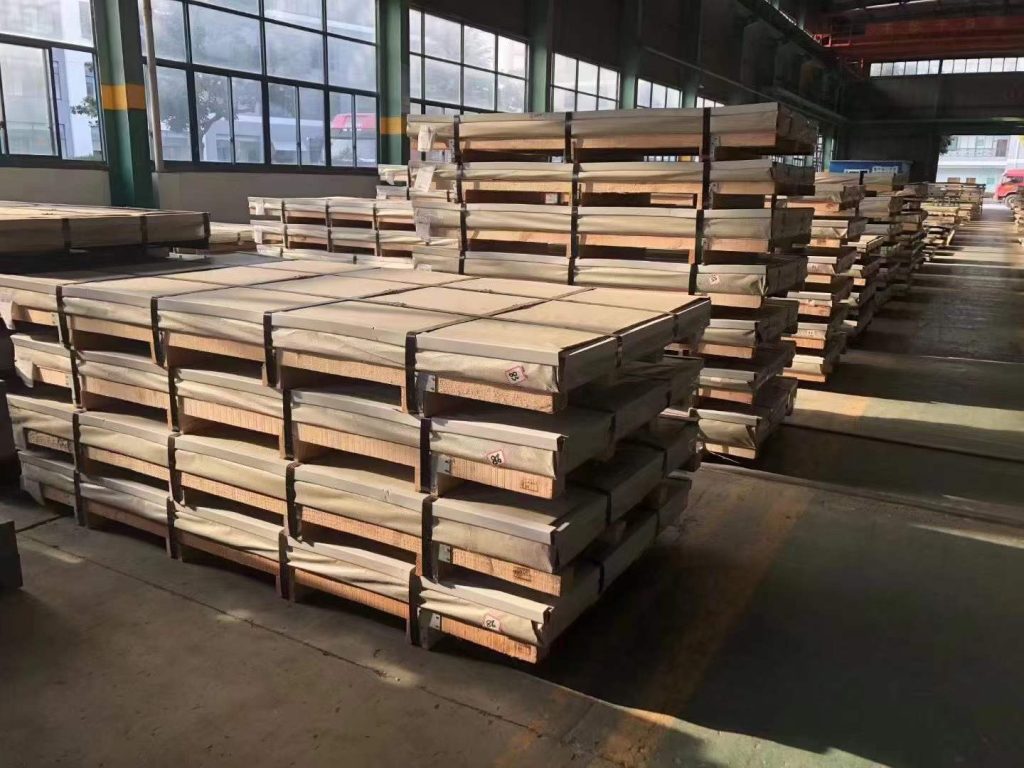
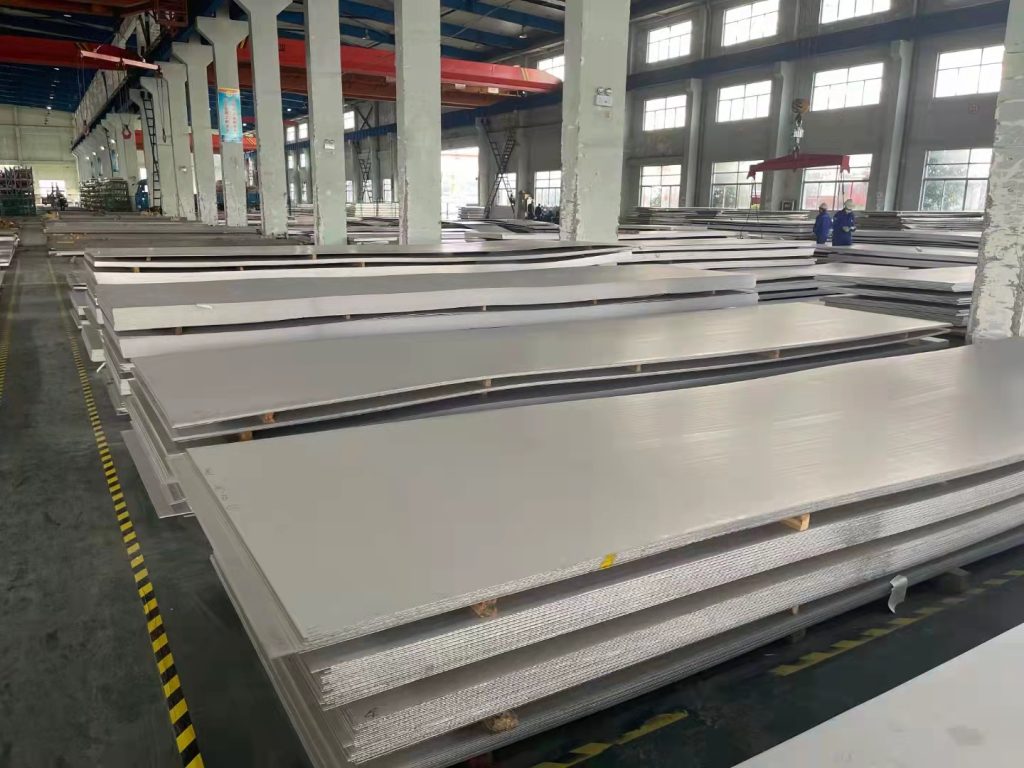
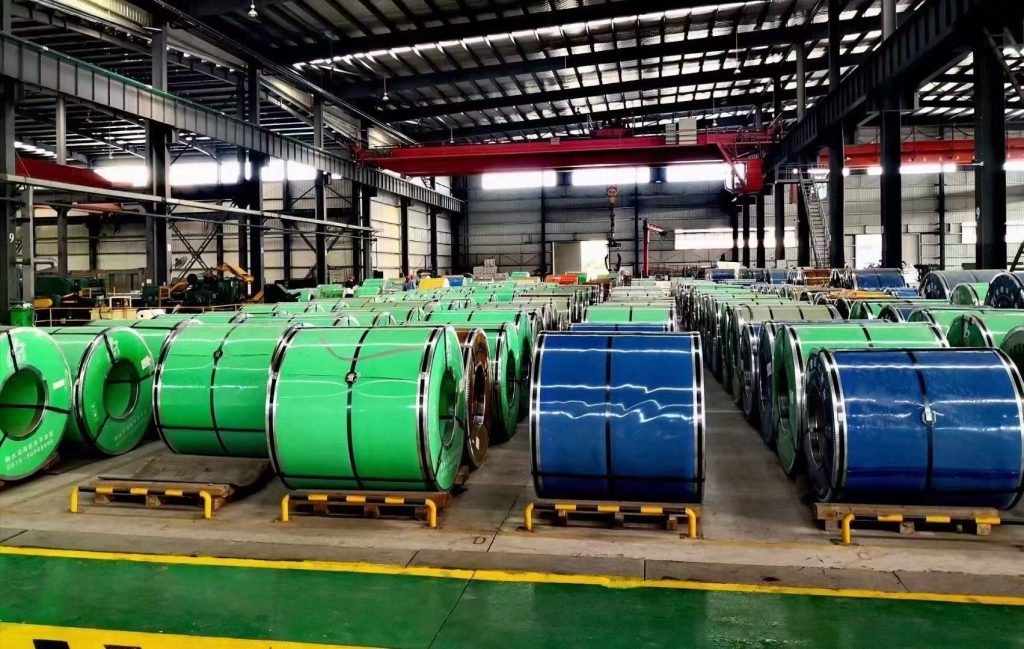
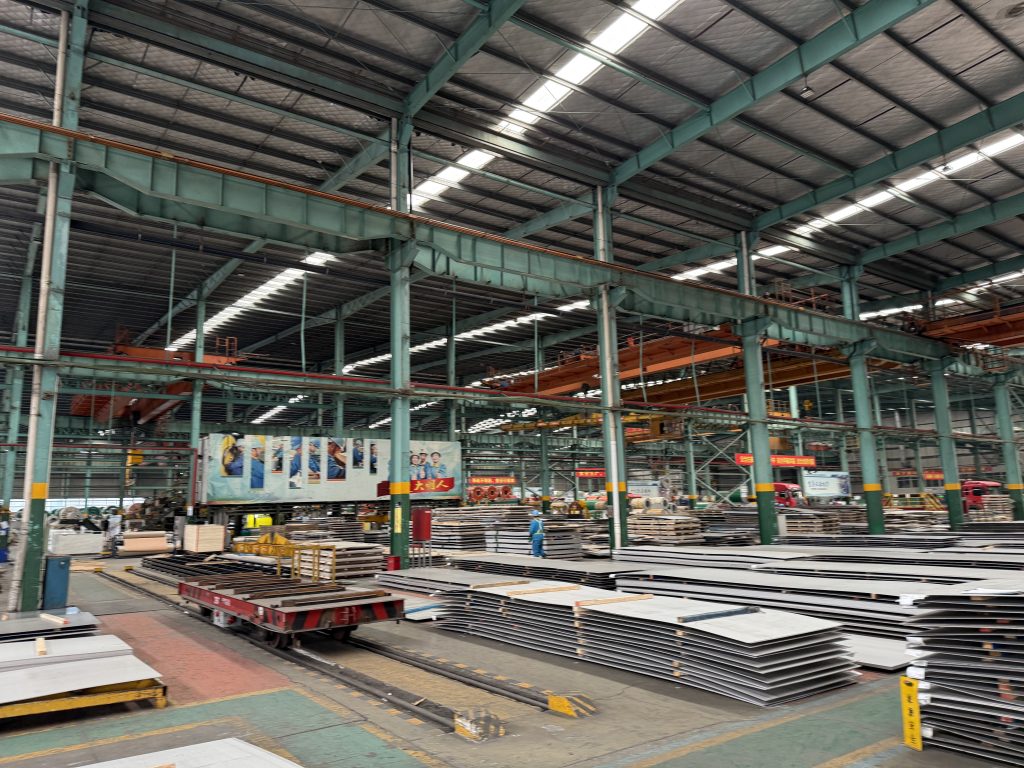
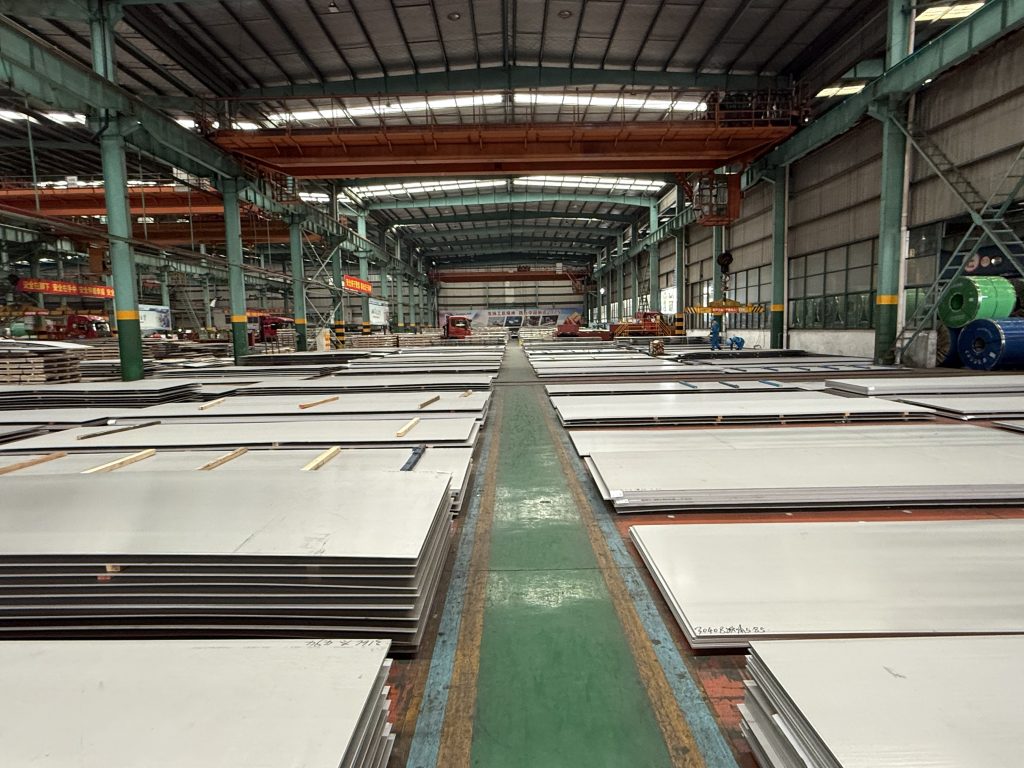
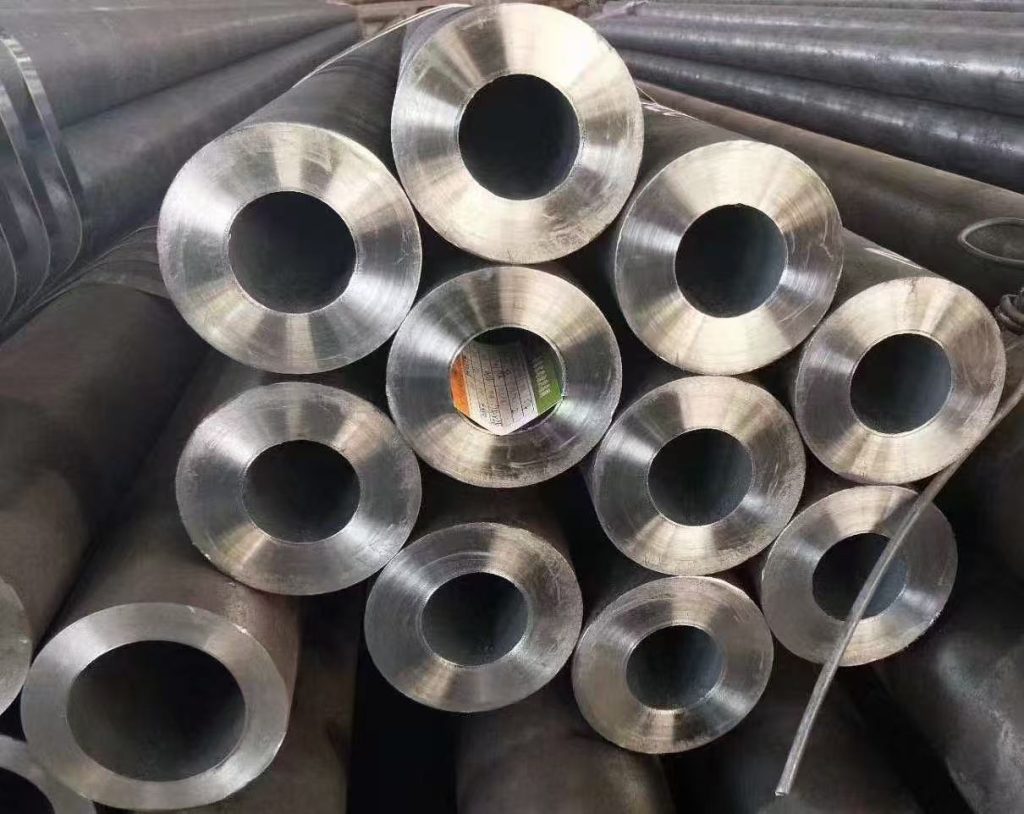
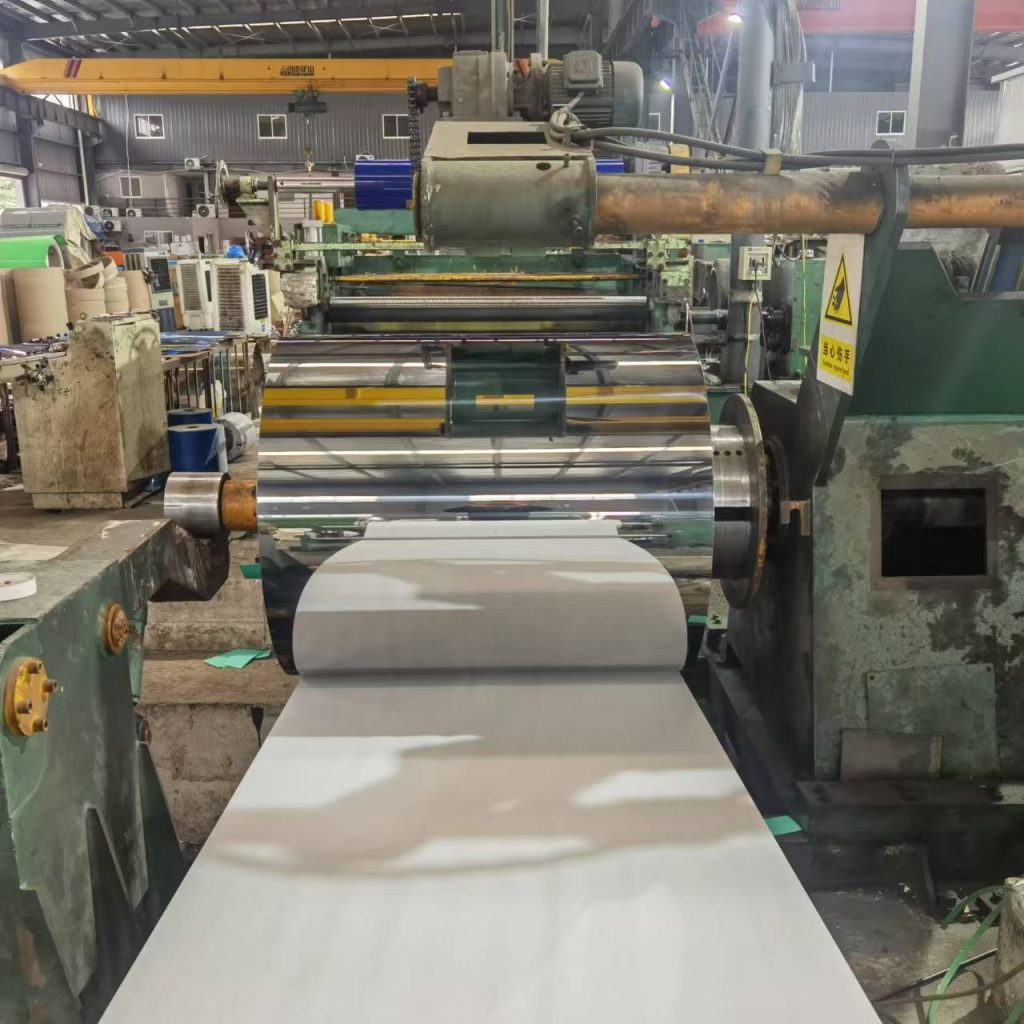
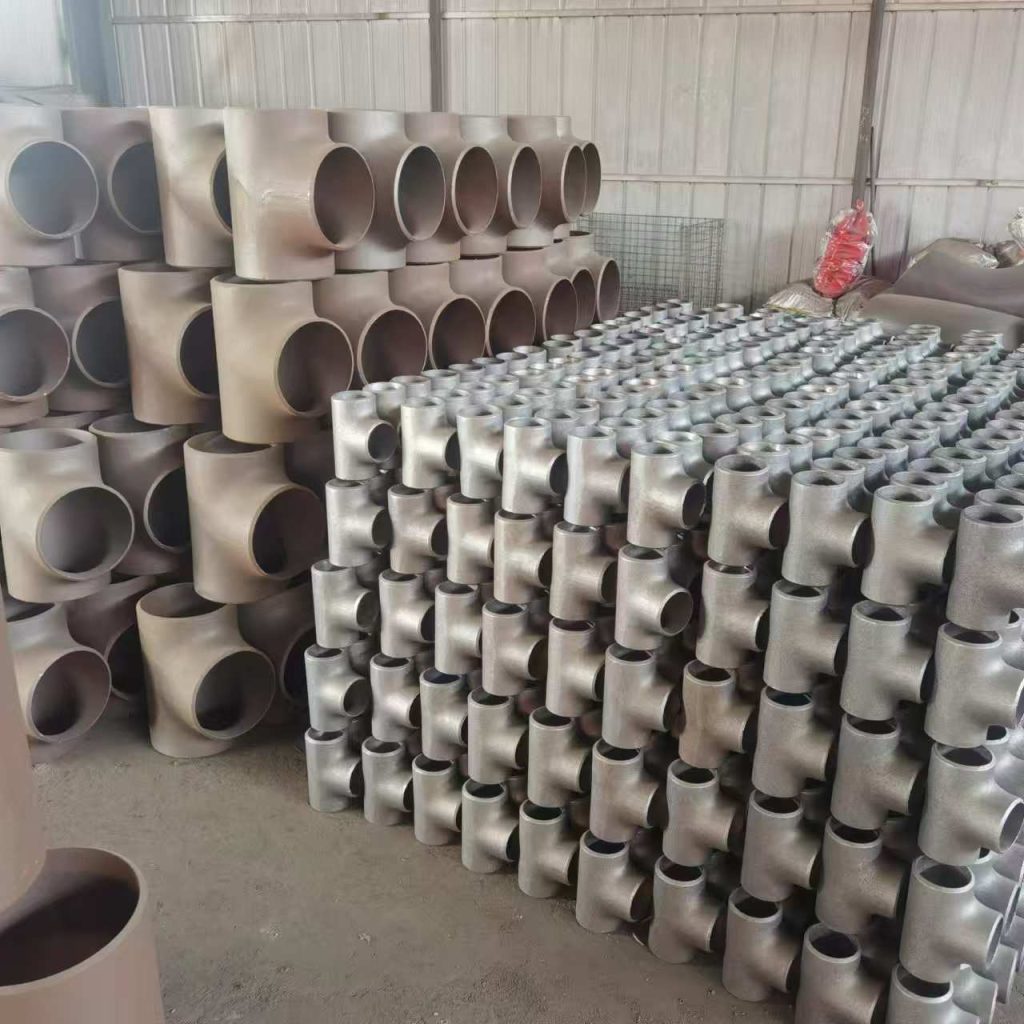
- Certified Production: Compliant with GJB 2611-1996 (aero-grade rods)
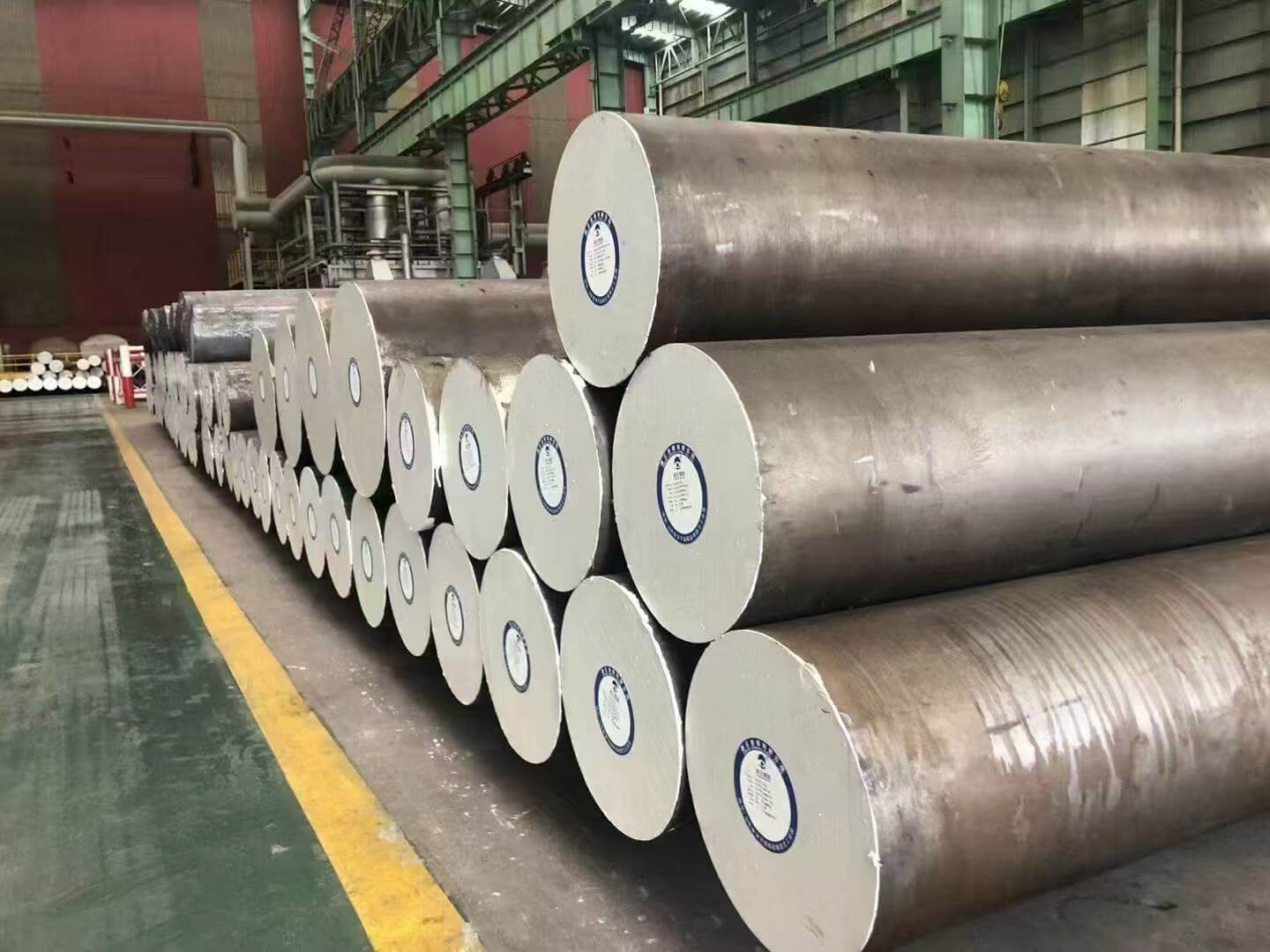
- Custom Sizing: Diameter 6-500mm, length up to 30m (hot-rolled/cold-drawn)
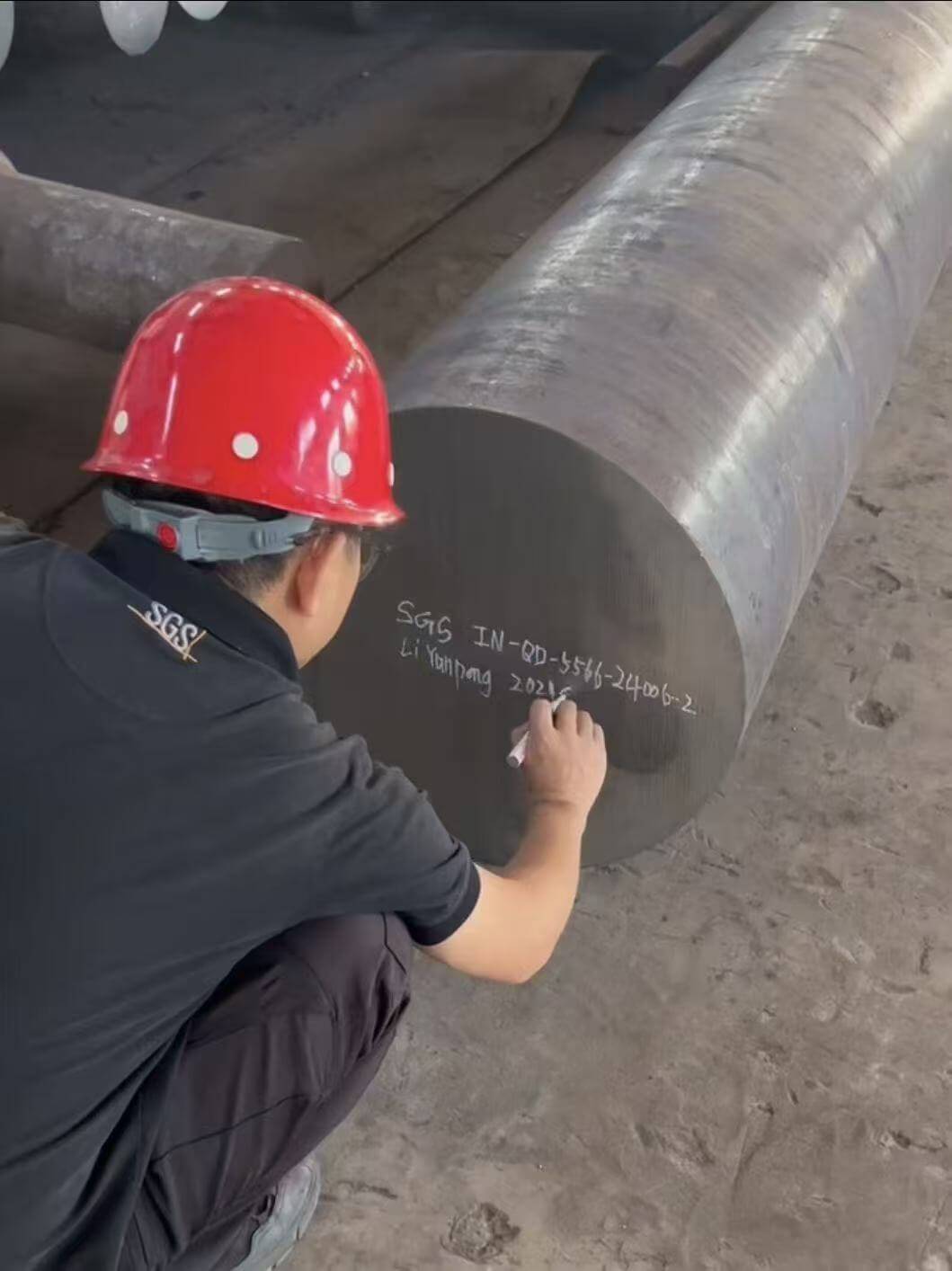
- Testing Reports: Third-party validated mechanical/chemical data
- Inventory Readiness: 50+ metric tons in stock (2025 Q3)
Applications & Industries
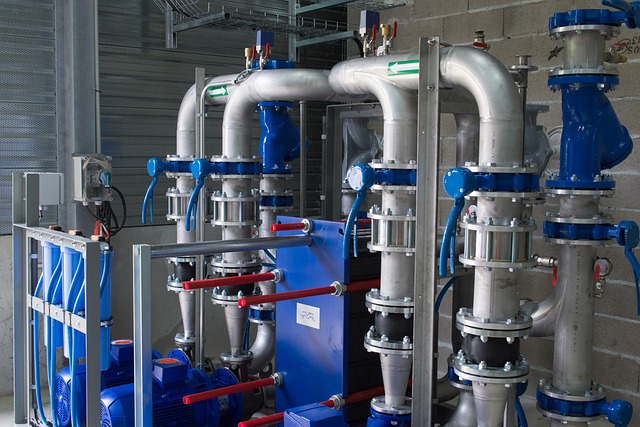
Aerospace:
High-power density actuators.
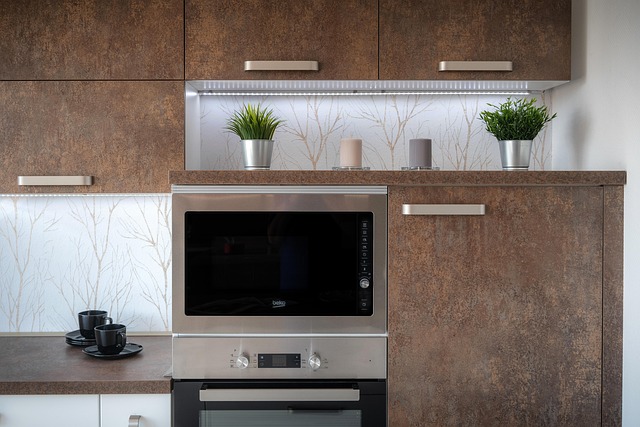
Electronics:
Precision sensors & MEMS components.
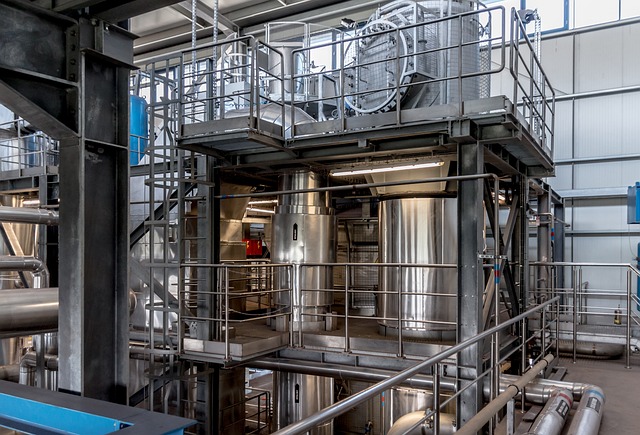
Energy:
Magnetic coupling devices for turbines.
Frequently Asked Questions
Q: Minimum order quantity?
A: 1kg for R&D, 50kg for production batches
Q: Lead time for custom sizes?
A: 15 working days (alloying→forging→QC)
Q: Alternative for higher temps?
A: Recommend GH4169 for 1000℃+ applications
Q4: What’s the critical heat treatment parameter?
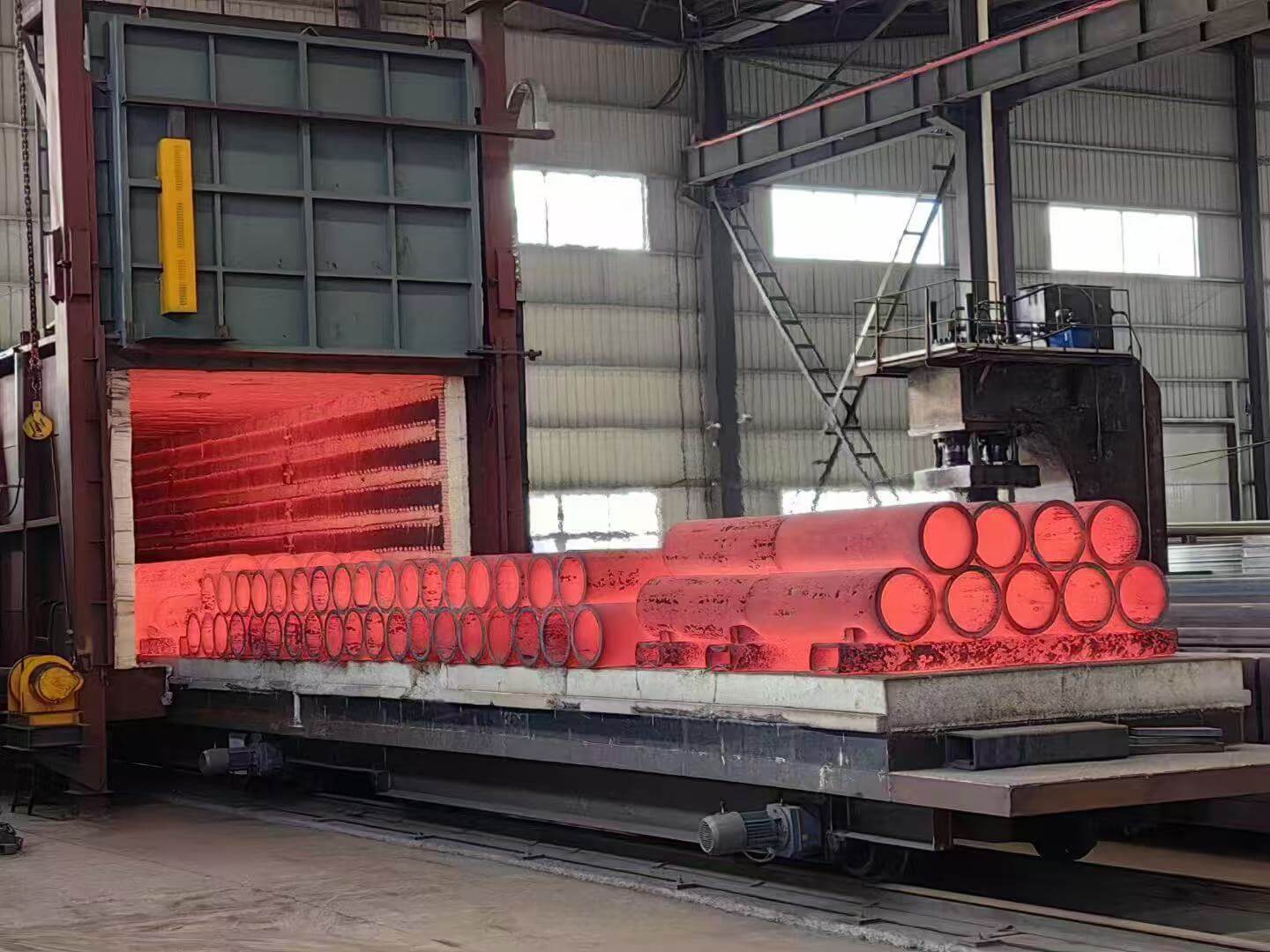
Solution Treatment: 1050-1100°C followed by water quenching is mandatory to achieve single-phase austenite.
Ready to source alloy steel from a trusted Chinese manufacturer?
Let us support your project with reliable quality, fast delivery, and expert service.
Get a quote today — we usually respond within 12 hours.