
- You are here:
- Home /
- Products /
- Stainless Steel /
- Stainless Steel Sheet /
- 316L Stainless Steel Sheet
Food-Grade 316L Stainless Steel Sheet
Corrosion-Resistant Pioneer Industrial Preferred Choice
316L, the low-carbon version of 316 stainless steel (C ≤ 0.03%), exhibits significantly superior pitting resistance in chloride environments compared to 304 stainless steel due to its molybdenum content (2-3%). Key features include:
- Exceptional Corrosion Resistance: Outstanding performance in corrosive media like seawater and organic acids, especially suitable for high-salinity environments
- Biocompatibility: FDA-certified for direct contact with food and pharmaceuticals
- Processing Friendliness: Excellent weldability without post-weld annealing
- High-Temperature Stability: Continuous service temperature up to 450°C
Technical Parameters (Chemical Composition, wt%)
| Element | C | Si | Mn |
|---|---|---|---|
| Content% | ≤0.03 | ≤1.0 | ≤2.0 |
| Si | ≤1.00 | Ni | 12.0–15.0 |
| Mn | ≤2.00 | Mo | ≤0.75 |
| P | ≤0.045 | N | ≤0.10 |
| S | ≤0.030 | Fe | Balance |
| Complies with ASTM A240/A480. Trace elements not listed are controlled per industry standards. | |||
Supplementary Physical Properties
Density: 7.98 g/cm³ | Tensile Strength: ≥485 MPa | Elongation: ≥40%
Surface Finishes
- Standard Finishes:
- The 2B Cold Rolled process features a silver-white matte finish with Ra≤0.4 μm, and it is applied in chemical equipment and architectural decoration.
- The BA Mirror process has a reflectivity of ≥90% and Ra≤0.05 μm, suitable for medical devices and food machinery.
- The Sandblasted process offers a uniform satin texture and enhanced adhesion, used in marine components and outdoor facilities.
Performance Characteristics and Applications of 16L Stainless Steel Sheets
1. Performance Characteristics
1.1 Corrosion Resistance
The austenitic structure containing 2%-3% molybdenum gives it excellent resistance to pitting and crevice corrosion, especially in chloride environments, making it suitable for harsh conditions such as seawater and chemical media.
1.2 Low Carbon Design
Carbon content ≤0.03%, eliminating the need for annealing after welding to prevent intergranular corrosion, suitable for manufacturing thick-section welded components.
1.3 Mechanical Properties
Tensile strength ≥485MPa, elongation >40%, combining high strength with good toughness, and excellent cold and hot workability.
1.4 Heat Resistance
Stable strength at high temperatures, able to withstand high-temperature environments up to 870℃, suitable for high-temperature equipment such as heat exchangers.
2. Main Applications
2.1 Chemical and Petroleum Industries
Used in equipment such as reaction vessels, pipelines, and storage tanks, resistant to acid, alkali, and hydrogen sulfide corrosion, ensuring the safety of chemical production.
2.2 Marine Engineering
Widely used in ship components, seawater desalination equipment, etc., due to their resistance to chloride ion corrosion, extending the lifespan of marine facilities.
2.3 Food and Medical
Conforming to food-grade standards, used in the manufacture and processing of equipment and storage containers; medical devices such as implants rely on their biocompatibility.
2.4 Construction and Industry
Architectural decoration, pressure vessels, and mechanical structural components; custom-made complex components using laser cutting, bending, and other processes.
3. Processing Advantages
3.1 Welding Performance
No risk of intergranular corrosion after TIG/MIG welding, simplifying multi-layer welding processes.
3.2 Surface Treatment
Supports NO.1,2B,NO.4,HL,8K and other processes to meet decorative and functional requirements.
Why Choose Us ?
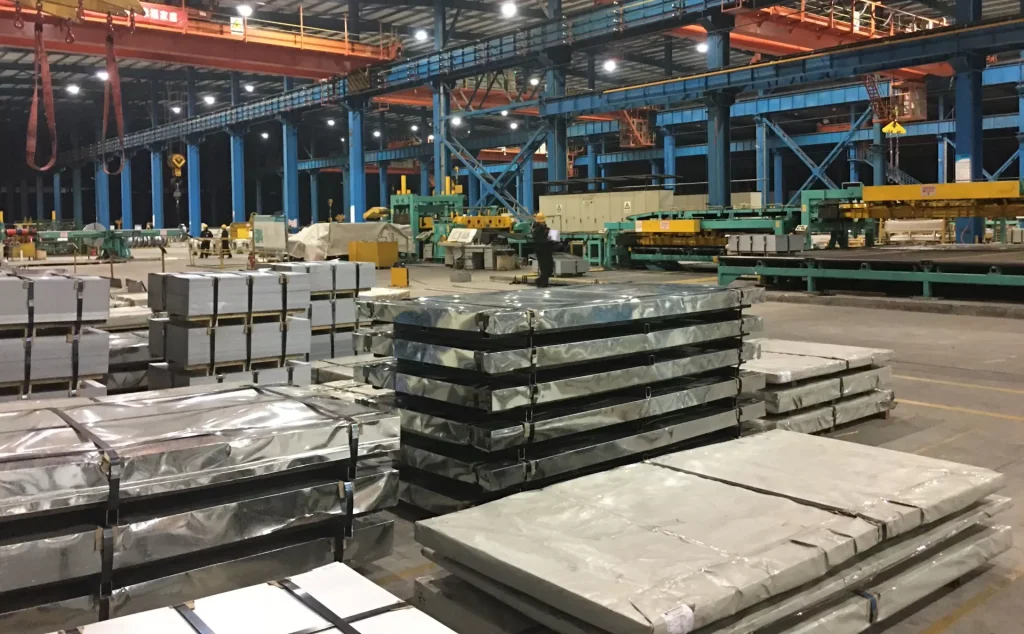
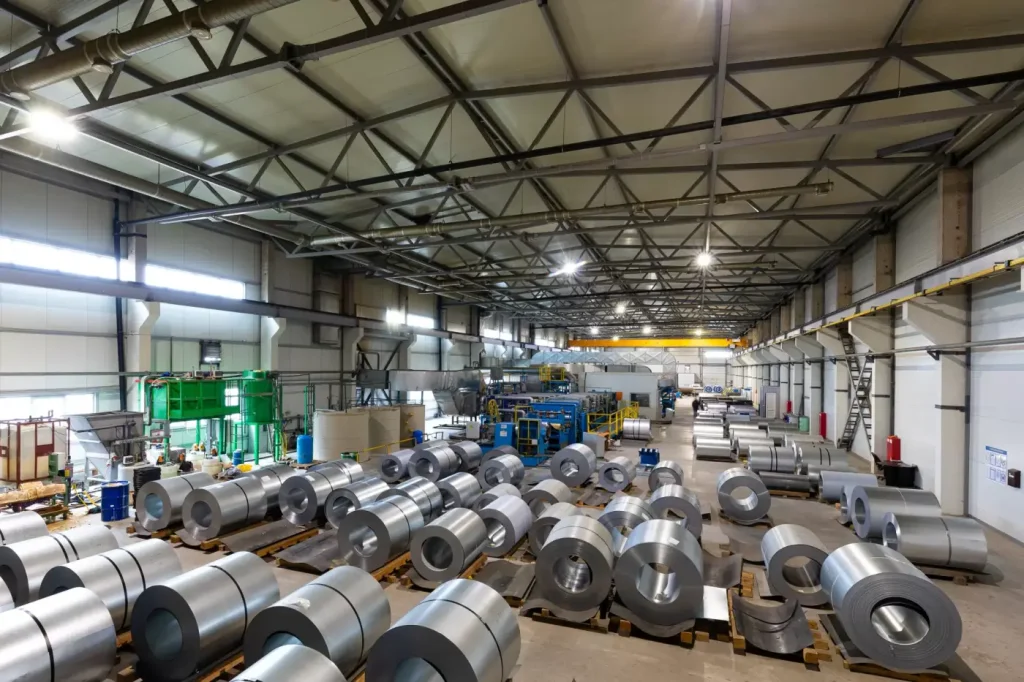
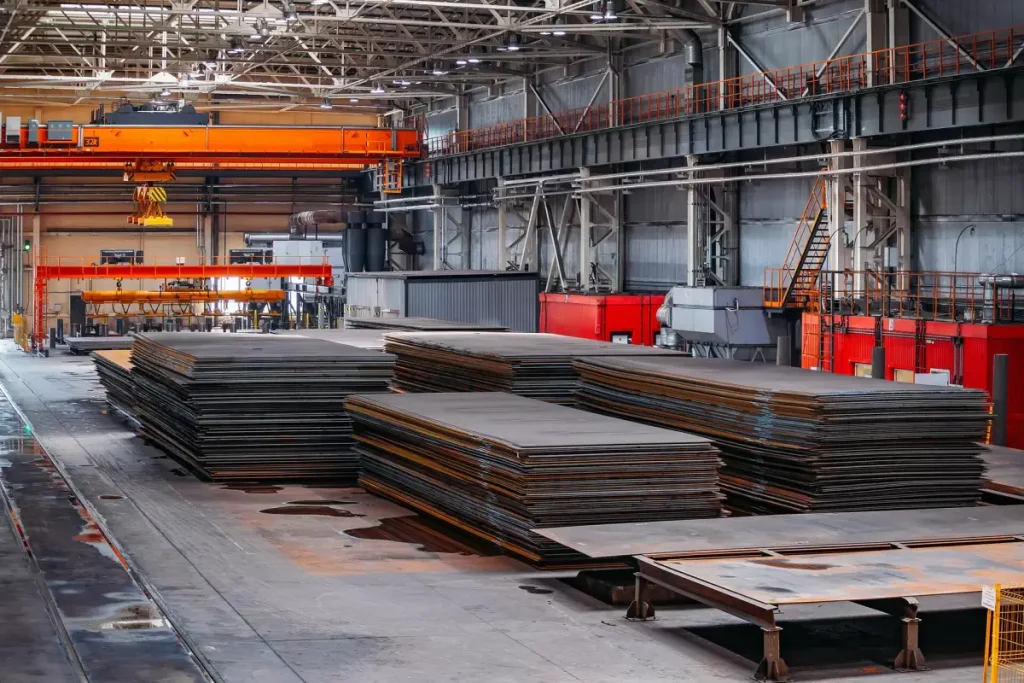
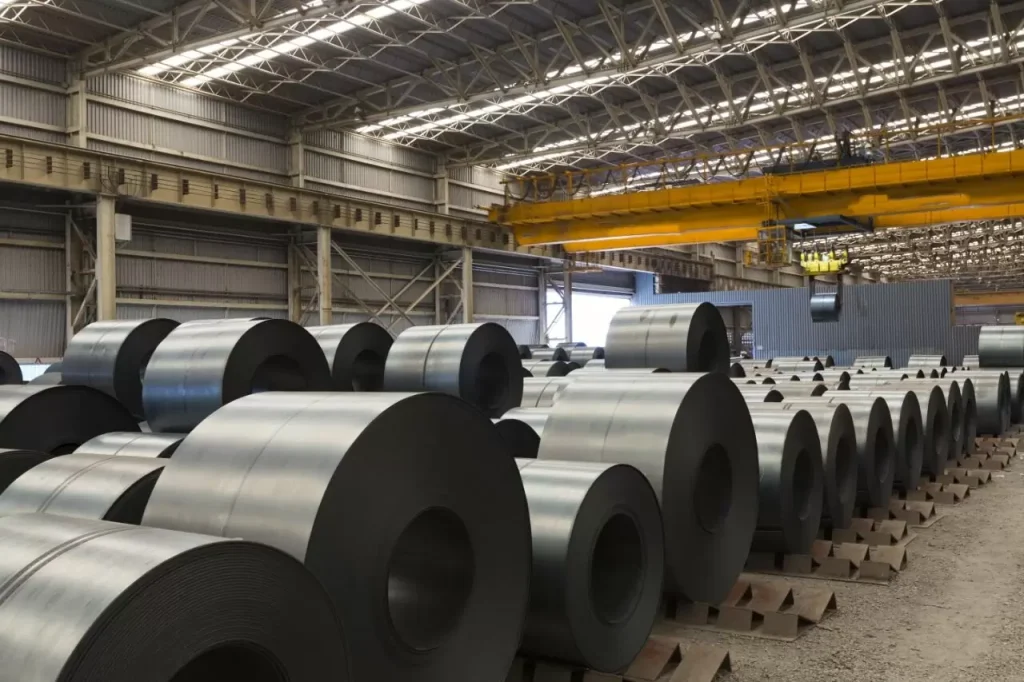
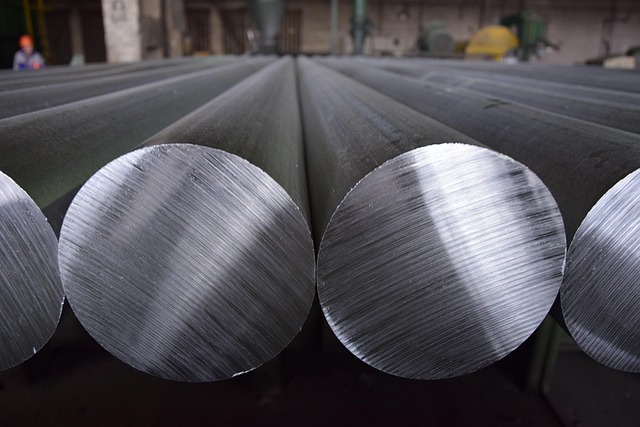
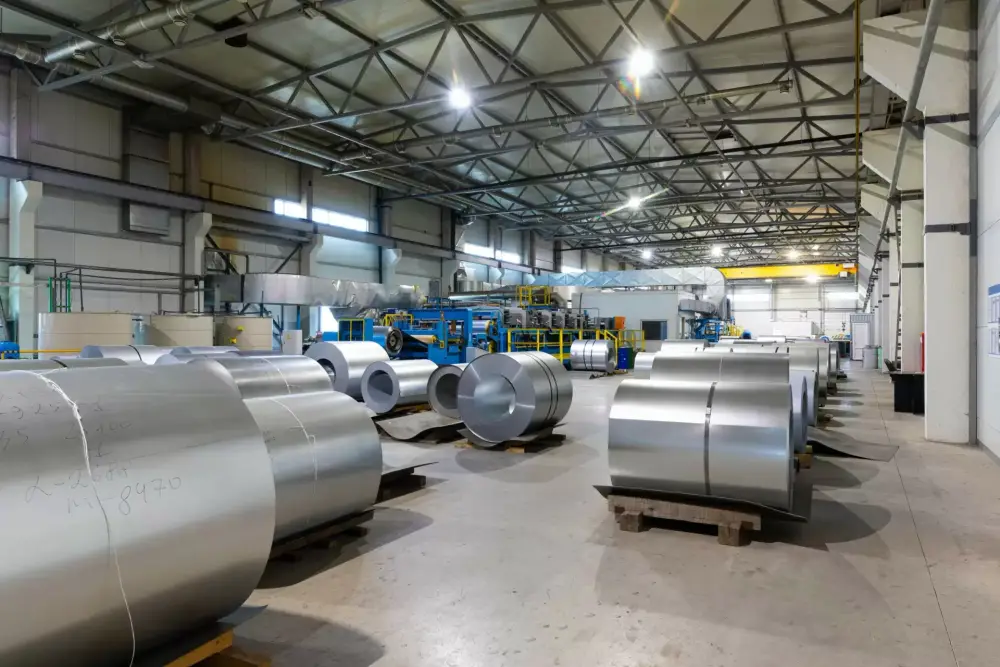
- Material Traceability:Uses TISCO/POSCO cold or hot rolled coils with mill test certificates
- Processing Precision: : CNC laser cutting tolerance ±0.1mm, bending angle error ≤0.5°.
- Quality ControlOn-site spectrometer testing with SGS reports per batch
- Delivery Capability:: 500-ton stock at Chongqing/Chengdu warehouses, 24-hour shipping
Applications & Industries
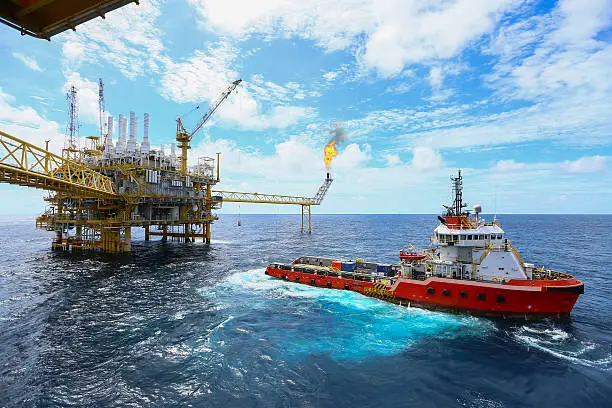
Marine Engineering
Seawater desalination equipment

Chemical & Energy
Heat exchangers/Reactor linings

Food & Pharma
Fermentation tanks/Filling line pipes

High-end Furniture
Wine cabinet frames/Kitchen countertops
Workshop & Packaging (Illustrative)
- (Visual documentation recommended)
- Production:
- Laser cutting/bending units in dust-free workshops
- Inspection :
- Spectrometer operation scenes highlighting process control
- Packaging:
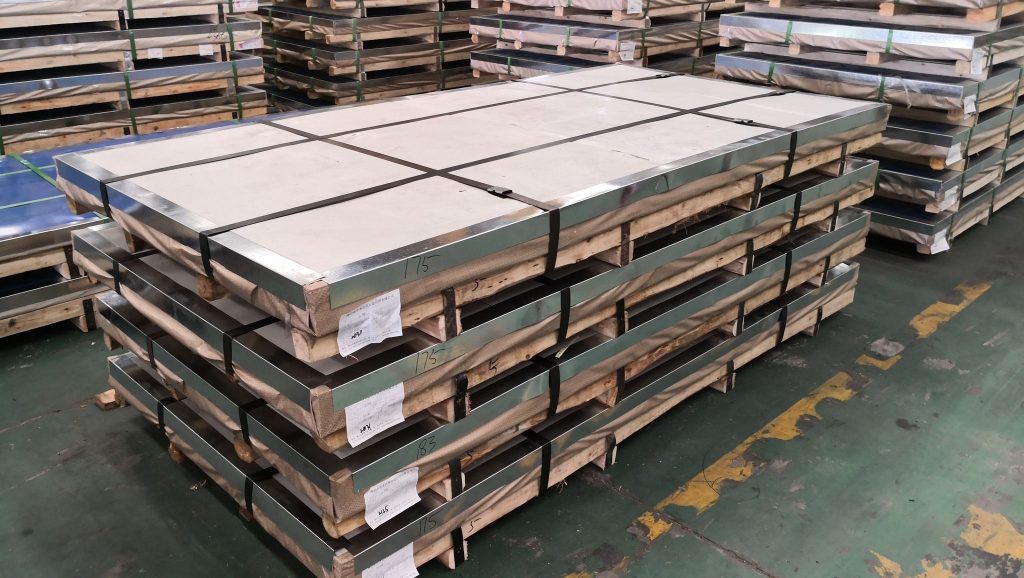
- Wooden pallets + anti-rust film + edge protectors, compliant with ocean shipping

Frequently Asked Questions
Q1: Do you offer custom processing?
→ Supports laser engraving/special-shaped cutting with 3D-to-CAD conversion services.
Q2: Is surface rust normal?
→ Not a material defect. Usually caused by iron dust contamination, removable with 10% nitric acid cleaning.
Q3: What distinguishes 316L from 316 stainless steel?
A: The “L” suffix indicates low carbon content (≤0.03%), which reduces carbide precipitation during welding and minimizes intergranular corrosion risk.
Q4: Can 316L be used in high-temperature environments?
A: Yes, it exhibits good oxidation resistance up to 800°C (1472°F) and retains strength at elevated temperatures due to its austenitic structure.
Q5: How to maintain 316L’s corrosion resistance?
A: Avoid prolonged exposure to high-chloride environments (e.g., undiluted seawater) without protective coatings. Regular cleaning removes contaminants that could compromise the passive layer.
Ready to source stainless steel from a trusted Chinese manufacturer?
Let us support your project with reliable quality, fast delivery, and expert service.
Get a quote today — we usually respond within 12 hours.