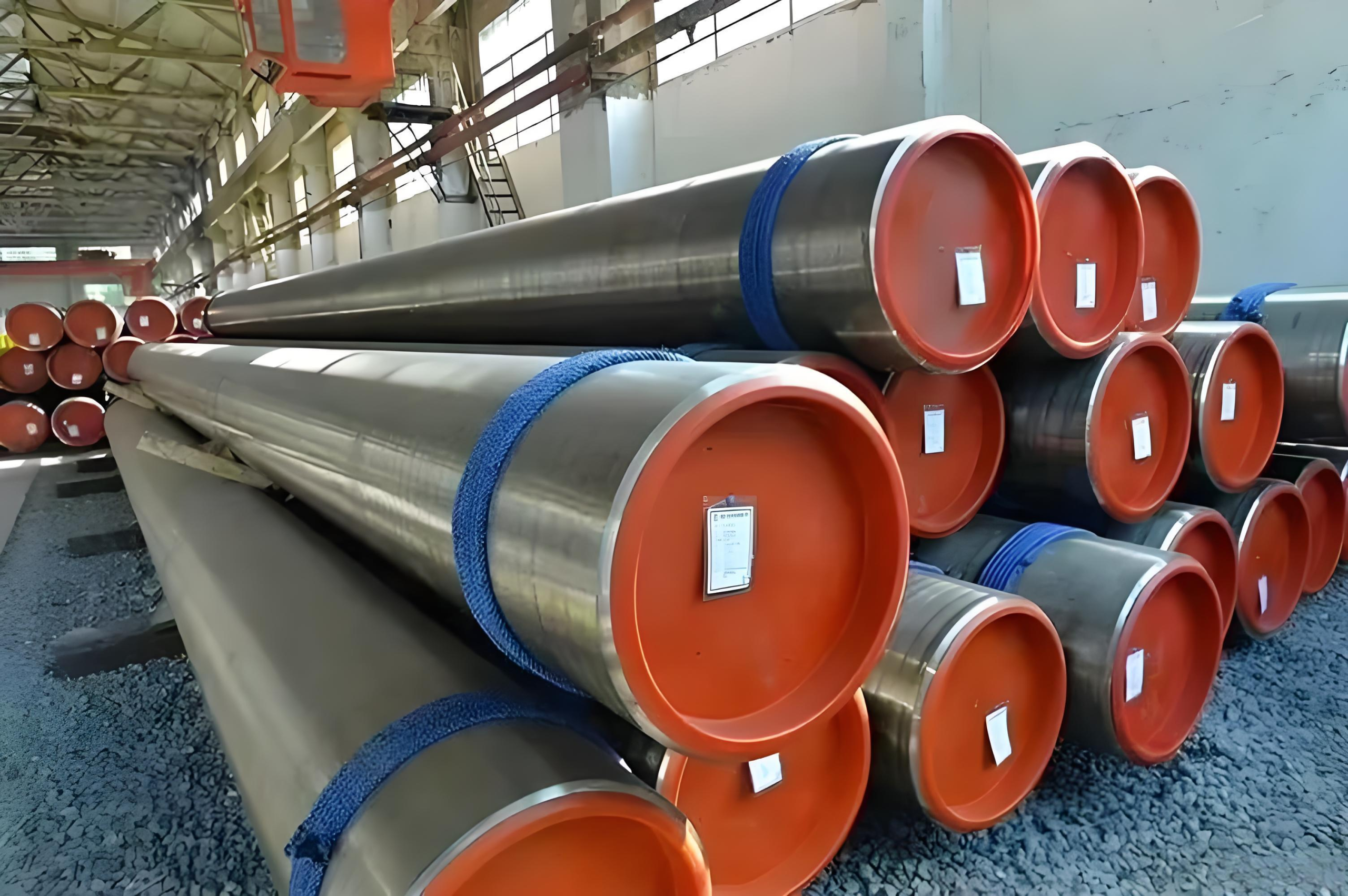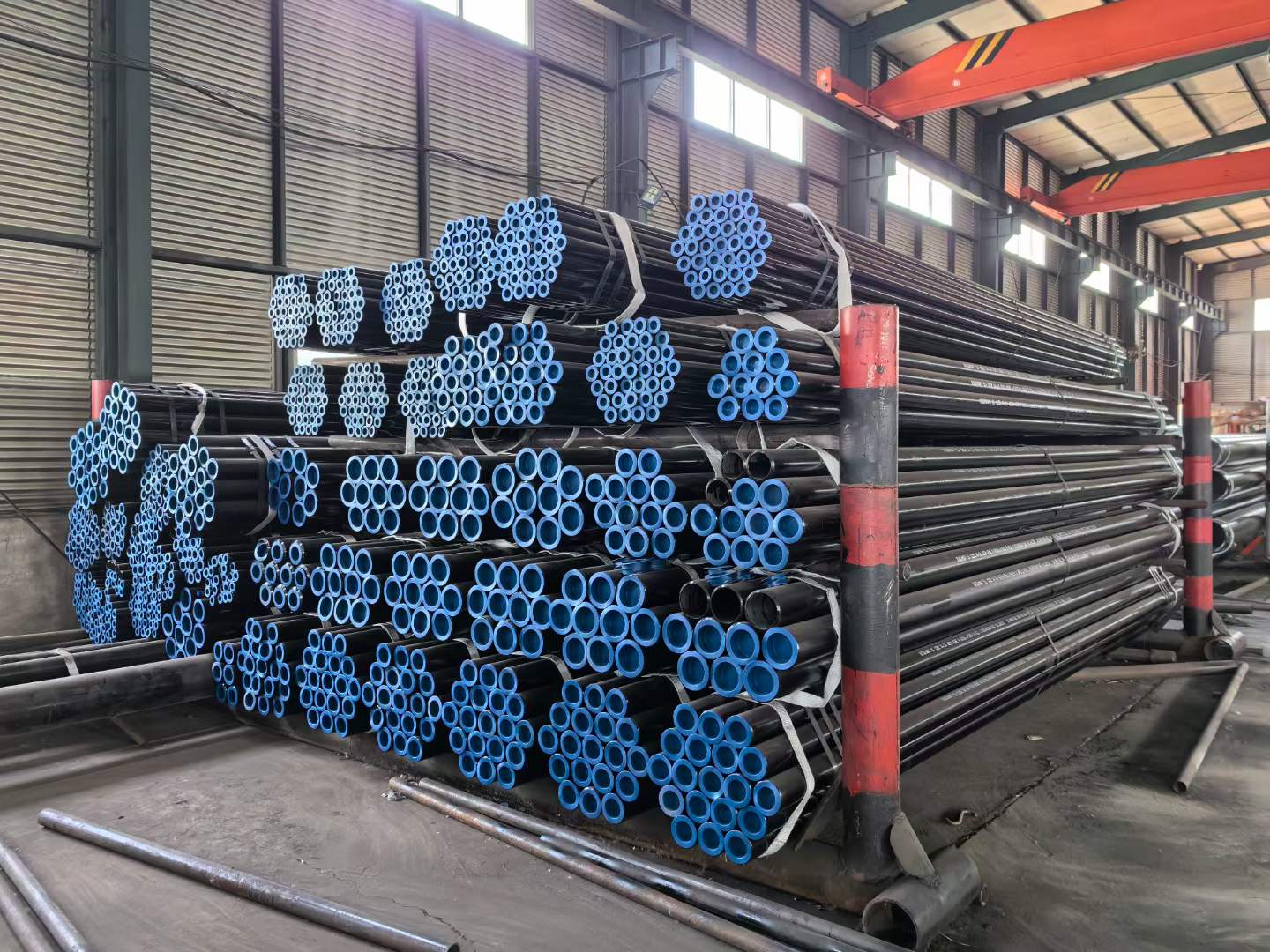
ASTM A106 Gr.C Carbon Steel Pipe - High-Temperature & High-Pressure Solution

Chemical Composition (wt%)

Element

Content Range (%)

Notes

Carbon (C)

≤0.35

Core strength element

Silicon (Si)

≤0.10

Improves oxidation resistance

Manganese (Mn)

0.29–1.06

Enhances hardenability

Phosphorus (P)

≤0.035

Lowers ductility if excessive

Sulfur (S)

≤0.035

Reduces corrosion susceptibility

Chromium (Cr)

≤0.4

Minor impact on corrosion

Nickel (Ni)

≤0.4

Improves toughness

Copper (Cu)

≤0.4

aids atmospheric corrosion resistance

Molybdenum (Mo)

≤0.15

Enhances high-temperature strength

Vanadium (V)

≤0.08

Refines grain structure

Parameter

Value Range/Standard

Notes

Outer Diameter (OD)

21.3 mm – 762 mm (NPS 1/8 – NPS 48)

Custom lengths available

Wall Thickness

2.0 mm – 140 mm

Precision-manufactured

Hardness (HB)

≤137 (Brinell)

Ensures machinability

Density

~7.85 g/cm³

Standard carbon steel density

Yield Strength (MPa)

≥275

High load-bearing capacity

Tensile Strength (MPa)

≥485

Superior durability

Surface Treatment

Why Choose Us ?

Applications & Industries

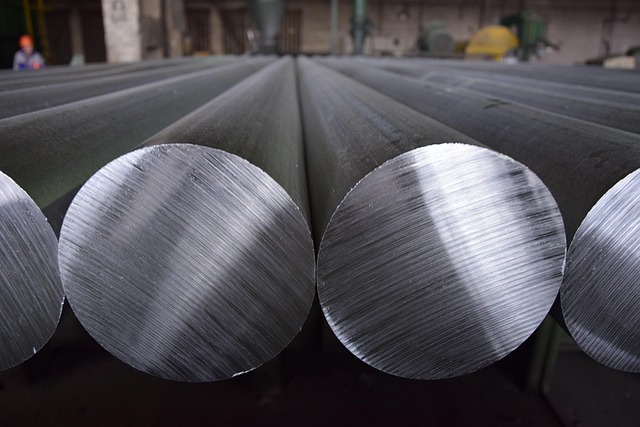
titanium alloy bars are used to make aircraft structural components

Petrochemical Industry:

Used for transporting oil, chemical raw materials, and intermediate products due to its high strength and corrosion resistance.
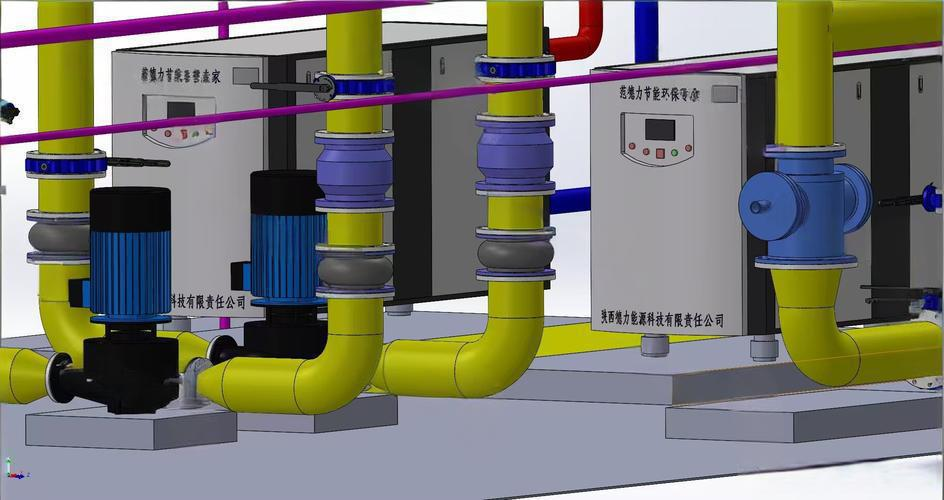
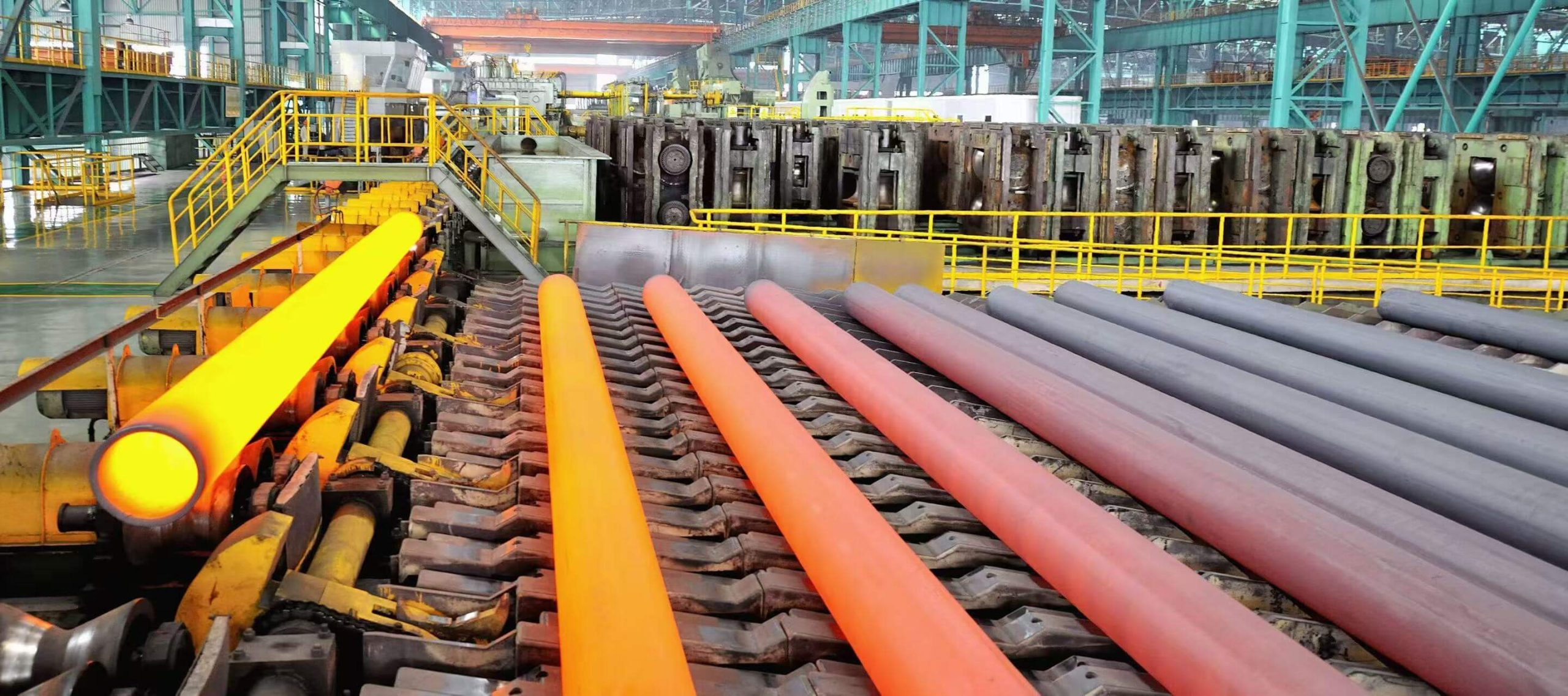
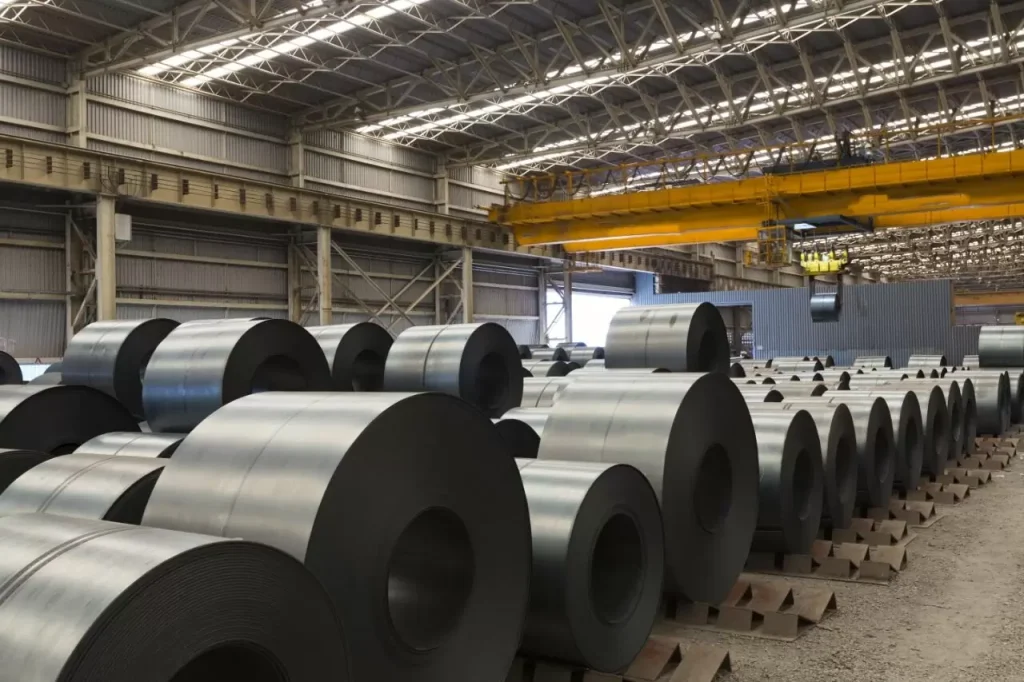
carbon steel pipes for high-temperature and high-pressure environments in boilers

Power Generation:

Commonly employed in steam and feedwater piping systems in power plants, withstanding high temperatures and pressures.
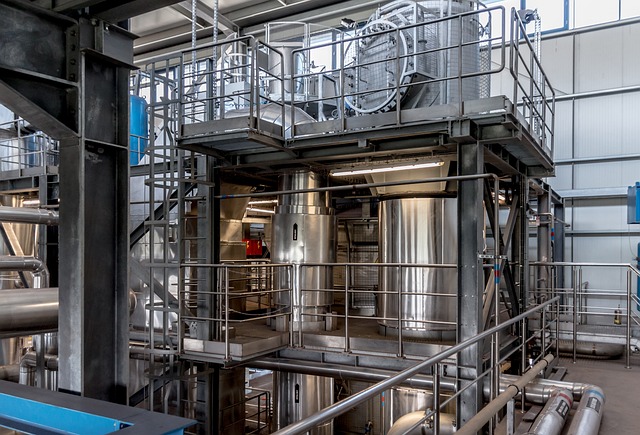
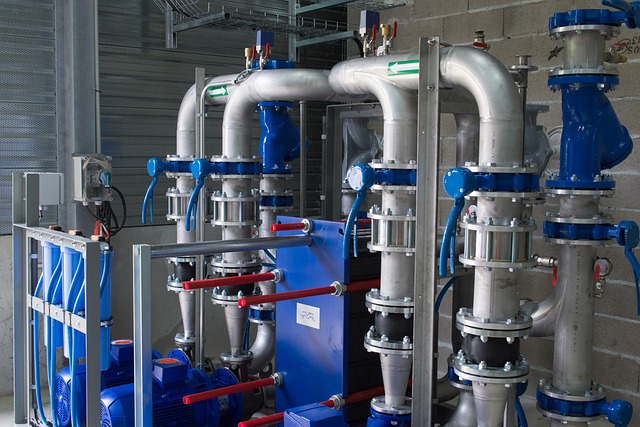
titanium alloys bars are used to make heat exchangers

Metallurgical Industry:

Serves as a pipeline for gases and liquids, such as in blast furnace air supply systems, enduring high temperatures and wear.

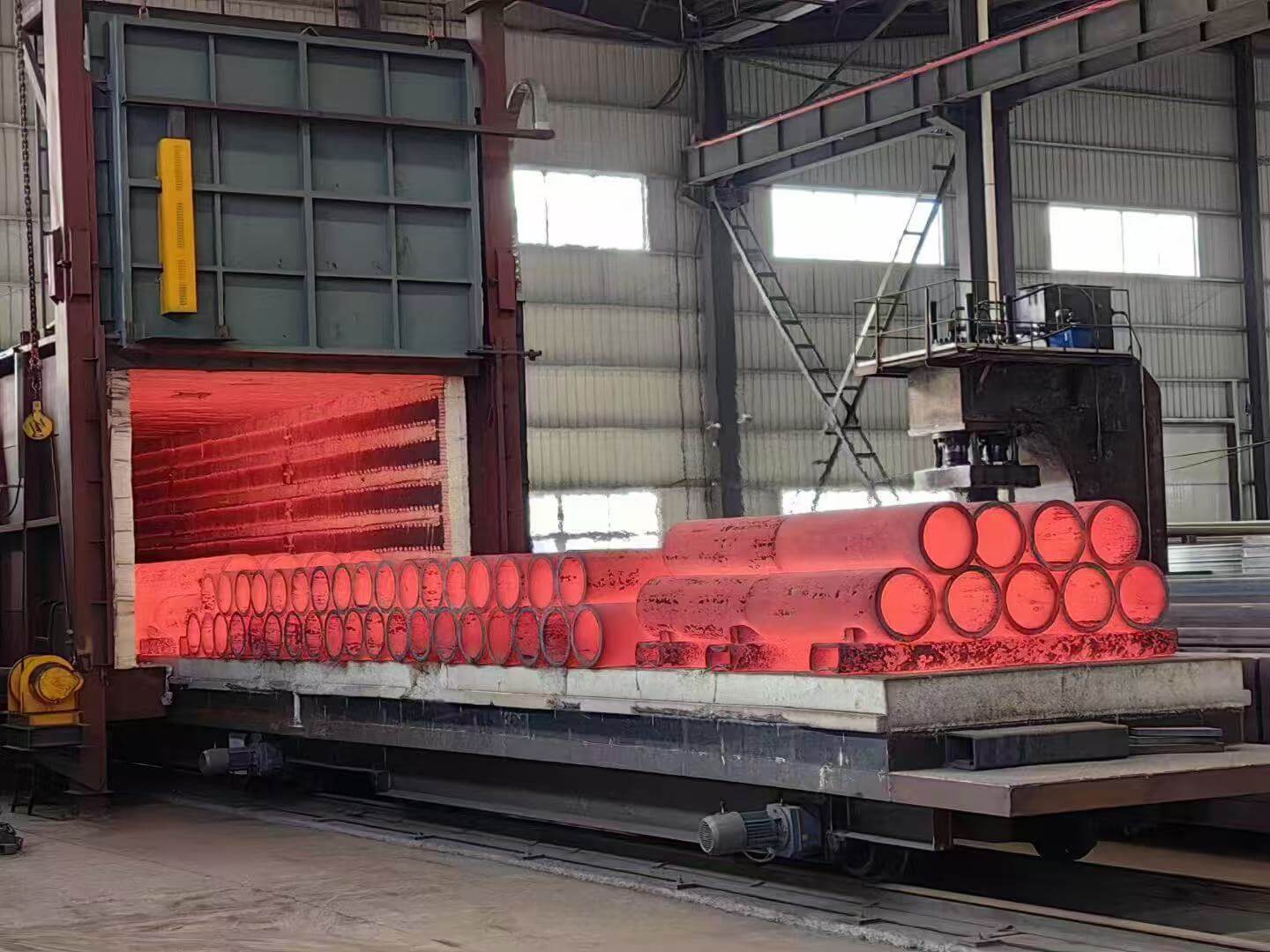
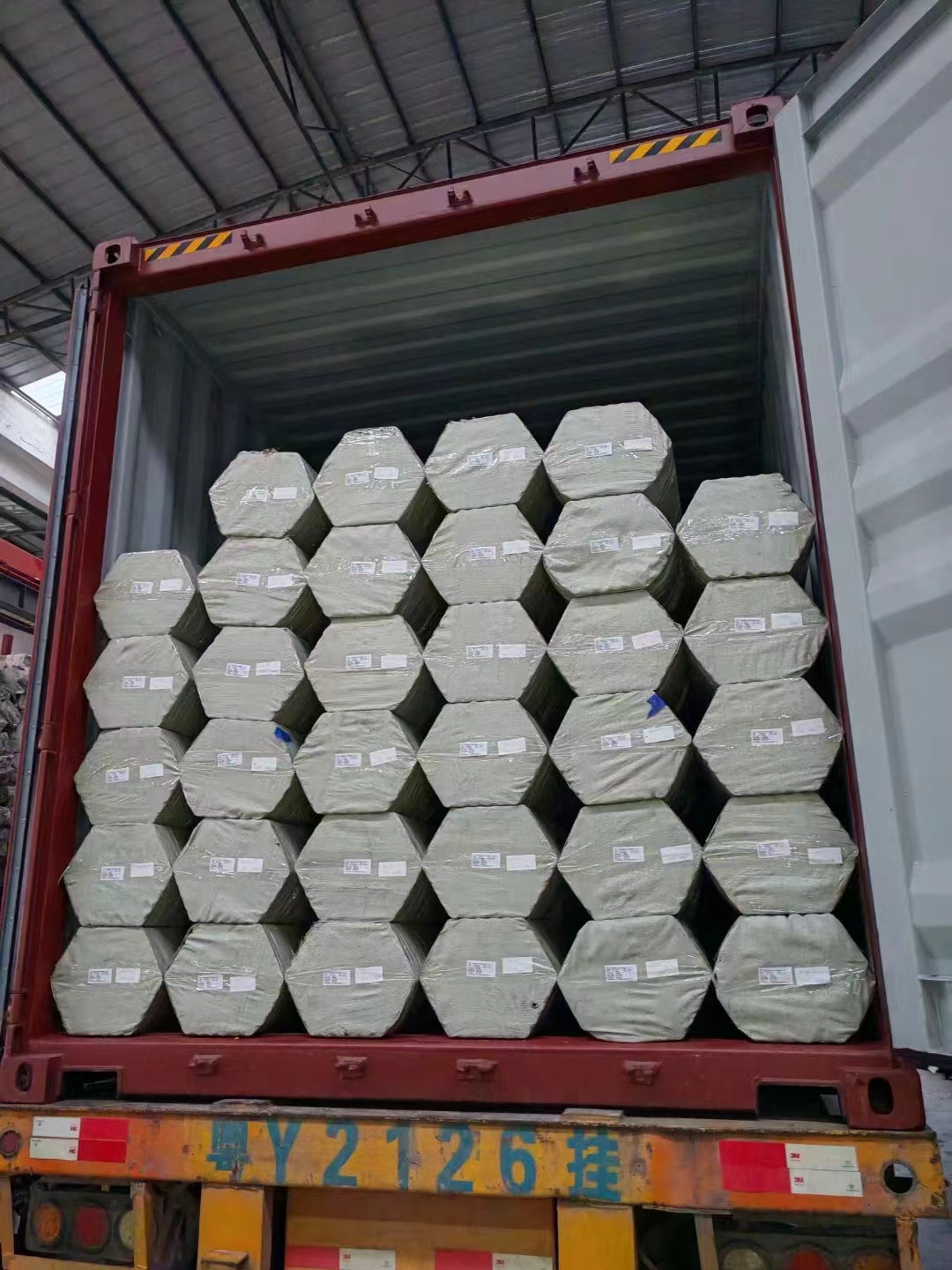
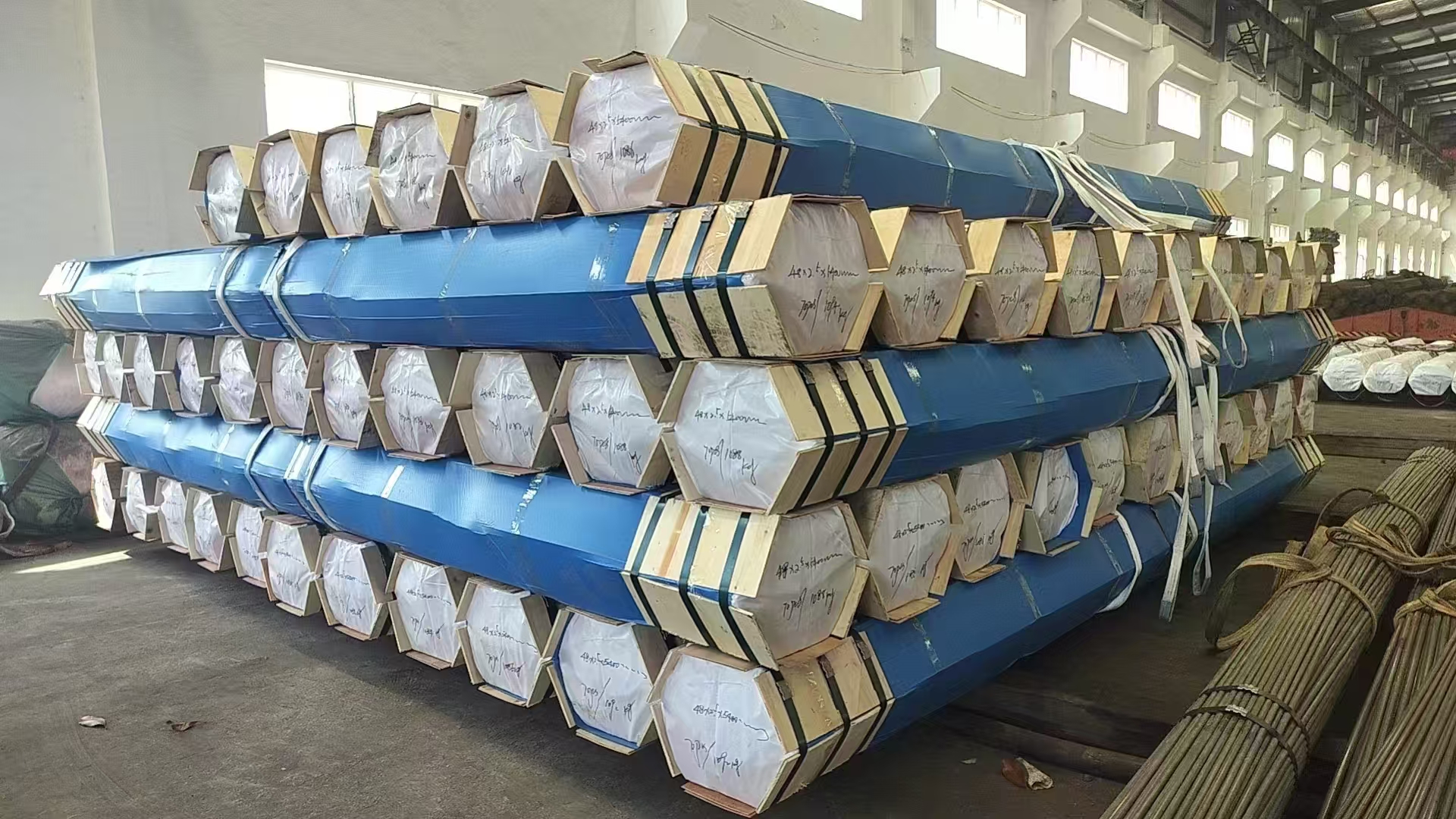
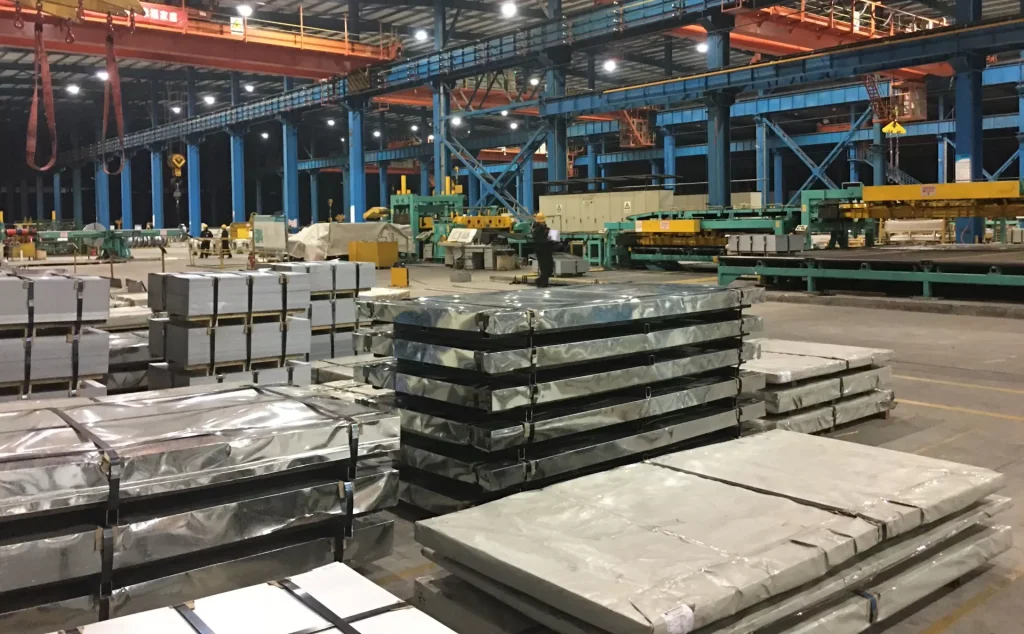
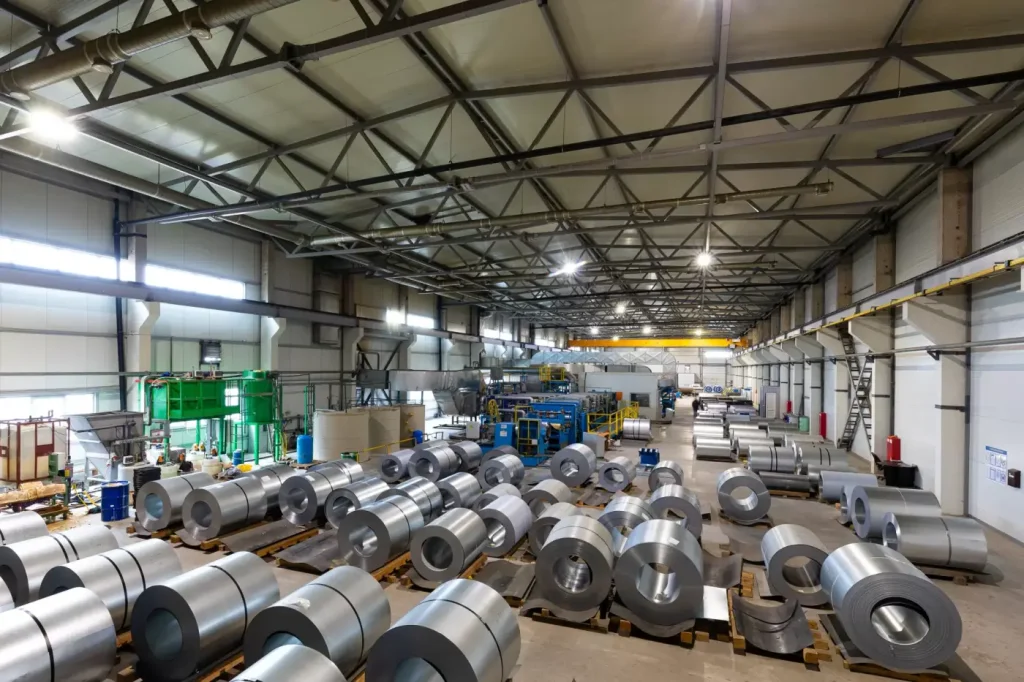
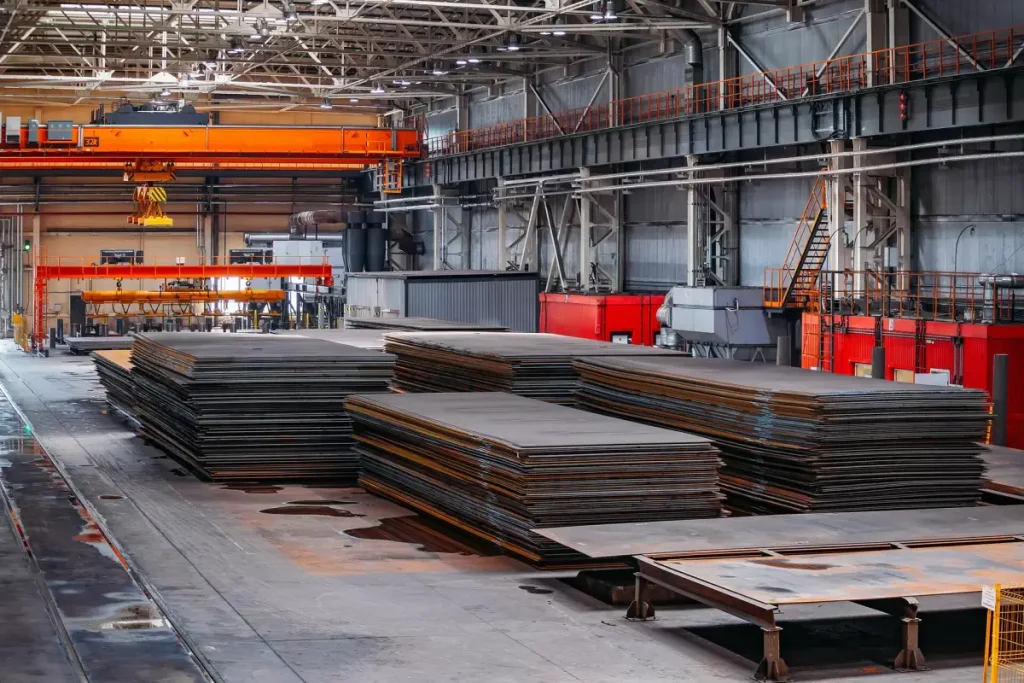
Workshop & Packaging

Frequently Asked Questions

Q: What distinguishes ASTM A106 Gr.C from Gr.B?

A: Gr.C has higher carbon content (≤0.35% vs. ≤0.30%), resulting in superior strength for high-pressure applications.

A: Yes, with controlled sulfur and phosphorus levels, it complies with NACE standards for sour service.

A: Yes, preheating and post-weld heat treatment are recommended to maintain integrity.

A: Material Test Reports (MTRs) and compliance with ASTM/ASME specifications.

A: Typically 4–6 weeks; expedited options available based on inventory.

Ready to source alloy steel from a trusted Chinese manufacturer?

Let us support your project with reliable quality, fast delivery, and expert service.
Get a quote today — we usually respond within 12 hours.

滚动至顶部

Get a quote

Fill out the form and our professional team will contact you within 24 hours.