- You are here:
- Home /
- Products /
- Carbon Steel /
- Carbon Steel Pipe&Tube /
- High-Saturation Iron-Cobalt-Vacuum Soft Magnetic Alloy Rod
API 5L Grade X42-X80 Pipeline Tubes for Oil & Gas Transmission Specification Compliant with API 5L (45th Edition)
API 5L pipeline tubes are precision-engineered for high-pressure oil and gas transmission, featuring:
- Dual Product Specification Levels (PSL1/PSL2):PSL2 ensures enhanced toughness and traceability.
- Material Versatility:Available in seamless and welded (LSAW/ERW) variants with superior corrosion resistance.
- Environmental Adaptability:Designed for extreme temperatures (-20°C to 100°C) and harsh terrains.
- Quality Assurance:Full compliance with API 5L standards, including mandatory impact testing for PSL2 grades.
Chemical Composition (wt%)
Element | PSL1 Grade (Max %) | PSL2 Grade (Max %) | Key Functionality |
Carbon (C) | 0.28 (B-Grade) | 0.24 (B-Grade) | Strength Hardening |
Silicon (Si) | 0.10 (Typical) | 0.10 (Typical) | Deoxidizer |
Manganese (Mn) | 1.35 (X42) | 1.35 (X42) | Hardness Enhancer |
Phosphorus (P) | 0.03 (A-Grade) | 0.025 (B-Grade) | Brittleness Control |
Sulfur (S) | 0.03 (A-Grade) | 0.015 (B-Grade) | Hot Workability |
Chromium (Cr) | ≤0.30 (X70+) | ≤0.30 (X70+) | Corrosion Resistance |
Nickel (Ni) | ≤0.40 (X80) | ≤0.40 (X80) | Low-Temperature Toughness |
Copper (Cu) | ≤0.40 (Optional) | ≤0.40 (Optional) | Atmospheric Corrosion Resistance |
Parameter | Range | Test Method |
Outer Diameter (OD) | 0.3–2032 mm | API 5L Table 1 |
Wall Thickness (WT) | 2.0–140 mm | API 5L Table 2B |
Hardness (Brinell) | ≤229 HB (X42) | ASTM E10 |
Density | 7.85 g/cm³ | Standard Material Property |
Yield Strength (Rt0.5) | 290–555 MPa (X42-X80) | API 5L Table 3A |
Tensile Strength (Rm) | 415–760 MPa (X42-X80) | API 5L Table 3B |
API 5L Carbon Steel Pipe Performance Characteristics and Applications
1. Performance Characteristics
1.1 Chemical Composition and Material Properties
API 5L carbon steel pipe is mainly made of carbon steel or low-alloy steel, with carbon content controlled below 0.22%, and micro-alloying treatment with the addition of manganese, niobium, vanadium, and other elements.
By strictly controlling the content of impurities such as sulfur and phosphorus (≤0.025%), the material is ensured to have good low-temperature toughness.
1.2 Mechanical Properties
It has an excellent balance of strength and toughness. Typical steel grades such as L245 (GR.B) have a yield strength ≥245MPa and a tensile strength of 415-655MPa.
The elongation is not less than 23%, and the Charpy impact energy maintains a good value even at -30℃.
1.3 Processing Performance
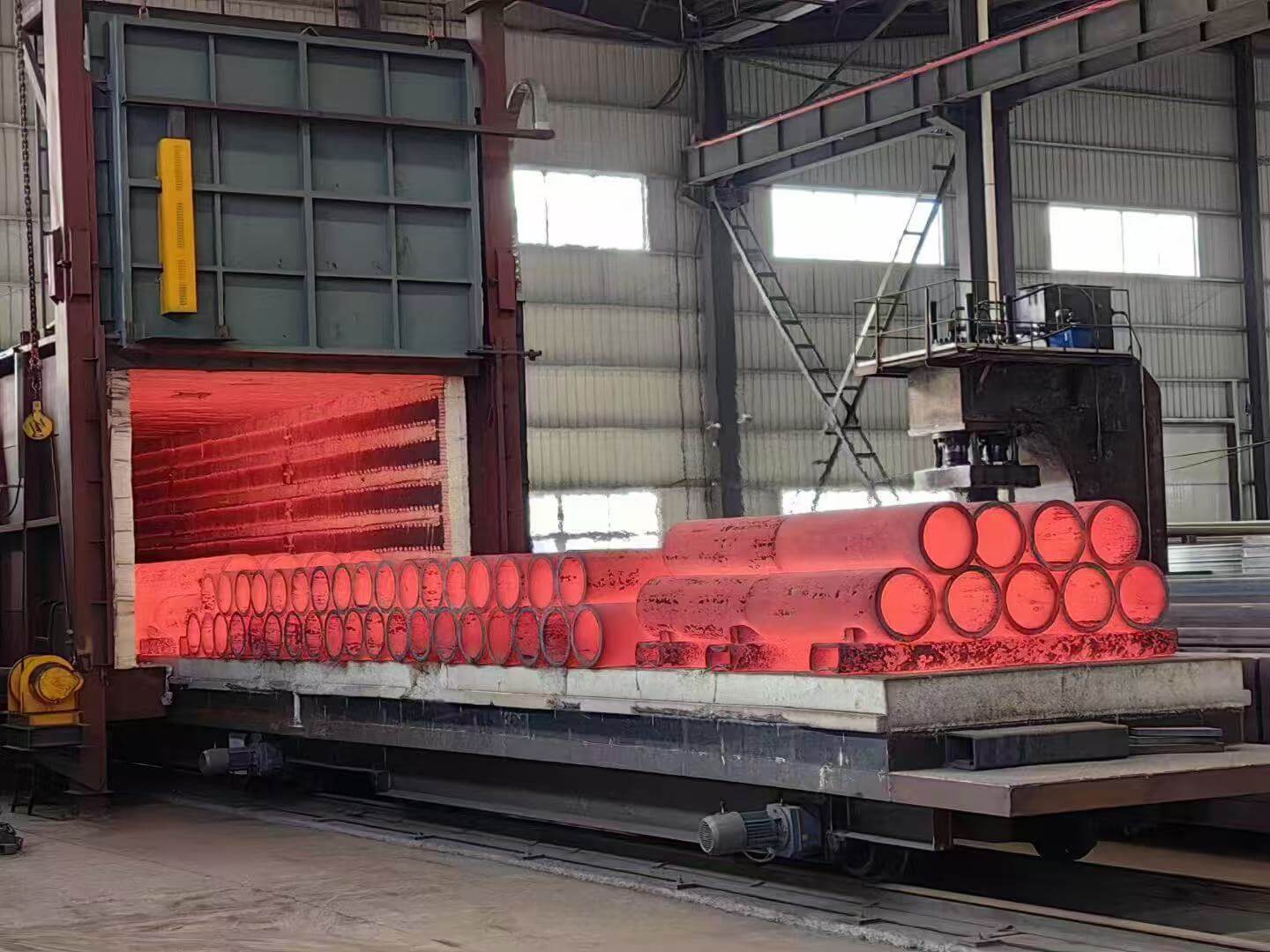
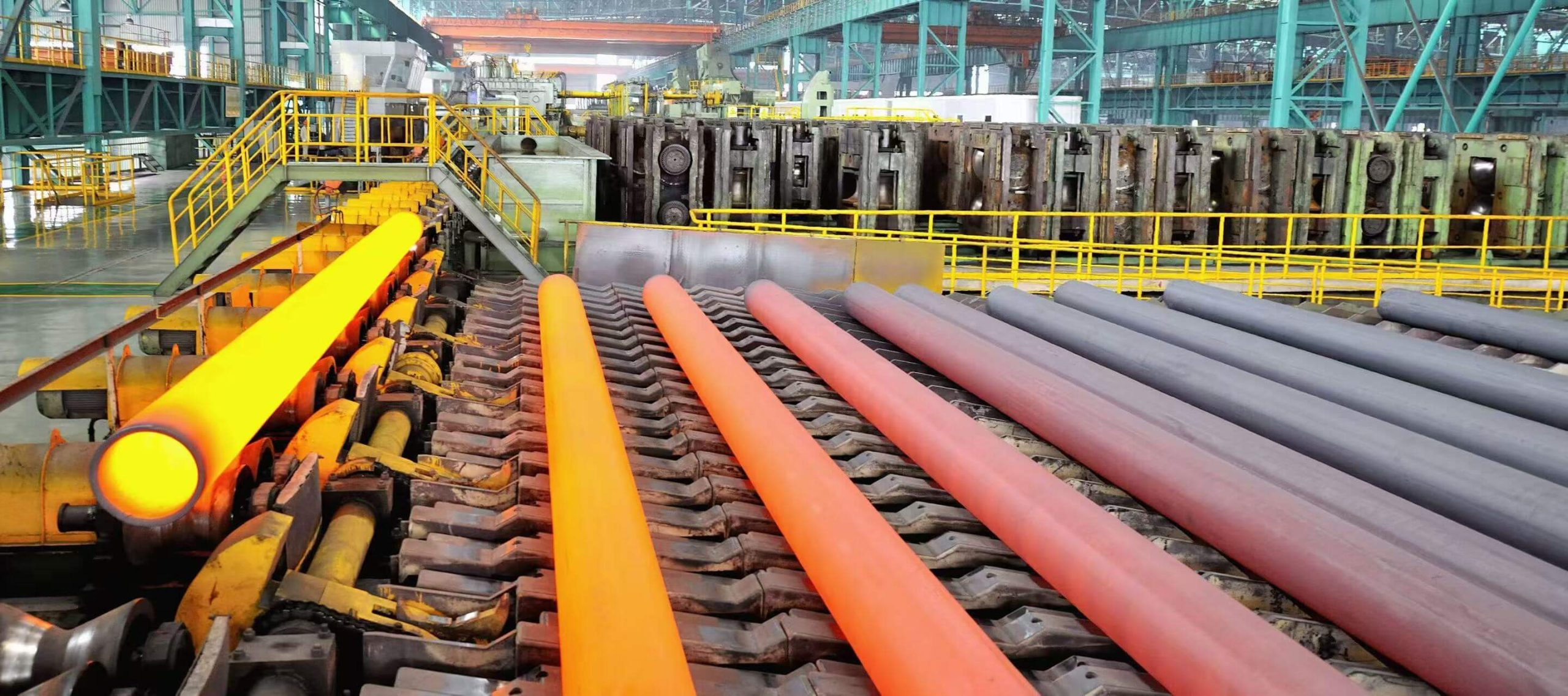
High-frequency resistance welding (ERW) or submerged arc welding (SAW) processes are used, and the weld seam undergoes 100% ultrasonic testing and X-ray inspection.
1. Thermomechanical Processing (TMCP): The grain size is refined to 5-10 μm, significantly improving the material’s toughness.
2. Main Applications:
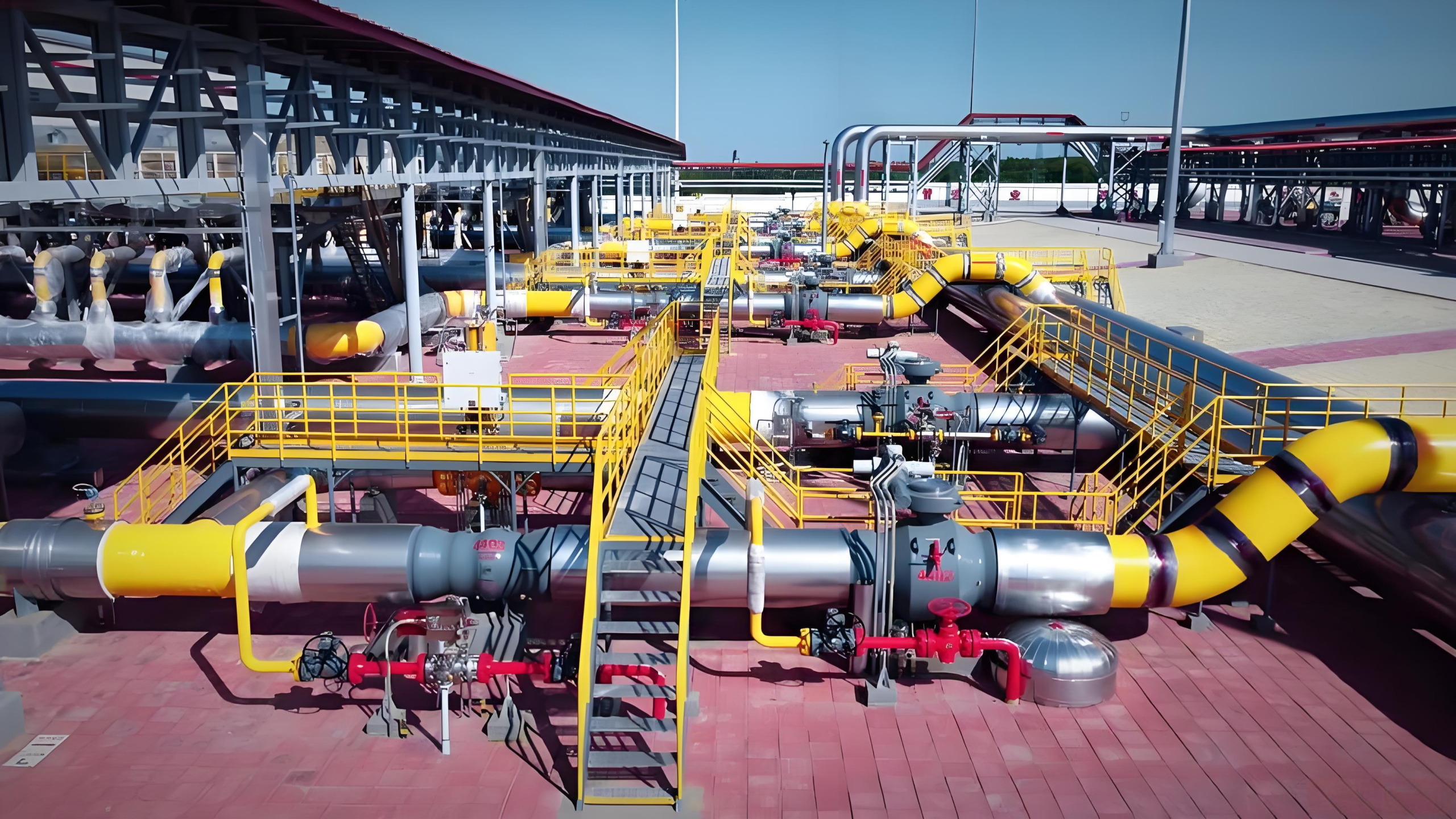
2.1 Oil and Gas Transportation:As a primary pipe material for long-distance oil and gas transmission trunk lines, it is widely used in major national pipeline projects such as the West-East Gas Pipeline and the China-Russia East Route Gas Pipeline.
It can withstand high-pressure transmission requirements exceeding 10 MPa, with working pressures up to 12 MPa.
2.2 Urban Pipeline Construction: Used in urban gas distribution networks, it has a smaller ellipticity deviation (≤0.6%) compared to spiral welded pipes, supporting high-precision docking construction.
In high-pressure urban pipeline networks, it can save 15%-20% in costs compared to seamless steel pipes.
2.3 Special Environment Applications:Through special processing, it can be applied in high-altitude and cold regions (such as the Tibet LNG project) and marine environments (such as the South China Sea gas field development).
It exhibits good environmental adaptability in permafrost zones and marine environments.
3. Application Advantages
It boasts a significant life-cycle cost advantage. Although the unit price is higher, its service life is extended by more than 50%, resulting in a substantial decrease in overall cost over a 20-year operating cycle.
With advancements in welding technology, large-diameter welded pipes offer clear advantages in cost and application flexibility, making them the mainstream choice in the pipeline industry.
Surface Treatment
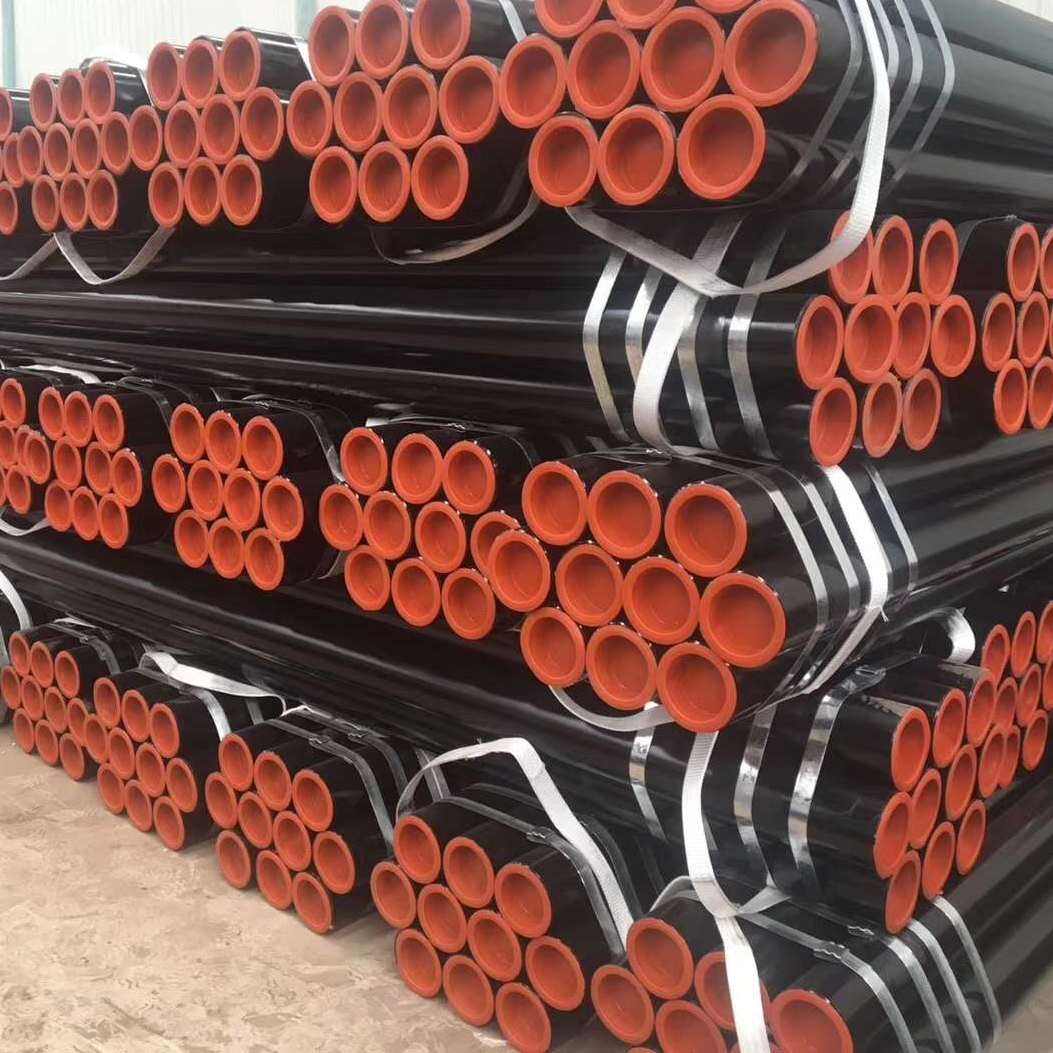
- Internal Coating: Fusion-bonded epoxy (FBE) for corrosion protection.
- External Coating: Polyethylene (PE) or coal tar enamel per project requirements.
- End Preparation: Beveled ends (30°±5°) with 1.6±0.8 mm land for welding.
Why Choose Us ?


- Certified Excellence: API Monogram License holder with ISO 9001:2015.
- Advanced Manufacturing: JCOE forming + multi-wire SAW welding for defect-free seams.
- Global Compliance: Meets NACE MR0175 for sour service environments.
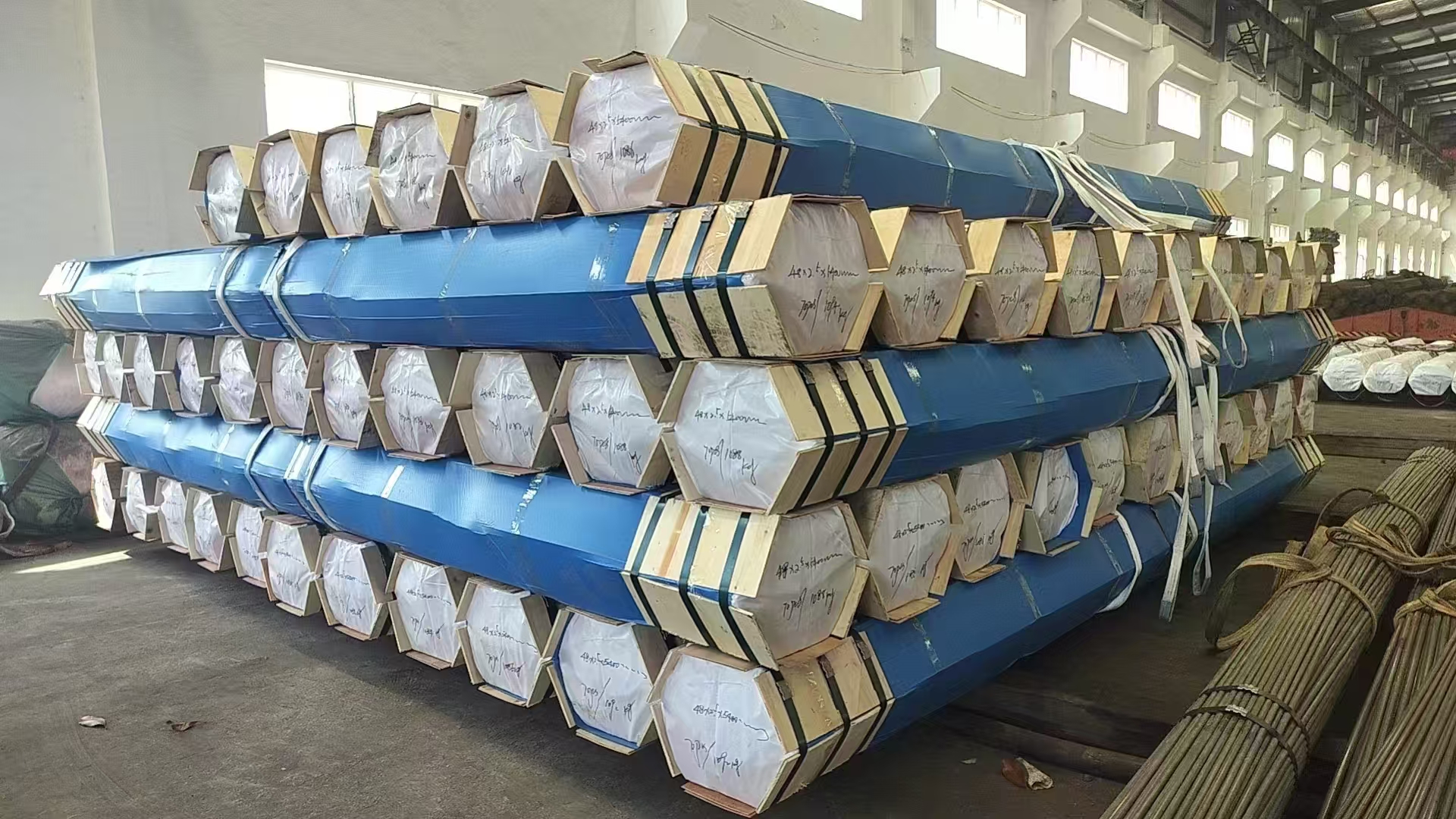
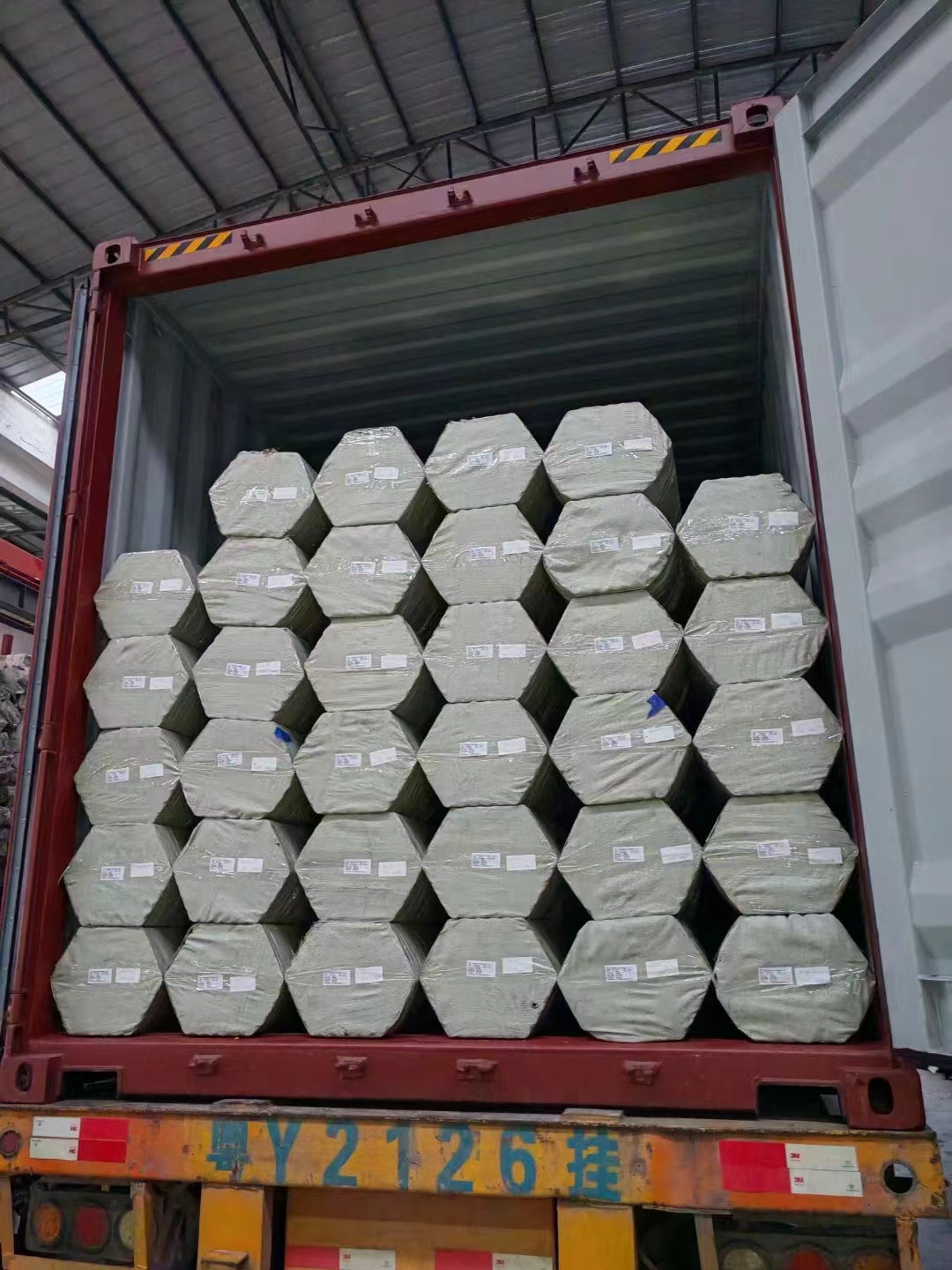
- Logistics: Customized packaging (bundle or container) with secure strapping.
Applications & Industries

Oil and Gas Transportation
API 5L carbon steel pipes are primarily used for transporting oil, natural gas, and other fluids in the petroleum and natural gas industries. They are designed to handle high-pressure and high-temperature conditions, ensuring safe and efficient long-distance transmission.

Chemical and Power Industry Applications
These pipes are also employed in chemical plants and power generation facilities for conveying various media, including water, steam, and chemical solutions. Their corrosion resistance and mechanical strength make them suitable for demanding industrial environments.

Infrastructure and Energy Projects
API 5L pipes are used in infrastructure and energy projects, such as pipelines for water supply, heating systems, and other utility networks. Their durability and precision tolerance (1%) ensure reliable performance in complex installations.
Frequently Asked Questions
Q1: What is the difference between PSL1 and PSL2?
A: PSL2 requires stricter chemical limits (e.g., lower S/P) and mandatory impact testing (-20°C, ≥40J for X42-X80).
Q2: Can API 5L tubes be used for sour service?
A: Yes, with NACE-compliant materials and HIC/SSC testing per API 5L Annex A.
Q3: What is the lead time for orders?
A: Standard: 4–6 weeks; expedited options available.
Q4: Do you provide mill test certificates?
A: Yes, with full traceability per API 5L SR15.
Ready to source alloy steel from a trusted Chinese manufacturer?
Let us support your project with reliable quality, fast delivery, and expert service.
Get a quote today — we usually respond within 12 hours.