Aluminum Wire

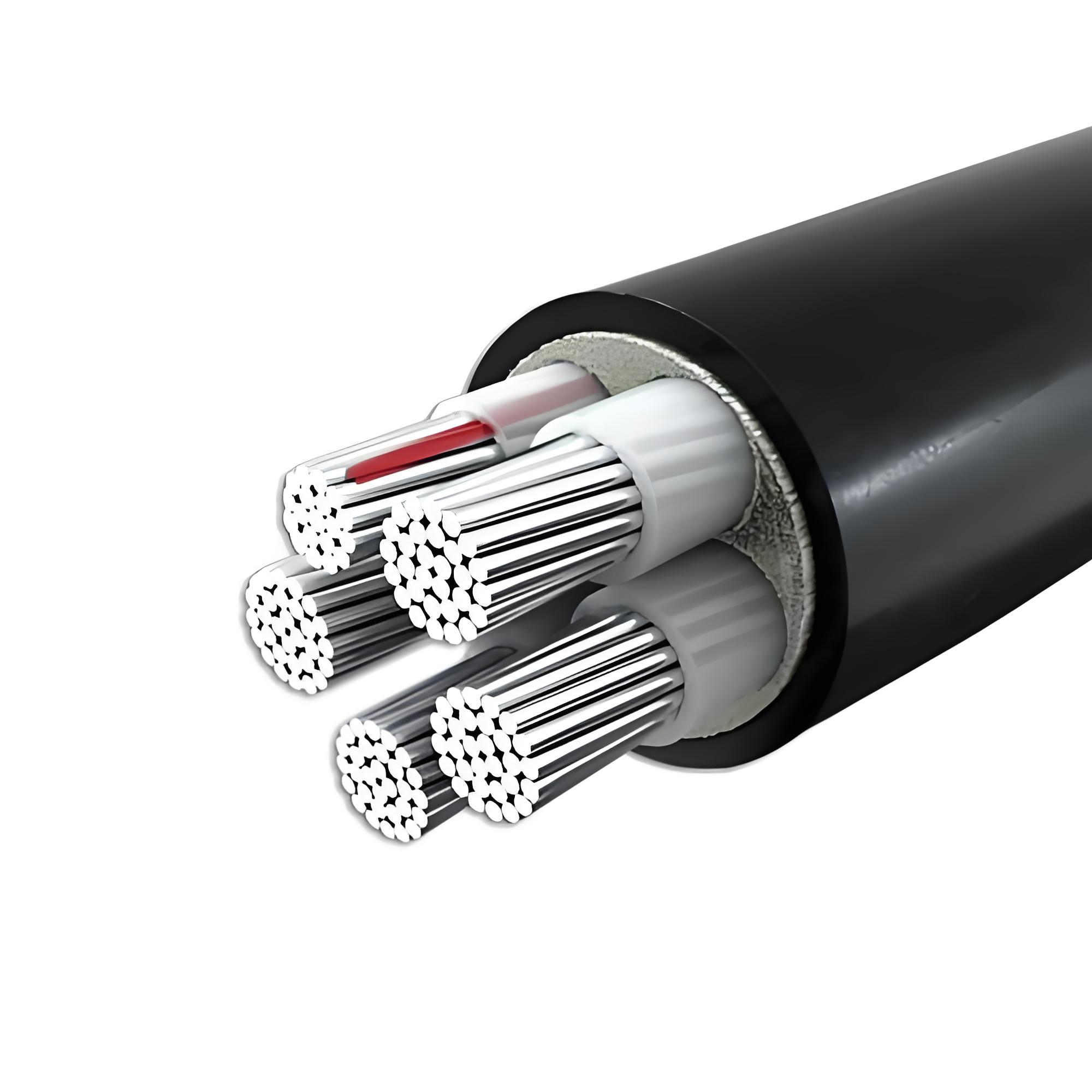
Aluminum wire is a versatile conductive material manufactured from high-purity aluminum (1xxx series) or alloyed aluminum (3xxx, 5xxx, 6xxx series). It exhibits:

Chemical Composition (wt%)

Element

1350 (Pure)

6061

7075

3003

Al

≥99.5%

Bal.

Bal.

Bal.

Si

≤0.25%

0.4–0.8

0.40

0.60

Fe

≤0.40%

≤0.7

≤0.50

≤0.7

Cu

≤0.05%

0.15–0.4

1.2–2.0

≤0.20

Mn

≤0.05%

≤0.15

≤0.30

1.0–1.5

Mg

0.8–1.2

2.1–2.9

Cr

0.04–0.35

0.18–0.28

Zn

≤0.25

5.1–6.1

Ti

≤0.03%

≤0.15

≤0.20

P, S

≤0.03% each

≤0.05 each

≤0.05 each

≤0.05 each


Parameter

Range

Units

Diameter

0.5 – 6.5

mm

Tolerance

±0.01 – ±0.05

mm

Density

2.65 – 2.75

g/cm³

Hardness (HV)

20 – 80

HV

Yield Strength

40 – 220

MPa

Tensile Strength

50 – 300

MPa

Elongation

5 – 35%

%


Surface Treatment

Why Choose Us ?

  • High-Purity Alloys — 99.5%+ Al content for optimal conductivity (1350 grade)
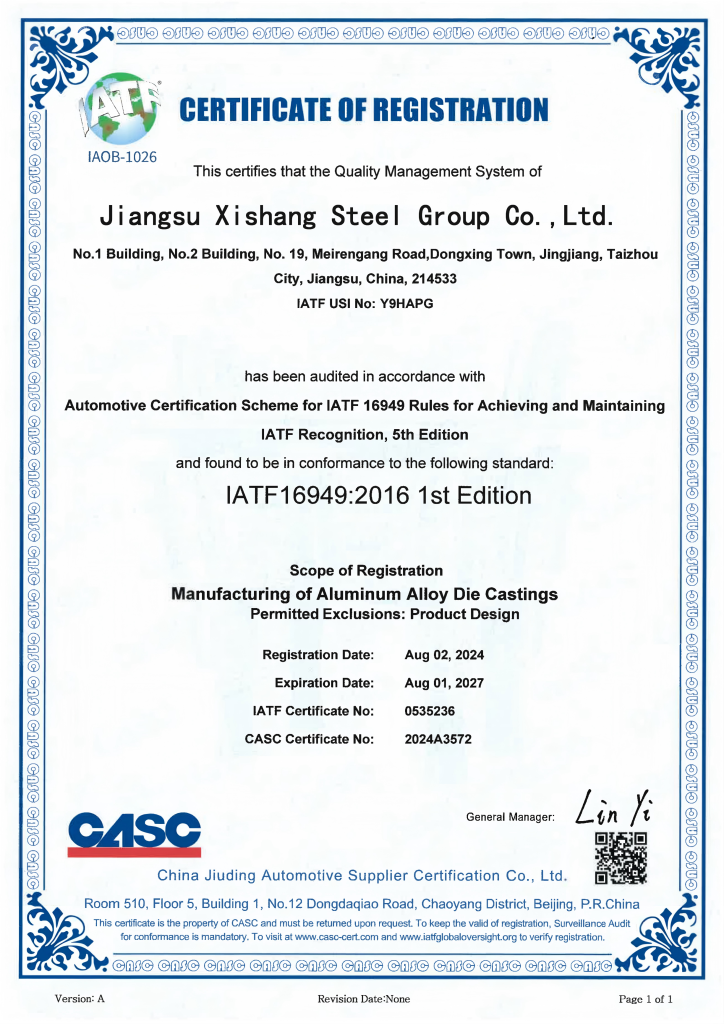
  • ISO 9001 & IATF 16949 Certified — Consistent quality across batches
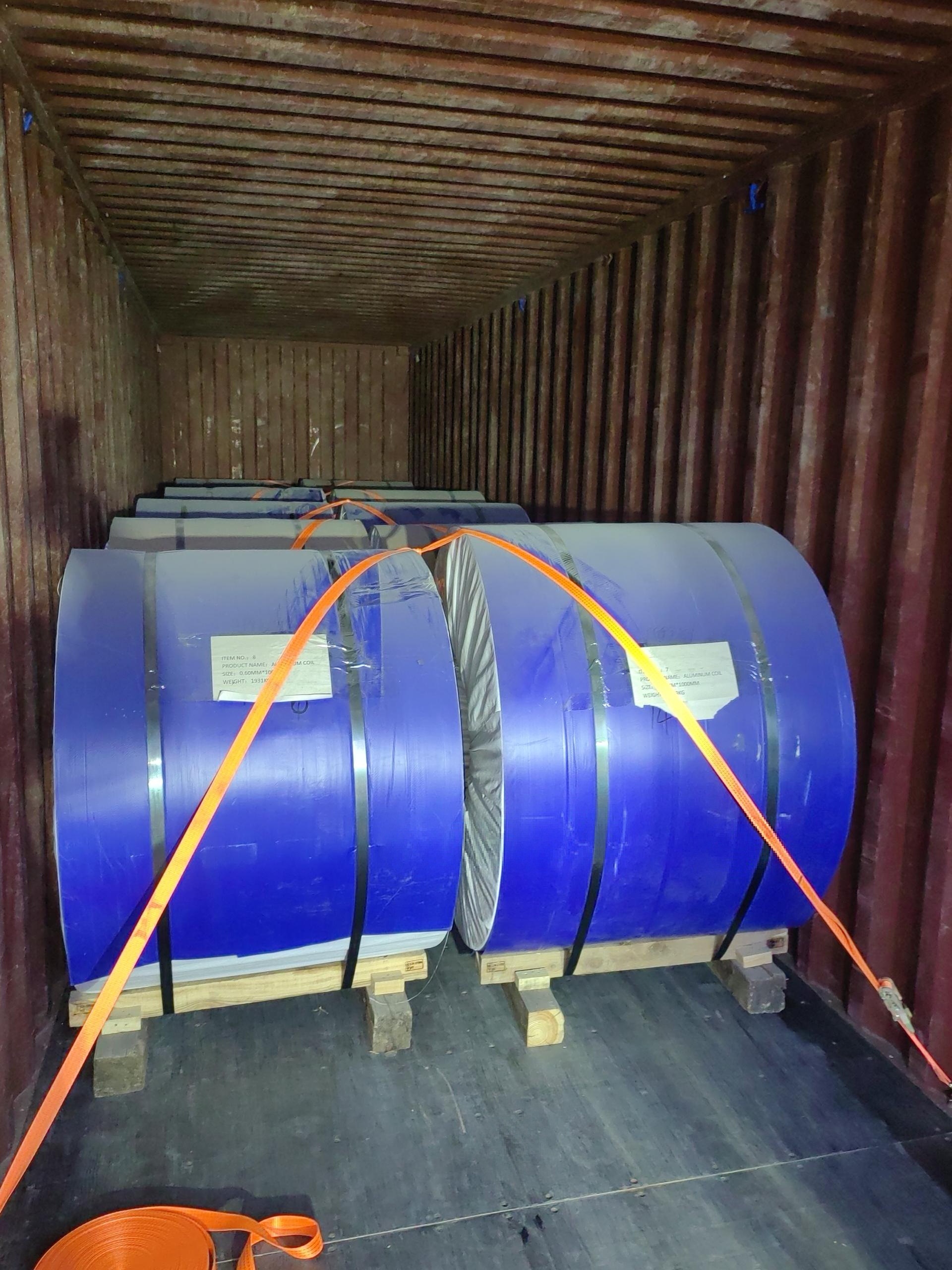
  • Customizable Tempering & Packaging — Tailored hardness, coil weight (50–500 kg), and labeling
  • Competitive Lead Time — 7–10 days for standard orders; 15 days for custom alloys
  • Global Compliance — RoHS, REACH, and UL-certified materials for electronics and automotive use

Technical Support — On-site installation guidance and termination best practices

Applications & Industries

Aluminum wires are used to make steel-core aluminum stranded wires.

Electrical Conductors:

Aluminum wire is widely used in power transmission and distribution, especially in overhead lines like steel-core aluminum cables (ACSR), thanks to its good conductivity, light weight, and cost-effectiveness .
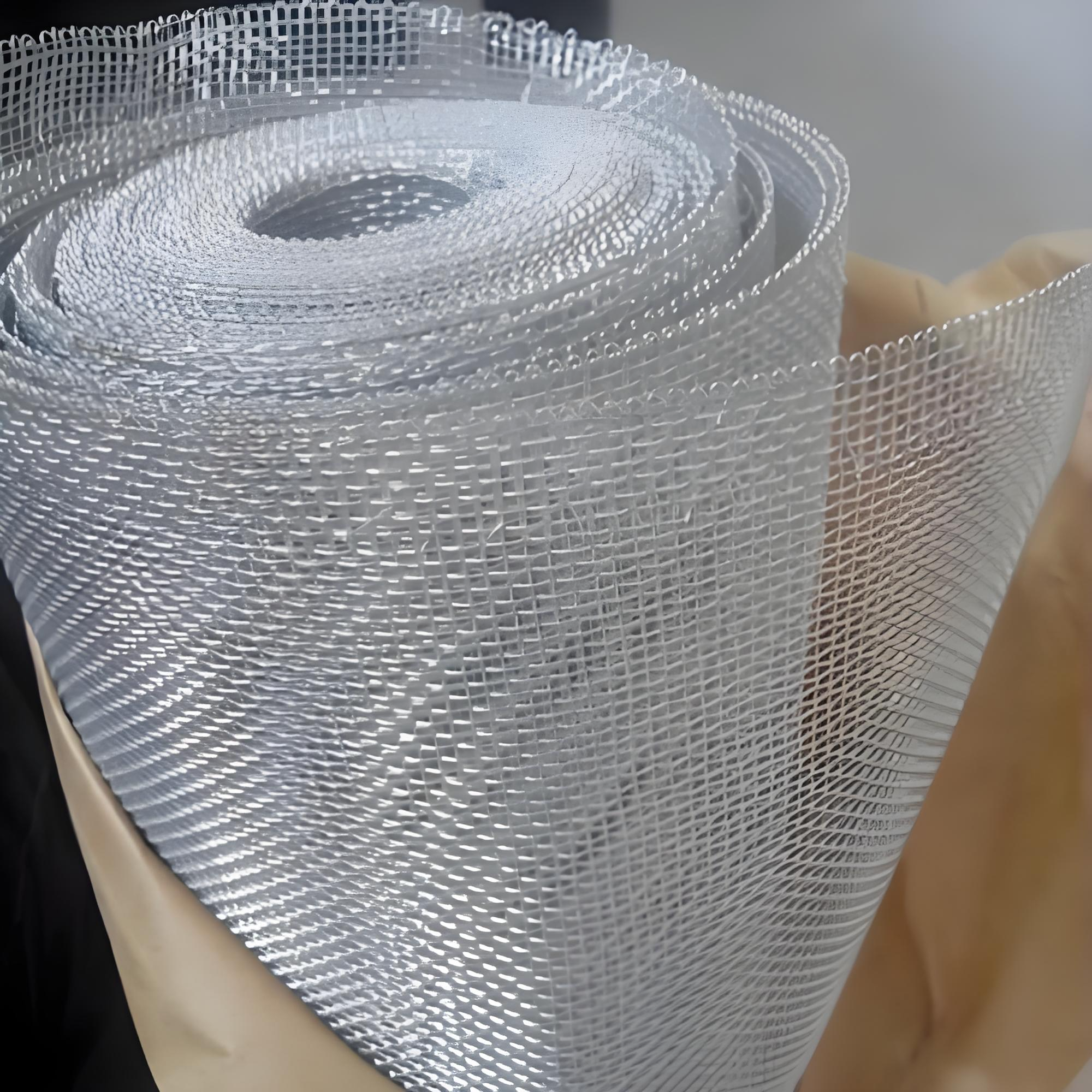
Aluminum wire is made into window screens.

Structural & Construction Applications:

Used in building materials such as aluminum window screens, curtain walls, and aerospace or automotive components due to its high strength-to-weight ratio, corrosion resistance, and durability .
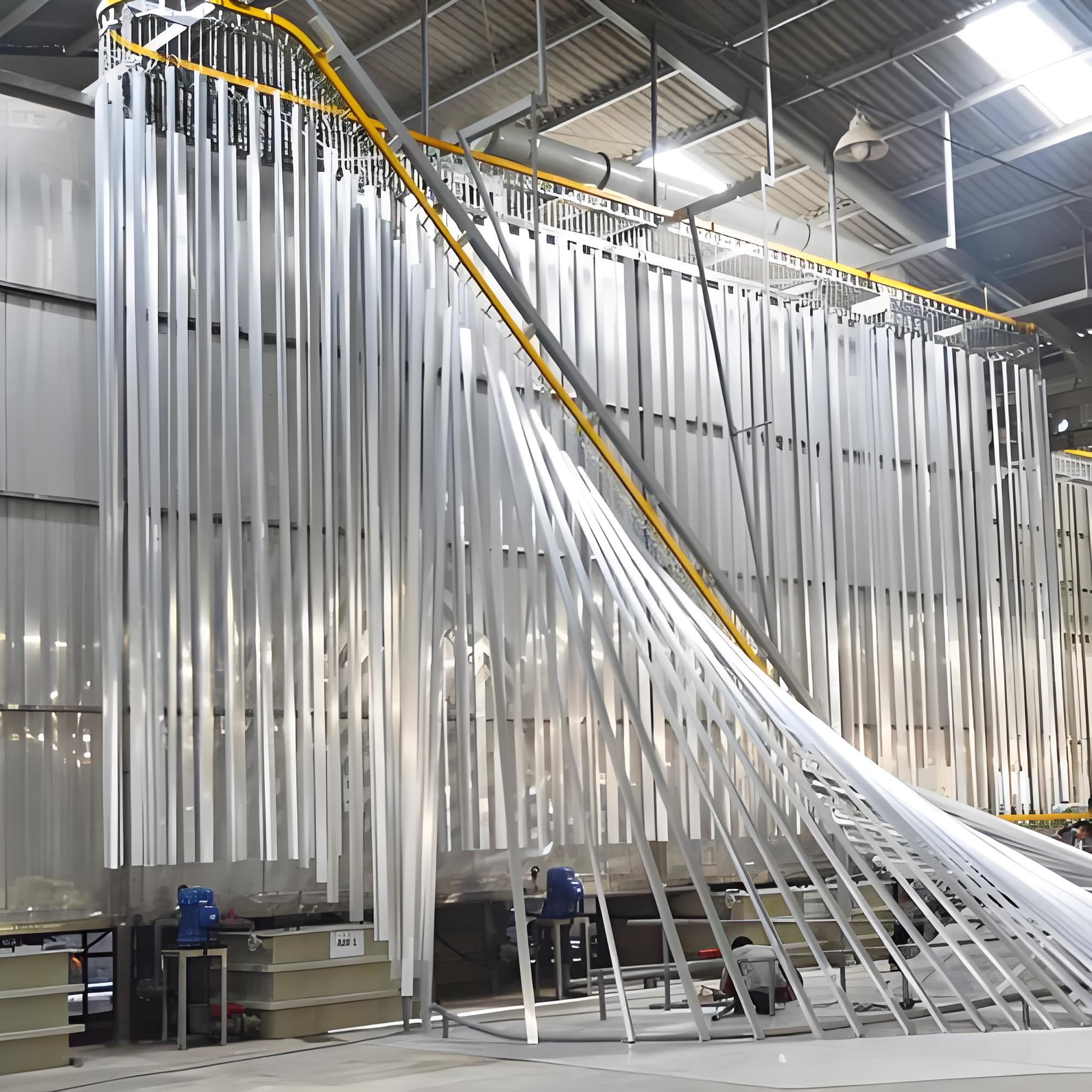
Aluminum wire is used for industrial protection

Packaging and Industrial Uses:

Employed in food and pharmaceutical packaging (e.g., foil wraps), as well as in capacitors, coatings, and spray wires for industrial protection .
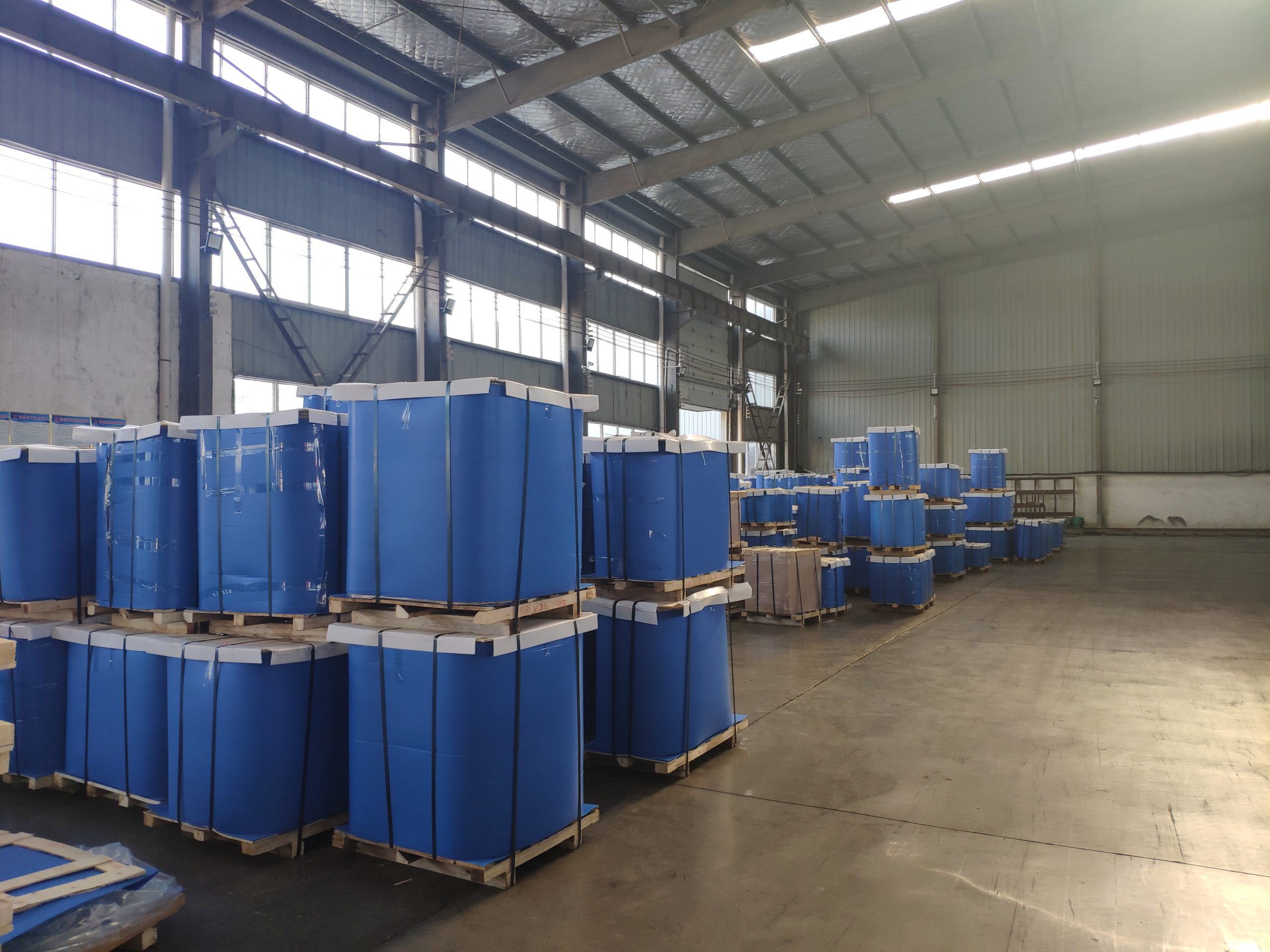
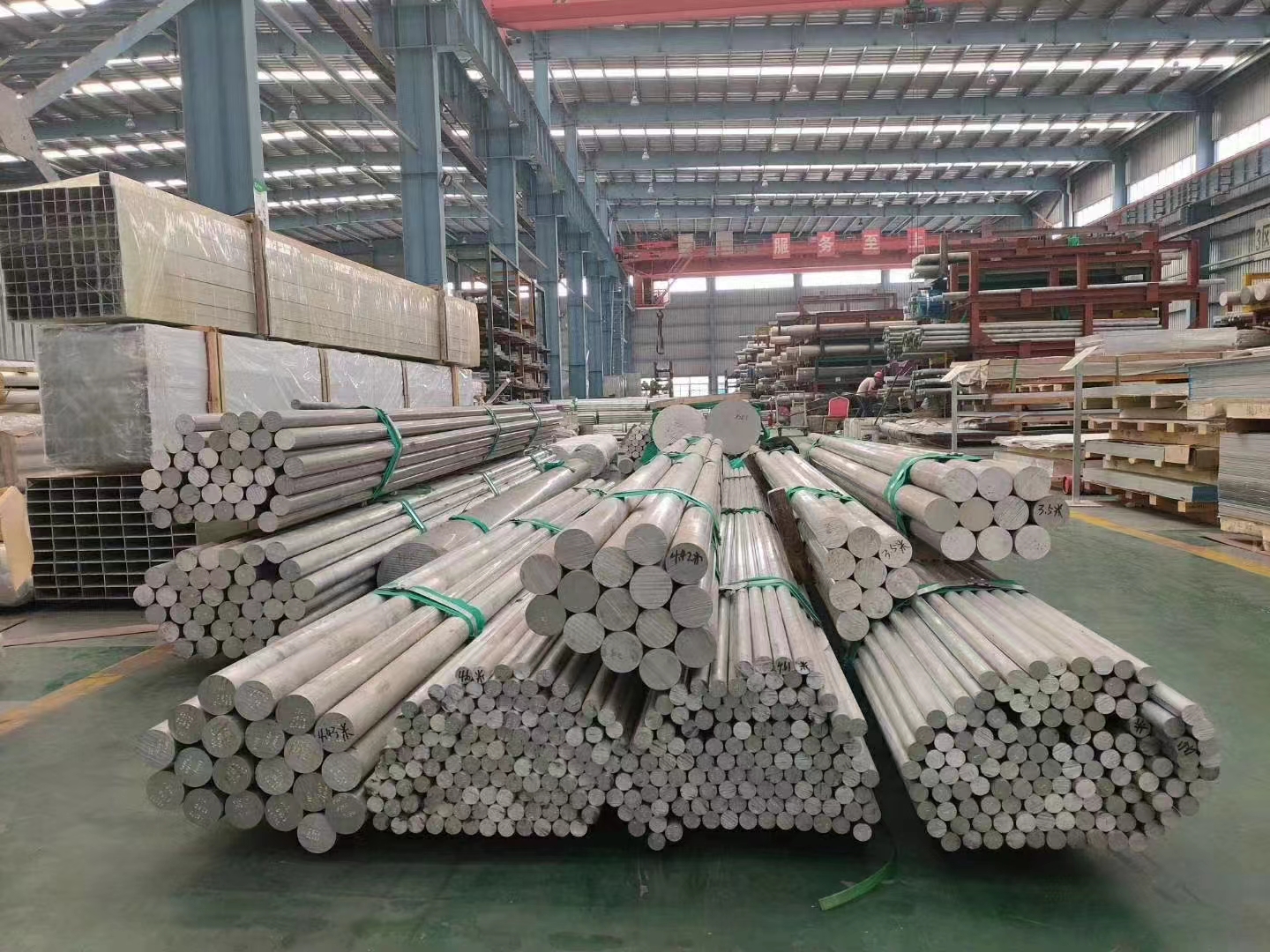
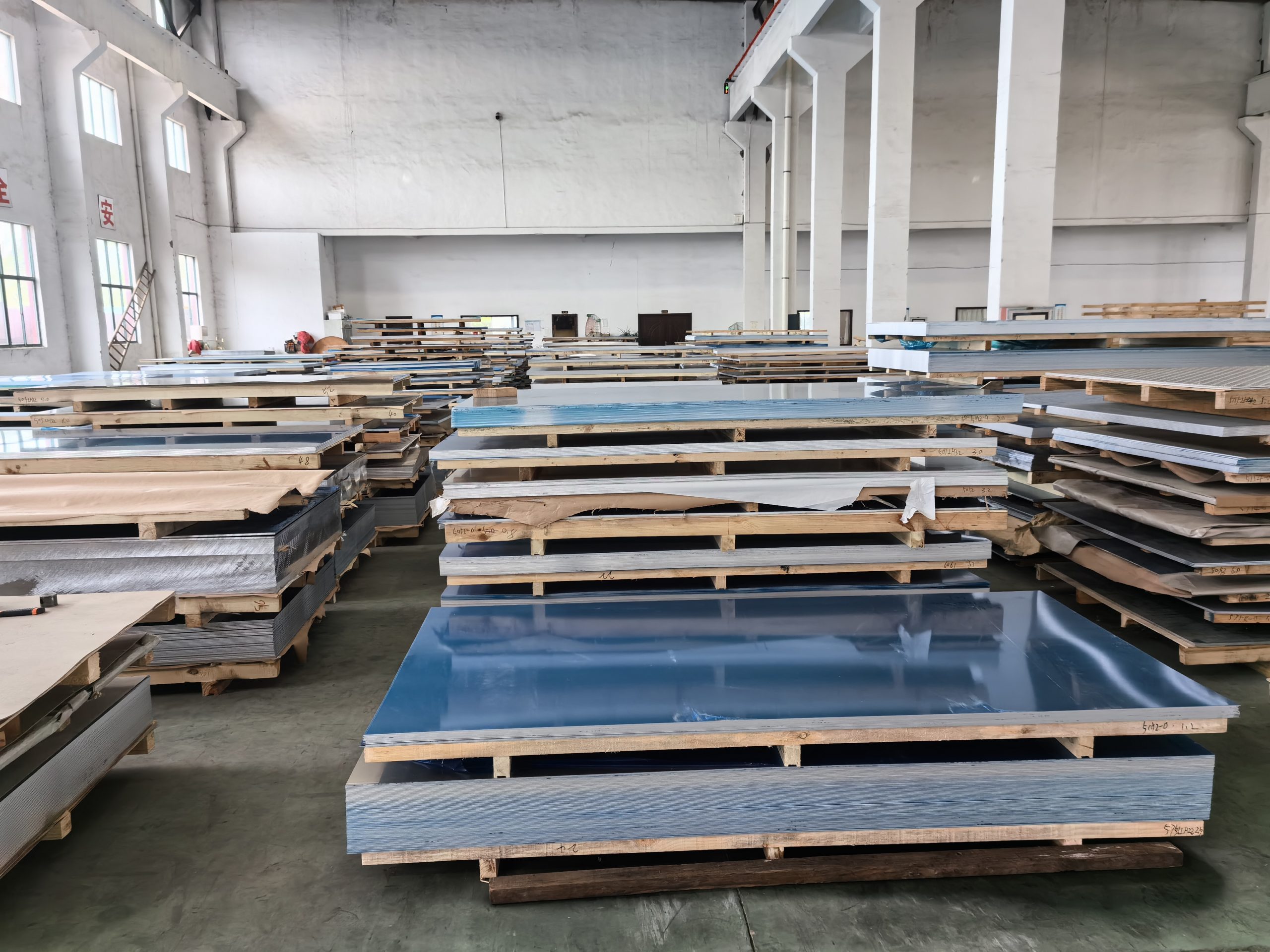
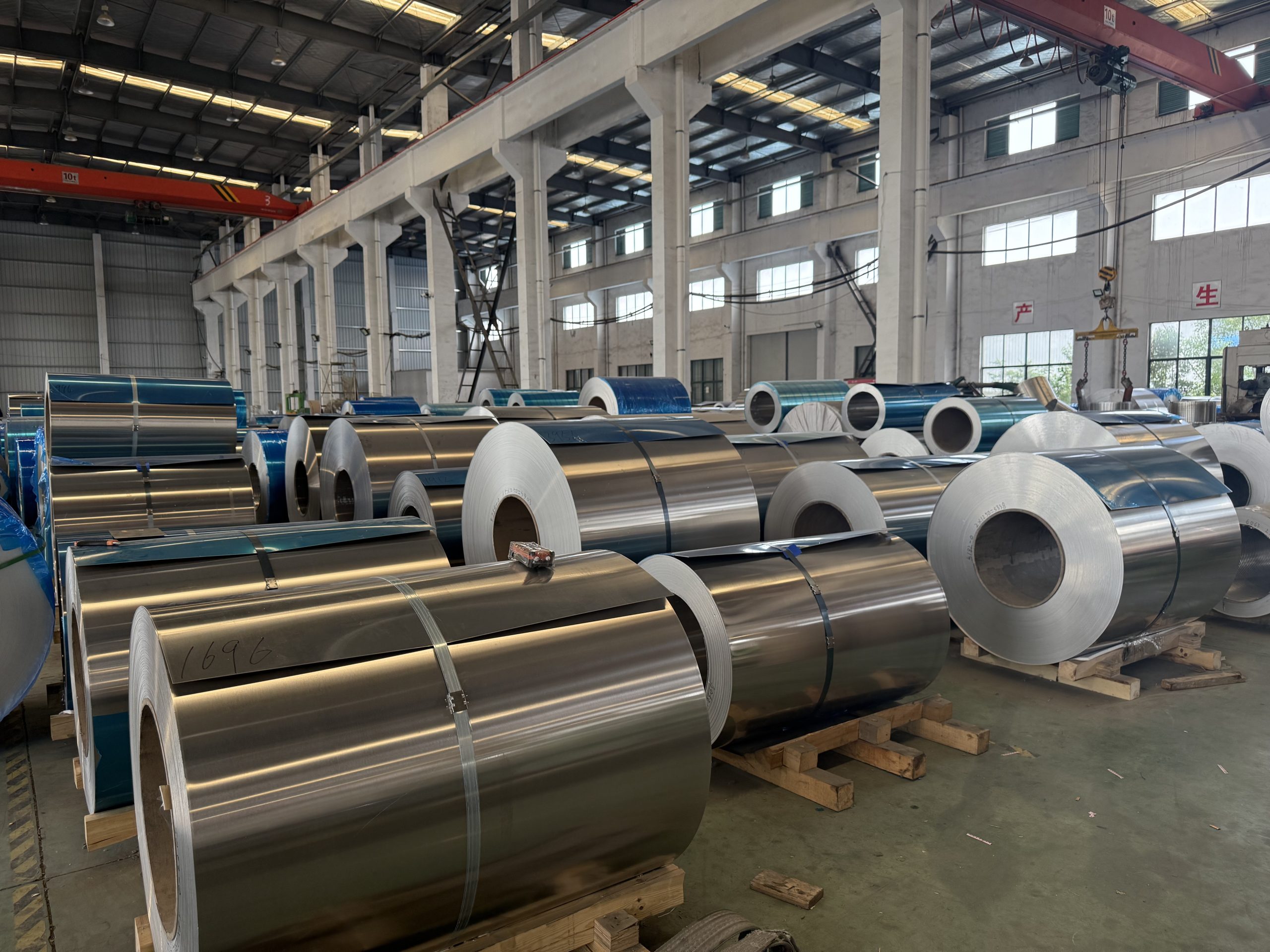
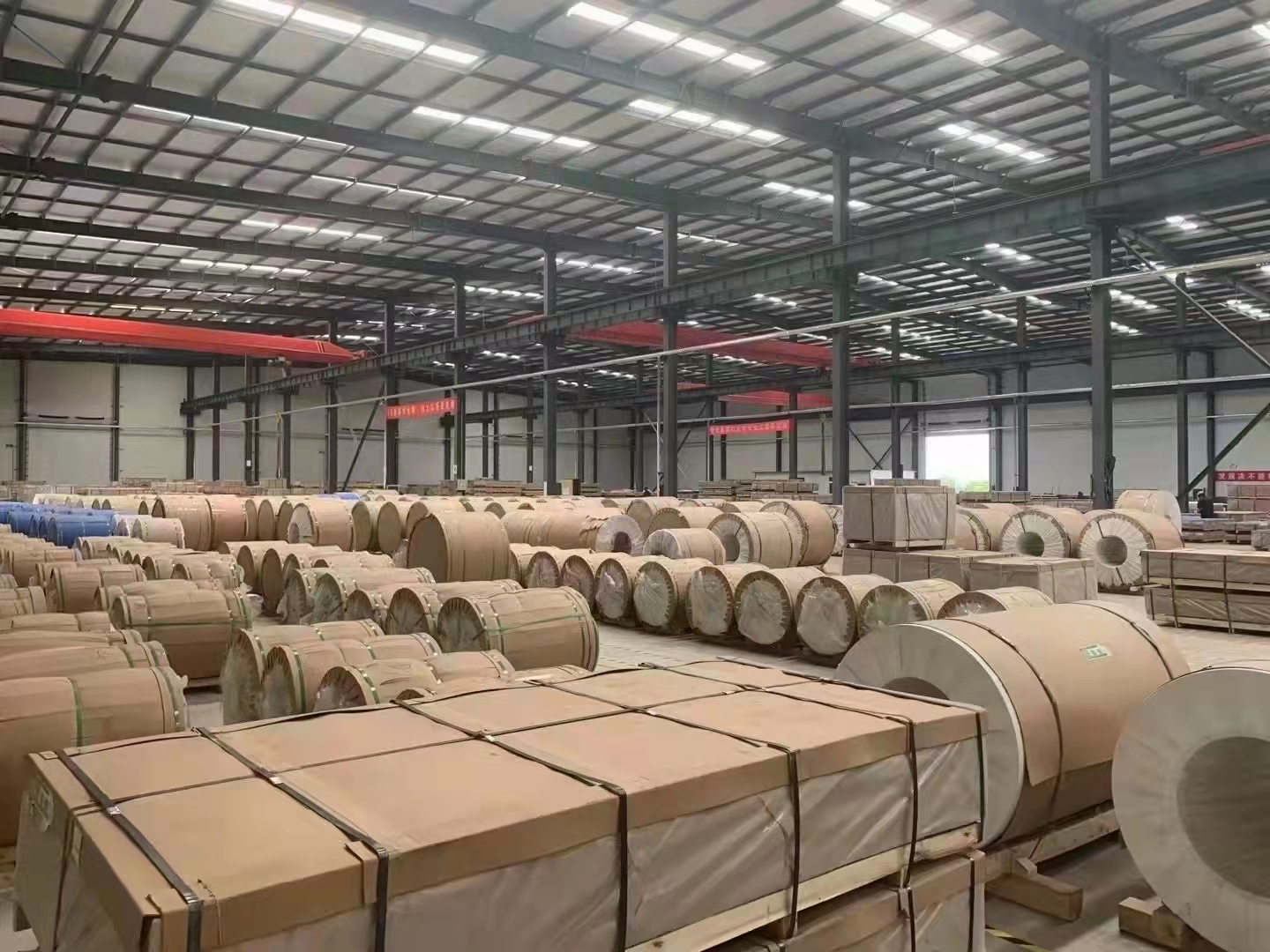
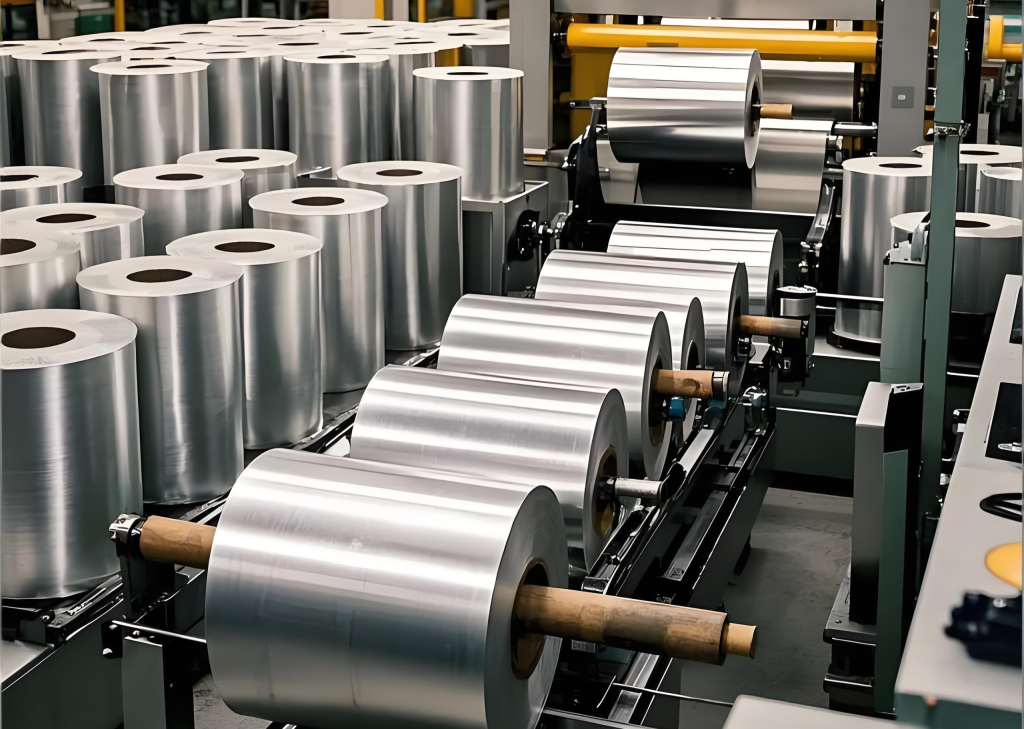
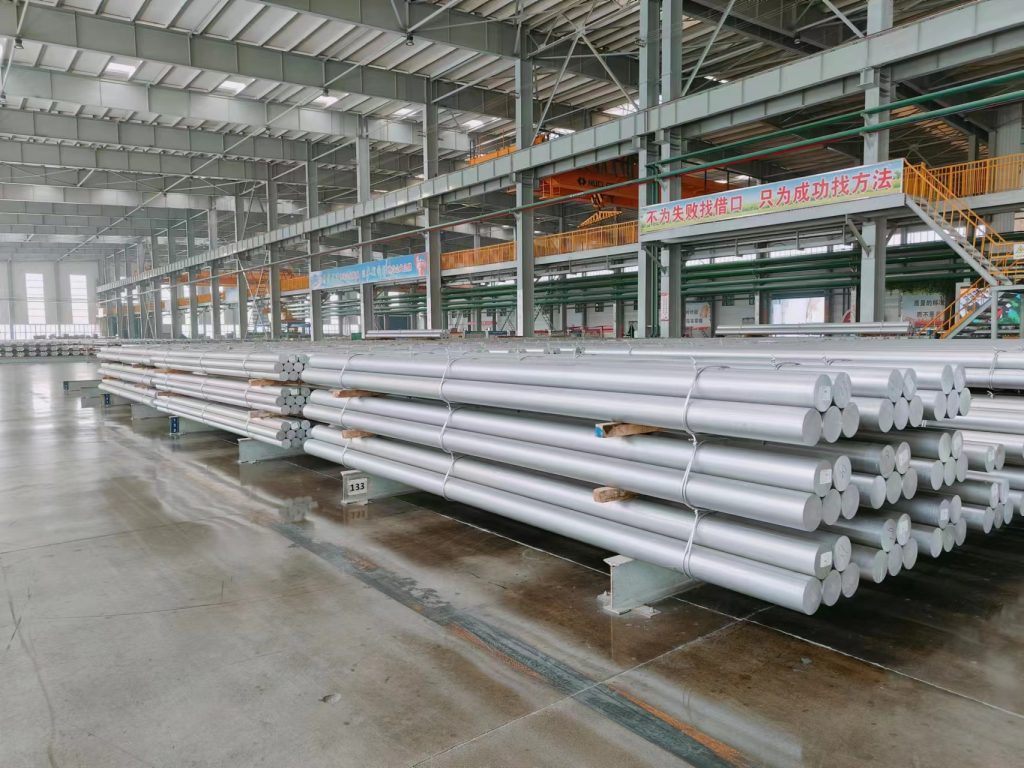
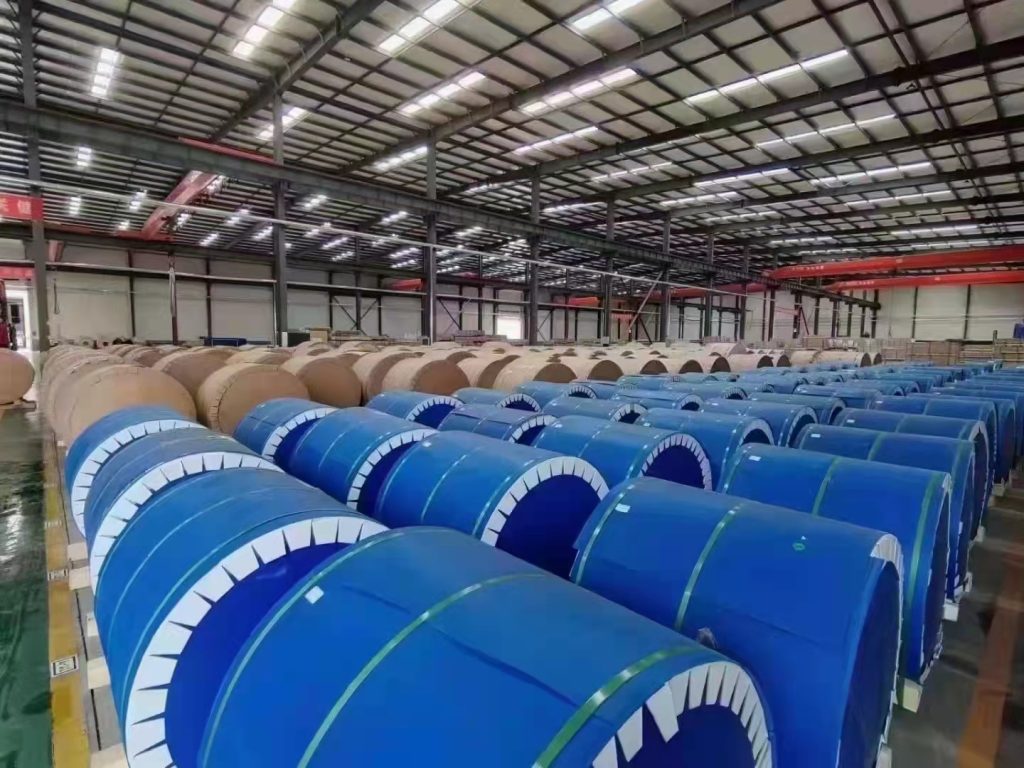
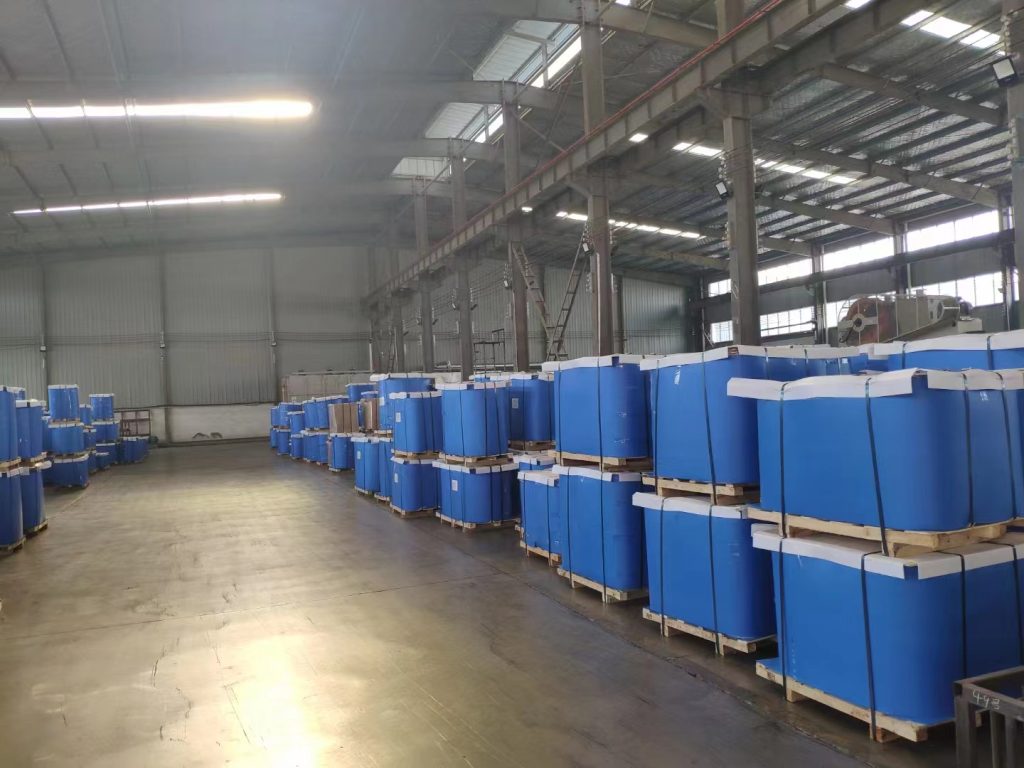
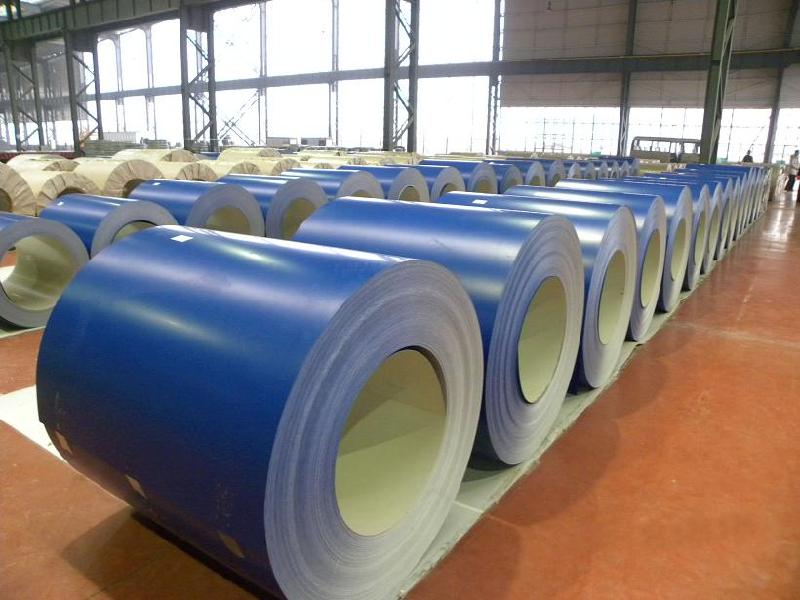
Workshop & Packaging

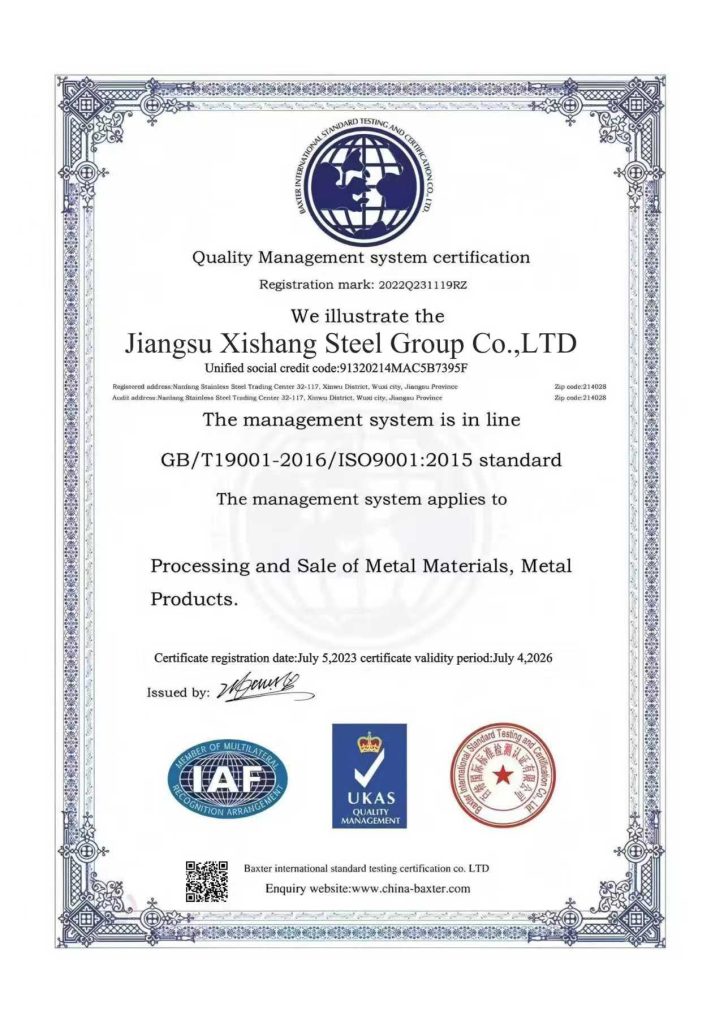
ISO9001-XISHANG
Xishang certificate
IATF certificate

Frequently Asked Questions

Q1: Why does aluminum wire break during drawing?

A: Breakage occurs due to impurities, improper lubrication, excessive reduction per pass, or residual stress from prior annealing. Use controlled multi-stage drawing with intermediate annealing to maintain ductility.

A: Yes, if installed correctly. Use only CO/ALR-rated outlets and connectors. Never use standard copper terminals. Aluminum expands more than copper — loose connections cause overheating. Pig-tailing with copper via approved connectors (e.g., WAGO) is recommended for retrofits.

A: Not with standard tin-lead solder. Use specialized aluminum solder (e.g., zinc-based) or mechanical crimping. Surface oxidation prevents wetting — clean with abrasive pad and apply flux immediately before joining.

A: Aluminum has ~61% of copper’s conductivity. To carry the same current, use a wire with ~56% larger cross-section. However, aluminum’s lower density makes it lighter and more cost-effective for long-distance lines.

A: Exposure to moisture and air forms non-conductive Al₂O₃. Use antioxidant paste (zinc dust in petroleum base) and sealed connectors to prevent this. Never use copper-only terminals.

Ready to source alloy steel from a trusted Chinese manufacturer?

Let us support your project with reliable quality, fast delivery, and expert service.
Get a quote today — we usually respond within 12 hours.

滚动至顶部

Get a quote

Fill out the form and our professional team will contact you within 24 hours.