Titanium Alloys – High Strength, Light Weight, Corrosion Resistance

Titanium alloys for aerospace, marine, chemical, medical, and defense use. Stock of commercial and aerospace grades in sheet, bar, pipe and wire.

What Is Titanium Alloy?

Titanium alloys are metallic materials that combine exceptional strength, low density, and corrosion resistance, ideal for:

Aerospace and aviation components

Marine & seawater environments

 Corrosive chemical processes

 Medical implants and surgical tools

Titanium has a strength-to-weight ratio 2x of steel, and excellent resistance to chloride ion corrosion.

side menu

Optional product specifications

Grade Alloy Composition Application Use
Grade 1 Pure Titanium (softest) Heat exchangers, chemical tanks
Grade 2 Pure Titanium (stronger) Marine, chemical piping
Grade 5 / Ti-6Al-4V Ti + 6% Al + 4% V Aerospace, high-performance parts
Grade 9 Ti + 3% Al + 2.5% V Bike frames, aircraft tubing
Grade 23 Ti-6Al-4V ELI (medical) Implants, surgical instruments
Standards: ASTM B265 / B348 / B338 / B381 / ISO 5832
Forms: Plate, sheet, bar, rod, tube, wire, forgings, discs
Condition: Annealed / pickled / polished / hot forged
Sizes: Plate: 0.5mm – 100mm
Bar: Ø6mm – 200mm
Pipe: Ø6mm – Ø219mm (Welded or Seamless)
Wire: Ø0.5mm – 6mm

Applications

Titanium alloy products occupy an important position in modern industry due to their unique performance characteristics. The following details their performance characteristics and applications.

1. Performance Characteristics

1.1 High Strength and Lightweight

The density of titanium alloys is approximately 4.5 g/cm³, only 60% of that of steel, yet its strength approaches or exceeds that of some alloy steels, making it an ideal material for lightweight designs.

1.2 Corrosion Resistance

Titanium alloys exhibit excellent corrosion resistance in humid air, seawater, and various chemical media, far superior to stainless steel.

1.3 High Temperature Resistance

Titanium alloys maintain high strength and stability at high temperatures, making them suitable for high-temperature environments.

1.4 Biocompatibility

Titanium alloys are non-toxic and biocompatible, widely used in the medical field.

1.5 Non-magnetic

Titanium alloys are non-magnetic, suitable for equipment sensitive to magnetism.

1.6 Machining Difficulty

The machining of titanium alloys is relatively difficult, requiring special processes and equipment, but this can be optimized through techniques such as powder metallurgy.

2. Applications

2.1 Aerospace

Titanium alloys are used in aircraft structural components, engine parts, etc., to reduce weight and improve fuel efficiency.

2.2 Medical Field

Titanium alloys are used in the manufacture of artificial joints, dental implants, etc., due to their biocompatibility and corrosion resistance.

2.3 Marine Engineering

Titanium alloys are used in seawater desalination equipment, submarines, etc., to resist seawater corrosion.

2.4 Automotive Industry

Titanium alloys are used in the manufacture of high-performance automotive parts, such as engine connecting rods and exhaust systems, to improve vehicle performance.

2.5 Sporting Goods

Titanium alloys are used in the manufacture of golf clubs, bicycle frames, etc., combining lightweight and high strength.

2.6 Chemical Equipment

Titanium alloys are used in the manufacture of reactors, heat exchangers, etc., to resist chemical corrosion.

3. Summary

Titanium alloys, with their lightweight, high strength, and corrosion resistance, are widely used in aerospace, medical, and marine engineering fields. Although processing costs are relatively high, their comprehensive performance makes them an indispensable material in modern industry. In the future, with technological advancements, the application scope of titanium alloys will be further expanded.

Processing & Packaging

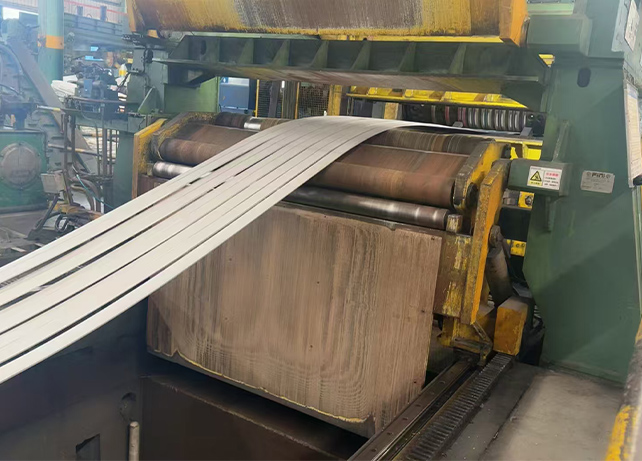
slitting&cutting

Annealing, hot rolling, CNC machining available

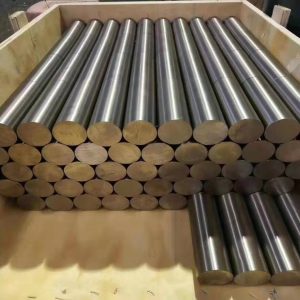
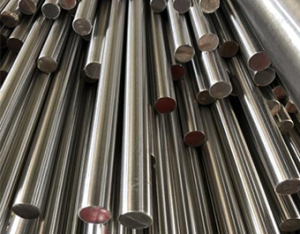
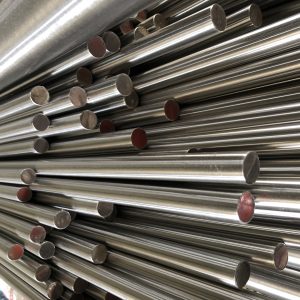
alloy bars

Bright, pickled, polished, embosssed or sandblasted surfaces

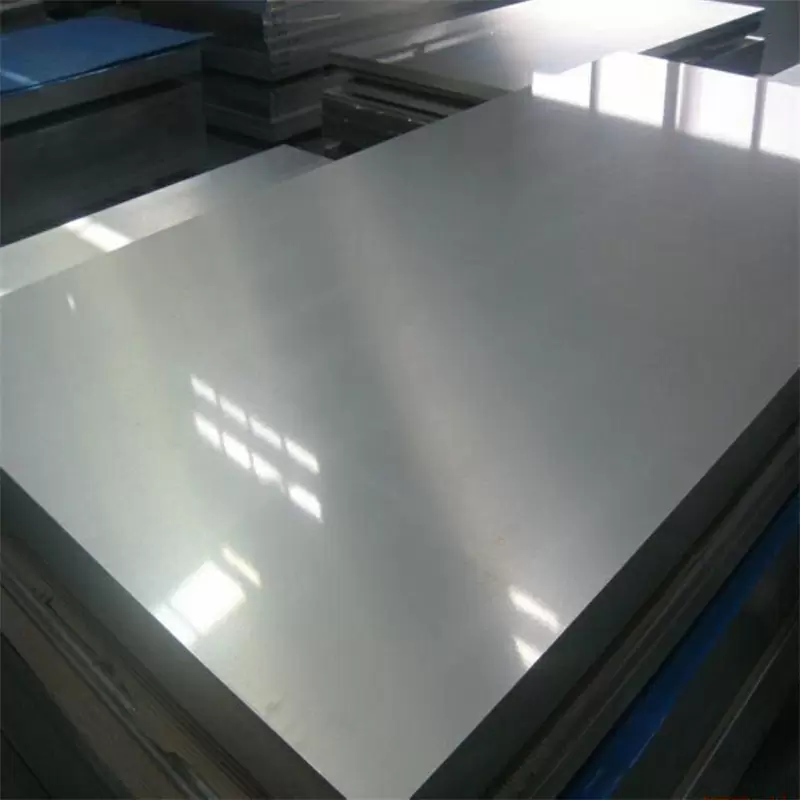
mirror stainless steel plates

Custom cut-to-size with ±0.1mm tolerance

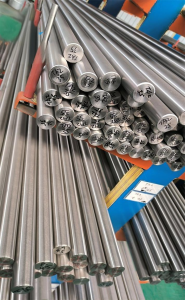
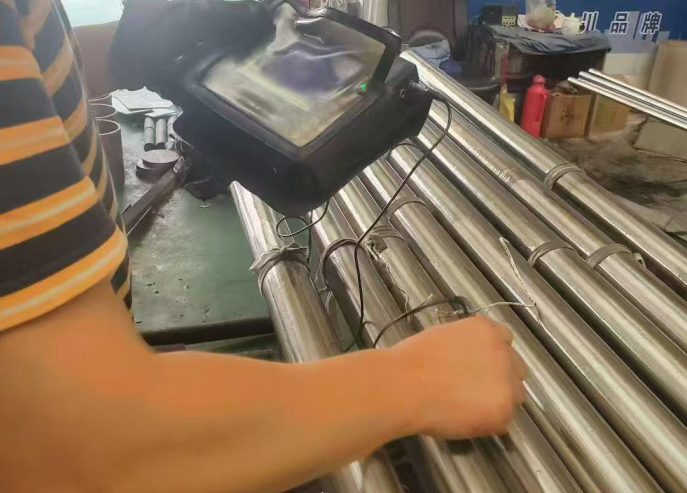
Alloy rod inspection

PMI & ultrasonic testing for internal soundness

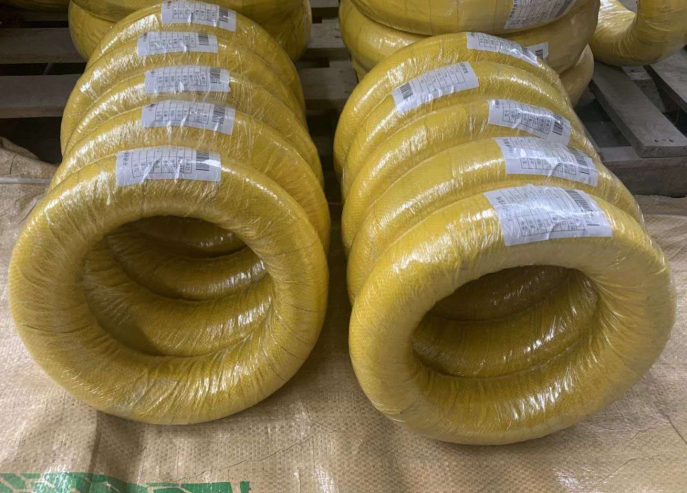
allloy wires with woven bags wrapped

Marking: grade + heat no. + batch + QR code

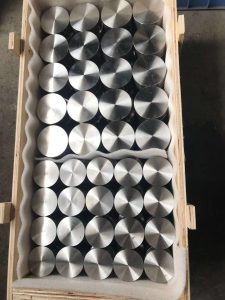
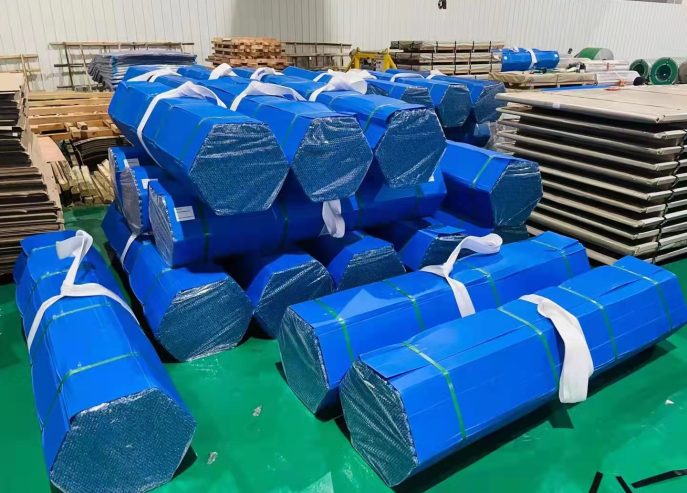
alloy bars with woven bags wrapped

Packaging: vacuum wrap / wooden case / export crates

Why Buy From Xishang?

Frequently Asked Questions

Q1: What is the difference between Grade 2 and Grade 5 titanium?

A:

Grade 2 is commercially pure, good for corrosion resistance. Grade 5 (Ti-6Al-4V) offers higher strength, ideal for structural aerospace or medical parts.

A:

Yes, we offer Ti-6Al-4V ELI (Grade 23) with ASTM F136 / ISO 5832-3 certification for implants.

A:

Absolutely. Tubes can be supplied welded/seamless, with testing per ASME B31.3 or EN standards.

A:

We offer tight CNC and lathe machining tolerances, including H7/H8 fits for shafts or surgical components.

A:

Yes. We support low MOQ (10kg–50kg) and offer door-to-port or door-to-door shipping.

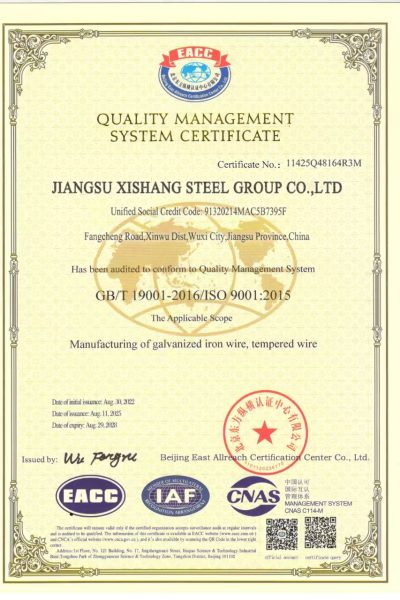
Xishang certificate
XISHANG STEEL ISO9001

Whether for aerospace, medical, or marine needs

Xishang delivers titanium alloy materials with full certification and machining support to meet your exact requirements.
滚动至顶部

Get a quote

Fill out the form and our professional team will contact you within 24 hours.