- You are here:
- Home /
- Products /
- Alloy Steel /
- Titanium Alloys /
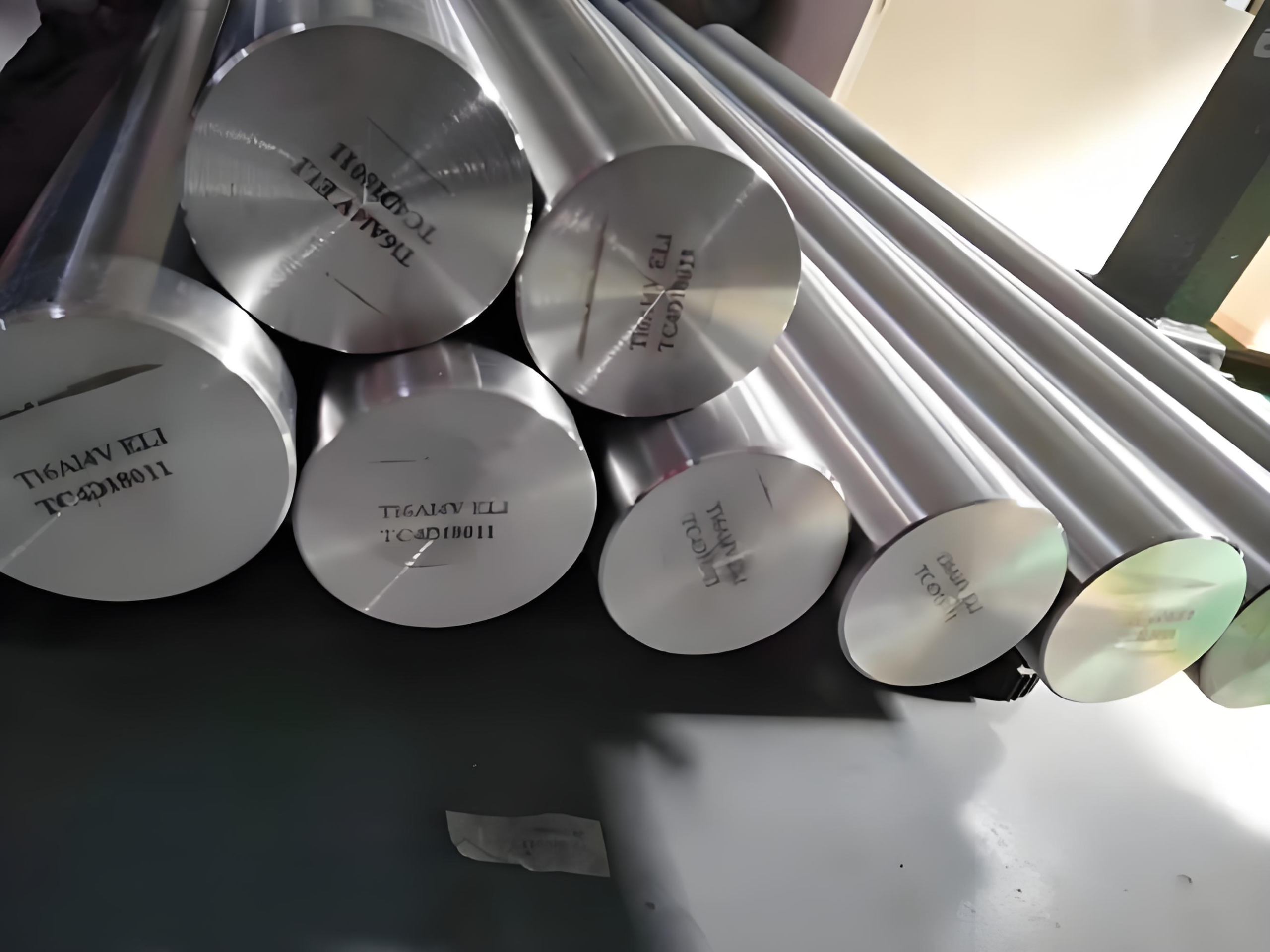
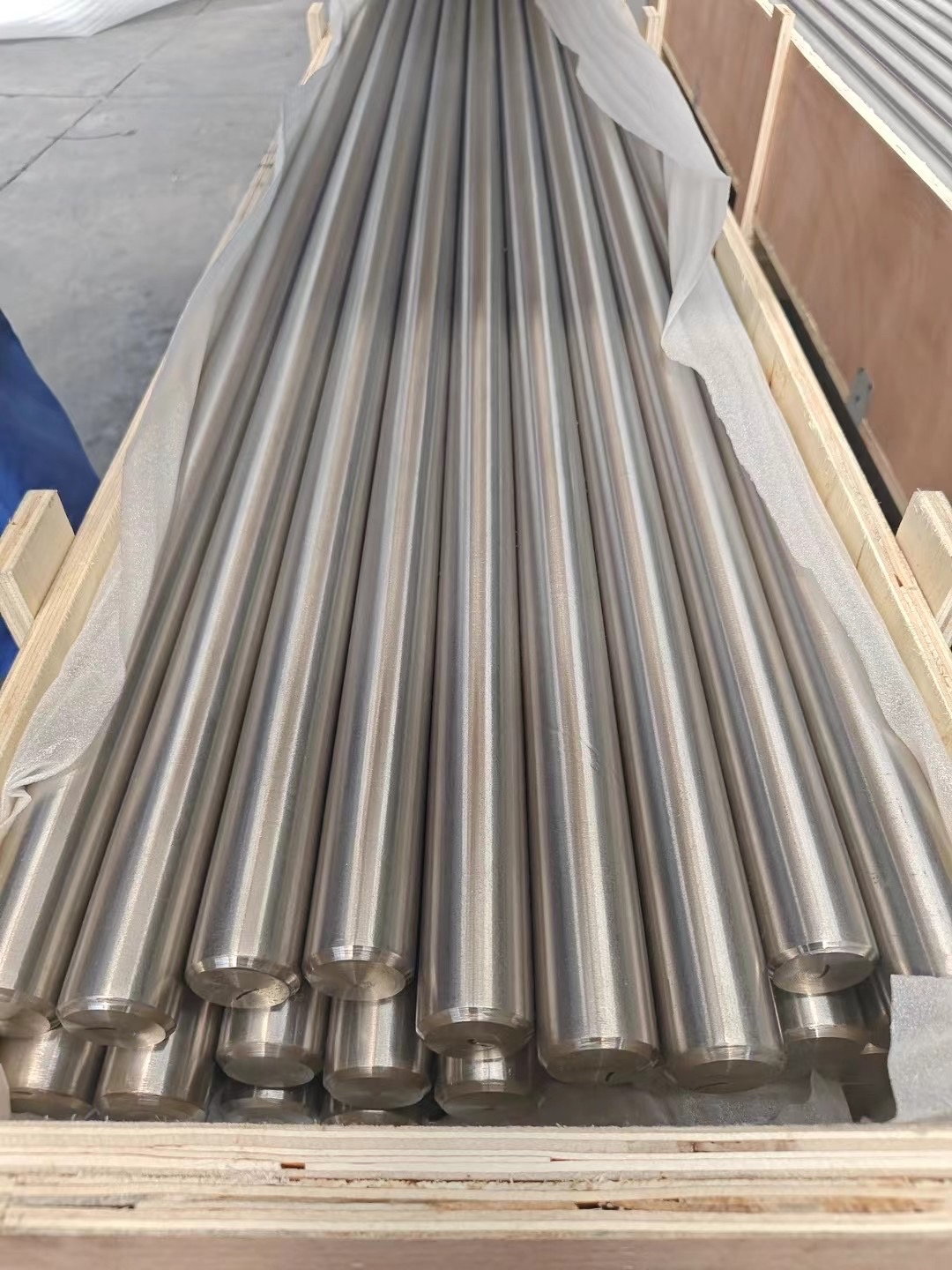
TC4 (Grade 5) Titanium Alloy Rods
Premium α+β phase titanium alloy rods for high-strength, corrosion-resistant applications.
- Superior Strength-to-Weight Ratio: Density of 4.44 g/cm³ with tensile strength ≥895 MPa.
- Excellent Corrosion Resistance: Stable in acidic/alkaline environments and body fluids.
- Biocompatibility: ISO 5832-3 and ASTM F136 compliant for medical implants.
- Thermal Stability: Serviceable up to 400°C long-term.
- Dual-Phase Microstructure: Optimized α+β phase distribution through controlled processing.
Chemical Composition (wt%)
Element | Content (wt%) | Function |
Ti | Balance | Matrix |
Al | 5.5–6.8 | α stabilizer, enhances strength |
V | 3.5–4.5 | β stabilizer, improves ductility |
Fe | ≤0.30 | Impurity control |
C | ≤0.10 | Prevents carbide formation |
O | ≤0.20 | Controls interstitial strength |
N | ≤0.05 | Minimizes brittleness |
H | ≤0.015 | Avoids hydrogen embrittlement |
Core characteristics and performance advantages of TC4 titanium alloy rod
TC4 titanium alloy rod (Ti-6Al-4V) is an α+β type duplex titanium alloy, composed of about 90% titanium, 6% aluminum and 4% vanadium. Its density is only 4.43-4.51 g/cm³, which is 40%-50% lighter than steel, but its tensile strength is as high as 895-965 MPa and its yield strength is 800-880 MPa. Its specific strength (ratio of strength to density) is significantly better than that of alloy steel.
Excellent mechanical and environmental adaptability
(1) Lightweight and high strength: The combination of low density and high strength makes it an ideal material for aerospace, racing and other fields, which can significantly reduce the weight of the structure while maintaining its load-bearing capacity.
(2) Corrosion resistance: It can form a dense oxide film in seawater, strong acid and chloride environments, with a corrosion resistance more than 5 times that of stainless steel, making it suitable for chemical and marine engineering.
(3) Stability over a wide temperature range: The operating temperature range is -100°C to 550°C, with excellent toughness at low temperatures and over 80% strength retention at high temperatures, making it suitable for extreme environments.
Processing and biocompatibility
(1) Processing technology: It supports forging, welding, CNC and 3D printing, but requires carbide tools to reduce wear.
(2) Biocompatibility: It has passed ISO 13485 certification, is non-toxic and non-magnetic, and is widely used in orthopedic implants and dental implants.
Typical application areas
(1) Aerospace: engine blades, fuselage frames, satellite brackets, etc., which can reduce weight by 25%-30% through SPF/DB process.
(2) Medical and consumer electronics: artificial joints, high-end mobile phone casings, which have both strength and biosafety.
(3) High-end manufacturing: racing exhaust systems, drone frames, which use their anti-fatigue properties to extend component life.
Surface Treatment
- Mechanical Polishing: Mirror finish (Ra ≤0.2μm) for medical/optical uses.
- Anodizing: Colored oxide layers (gold/purple/blue) for identification & wear resistance.
- Sandblasting: Matte texture (Ra 1.6–3.2μm) for improved adhesion in coatings.
- Sandblasting: Matte texture (Ra 1.6–3.2μm) for improved adhesion in coatings.
Why Choose Us ?
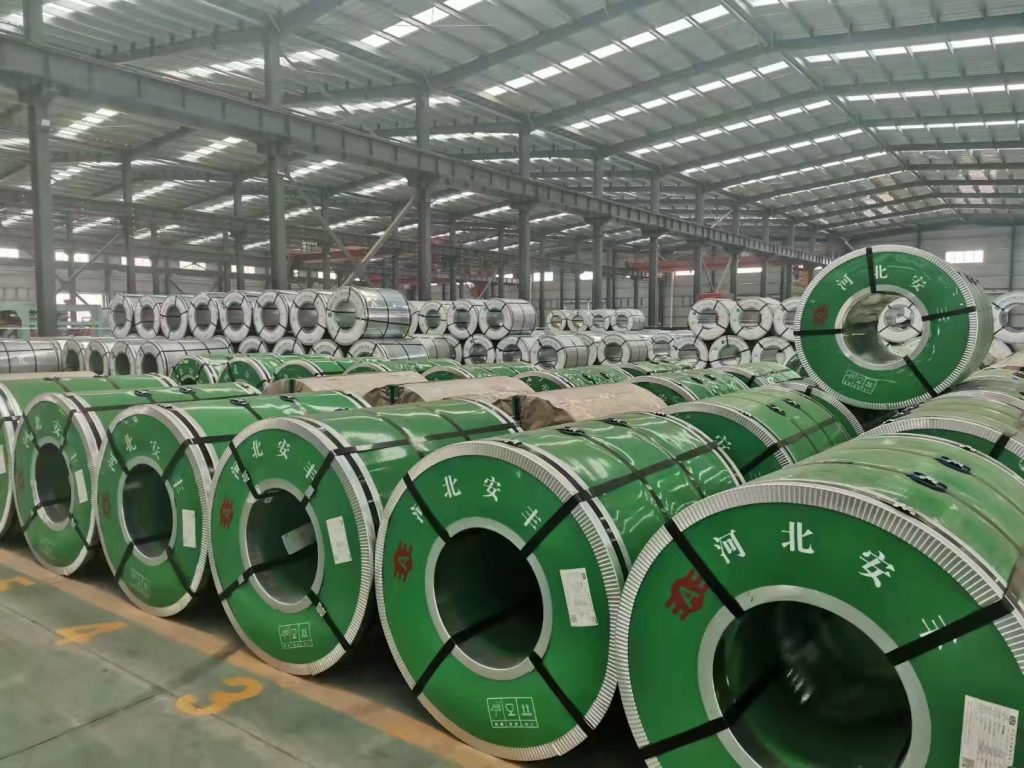
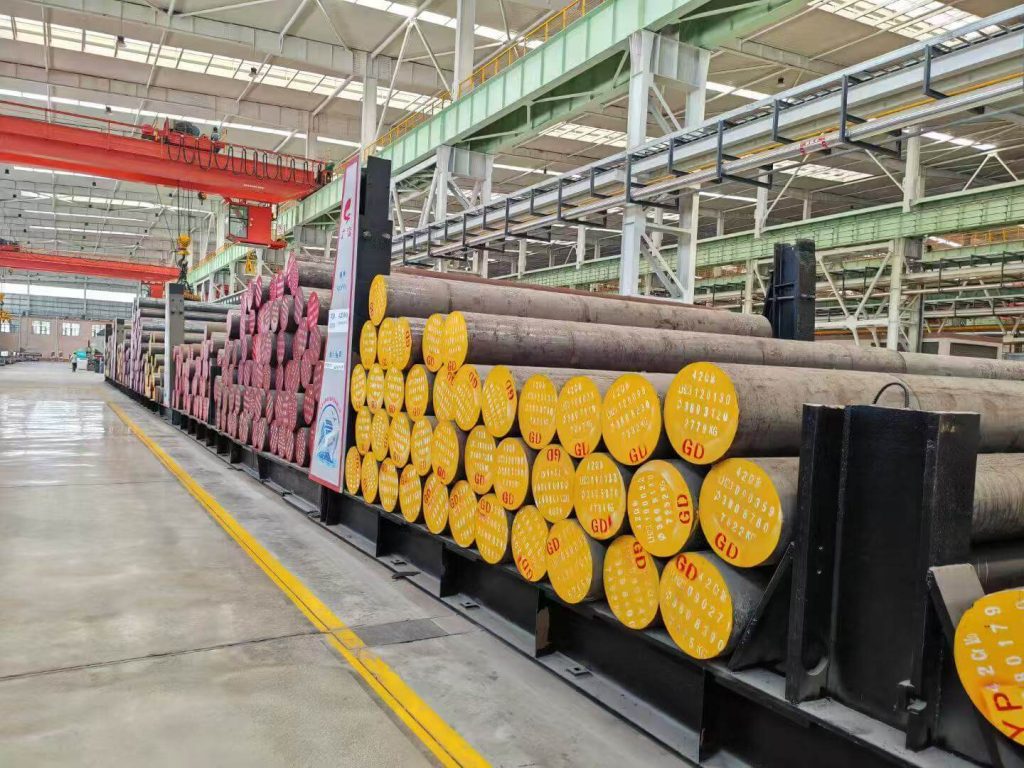
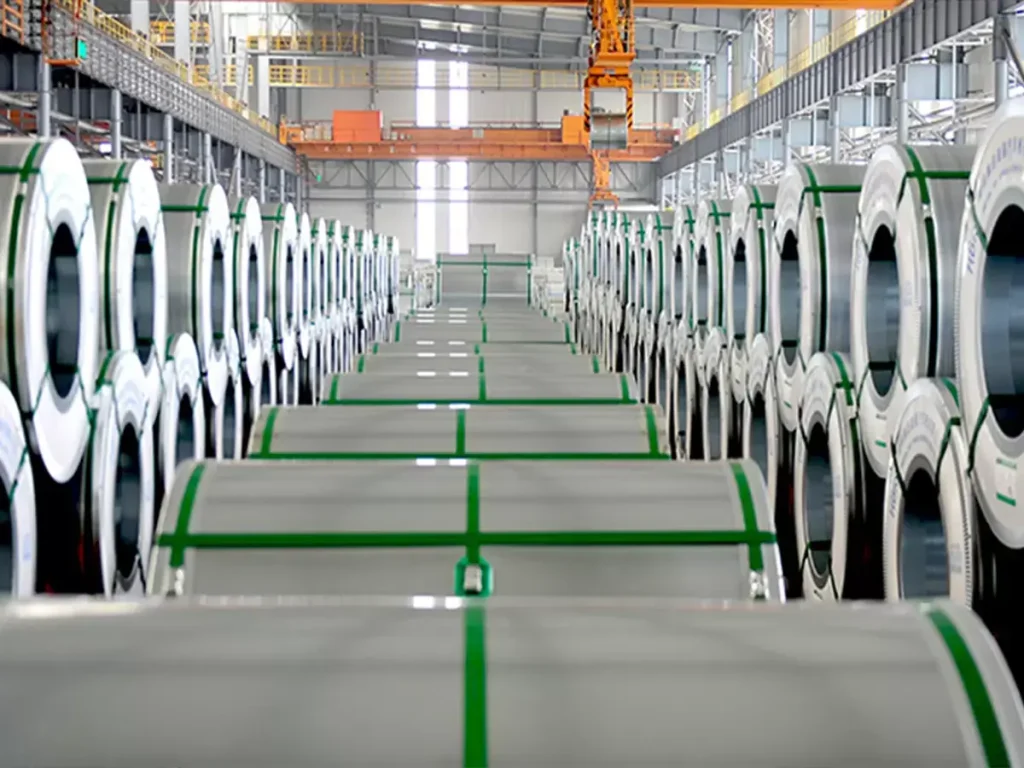
- Triple Vacuum Arc Remelting: Ensures ≤0.005% impurity levels.
- ISO 9001/13485 Certified: Full traceability from sponge to finished rods.
- Custom Sizing: Diameters 3–300mm, lengths up to 6m.
- NDT Guarantee: 100% ultrasonic testing (ASTM B348).
Applications & Industries
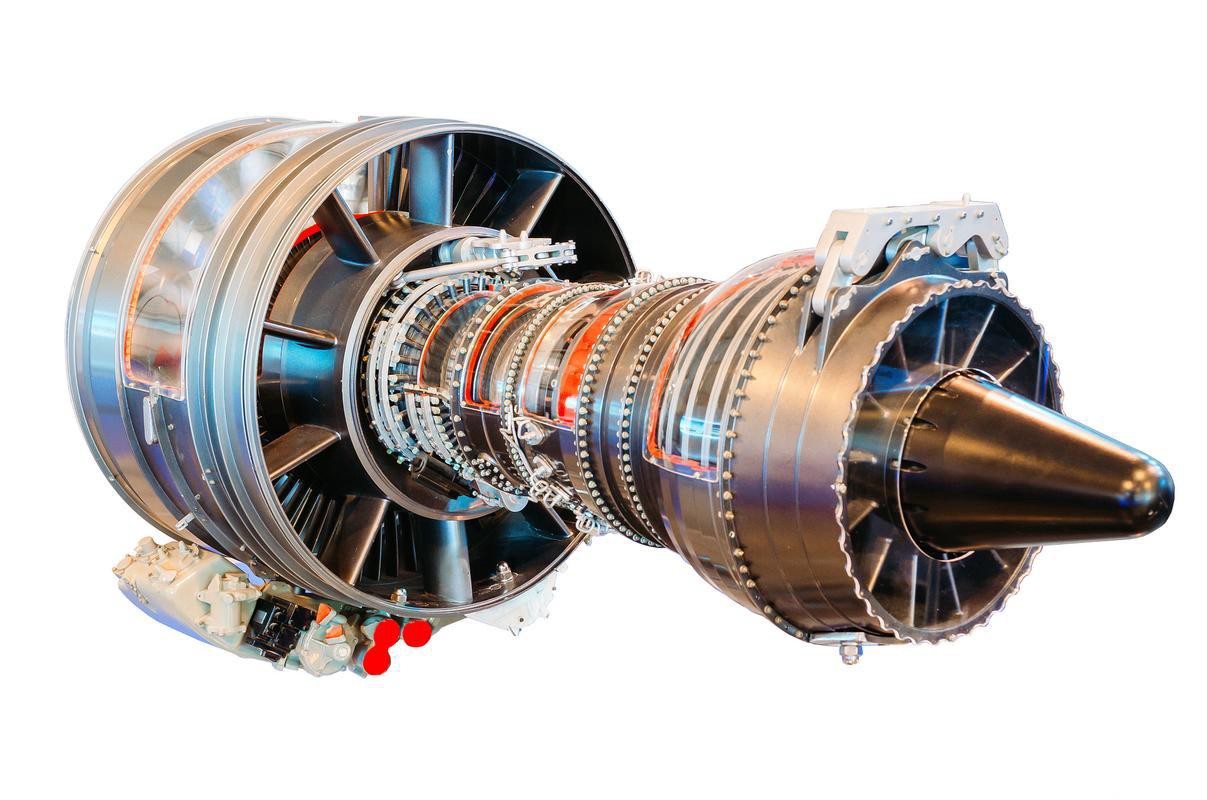
Aerospace:
The fan, compressor disc, and blades of an aircraft engine, as well as load-bearing components such as beams, joints, and bulkheads in the aircraft structure.
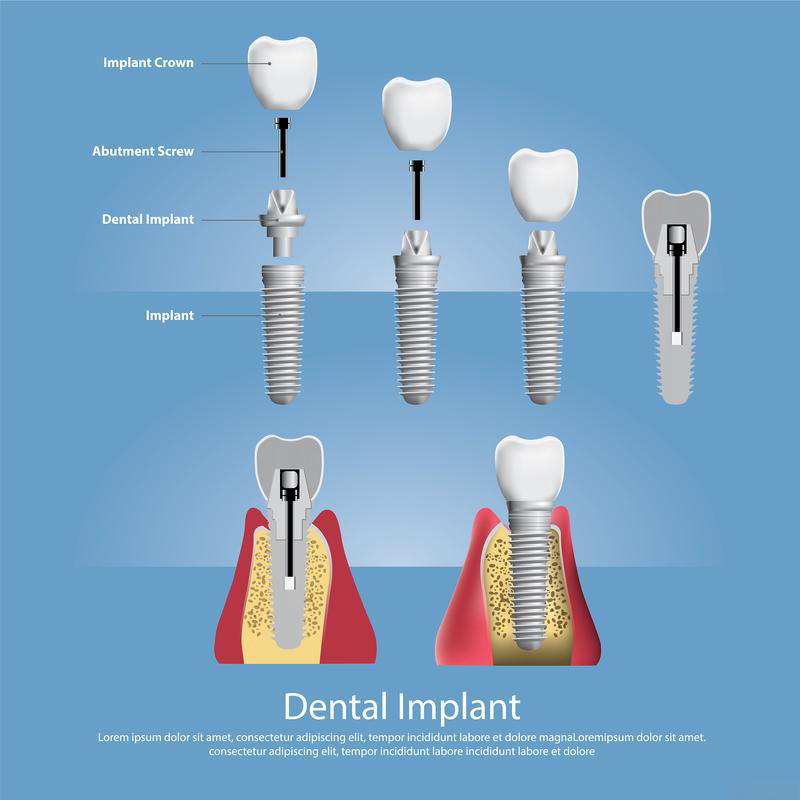
Medical field:
Used in the manufacture of medical devices such as artificial joints, dental implants, and cardiovascular stents.
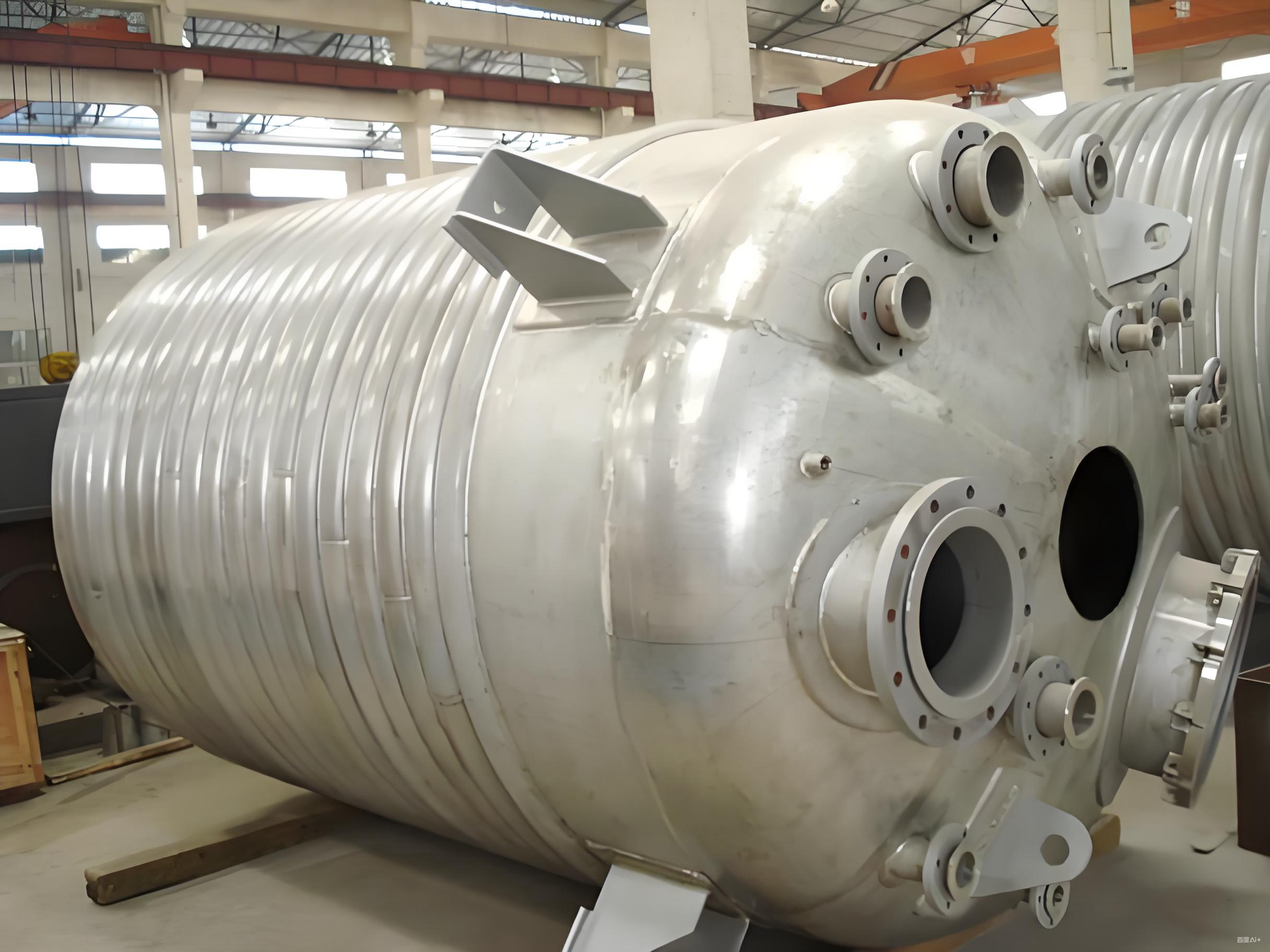
Chemical and Marine Engineering:
Manufacturing reactors, heat exchangers, pipelines, etc., resistant to seawater, chlorides, and acidic media corrosion.
Frequently Asked Questions
Q1: How does TC4 compare to pure titanium?
A: 2× higher strength than Grade 2 Ti while maintaining corrosion resistance.
Q2: Maximum continuous service temperature?
A: 400°C (750°F) for structural applications.
Q3: Can TC4 rods be welded?
A: Yes, via TIG/GTAW with ERTi-5 filler wire under argon shielding.
Q4: Lead time for custom sizes?
A: 7-15 days depending on diameter tolerance.
Q5: What industry standards does TC4 titanium alloy comply with?
A: TC4 titanium alloy rods widely follow ASTM and AMS standards, such as:
- ASTM B862: Covers chemical composition, mechanical properties, and heat treatment requirements for titanium and titanium alloy bars.
- AMS 4901: Specifically for titanium alloy bars in the aerospace sector, emphasizing higher purity and uniformity.
Ready to source alloy steel from a trusted Chinese manufacturer?
Let us support your project with reliable quality, fast delivery, and expert service.
Get a quote today — we usually respond within 12 hours.