- You are here:
- Home /
- Products /
- Alloy Steel /
- Hydropower Steel /
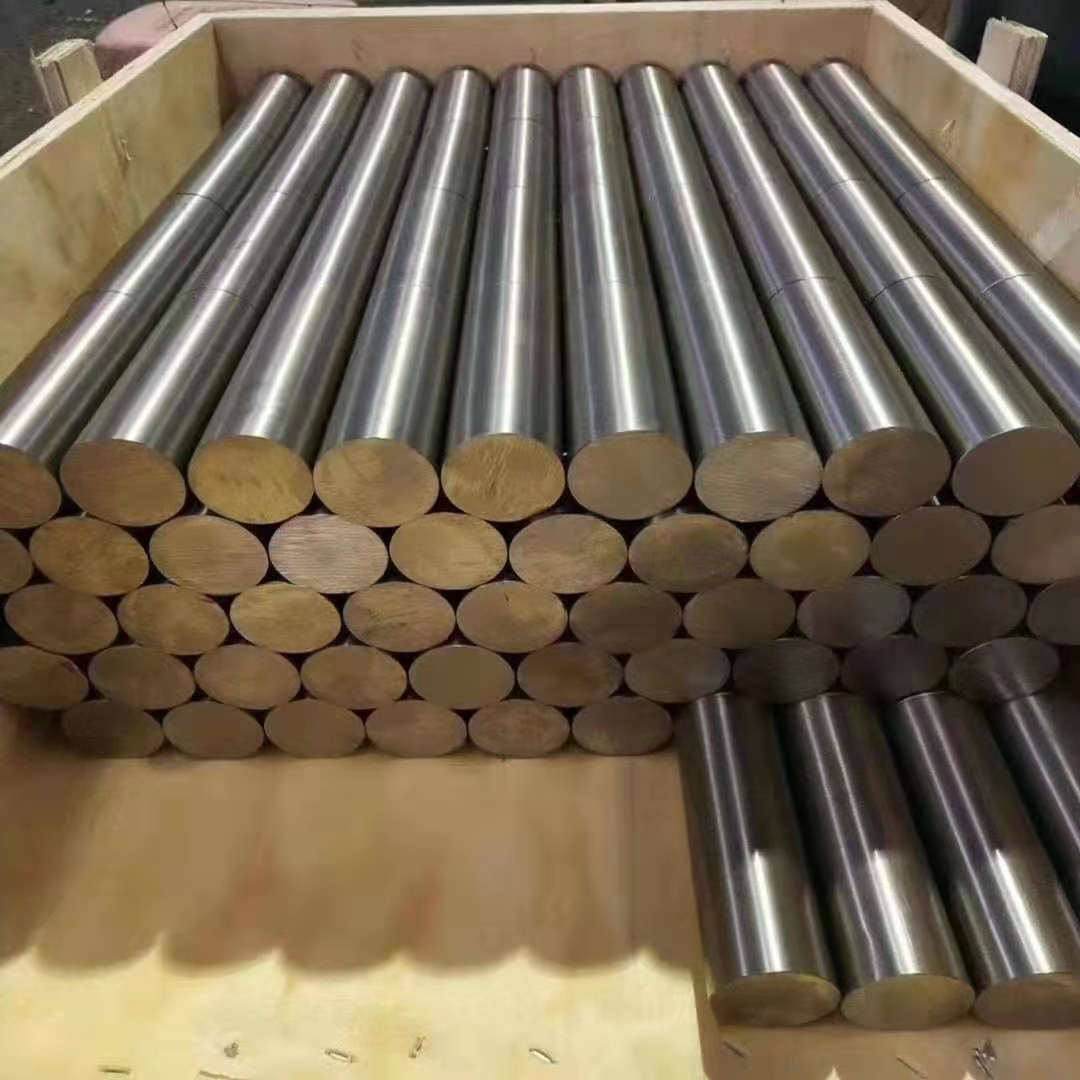
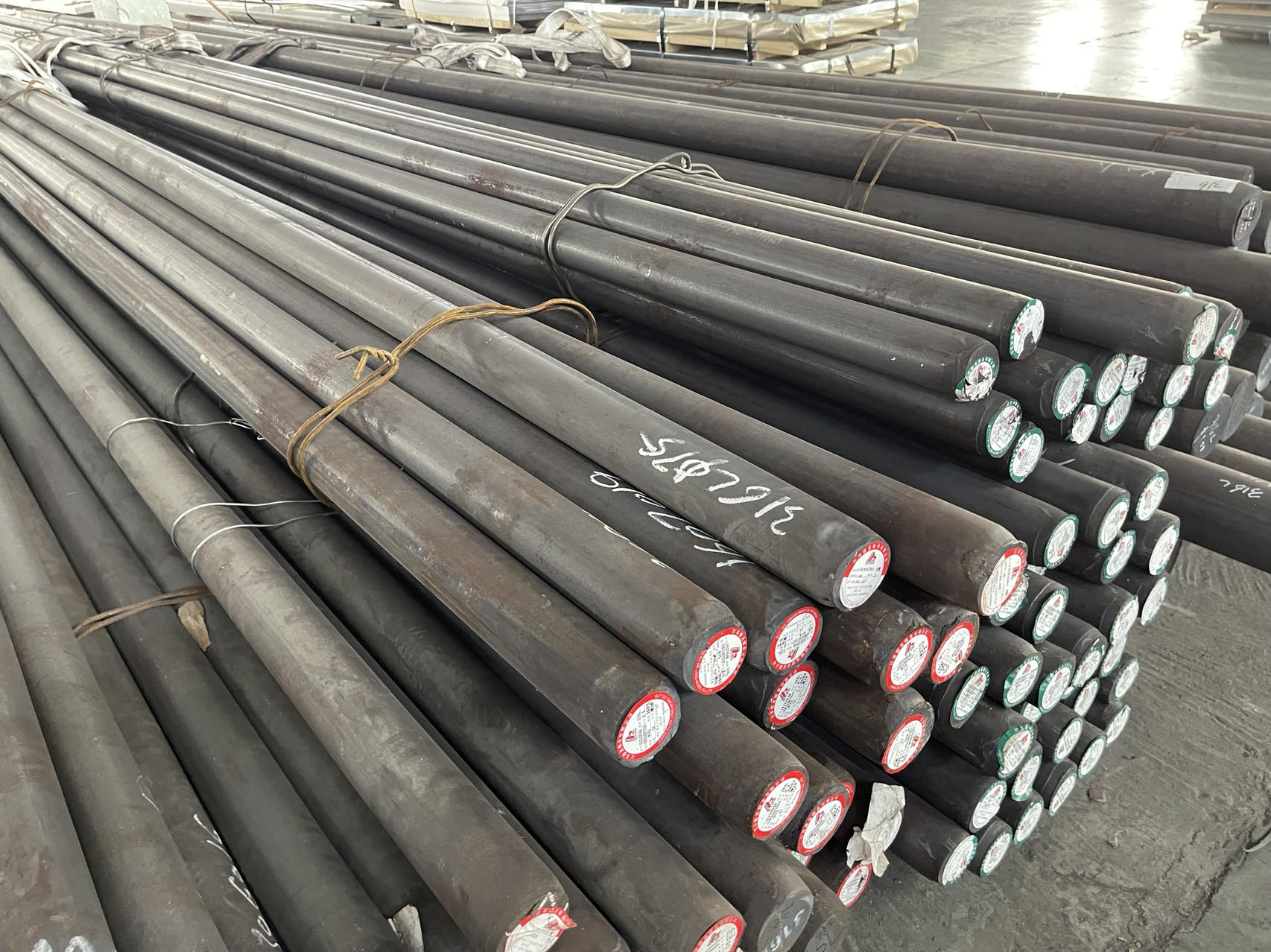
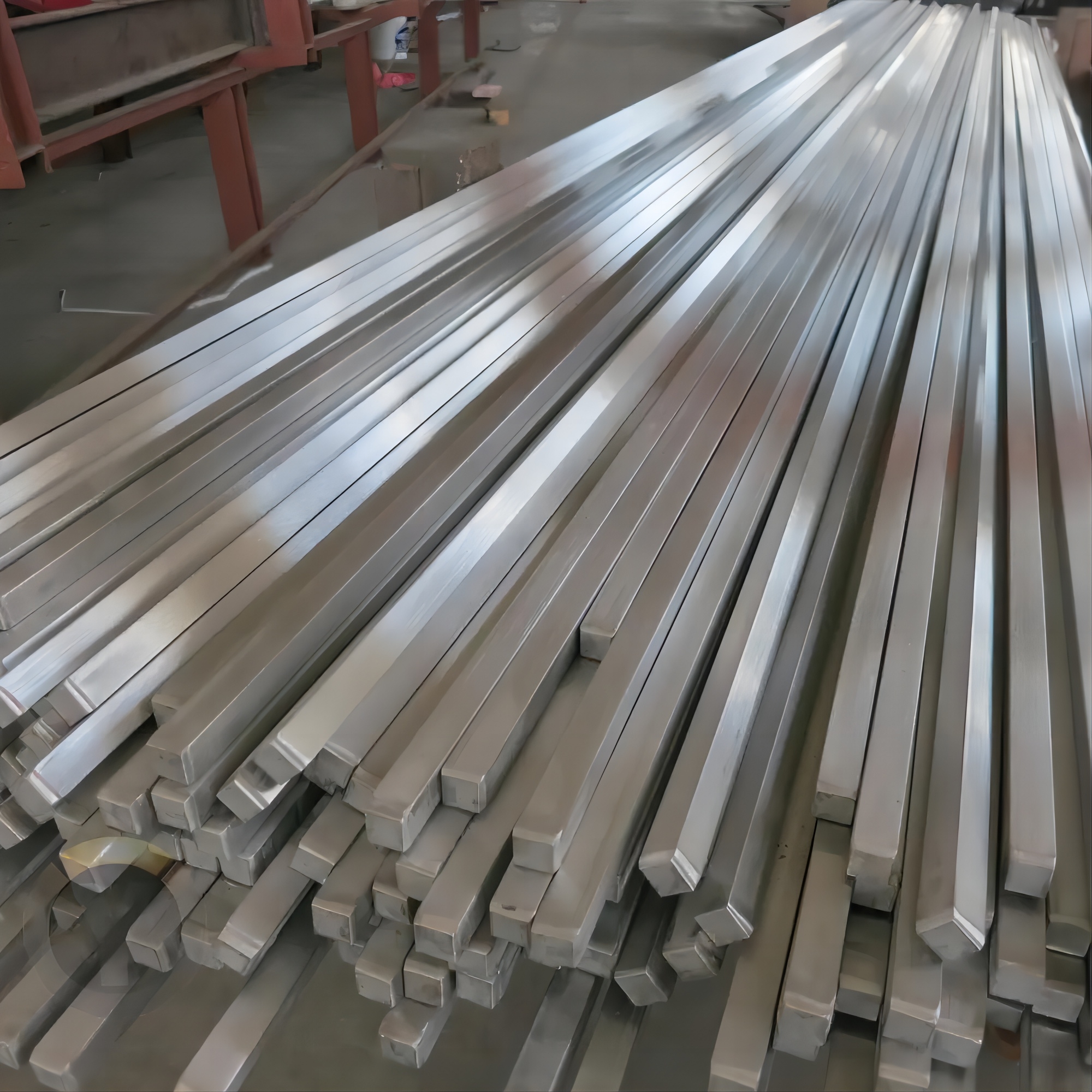
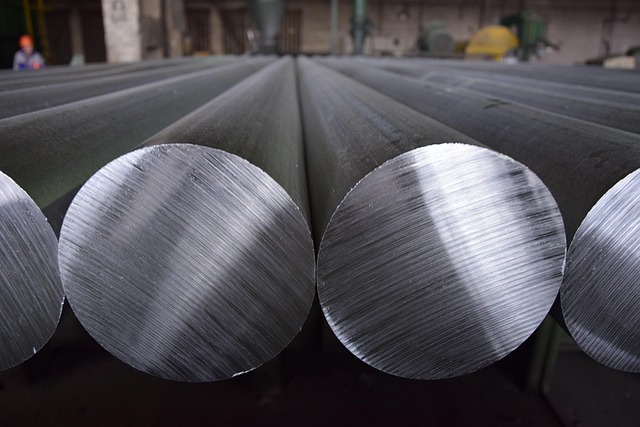
ASTM A182 F6NM (S41500) Supermartensitic Stainless Steel Bar
F6NM is a high-strength supermartensitic stainless steel with superior corrosion resistance and mechanical properties. It combines low carbon content with nickel (Ni), chromium (Cr), and molybdenum (Mo) additions, making it ideal for harsh environments such as marine, petrochemical, and energy sectors. Key features include:
- Excellent weldability and formability
- High tensile and yield strength
- Resistance to chloride-induced stress corrosion cracking
Chemical Composition (wt%)
Element | C | Si | Mn | P | S | Cr | Ni | Mo |
Content | ≤0.05 | ≤0.7 | 0.5-1.0 | ≤0.04 | ≤0.015 | 11.5-14 | 3.5-5.5 | 0.5-1.0 |
Property | Value Range |
Density (g/cm³) | 7.7-7.8 |
Hardness (HB) | 260-330 |
Yield Strength (MPa) | ≥620 |
Tensile Strength (MPa) | ≥790 |
F6NM Stainless Steel Bar Performance Characteristics and Applications
1. Performance Characteristics
1.1 Corrosion Resistance
F6NM stainless steel bar exhibits excellent corrosion resistance, especially in environments containing corrosive media such as sulfuric acid and hydrochloric acid, and is resistant to attack by chlorides and acids. Its high chromium, nickel, and molybdenum content forms a dense oxide layer, significantly enhancing its oxidation resistance.
1.2 High-Temperature Strength and Toughness
This material maintains high strength (yield strength ≥620 MPa, tensile strength ≥790 MPa) and good toughness even at high temperatures, with an elongation ≥15% and a reduction of area ≥45%, making it suitable for high-stress and heavy-load applications.
1.3 Processing and Weldability
F6NM bar exhibits excellent cold working properties and weldability. It can be formed through forging, heat treatment, and other processes. Its stable performance after welding makes it suitable for the manufacture of complex structures.
1.4 Wear and Fatigue Resistance
Its outstanding wear resistance results in low wear rates under harsh operating conditions. Combined with appropriate heat treatment (such as annealing and aging), it can significantly improve fatigue life and extend component service life.
2. Main Applications
2.1 Energy Sector
Widely used in nuclear power reactor components, hydropower station runners, and turbine components, withstanding high water pressure, high flow rates, and complex stresses.
2.2 Petrochemical Industry
Used in oil and gas pipelines, valves, and chemical reactors, it withstands high-temperature, corrosive environments, ensuring long-term, stable operation of the equipment.
2.3 Food and Medical
Suitable for food processing equipment (such as mixers) and medical devices, meeting hygiene standards and corrosion resistance requirements.
2.4 Industrial Equipment
Manufacturing high-strength parts (such as bearings and pump bodies) and pressure vessels, ensuring a balance between mechanical performance and reliability.
Surface Treatment
- Pickling:Removes oxide layers to enhance corrosion resistance.
- Polishing:Available in BA (Bright Annealed) or 2B finish as per ASTM A480.
Why Choose Us ?
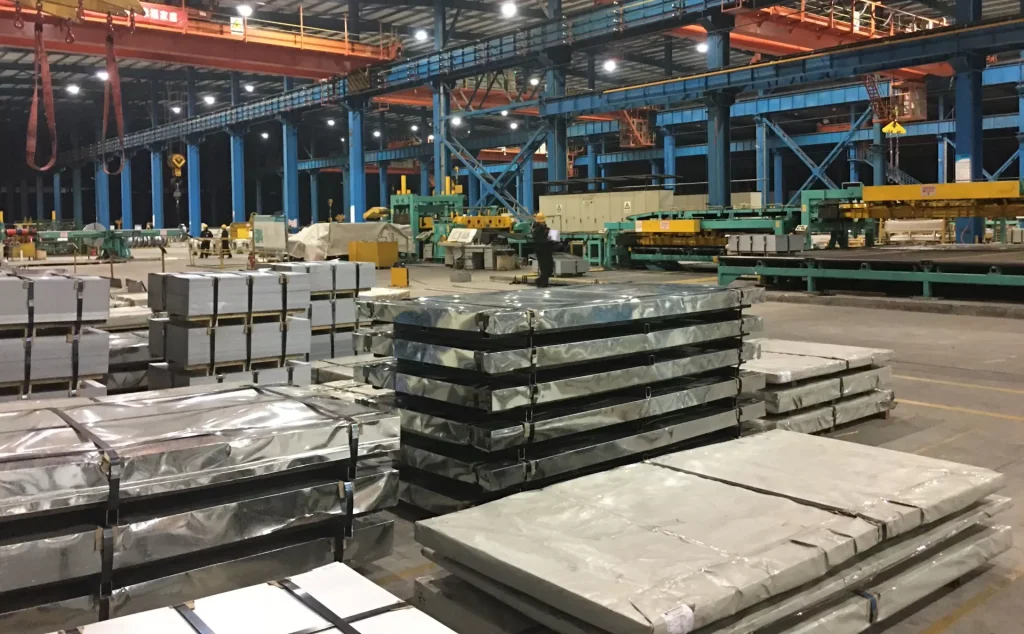
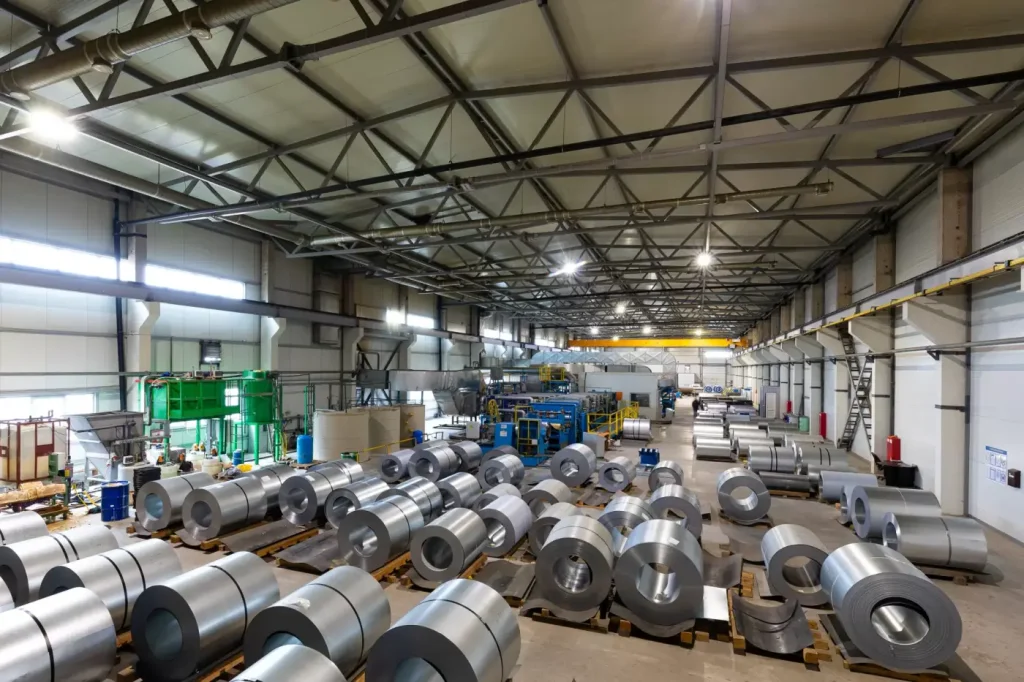
- Quality Assurance:Certified to ASTM A182 and ISO 9001.
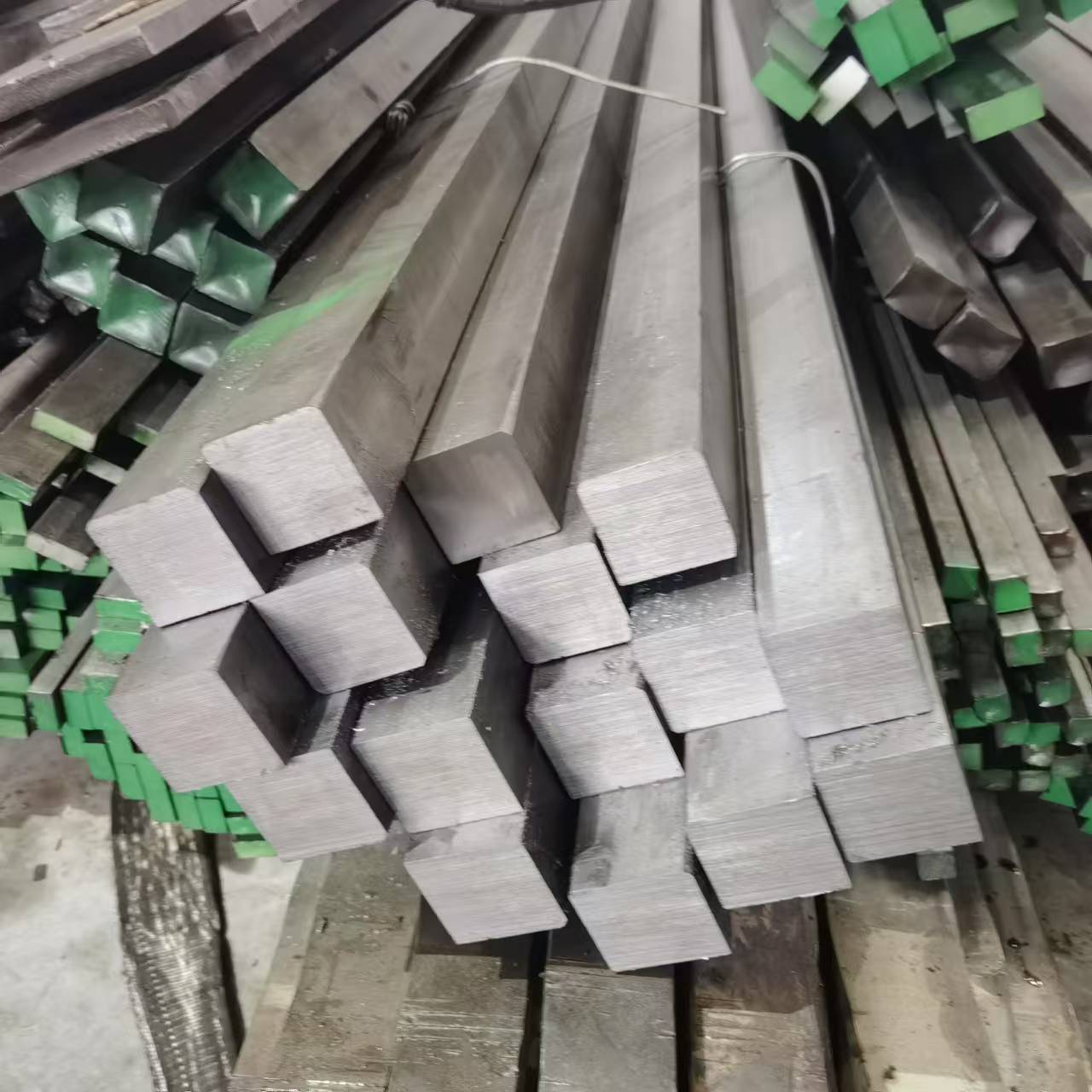
- Customization:Precision cutting, threading, and heat treatment services.
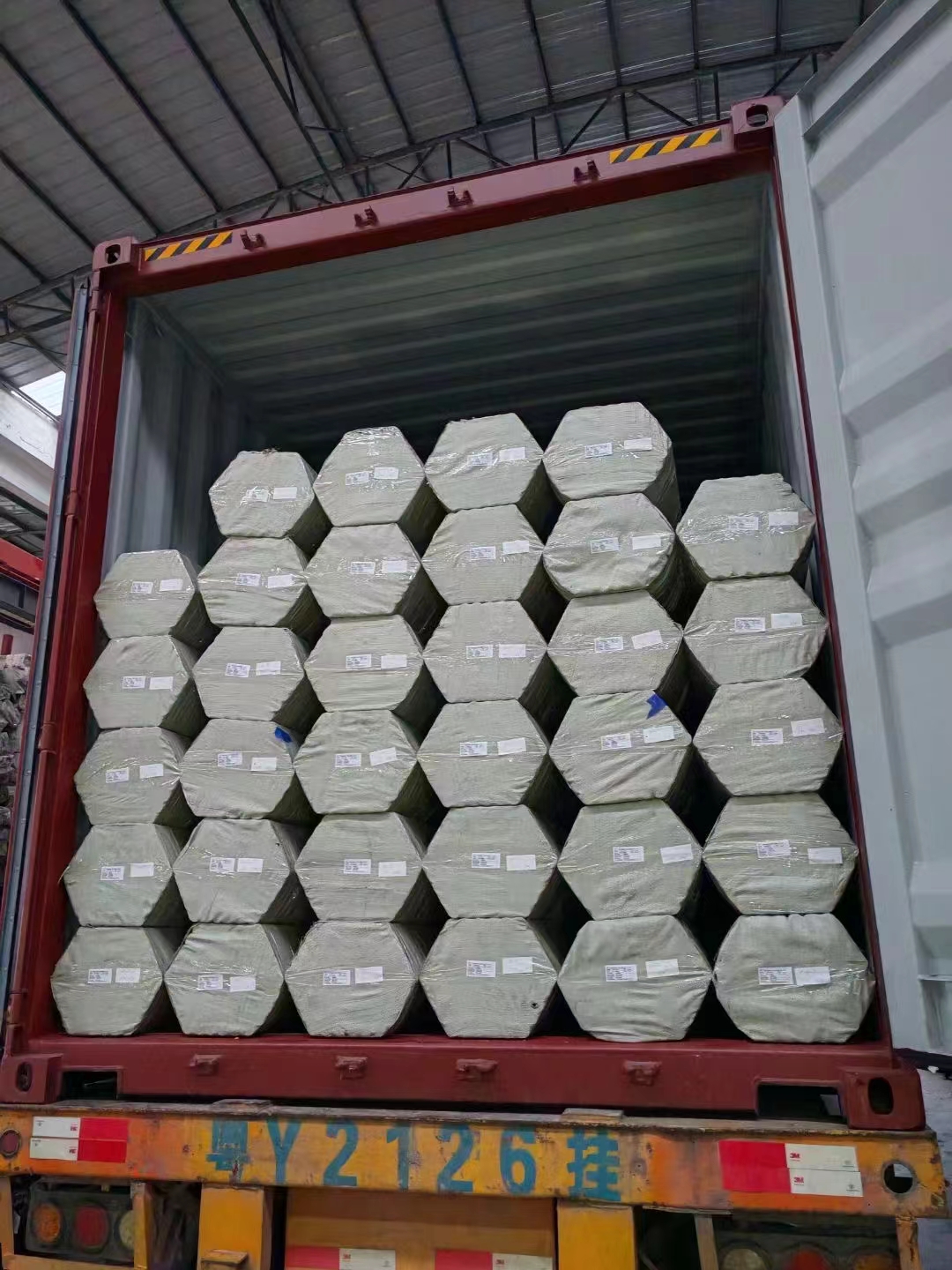
- Global Logistics:Timely delivery with traceable packaging.
Applications & Industries
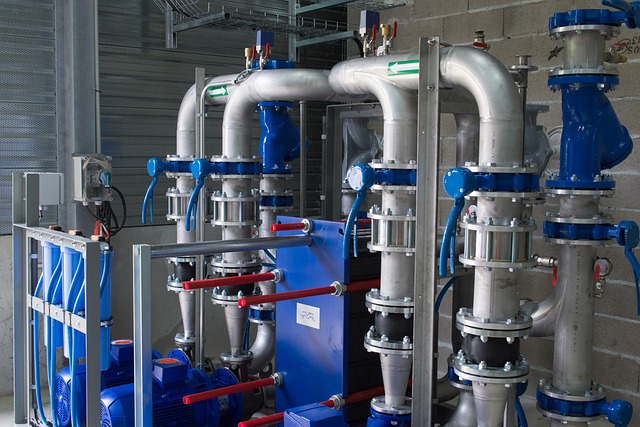
Aerospace:
High-power density actuators.

Electronics:
Precision sensors & MEMS components.
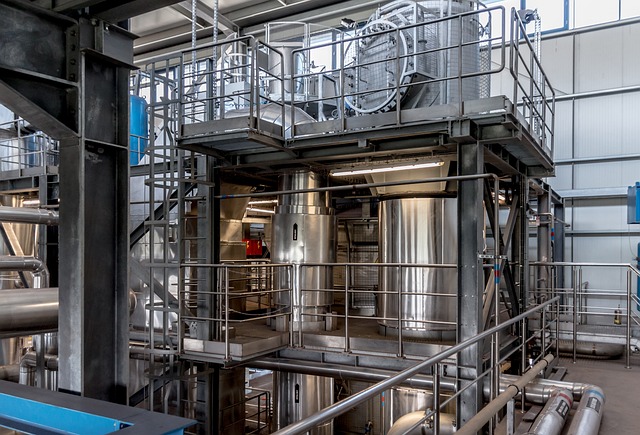
Energy:
Magnetic coupling devices for turbines.
Frequently Asked Questions
Q1: Is F6NM weldable?
A: Yes, TIG/MIG welding with pre/post-heat recommended.
Q2: Corrosion resistance in acidic environments?
A: Superior to 304 stainless steel in chloride-rich media.
Q3: How is F6NM Processed?
Heat treatment (QT series) optimizes strength and hardness.
Q4: What Are its Limitations?
Requires controlled heat treatment to avoid brittleness.
Ready to source alloy steel from a trusted Chinese manufacturer?
Let us support your project with reliable quality, fast delivery, and expert service.
Get a quote today — we usually respond within 12 hours.