- You are here:
- Home /
- Products /
- Alloy Steel /
- Titanium Alloys /
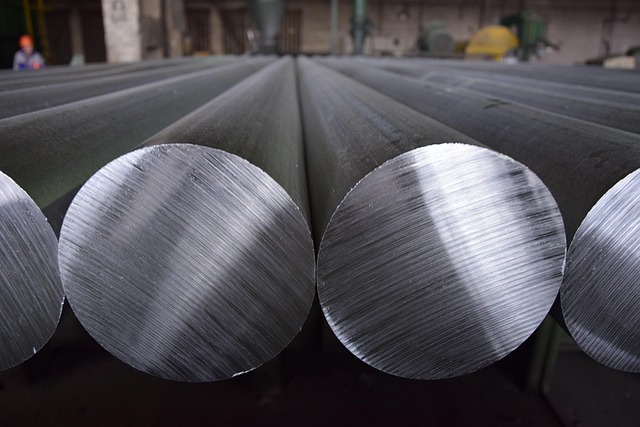
Industrial Pure Titanium TA2 Rod
Premium-Grade α-Phase Titanium Alloy for Demanding Applications.
- Corrosion Resistance: Superior performance in chloride/saltwater environments with 2.44 passivation coefficient
- Lightweight: Density (4.51g/cm³) 40% lighter than steel with comparable strength
- Biocompatibility: ISO 5832-2 compliant for medical implants
- Thermal Stability: Maintains mechanical properties from -269°C to 350°C
- Weldability: Excellent joint integrity with matching filler metals
Chemical Composition
Element | Content (wt%) | Function |
Ti | ≥99.5 | Matrix |
Fe | ≤0.30 | Strength enhancer |
C | ≤0.10 | Interstitial strengthener |
N | ≤0.05 | Grain refiner |
H | ≤0.015 | Embrittlement control |
O | ≤0.25 | α-phase stabilizer |
Others | ≤0.40 total | Impurity limitation |
Surface Treatment
- Mill Finish: Hot-rolled black surface (Ra 3.2-6.3μm)
- Machined: Turned/polished to Ra 0.8-1.6μm
- Special: Anodized (gold/purple/blue) for medical/aerospace ID marking
As a representative material of industrially pure titanium, TA2 titanium alloy rods possess three key characteristics:
First, it is based on over 99% high-purity titanium, containing only trace amounts of impurities such as oxygen and nitrogen. This compositional design preserves the inherent advantages of titanium metal;
Second, the material forms a dense oxide film on its surface, demonstrating excellent performance in extreme corrosive environments such as seawater, acids, and alkalis, with corrosion rates as low as 0.005mm/year;
Finally, with a density of only 4.5g/cm³ and a strength of 380-550MPa, it achieves a perfect balance between lightweight and high strength.
Compared to TA1, TA2 improves mechanical strength by controlling its oxygen content (≤0.15%), while maintaining improved plasticity compared to TA3. This performance gradient makes it a versatile choice among industrially pure titanium materials. TA2 titanium alloy rods offer significant mechanical advantages: tensile strength reaches 380-550 MPa, yield strength ranges from 250-450 MPa, and elongation remains in the 15%-25% range, combining high strength with excellent plasticity. Its lightweight density of only 4.5 g/cm³ (43% lighter than steel) gives it exceptional strength-to-weight ratio, allowing it to withstand the same load with less weight. In terms of hardness, its Brinell hardness is 130-160 HB, and its elastic modulus is approximately 105 GPa, ensuring structural rigidity while avoiding brittleness.
Corrosion resistance is another core advantage, particularly in chlorine-containing environments. Its seawater corrosion rate is less than 0.005 mm/year, and its resistance to strong media such as 10% hydrochloric acid and sulfuric acid far exceeds that of stainless steel.
In terms of thermal stability, the material can withstand long-term use at 500°C, and its oxide film remains stable even at high temperatures. These performance parameters collectively support its reliability in harsh environments.
The exceptional properties of TA2 titanium alloy rods have led to their widespread application in several key sectors:
In aerospace, its lightweight properties (density 4.5g/cm³) and high strength (tensile strength up to 550MPa) are used in critical structures such as aircraft frames and engine components, significantly improving fuel efficiency.
In chemical equipment manufacturing, its corrosion resistance (particularly its stability to chloride ions and acidic and alkaline media) makes it an ideal material for reactors and heat exchangers, extending equipment life and reducing maintenance costs.
In the medical field, its biocompatibility is utilized in implants such as artificial joints and dental implants to prevent human rejection.
In marine engineering, this material’s resistance to seawater corrosion and fatigue resistance makes it widely used in deep-sea equipment, submarine components, and offshore platform structures. Furthermore, its excellent hot and cold workability (cold work rate up to 30%) makes it a key component in the manufacture of standard parts.
Why Choose Us ?
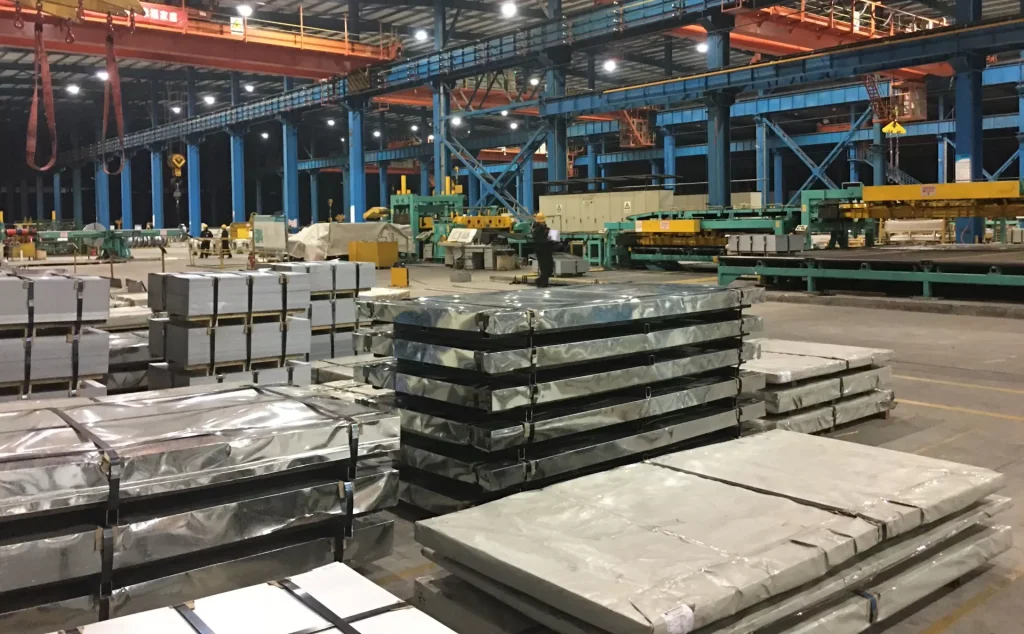
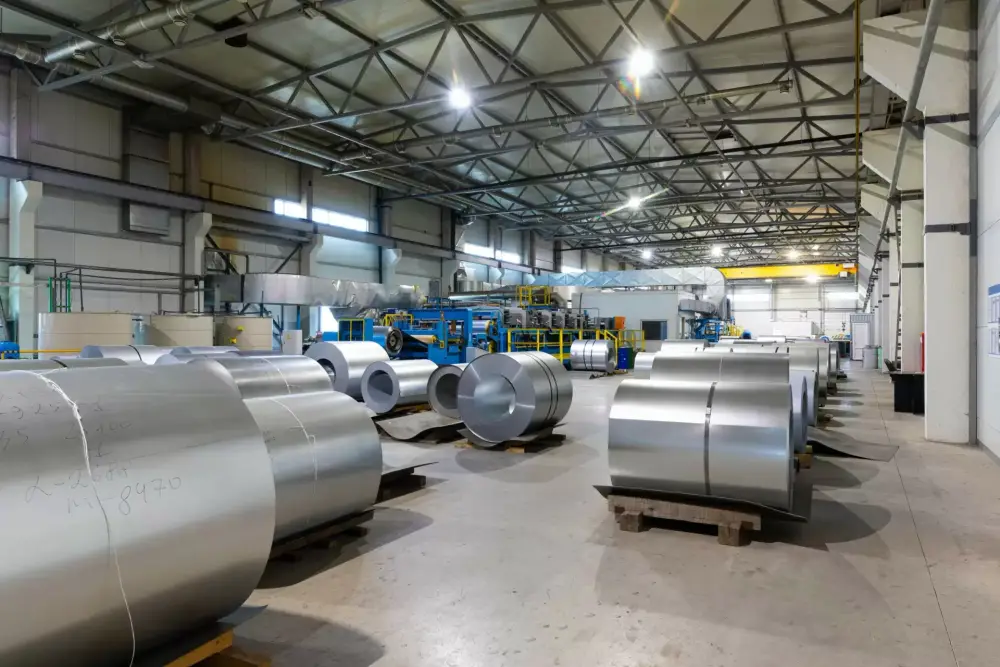
- Certified Production: ISO 9001/AS9100 with full traceability
- Advanced Processing: Triple VAR melting ensures ultra-low inclusion content
- Testing Capability: In-house UT, PMI, and metallographic analysis
- Global Logistics: 15-day delivery for standard sizes worldwide
Applications & Industries
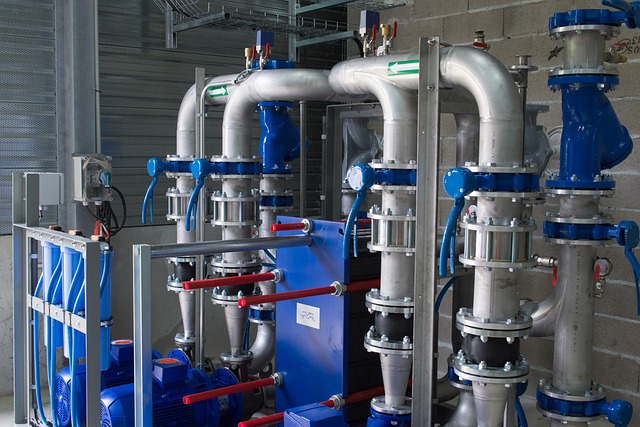
Aerospace:
(aircraft structures, engine parts) benefiting from high strength-to-weight ratio.
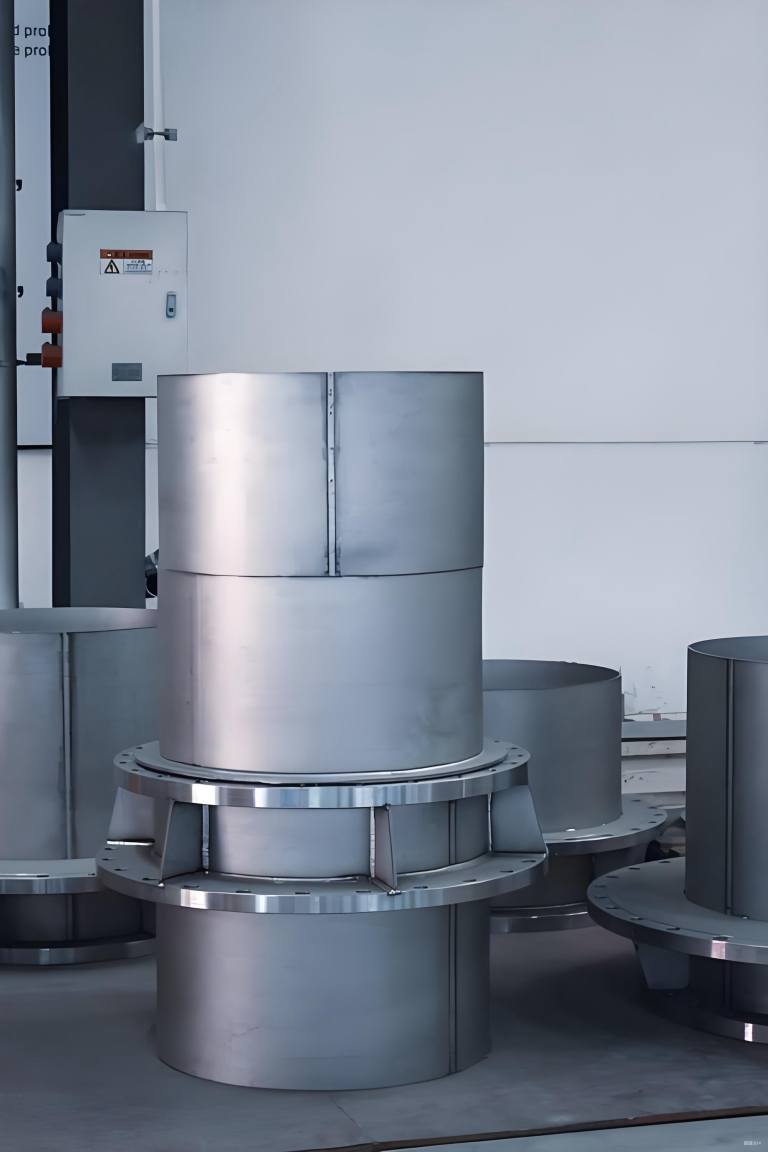
Chemical processing equipment:
(reactors, heat exchangers, storage tanks) for corrosion resistance in acidic or high-salt environments.
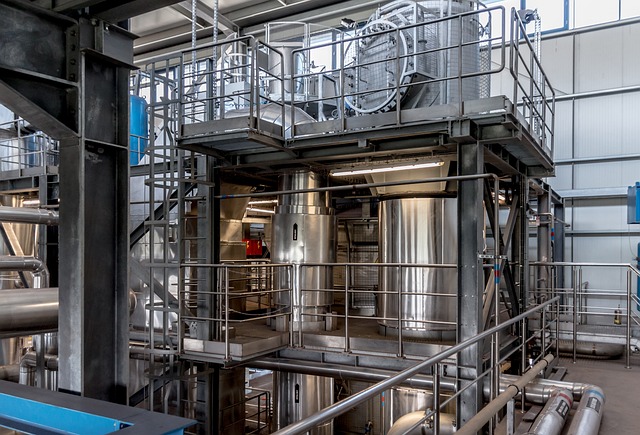
Marine engineering :
(submarine components, offshore oil platforms) due to excellent seawater corrosion resistance.
Frequently Asked Questions
Q: How does TA2 compare to TC4?
A: TA2 offers better corrosion resistance/formability; TC4 provides higher strength (≥895MPa)
Q: Maximum continuous service temperature?
A: 350°C (662°F) for structural applications
Q: Passivation requirements?
A: Self-passivating in air; nitric acid treatment optional for medical use
Q: How does TA2 compare to other titanium alloys (e.g., TA1, TA3)
TA1: Higher plasticity (lower strength), ideal for forming.
TA3: Higher strength (but lower ductility), suitable for high-load parts.
TA2: Balanced performance (moderate strength + corrosion resistance)
Q: What industry standards apply to TA2 titanium rods?
ASTM B348: Covers seamless titanium rods, including Grade 2.
GB/T 3620.1/2: Chinese standards for chemical composition and tolerances.
Dimensional Tolerances: Vary by diameter (e.g., ±0.13 mm for 6.35–7.94 mm rods).
Q: How to ensure quality when purchasing TA2 rods?
Certification: Request material test reports (MTRs) verifying compliance with ASTM or GB standards.
Inspection: Check for surface defects (e.g., cracks, scale) and dimensional accuracy.
Supplier Expertise: Choose vendors with experience in aerospace or medical-grade titanium.
Ready to source alloy steel from a trusted Chinese manufacturer?
Let us support your project with reliable quality, fast delivery, and expert service.
Get a quote today — we usually respond within 12 hours.