- You are here:
- Home /
- Products /
- Alloy Steel /
- Inconel Alloys /
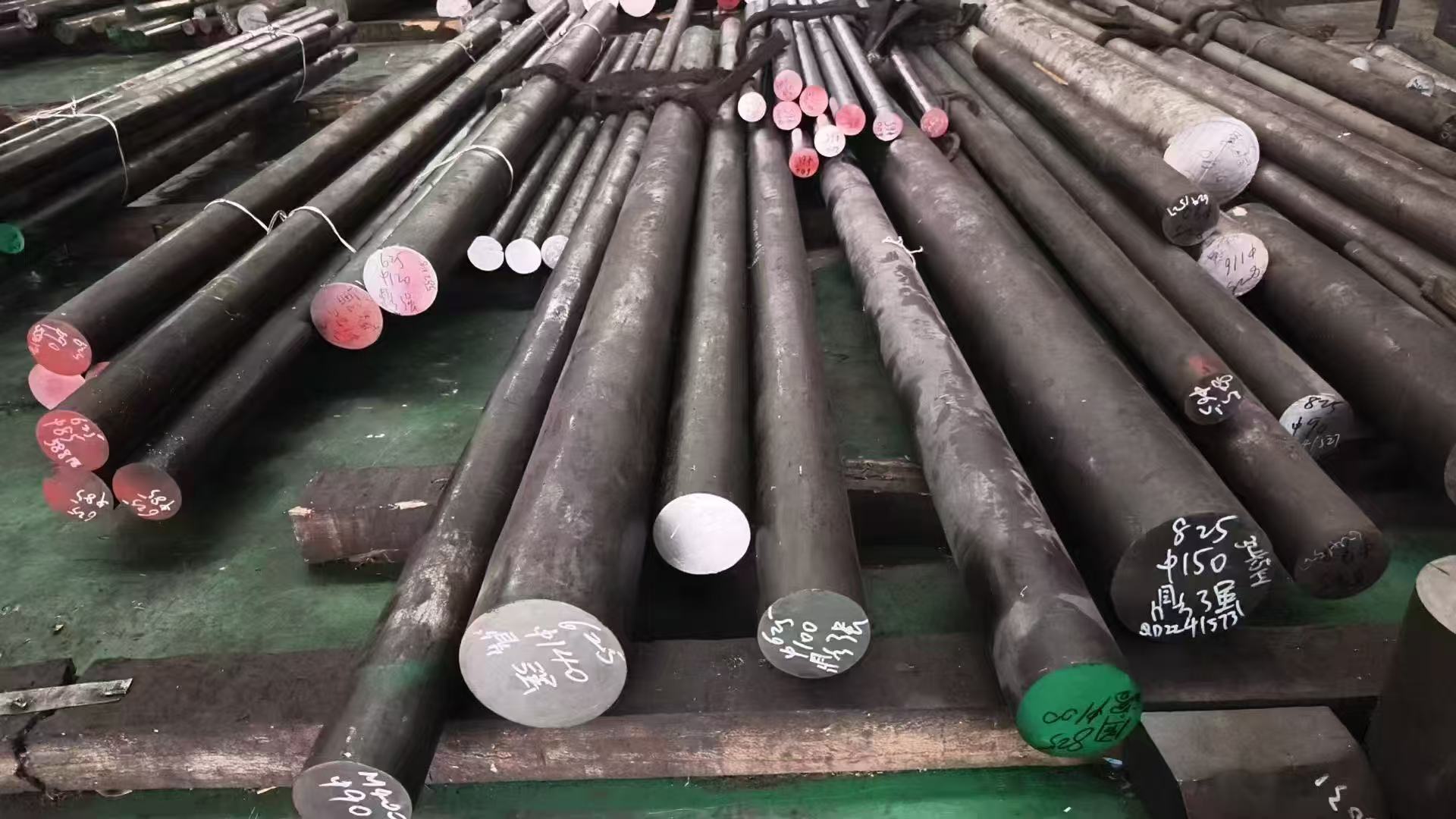
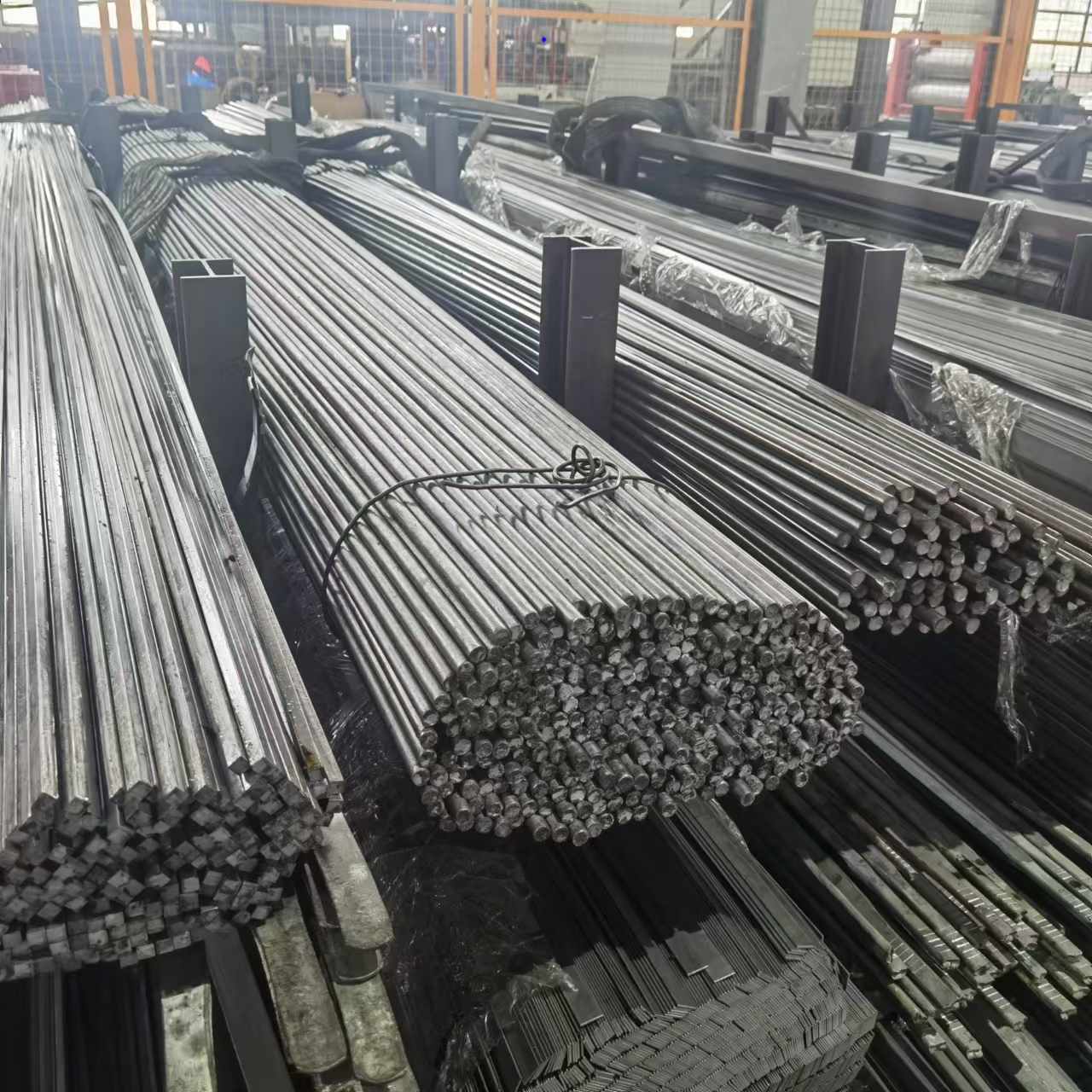
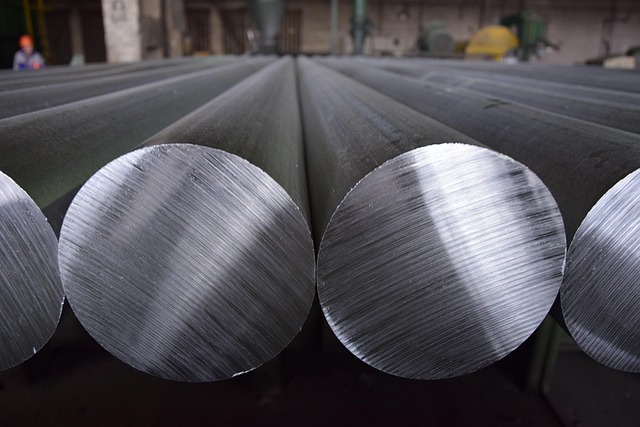
Inconel® 718 Nickel-Chromium Superalloy Bar Stock - Premium Grade for High-Temperature Applications
Inconel 718 is a precipitation-hardenable nickel-chromium alloy renowned for its exceptional strength, oxidation resistance, and corrosion stability from cryogenic temperatures up to 700°C (1292°F). Key features include:
- High mechanical strength:Maintains tensile strength >1240 MPa after aging treatment.
- Corrosion resistance:Excellent performance in acidic, chloride-rich, and sulfide environments (e.g., oil/gas drilling).
- Fabrication versatility:Suitable for machining, welding, and forging due to controlled carbon content (≤0.08%).
- Phase stability:Nb (niobium) addition inhibits harmful phase formation during prolonged high-temperature exposure.
Chemical Composition (wt%)
Element | Content (wt%) | Function |
Ni | 50.0–55.0 | Austenite matrix stabilization, corrosion/oxidation resistance |
Cr | 17.0–21.0 | Forms protective oxide layer; enhances high-temperature strength |
Fe | Balance | Cost-effective base metal |
Nb | 4.75–5.50 | Forms γ” precipitates for age hardening |
Mo | 2.8–3.3 | Resistance to pitting/crevice corrosion |
C | ≤0.08 | Minimizes carbide precipitation for better weldability |
Si | ≤0.35 | Deoxidizer; excess reduces toughness |
Mn | ≤0.35 | Controls sulfur embrittlement |
P, S | ≤0.015 each | Ultra-low impurities for enhanced ductility |
I. Performance characteristics
1. High temperature stability
(1) Maintains high strength in the range of -253℃ to 704℃, with a short-term service limit of 982℃
(2) The γ” phase (Ni3Nb) precipitation strengthening mechanism ensures structural stability below 650℃
(3) Excellent creep resistance, suitable for long-term high temperature service environment
2. Mechanical and corrosion resistance
(1) Room temperature tensile strength ≥1200MPa, yield strength ≥900MPa
(2) High resistance to chloride and sulfide stress corrosion cracking
(3) A dense Cr2O3 protective film is formed on the surface under oxidizing environment
3. Processing adaptability
(1) Free cutting in the annealed state, hot working temperature range 2050°F-170 0°F
(2) No crack tendency after welding, compatible with TIG/MIG and other processes
II. Core Applications
1. Aerospace field
(1) Jet engine turbine discs, fasteners, combustion chamber components
(2) Rocket engine thrust chambers, fuel lines
2. Energy and Chemical Industry
(1) Nuclear reactor control rods, heat exchanger pipes
(2) Chemical reactors, corrosion-resistant valves and pump bodies
3. Marine Engineering
(1) Deep well oil wellhead equipment, submarine pipeline connectors
(2) Seawater desalination equipment high-pressure pump shafts
III. Process Advantages
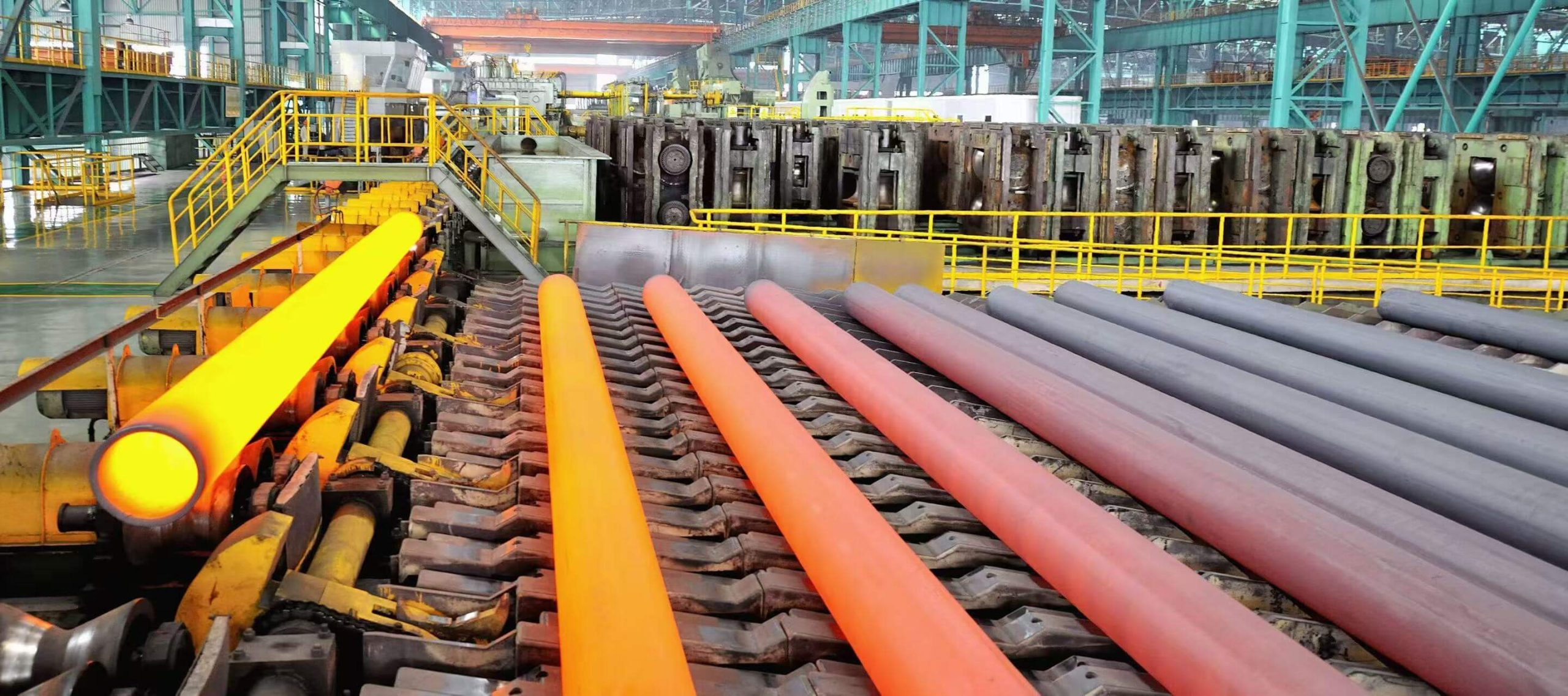
Adopting a triple melting process (vacuum induction + electroslag remelting + vacuum self-consumption), the gas impurity content is ≤60ppm, ensuring material purity and isotropy.
Surface Treatment
- Turned/Polished:Precision-machined to ASTM B637 tolerances (Ra ≤1.6 μm).
- Pickling:Removes oxide scale using HNO3/HF solution for optimal corrosion resistance.
- Peeling:Forged bars with scaled surface (optional).
Why Choose Us ?
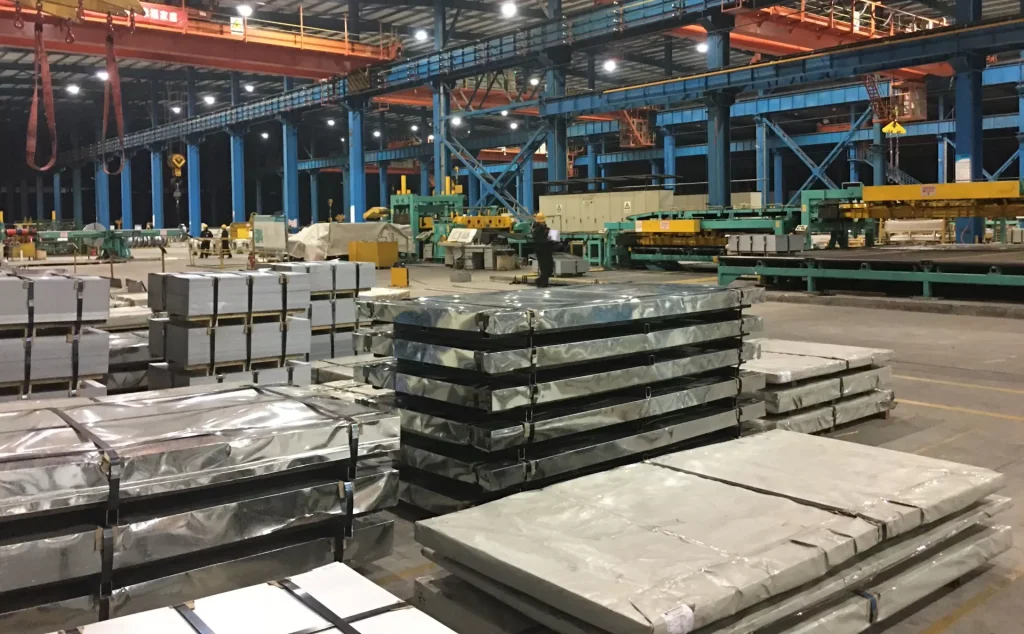
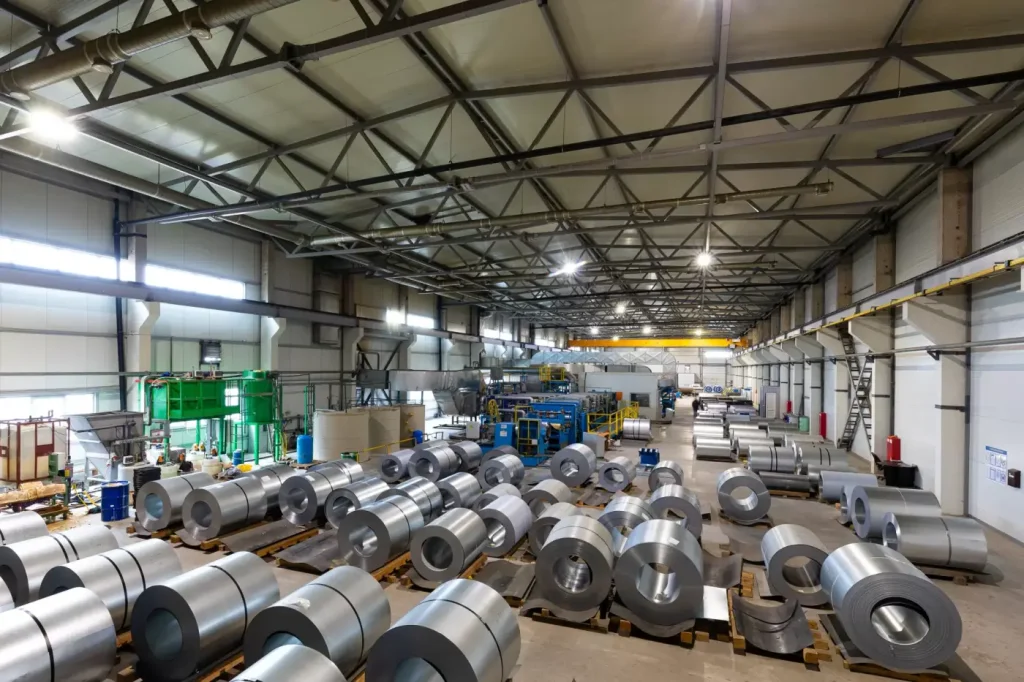
- Certified Quality:ASTM B637, AMS 5662, and NACE MR0175 compliant.
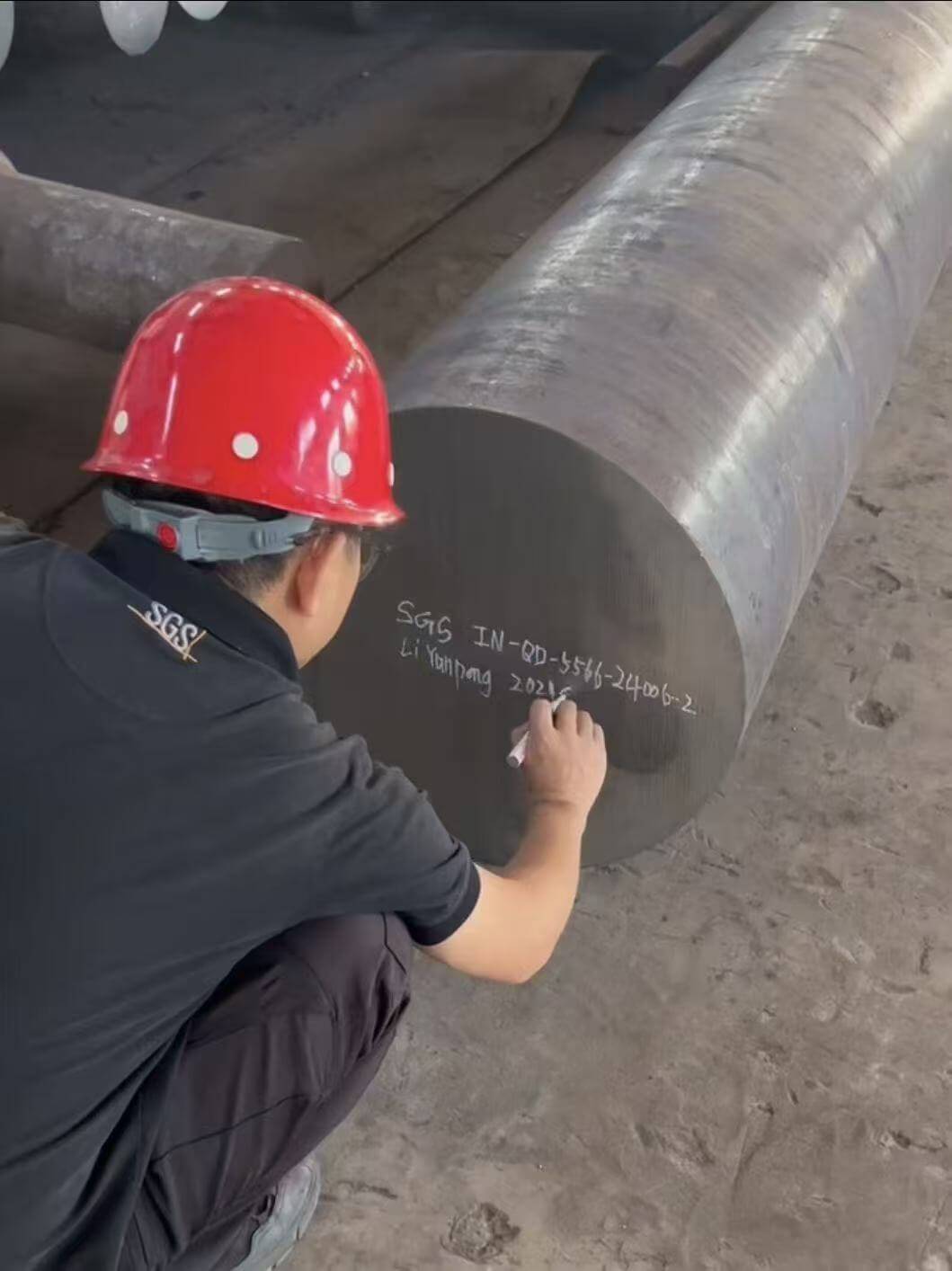
- Full Traceability:Mill test reports with heat-specific chemical/mechanical data.
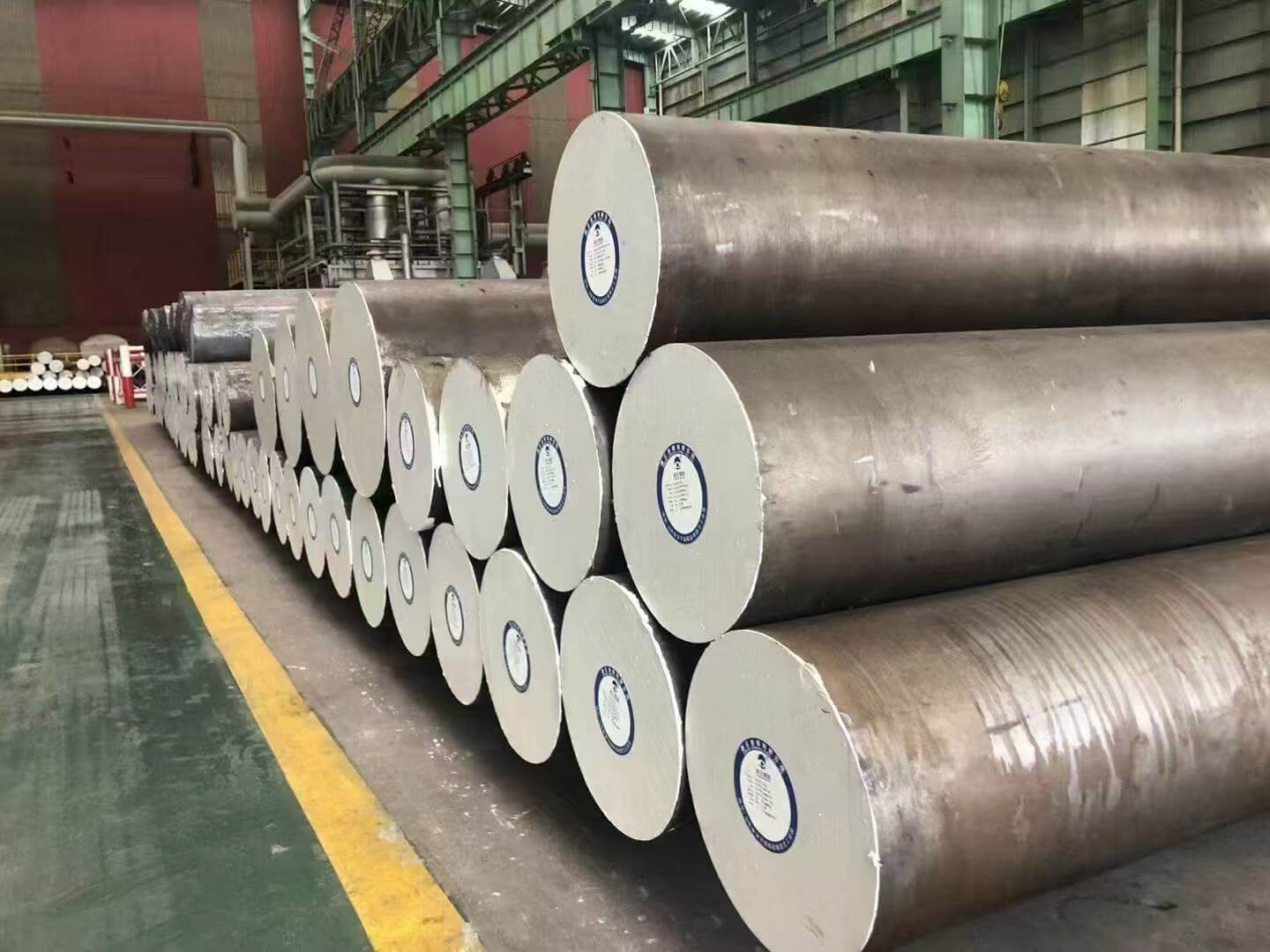
- Custom Processing:Available in hot/cold-finished, centerless-ground, or cut-to-length forms.
Applications & Industries
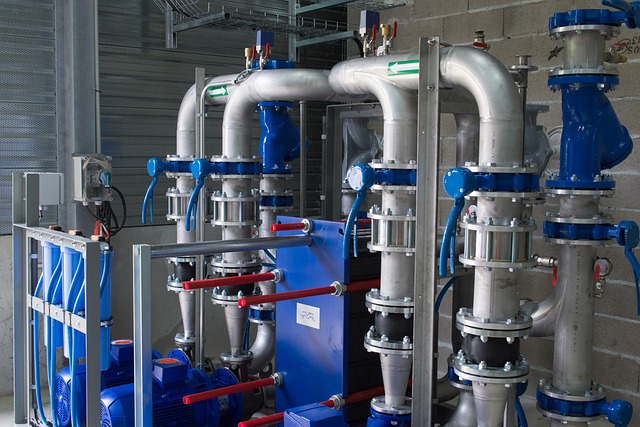
Aerospace:
High-power density actuators.
Electronics:
Precision sensors & MEMS components.
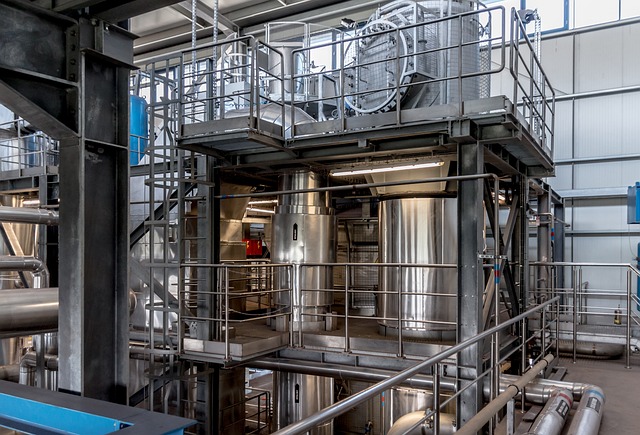
Energy:
Magnetic coupling devices for turbines.
Frequently Asked Questions
Q1: Can Inconel 718 be welded?
A: Yes, using AWS A5.14 ERNiFeCr-2 filler wire with post-weld heat treatment.
Q2: Maximum service temperature?
A: 700°C long-term; short-term up to 980°C (avoid 650–900°C due to σ-phase risk).
Q3: How does it compare to Hastelloy C-2000?
A: Inconel 718 excels in mechanical strength, while C-2000 offers superior acid resistance.
Q4: Processing & Fabrication
Hot Working: Forging at 2050-1700°F (1121-927°C) with 10-20% reduction.
Cold Working: Requires intermediate annealing to prevent excessive hardening.
Welding: Compatible with GTAW/GMAW; use matching filler to avoid Laves phase formation.
Q5: Application-Specific Concerns
Aerospace: Avoid sulfur exposure >650°C to prevent sulfidation.
Marine: Design crevice-free joints to minimize chloride attack.
Nuclear: Preferred for coolant pipes due to radiation resistance.
Ready to source alloy steel from a trusted Chinese manufacturer?
Let us support your project with reliable quality, fast delivery, and expert service.
Get a quote today — we usually respond within 12 hours.