- You are here:
- Home /
- Products /
- Alloy Steel /
- Incoloy Alloys /
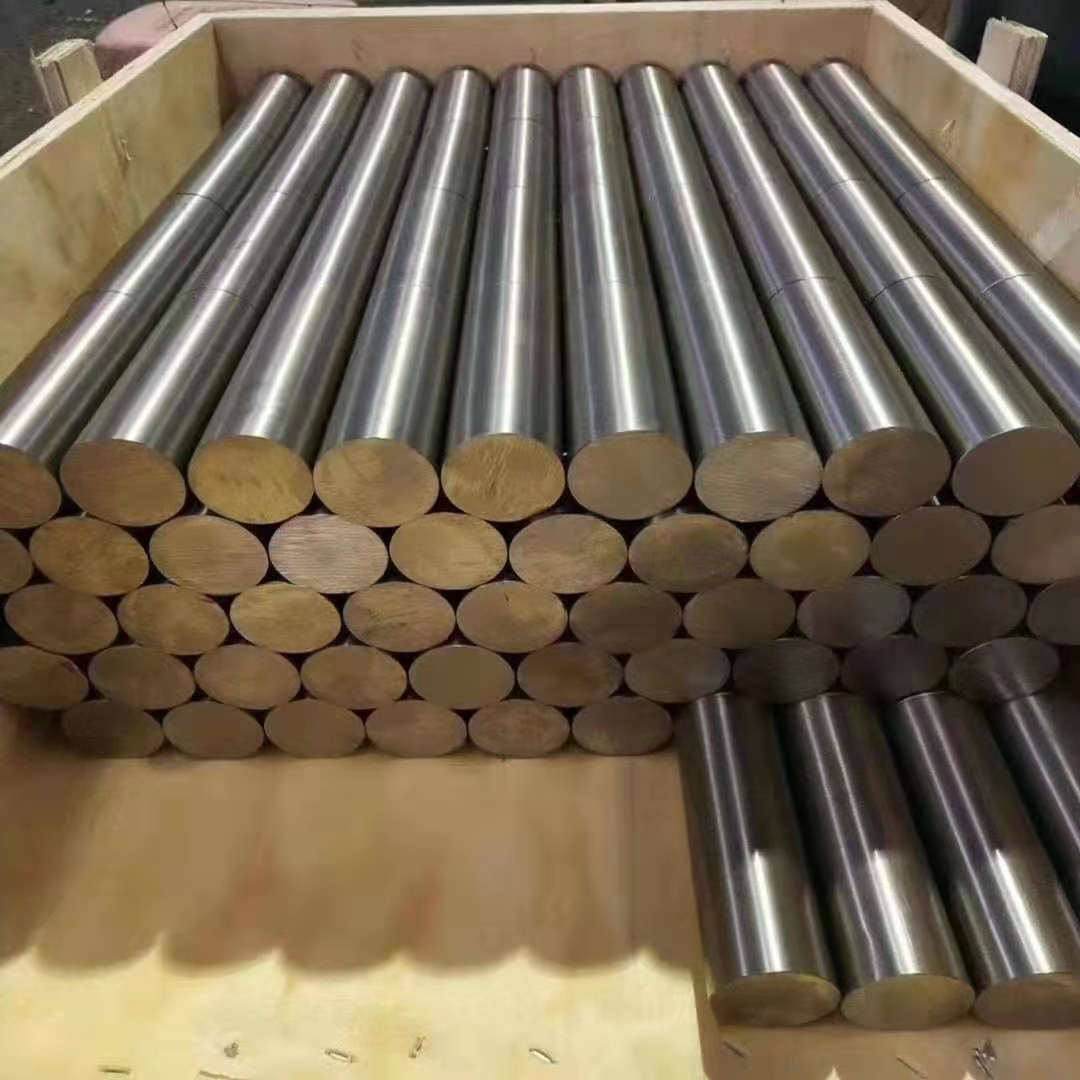
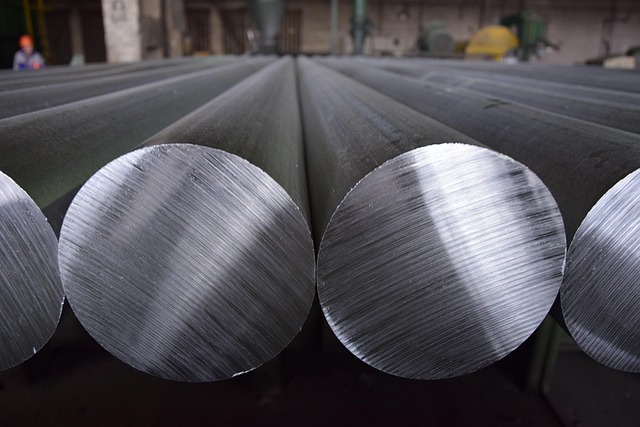
Incoloy 800HT High-Temperature Corrosion-Resistant Alloy Bar
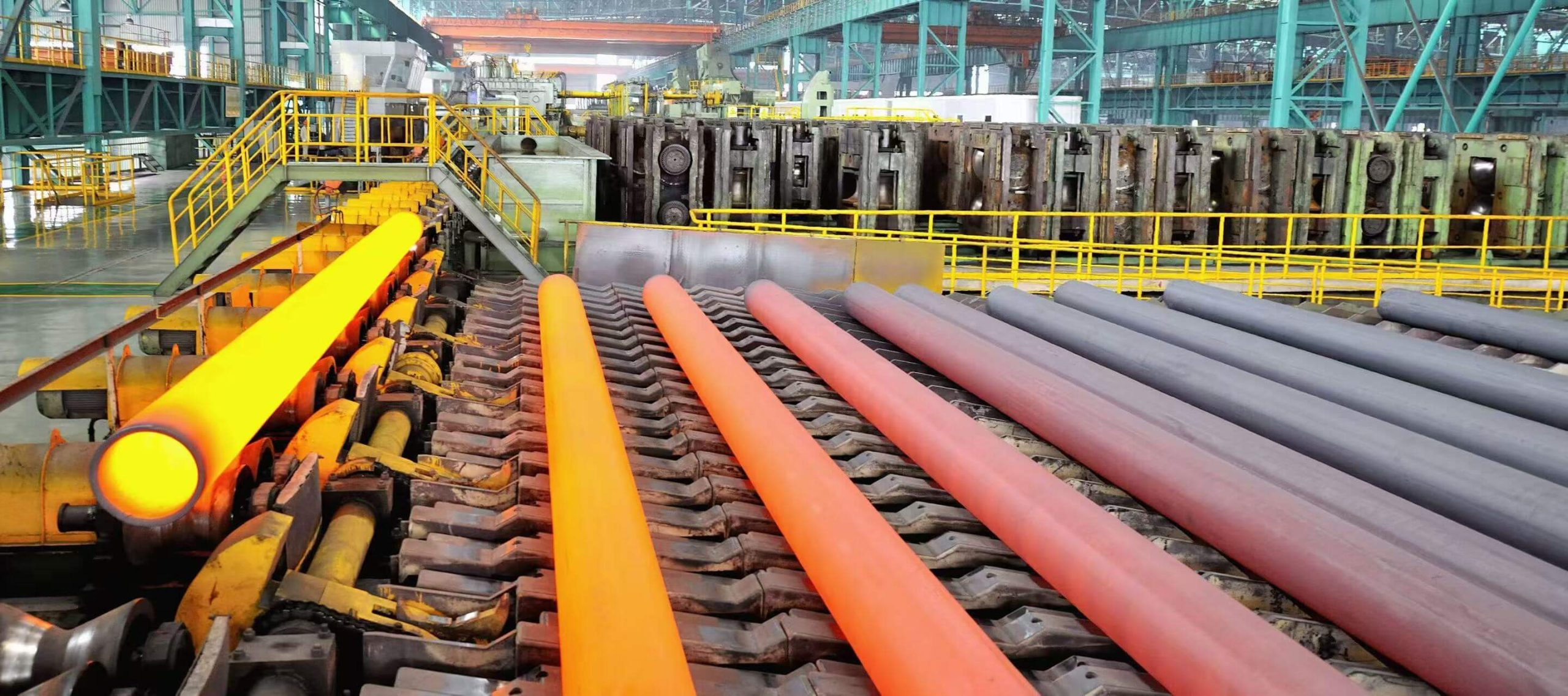
A fully austenitic nickel-iron-chromium alloy bar designed for high-temperature/high-pressure environments, featuring exceptional stress corrosion resistance and mechanical properties.
- High-Temperature Stability:Long-term service capability above 500°C (930°F), with maximum oxidation resistance up to 1040°C (1900°F).
- Corrosion Resistance:Resists nitric acid, organic acids, and oxidizing salts. High Ni/Cr content ensures superior pitting and stress corrosion cracking (SCC) resistance.
- Processing Advantages:Supplied in annealed condition for optimized high-temperature strength; coarse grain structure (ASTM No. 5) enhances creep resistance.
Chemical Composition (wt%)
Element | Composition Range (%) | Function |
C | 0.06-0.10 | Controls sensitization and improves weldability |
Cr | 19.0-23.0 | Enhances pitting resistance and high-temperature oxidation resistance |
Ni | 30.0-35.0 | Core element for stress corrosion cracking (SCC) resistance |
Al+Ti | 0.85-1.20 | Stabilizes microstructure and optimizes high-temperature performance |
Other | S≤0.015, P≤0.035 | Low impurities ensure material purity |
Incoloy 800HT Alloy Bar Performance Characteristics and Applications
1. Performance Characteristics
1.1 High-Temperature Stability
Incoloy 800HT can operate stably at temperatures between 700°C and 1100°C for extended periods, maintaining strength and toughness without deformation or embrittlement. Its unique alloy composition and microstructure impart excellent creep resistance, making it suitable for extreme operating conditions with frequent temperature fluctuations.
1.2 Corrosion Resistance
It exhibits strong resistance to corrosive media such as acids, alkalis, and salts, and performs particularly well in chemical and marine environments. The chromium element forms a dense oxide film that effectively prevents oxidation and carburization, extending service life.
1.3 Mechanical Properties
It combines high strength, hardness, and toughness to withstand high loads and impacts. It exhibits excellent processability and is suitable for both hot and cold forming. However, the high work hardening rate requires a soft annealing treatment after cold working.
2. Main Applications
2.1 Chemical and Petroleum Industry
Used in the manufacture of reactors, heat exchangers, pipelines, and oil well pipes, protecting against high temperatures, high pressures, and corrosive media, ensuring safe operation of equipment.
2.2 Power and Energy Sector
Used in high-temperature components such as boiler tubes and superheater tubes to improve power generation efficiency; in nuclear power, used in key reactor components to ensure stability.
2.3 Aerospace and Industrial Equipment
Used in the manufacture of engine components, turbine blades, etc., meeting high-strength requirements; suitable for complex structural components such as heat treatment furnaces and pressure vessels.
Surface Treatment
- Delivery Condition:Solution annealed (1150°C water-quenched) + ground/turned finish, oxide-free surface guaranteed.
- Optional Treatments:Pickling & passivation (enhanced corrosion resistance), sandblasting (improved appearance).
Why Choose Us ?
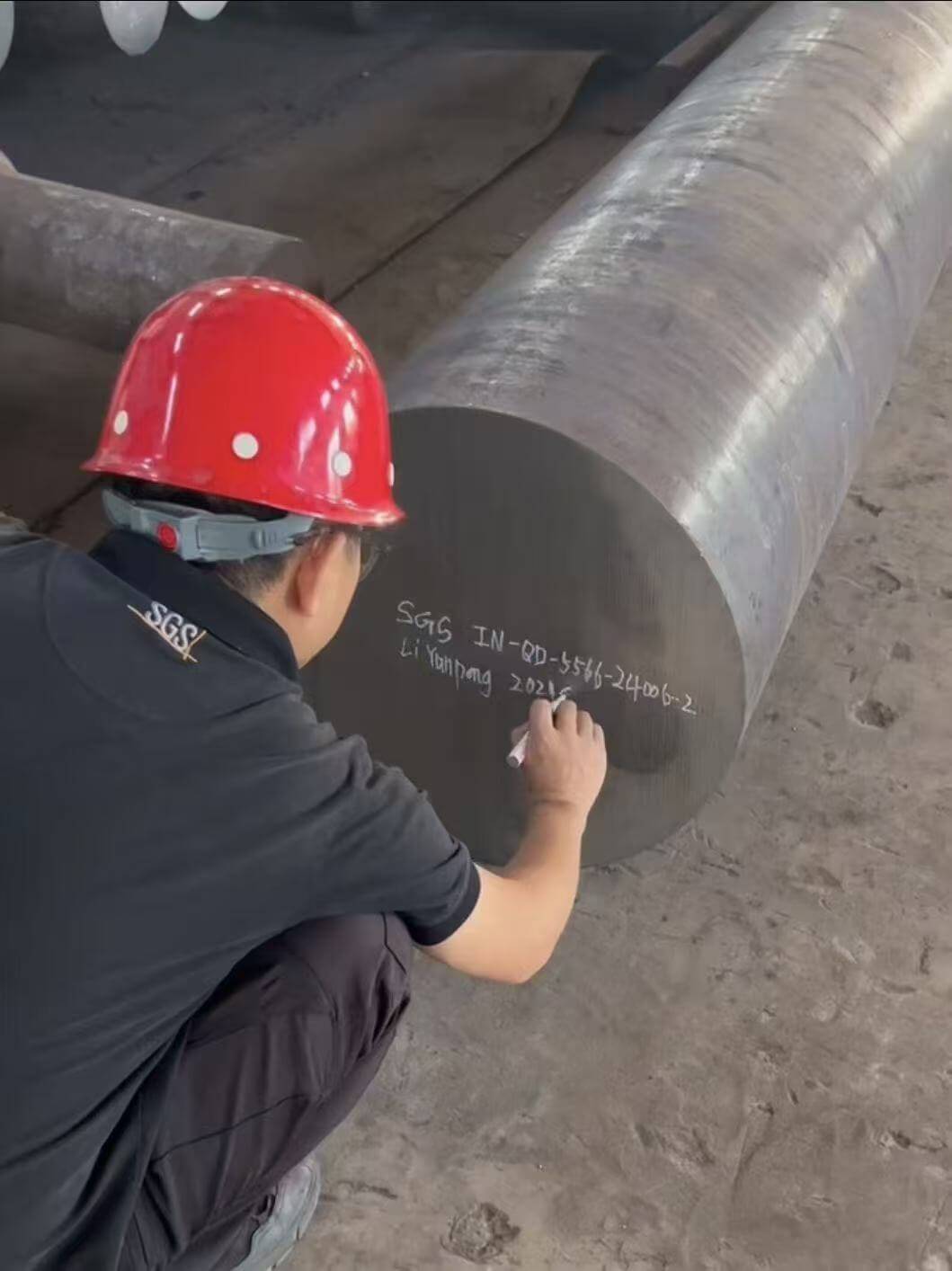
- Strict QC:Vacuum induction melting (VIM) + electroslag remelting (ESR), composition tolerance ≤±0.5%.
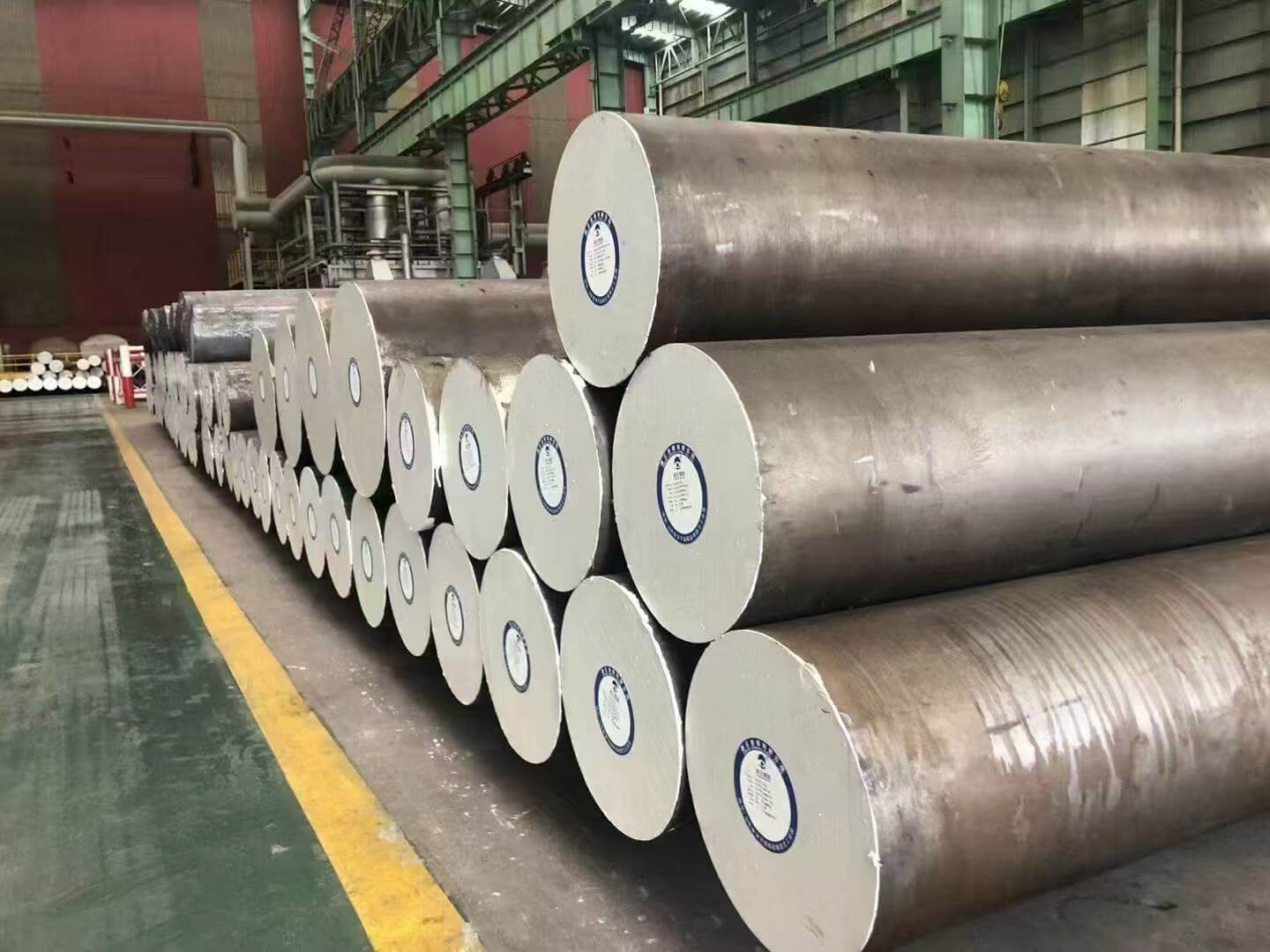
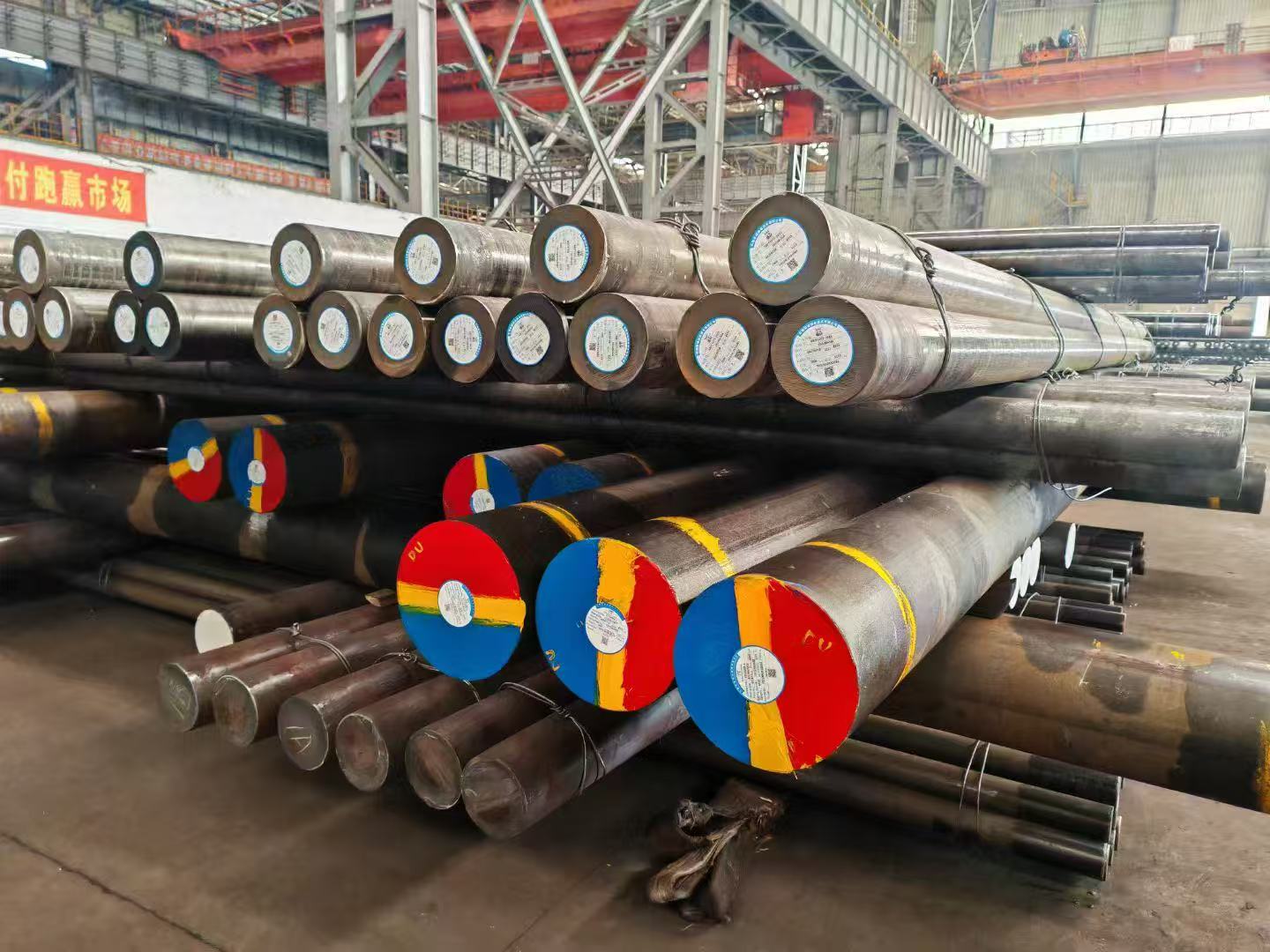
- Full-Size Coverage:Bar diameter Φ10-300mm, custom lengths up to 6 meters.
- Technical Support:Welding guidance (recommended filler: ERNiCr-3) and post-weld heat treatment solutions.
Applications & Industries
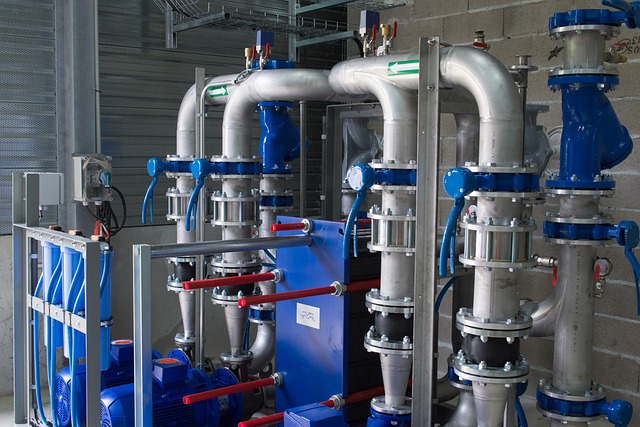
Aerospace:
High-power density actuators.

Electronics:
Precision sensors & MEMS components.
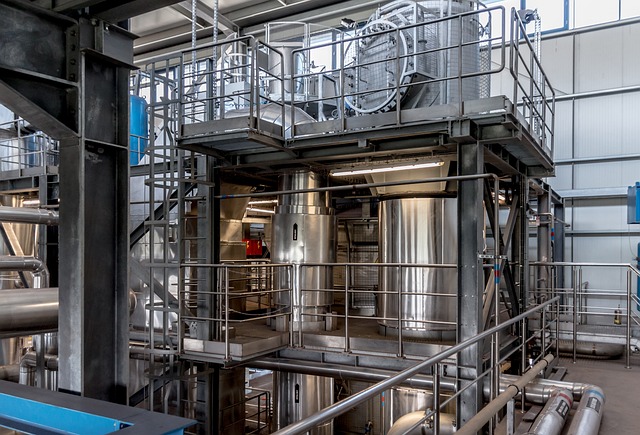
Energy:
Magnetic coupling devices for turbines.
Frequently Asked Questions
Q1: Difference between Incoloy 800HT and 800H?
A: 800HT has lower carbon content (≤0.10%) and superior high-temperature creep resistance.
Q2: Suitable for hydrochloric acid environments?
A: Not recommended. Limited corrosion resistance in HCl/H₂SO₄; suggest Hastelloy alloys instead.
Q3: Minimum order quantity (MOQ)?
A: Small trial orders accepted; standard sizes readily available.
Q4: What are the recommended heat treatments?
A: Solution annealing at 1149°C (2100°F) followed by air cooling to achieve optimal microstructure. Cold-worked parts require stress-relief annealing at 982°C (1800°F).
Q5: What are its corrosion resistance limits?
A: Resists nitric acid, organic acids, and chloride stress corrosion cracking but may suffer in reducing sulfuric acid environments.
Ready to source alloy steel from a trusted Chinese manufacturer?
Let us support your project with reliable quality, fast delivery, and expert service.
Get a quote today — we usually respond within 12 hours.