- You are here:
- Home /
- Products /
- Alloy Steel /
- Titanium Alloys /
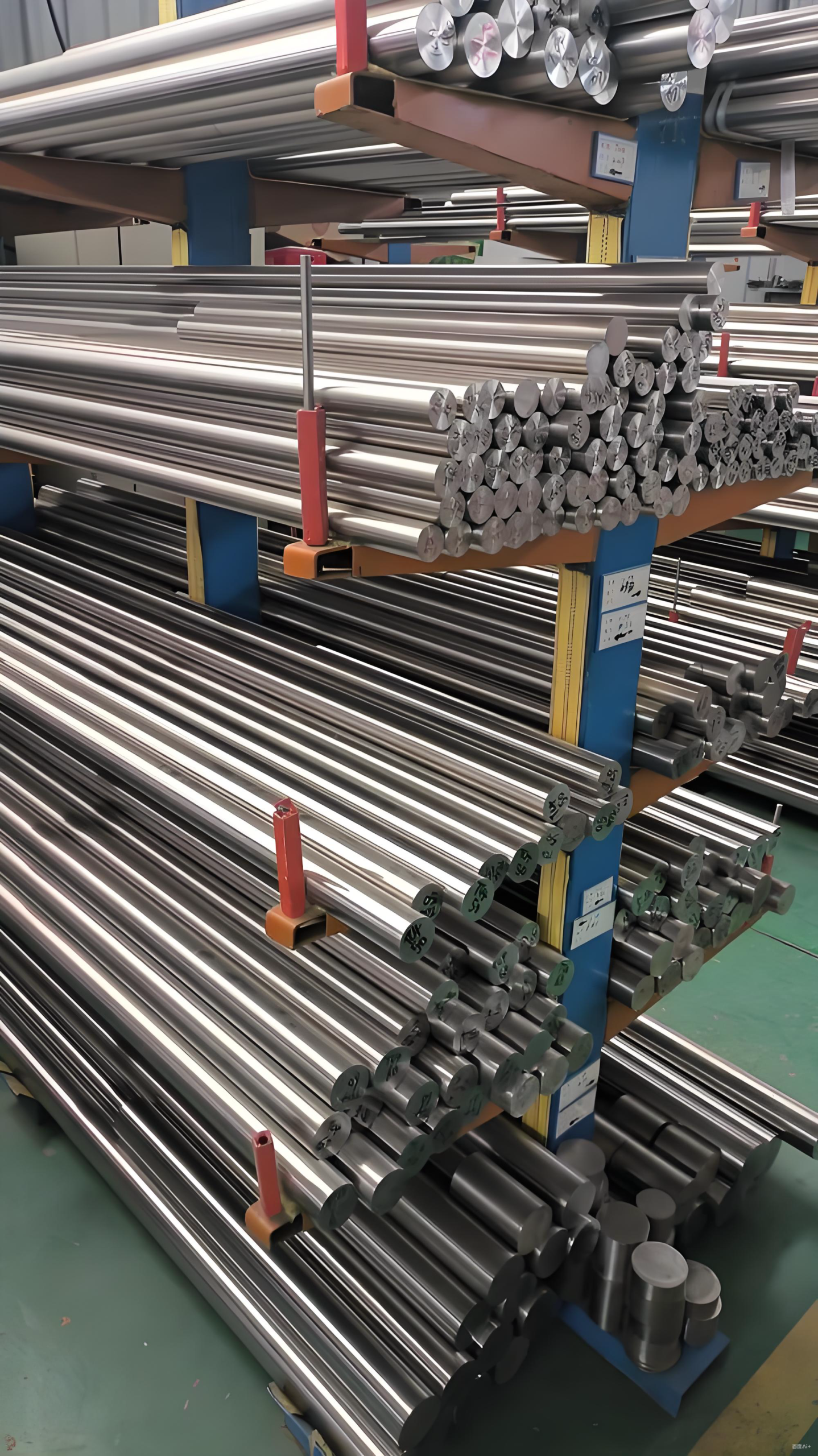
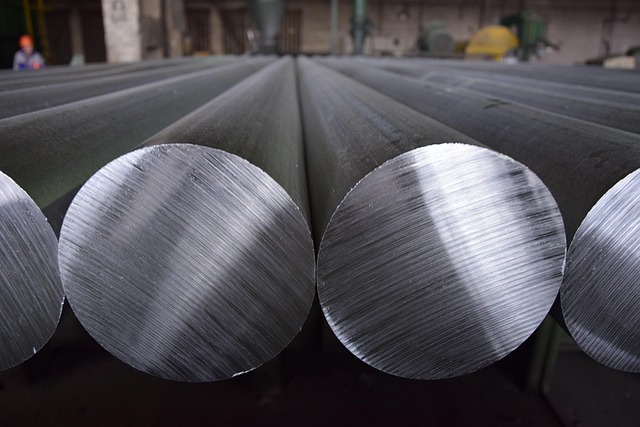
High-Purity TA1 Titanium Alloy Rods
Resistance · Medical-Grade Biocompatibility · Industrial Reliability
TA1 (Gr1), as the representative of industrial pure titanium, with over 99.5% titanium purity, sets the benchmark for corrosive environments and biomedical applications:
- Ultimate Corrosion Resistance: Outperforms stainless steel in chloride, seawater, and oxidative media with zero maintenance
- Biosecurity Certified: Complies with ISO 5832-2/ASTM F67 for medical implants (non-cytotoxic)
- Lightweight Pioneer: Density of 4.51g/cm³ with unbeatable strength-to-weight ratio
- Cryogenic Toughness: Maintains high ductility even at -196°C (liquid nitrogen)
- Non-Magnetic Insulator: Ideal for MRI equipment and precision instruments
Chemical Composition
Element | C | Fe | O | N | H | Ti |
Content | ≤0.08 | ≤0.20 | ≤0.18 | ≤0.03 | ≤0.015 | Balance |
Tensile Strength | Yield Strength | Elongation | Reduction of Area | Hardness |
≥240 MPa | ≥170 MPa | ≥30% | ≥50% | ≤120 HV |
Surface Treatment
- Standard Grade: Turned/ground finish (Ra≤1.6μm)
- Precision Grade: Centerless grinding + polishing (Ra≤0.8μm) with ultrasonic cleaning
- Medical Grade: Acid pickling + passivation (EP grade) + vacuum packaging
- Customized: Sandblasting, anodizing (color options available)
Core Properties of TA1 Titanium Alloy Rods
TA1 titanium alloy rods are industrially pure titanium materials with a titanium content of ≥99.5% and extremely low levels of impurities such as oxygen, nitrogen, and carbon. This high purity provides the following advantages:
1. Lightweight and High Strength: With a density of only 4.51 g/cm³ (approximately 60% of that of steel), they achieve a tensile strength of 345-550 MPa and a yield strength of 205 MPa, combining low weight with high load-bearing capacity.
2. Excellent Corrosion Resistance: They perform exceptionally well in seawater, chloride, and strong acid environments, far exceeding stainless steel, making them suitable for use in extreme applications such as chemical and marine applications.
3. Excellent Processability: With an elongation of 20%-30%, they can be formed through forging, rolling, and other processes, and exhibit excellent weldability and cutting properties.
Physical and Mechanical Properties
1. Thermal Stability: Thermal conductivity of 15.24 W/m·K, linear expansion coefficient of 8.6×10⁻⁶/°C, and minimal deformation at high temperatures. 2. Electrical Properties: High resistivity (4.2×10⁻⁶Ω·m) and non-magnetic properties make it suitable for electromagnetically sensitive devices.
3. Biocompatibility: Non-toxic and medically certified, it is suitable for implantable devices.
Typical Applications
1. Aerospace: Aircraft frames and engine accessories, leveraging its lightweight and high-strength advantages.
2. Chemical Equipment: Corrosion-resistant piping and heat exchangers, designed to withstand strong acid and alkaline environments.
3. Medical Devices: Artificial joints and dental implants, relying on its biocompatibility.
4. Marine Engineering: Desalination system components, resisting seawater corrosion.
5. Automotive: Diesel engine pistons and connecting rods, improving fuel efficiency.
Comparison with Other Titanium Alloys
Compared to TA2 (higher strength) or TC4 (containing alloying elements), TA1 emphasizes the ductility and corrosion resistance of pure titanium, making it suitable for applications requiring high formability.
Why Choose Us ?
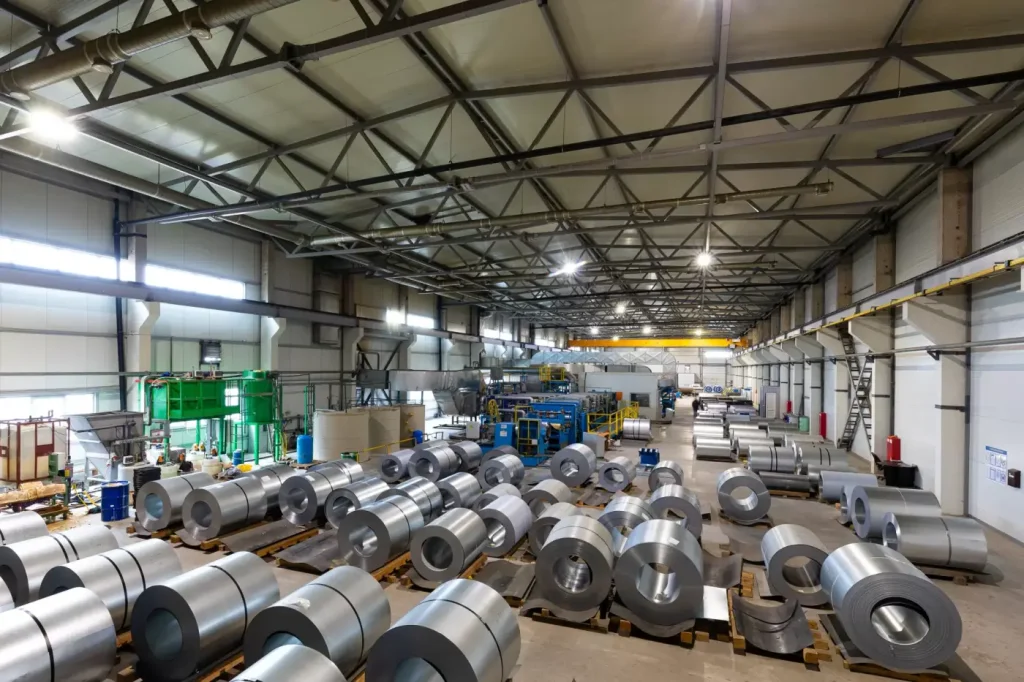

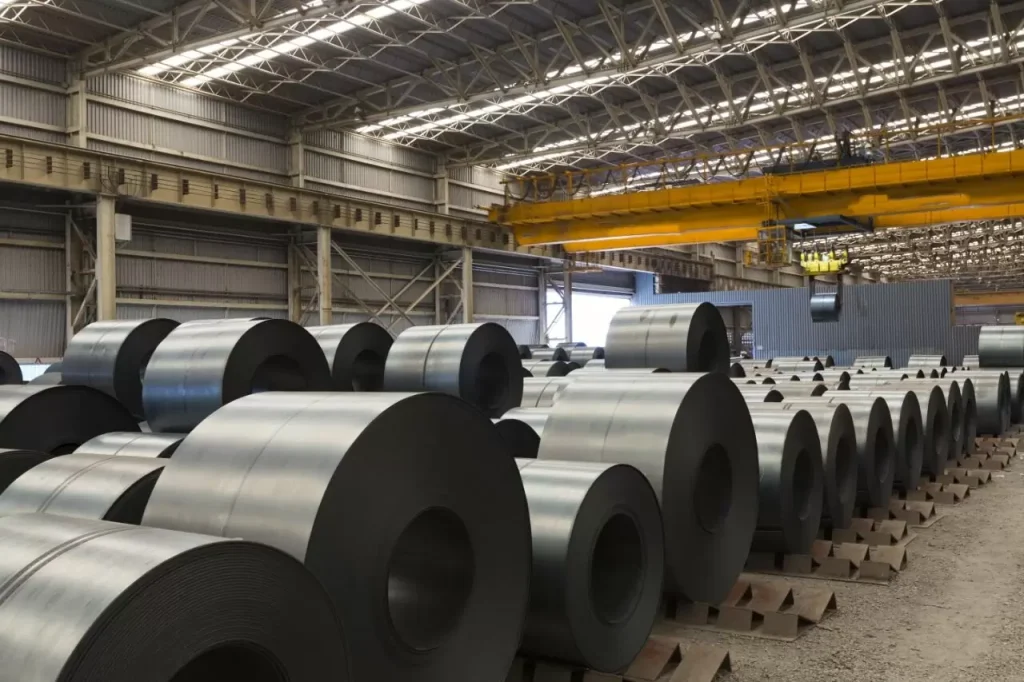
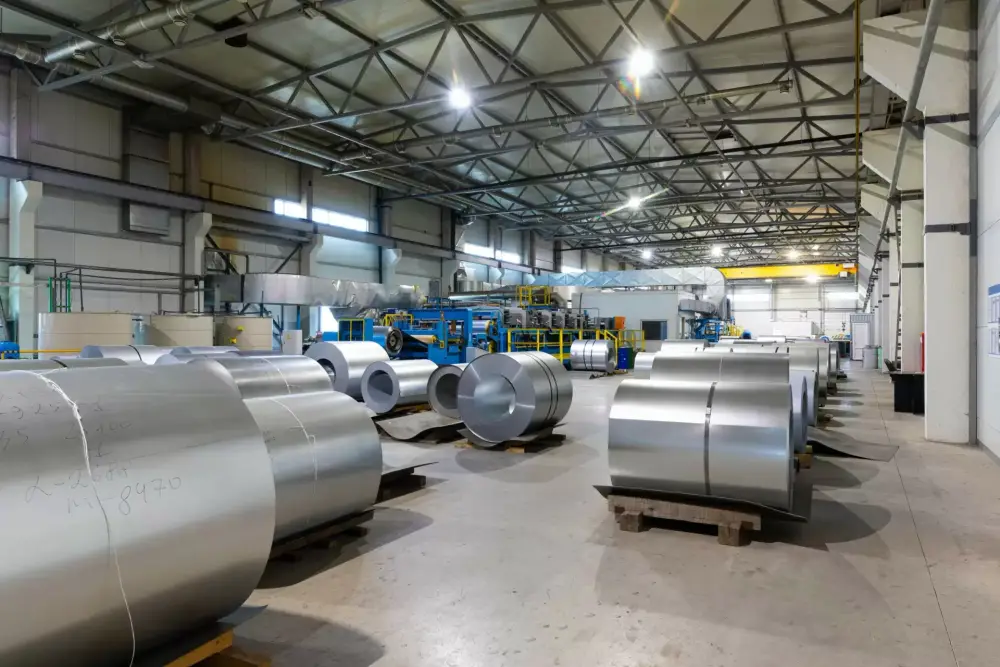
- Raw Material Control: Aerospace-grade 0-level sponge titanium (GB/T 2524 compliant)
- Proprietary Process: Triple forging/rolling + vacuum annealing (grain size≥5, β-phase≤5%)
- Certification: Batch-wise SGS reports including interstitial element analysis
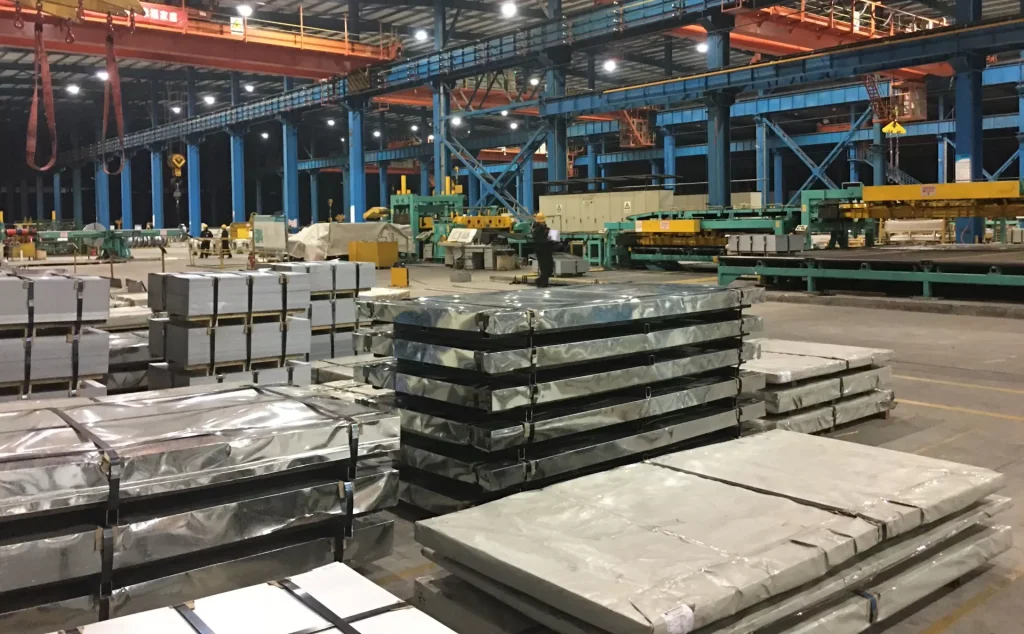
- Production Capacity: 2,000 tons/month stock, custom sizes (Φ5mm-Φ300mm)
- Eco-Friendly: Closed-loop electrolyte recycling (zero heavy metal discharge)
Applications & Industries
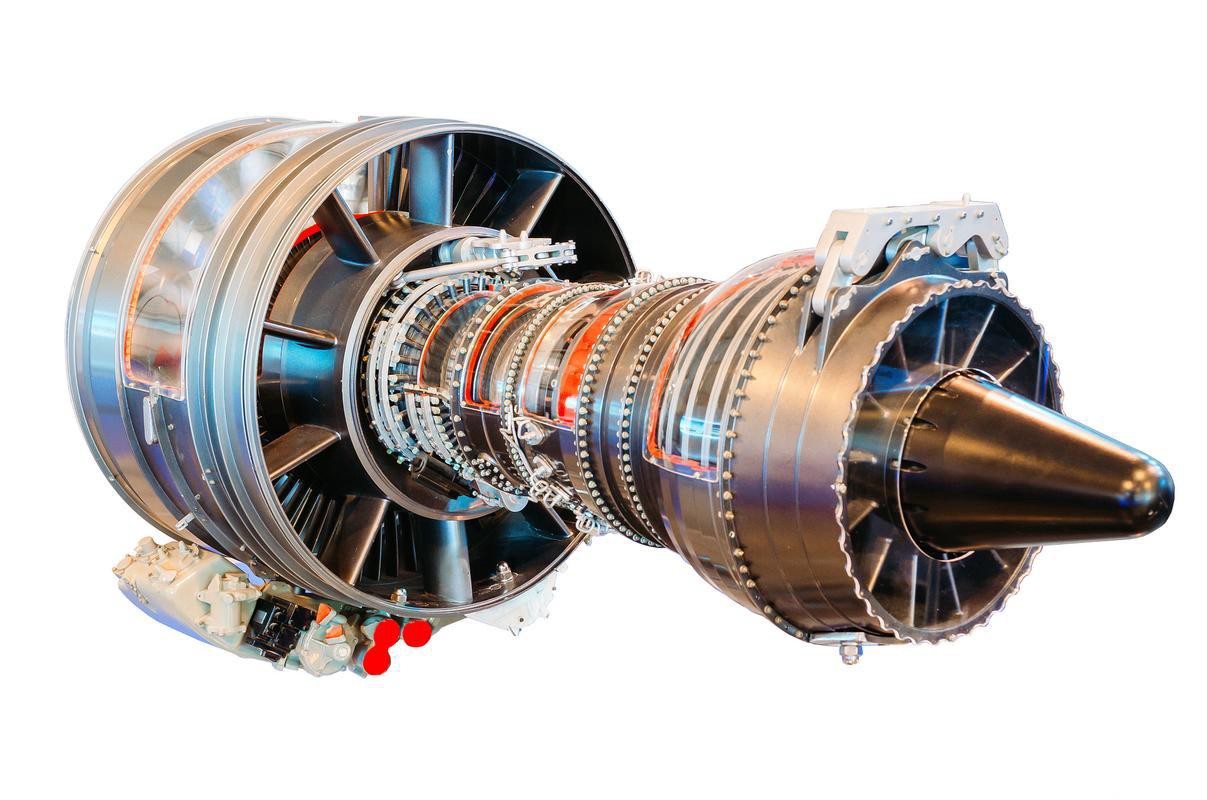
Aerospace:
Used for aircraft frames, skins, and engine components due to its high strength, corrosion resistance, and low density.
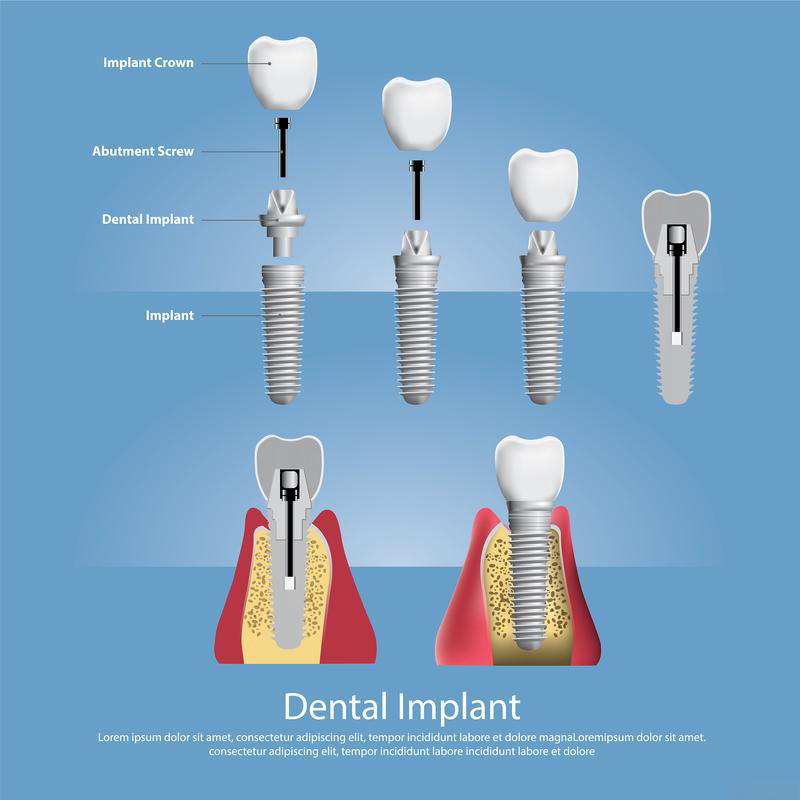
Medical Devices:
Commonly used in artificial joints, dental implants, and surgical instruments because of its biocompatibility.
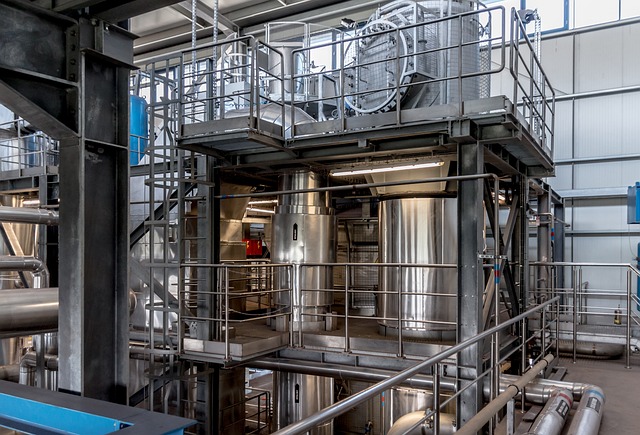
Marine Engineering:
Ideal for corrosion-resistant pipes, valves, and pumps in seawater environments.
Frequently Asked Questions
Q1: How to choose between TA1 and TC4 (Gr5)?
TA1: Prioritize corrosion resistance/cold forming (bending, expanding)
TC4: For load-bearing structures requiring >500MPa strength
Q2: How to prevent titanium adhesion during machining?
Solutions:
- PVD-coated tools (rake angle≥15°)
- High-pressure coolant flushing (chlorine-free fluids)
- Cutting speed 30-50m/min
Q3: What are the main applications?
Aerospace: Lightweight structural parts (e.g., aircraft frames).
Chemical: Reactors, pipelines for corrosive media.
Medical: Implants due to biocompatibility.
Q4: What manufacturing standards and specifications apply to TA1 titanium alloy rods?
A: TA1 titanium alloy rods adhere to international standards such as:
- ASTM B348: Covers titanium and titanium alloy bars, rods, and wires, specifying chemical composition, mechanical properties, and dimensional tolerances.
- GB/T Series: Chinese standards that outline similar requirements, ensuring compatibility with global supply chains.
- AMS 5.1.2: Focuses on material uniformity and consistency, particularly for aerospace applications.
Q5: What are the advantages of TA1 titanium alloy rods?
A: Advantages include:
- Exceptional corrosion resistance in diverse environments.
- High biocompatibility for medical use.
- Lightweight compared to steel alloys, beneficial for weight-sensitive applications.
Ready to source alloy steel from a trusted Chinese manufacturer?
Let us support your project with reliable quality, fast delivery, and expert service.
Get a quote today — we usually respond within 12 hours.