- You are here:
- Home /
- Products /
- Alloy Steel /
- Hastelloy Alloy /
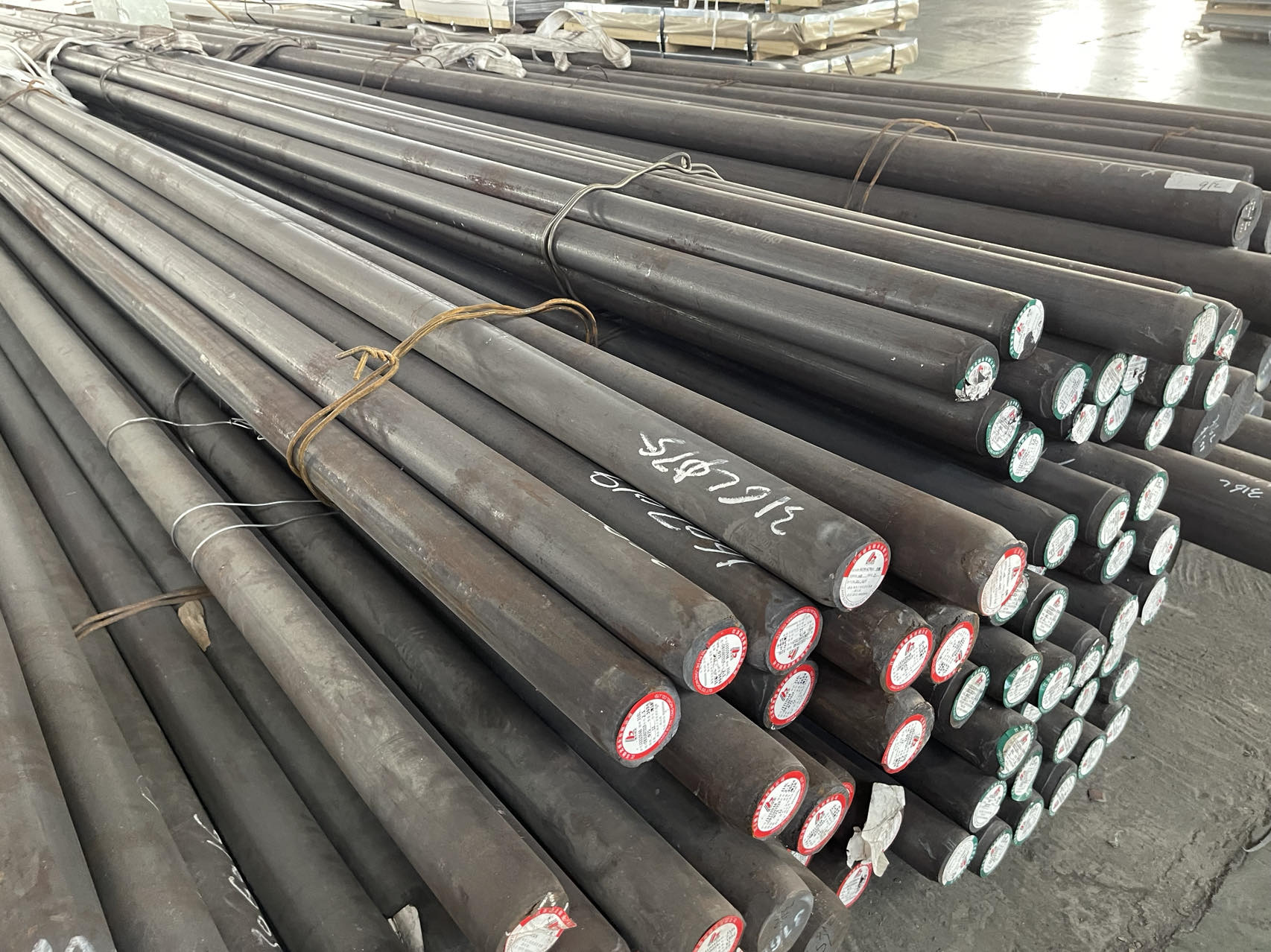
- Hastelloy® C2000 (UNS N06200) High-Temperature Corrosion-Resistant Bar Stock
Hastelloy® C2000 (UNS N06200) High-Temperature Corrosion-Resistant Bar Stock
- Universal Corrosion Resistance:Superior performance in both oxidizing/reducing media, especially in mixed acids (e.g., H₂SO₄ + HCl + HF)
- Thermal Stability: Service temperature up to 1100°C with exceptional creep resistance
- Manufacturability:Excellent hot forging (1080°C~900°C) and cold workability for customized dimensions
Chemical Composition (wt%)
Element | Standard (wt%) | Tolerance |
Ni | ≥59.0 | ±0.5 |
Cr | 23.0-24.0 | ±0.3 |
Mo | 15.0-17.0 | ±0.2 |
Cu | 1.3-1.9 | ±0.1 |
C | ≤0.01 | – |
Si | ≤0.08 | – |
Mn | ≤0.50 | – |
P | ≤0.020 | – |
S | ≤0.080 | – |
Standards: ASTM B574 / GB-T14992-2005 |
|
1. Performance Characteristics
1.1 Chemical Composition Advantages
Hastelloy C2000 is based on nickel (approximately 55%-65%), with added elements such as chromium (22%-24%), molybdenum (15%-17%), and copper (1.3%-1.9%). The high chromium content enhances oxidation resistance, while molybdenum improves corrosion resistance in reducing media. The addition of copper significantly improves its stability in reducing acids such as sulfuric acid. The low carbon content (≤0.010%) effectively reduces the risk of intergranular corrosion.
1.2 Physical and Mechanical Properties
Strength and Plasticity: Tensile strength reaches 690 MPa, yield strength 310 MPa, and elongation 40%, combining high strength with excellent plasticity.
Thermal Stability: Thermal conductivity is 9.1 W/(m·K), specific heat capacity is 427 J/kg·K, and performance can be maintained at temperatures above 540°C.
Machinability: Suitable for hot rolling, forging, and other processes, but requires low-speed cutting to minimize work hardening.
1.3 Corrosion Resistance
Universal Corrosion Resistance: Excellent in both oxidizing (such as nitric acid) and reducing (such as hydrochloric acid and sulfuric acid) media, particularly suitable for complex mixed environments.
Localized Corrosion Resistance: Highly resistant to pitting and crevice corrosion, suitable for environments containing chloride ions.
2. Main Applications
2.1 Chemical and Petroleum Industries
Used in the manufacture of reactors, heat exchangers, valves, and pipelines, handling corrosive media such as strong acids and alkalis. In oil production, suitable for high-temperature and high-pressure components such as drilling equipment.
2.2 Marine Engineering
Used in seawater cooling systems, deep-sea pipelines, and drilling platforms, withstanding seawater corrosion and high-pressure environments.
2.3 Energy and Environmental Protection
Nuclear Energy: Used in the manufacture of nuclear reactor fuel rod casings, resistant to radiation corrosion.
Environmental Protection Equipment: Used in sewage treatment plants and exhaust gas treatment systems to combat acidic exhaust gas corrosion.
2.4 Other Applications
Aerospace: High-temperature components such as combustion chamber parts.
Electronics and Pharmaceuticals: Precision instruments and pharmaceutical equipment require high cleanliness and corrosion resistance.
Hastelloy C2000, with its all-round corrosion resistance and high-temperature strength, is an ideal material choice for extreme operating conditions.
Surface Treatment
- Precision Polishing:Ra≤0.8μm for hygienic applications (pharmaceutical/food)
- Pickling & Passivation:HNO₃-HF solution treatment for enhanced passive film density
- Sandblasting:Ideal for coating adhesion in industrial components
Why Choose Us ?
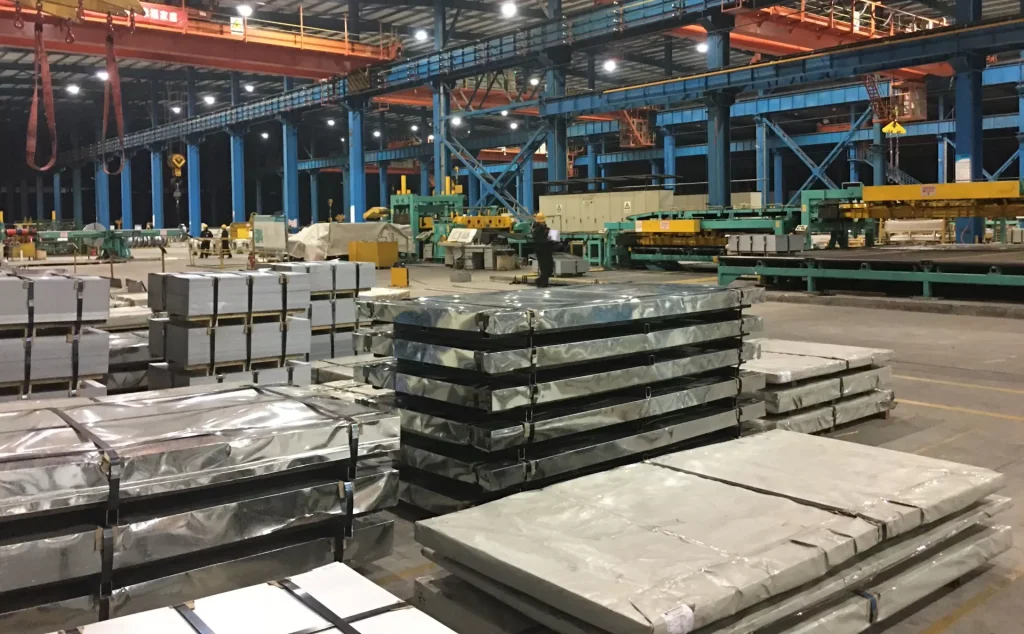
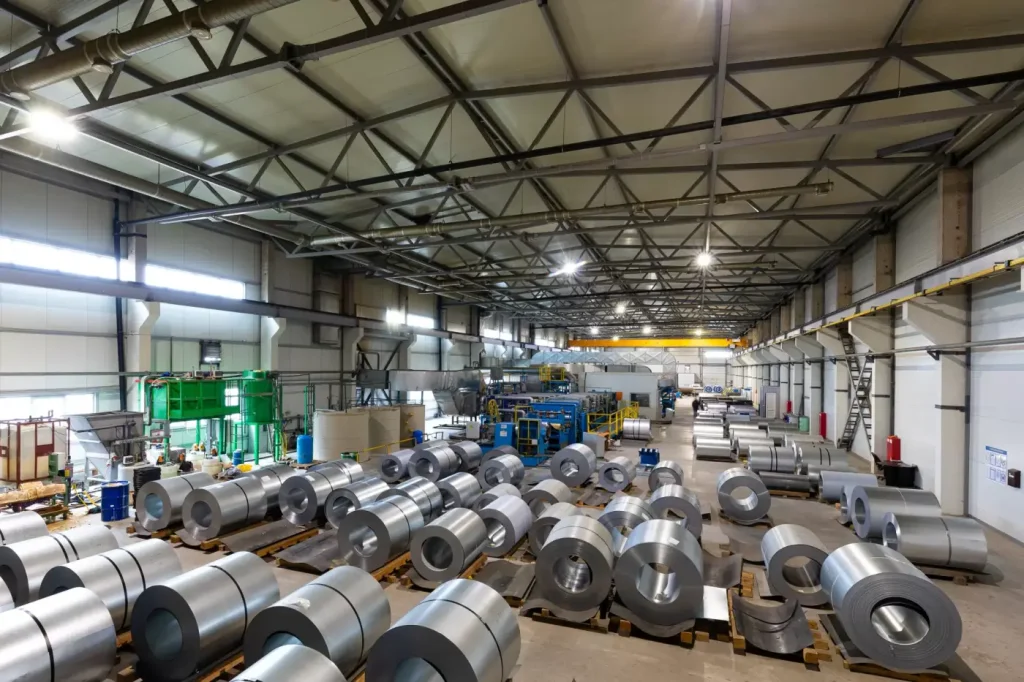
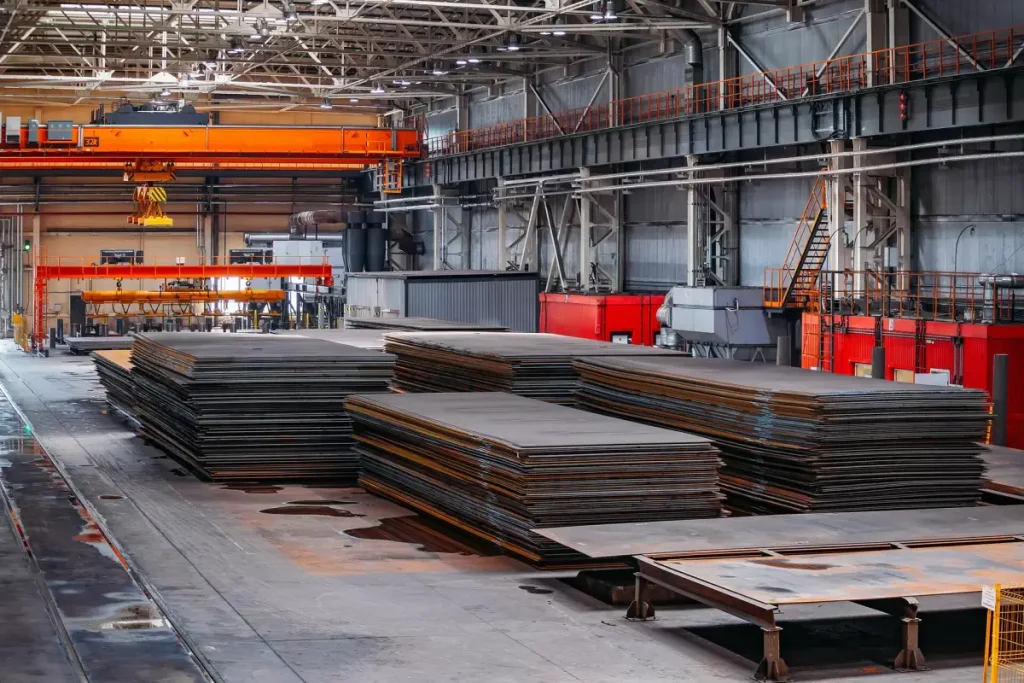
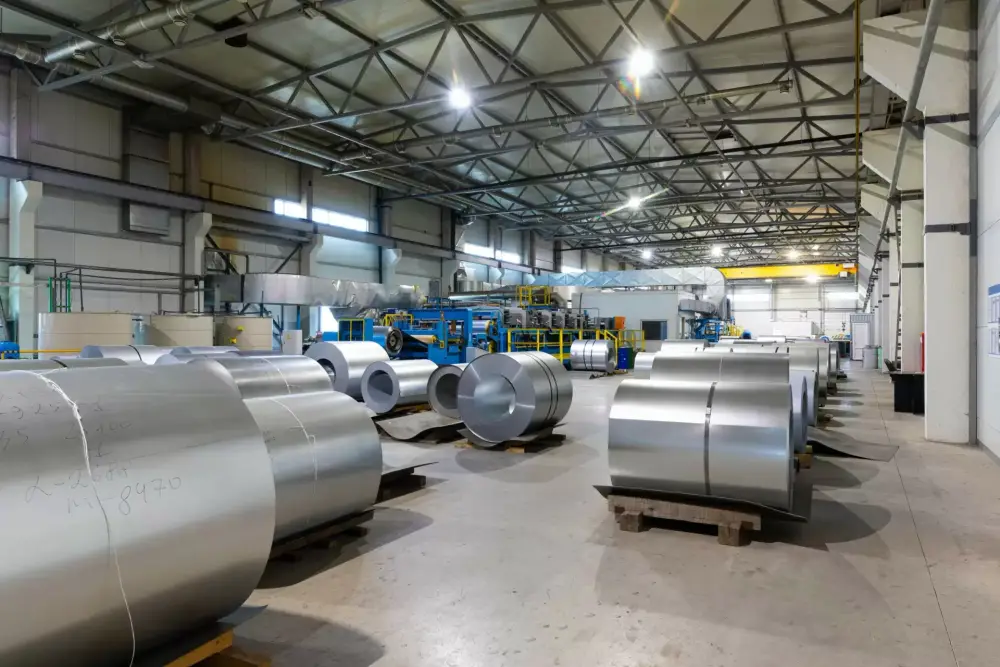
- Process Control:VIM+ESR dual-process with oxygen content ≤50ppm
- Testing:Batch-specific ICP reports + UT certificates
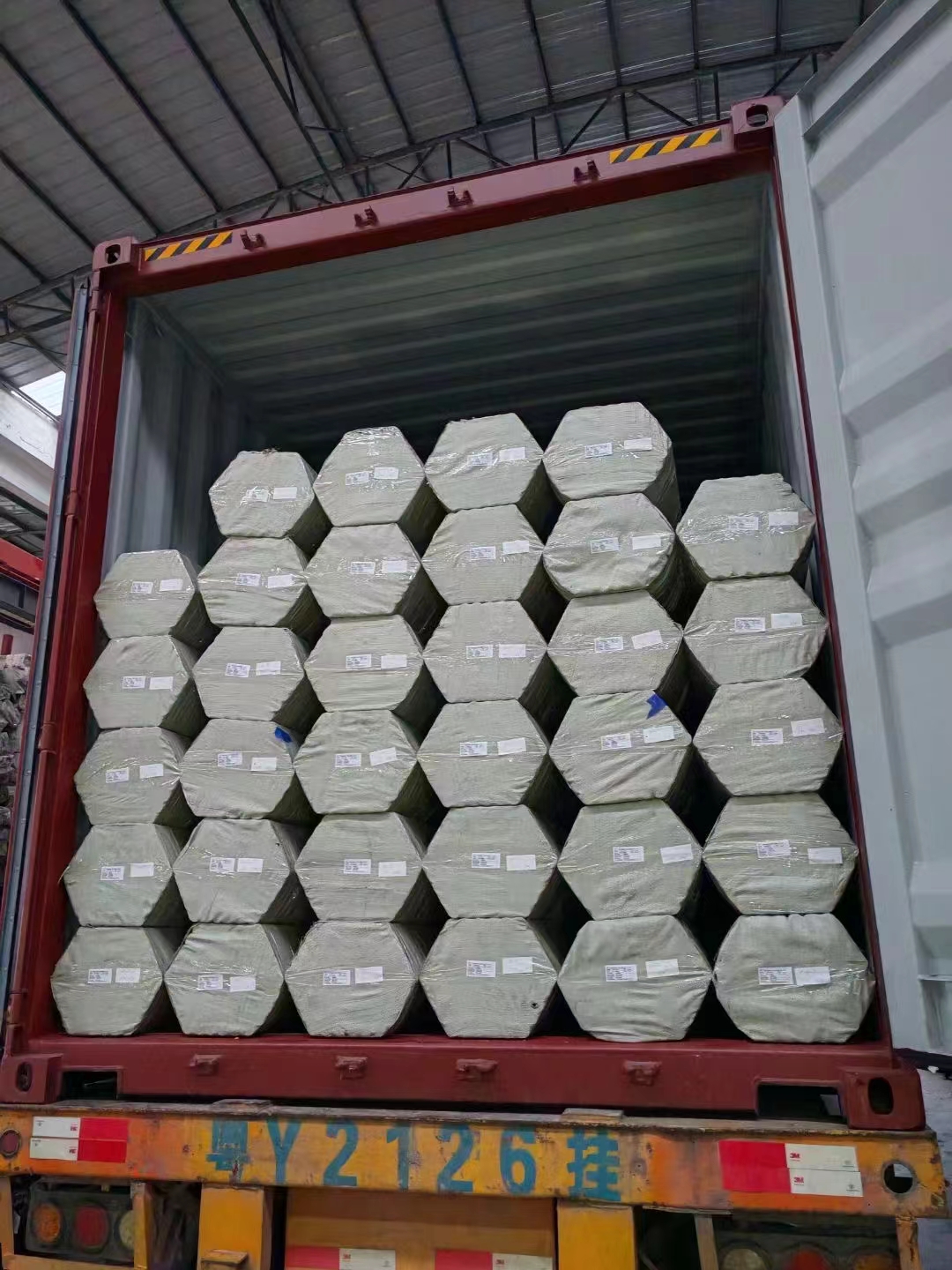
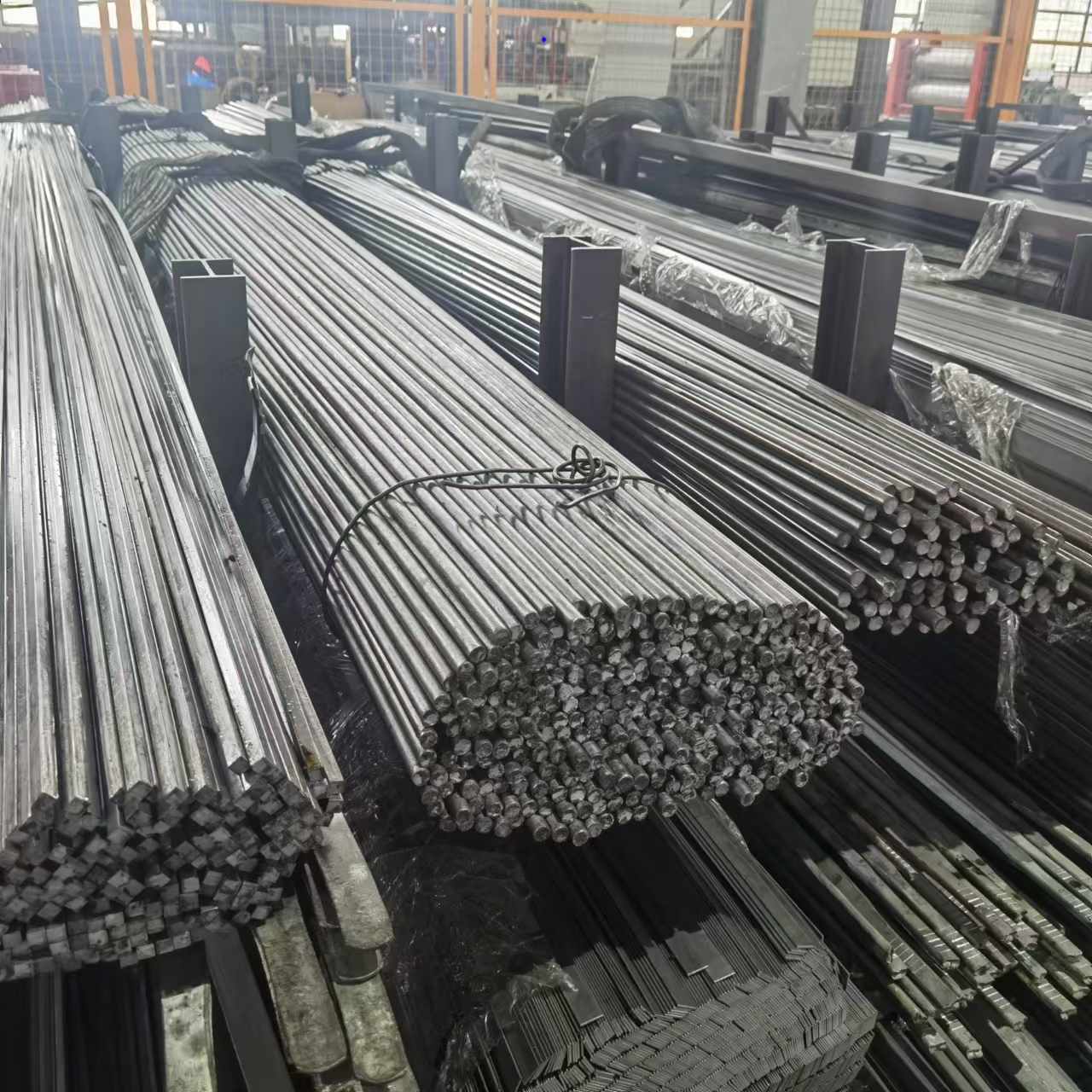
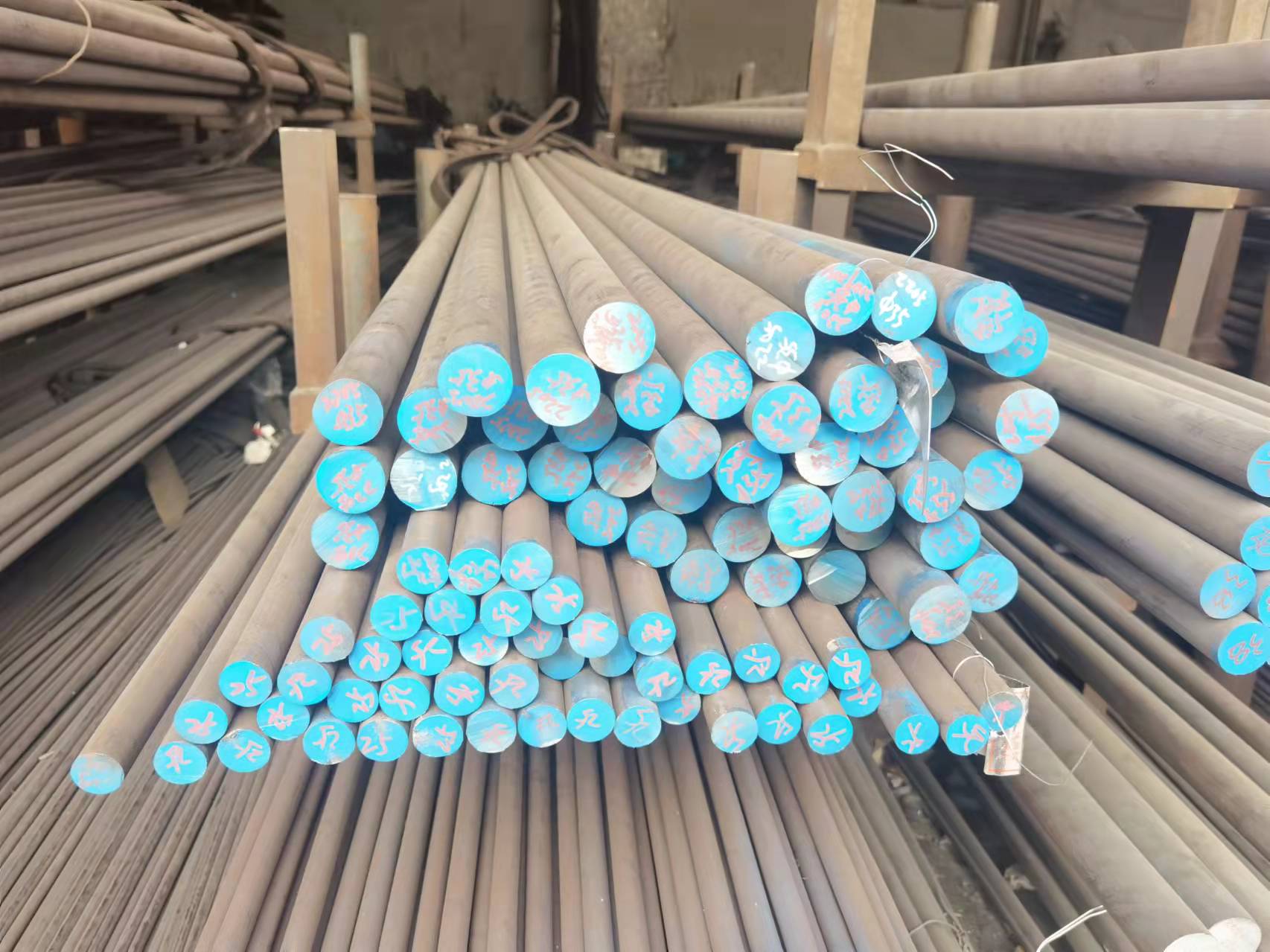
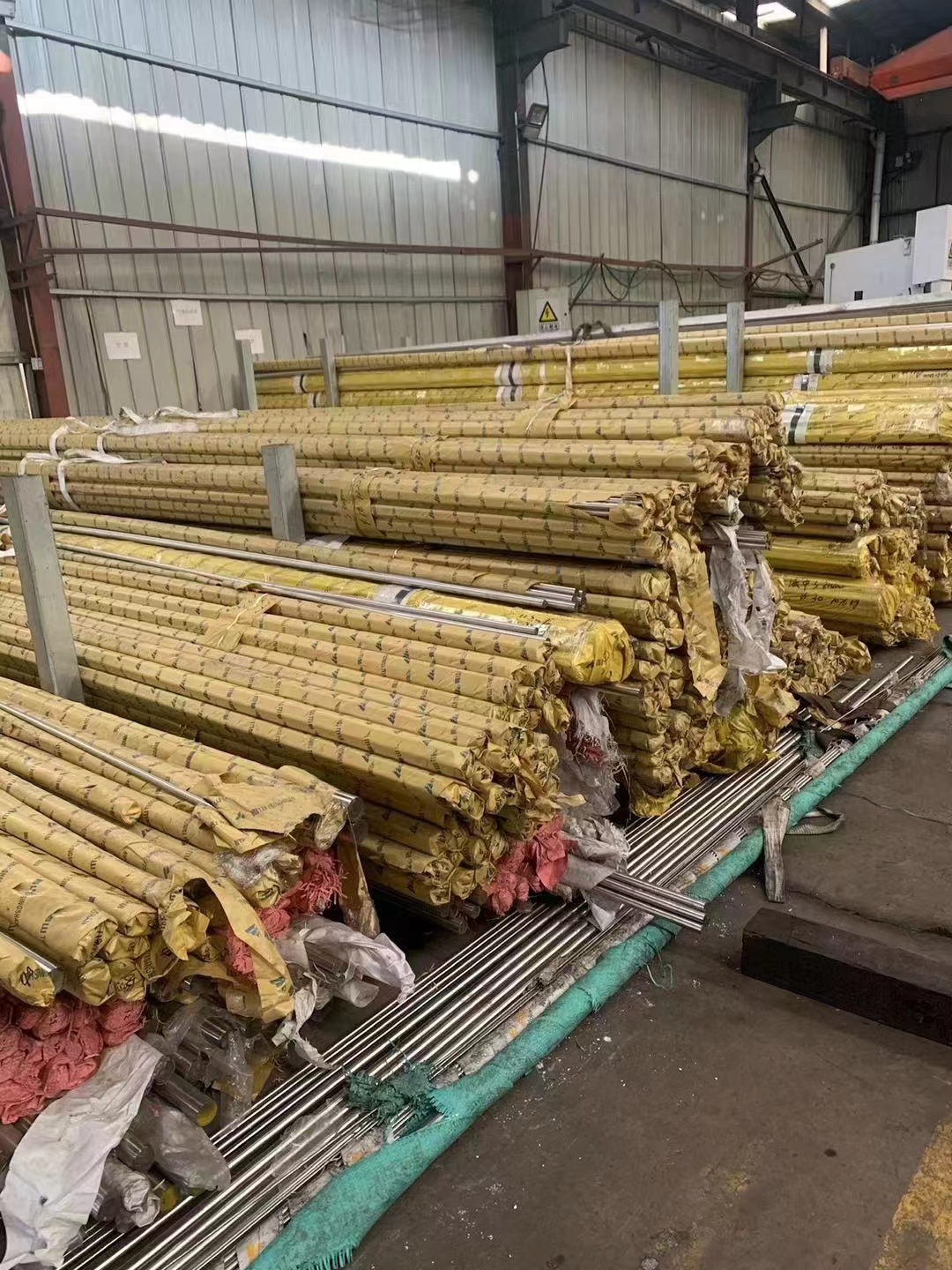
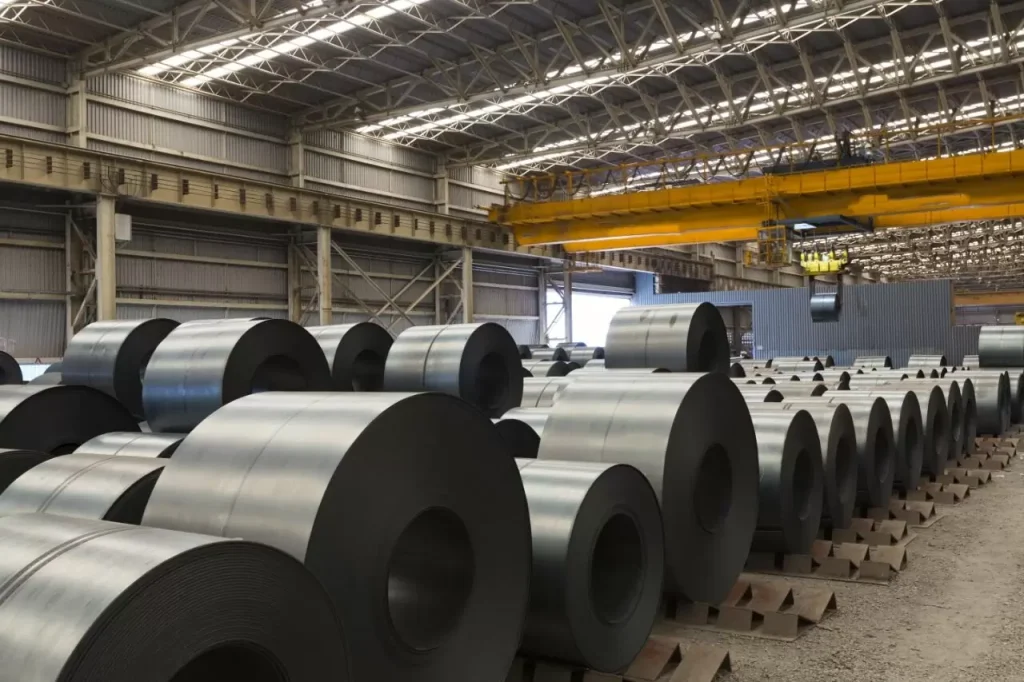
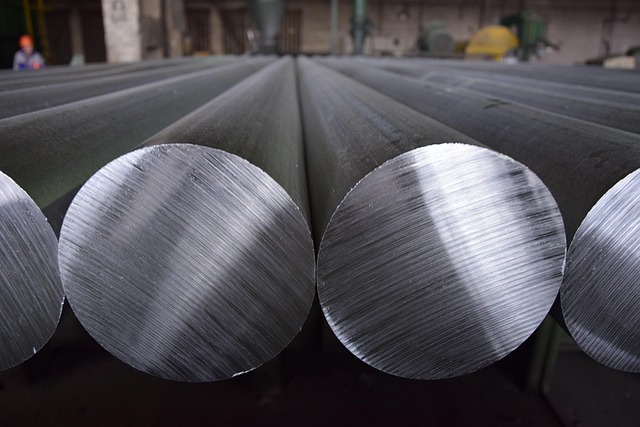
- Inventory:Standard stocks (Φ20-300mm) + custom sizes
Applications & Industries
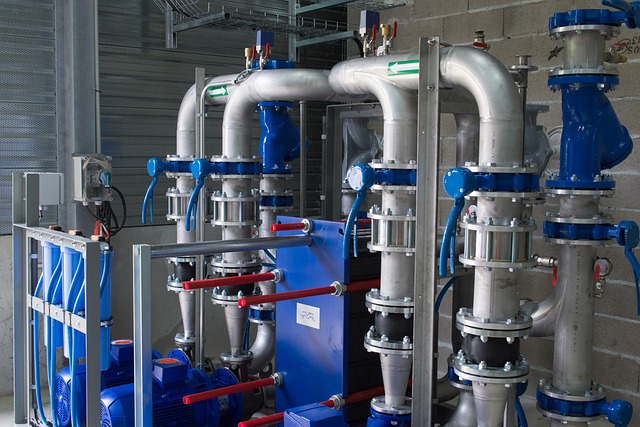
Petrochemical:
Sulfuric acid + H₂S environments.

Pharma:
Organic acids + halide mixtures.
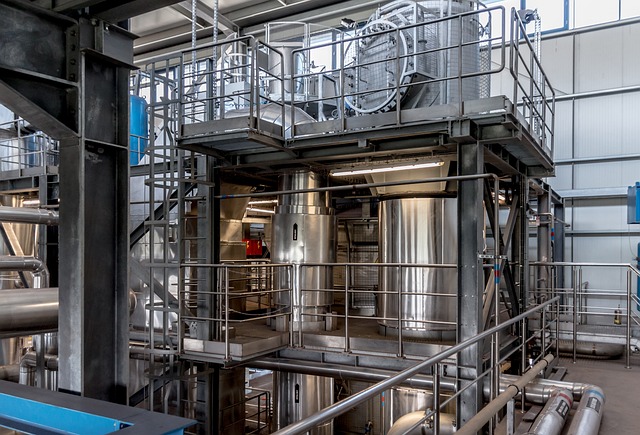
Energy:
Wet SO₂ + chlorides at high temp.
Frequently Asked Questions
Q1: What are the primary applications of Hastelloy C-2000 rod?
A: The alloy is widely used in chemical processing equipment (reactors, heat exchangers), pollution control systems (FGD components), and pharmaceutical manufacturing where exposure to aggressive chemicals requires materials with exceptional corrosion resistance.
Q2: How does C-2000 compare to other Hastelloy alloys?
A: C-2000 offers superior performance in sulfuric acid environments compared to C276 due to its copper content, while maintaining excellent resistance to chloride-induced corrosion. It provides broader chemical compatibility than many other nickel-based alloys.
Q3: What are the standard specifications for C-2000 rod?
A: The material complies with ASTM B472 (Standard Specification for Forgings or Extruded Bars of Nickel Alloy) and other relevant standards including ASME SB472, with UNS designation N06200.
Q4: What are the machining considerations for C-2000 rod?
A: The alloy is classified as difficult to machine due to its work-hardening characteristics. Low cutting speeds, high feed rates, and sharp tools with proper coolant are recommended for optimal machining results.
Q5: What thermal treatments are recommended for C-2000 rod?
A: The material is typically supplied in solution-annealed condition. Post-weld heat treatment is not usually required, but should be evaluated based on specific application requirements.
Ready to source alloy steel from a trusted Chinese manufacturer?
Let us support your project with reliable quality, fast delivery, and expert service.
Get a quote today — we usually respond within 12 hours.