- You are here:
- Home /
- Products /
- Alloy Steel /
- Heat-Resistant Steel /
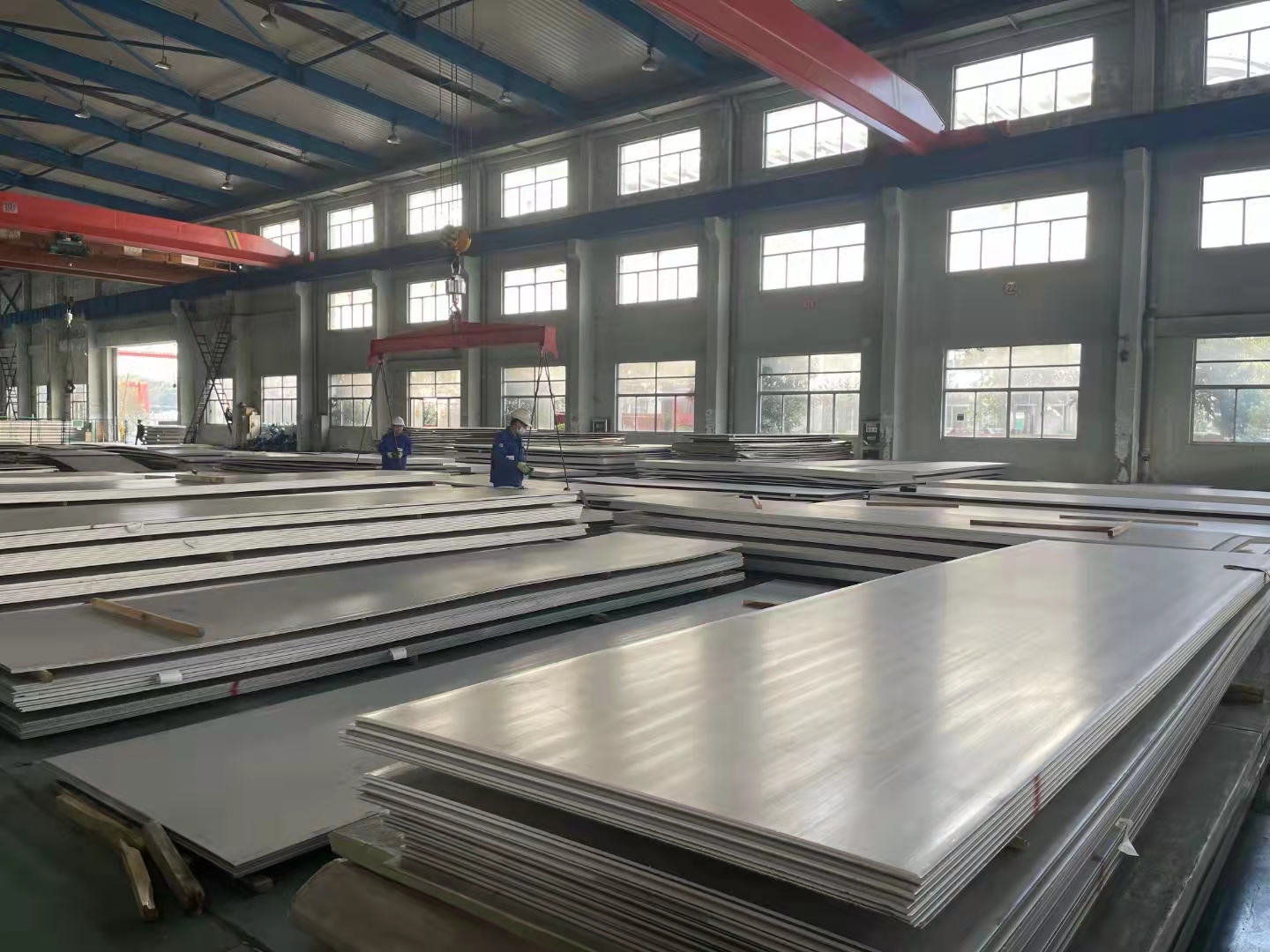
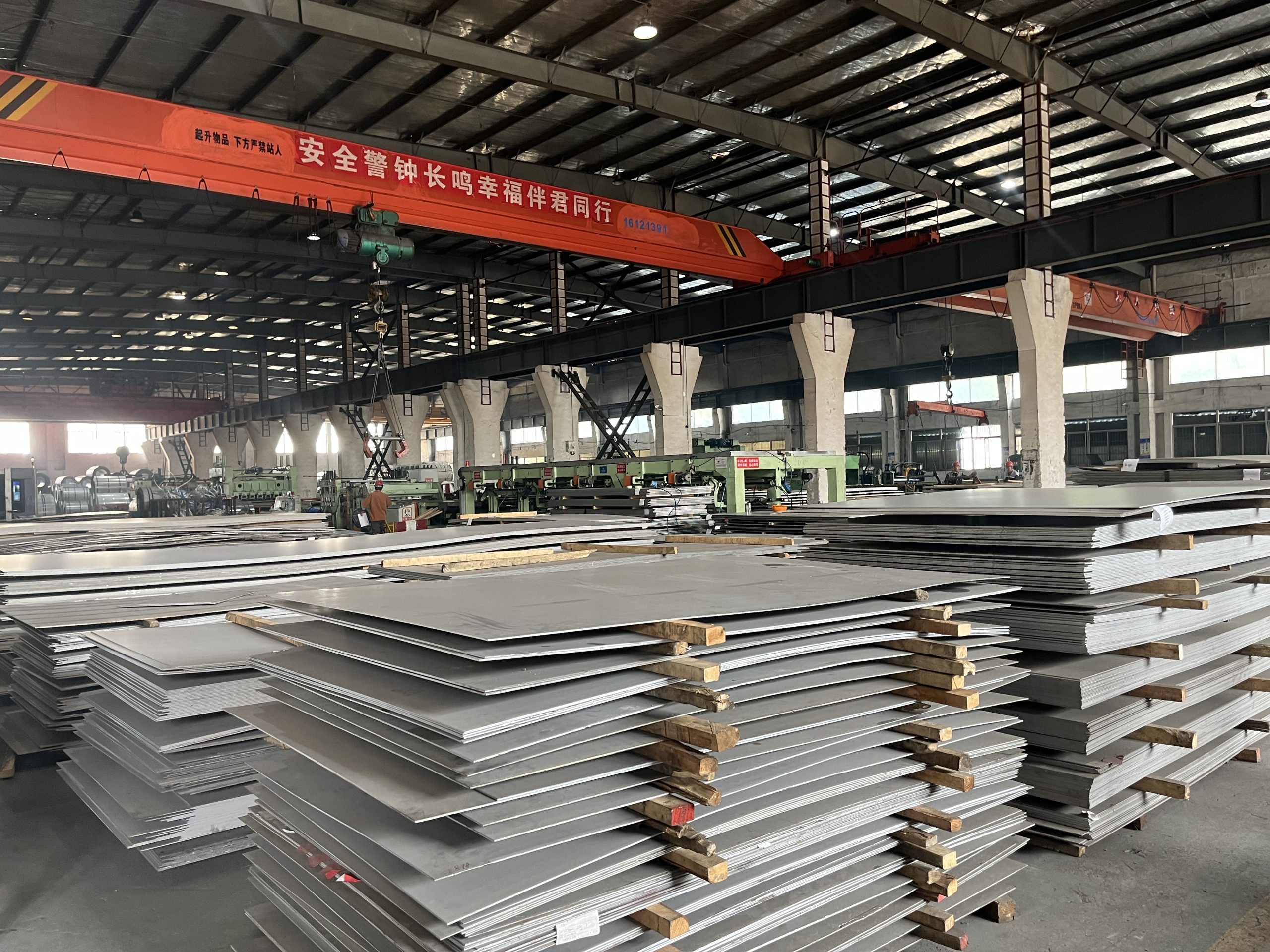
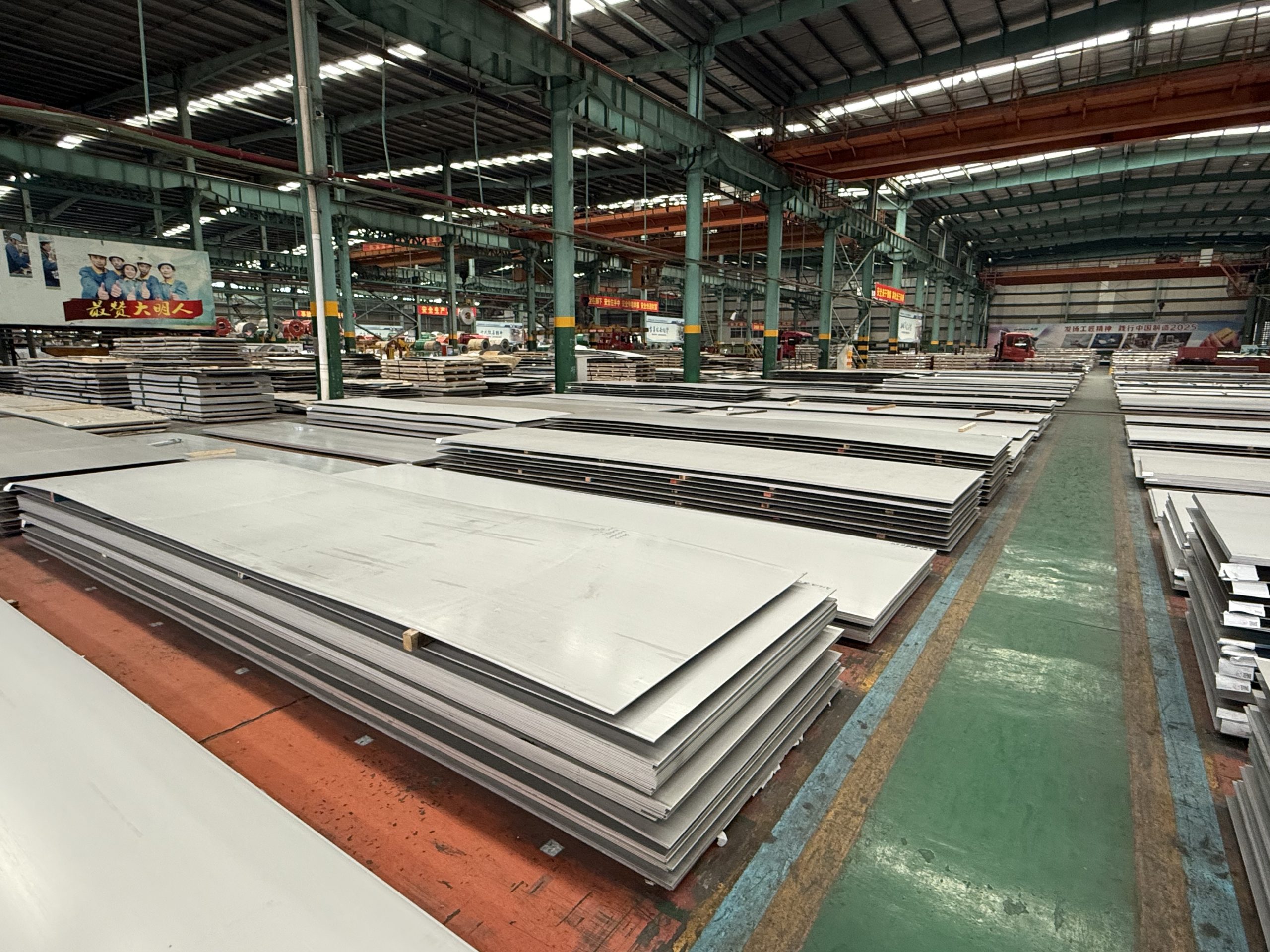
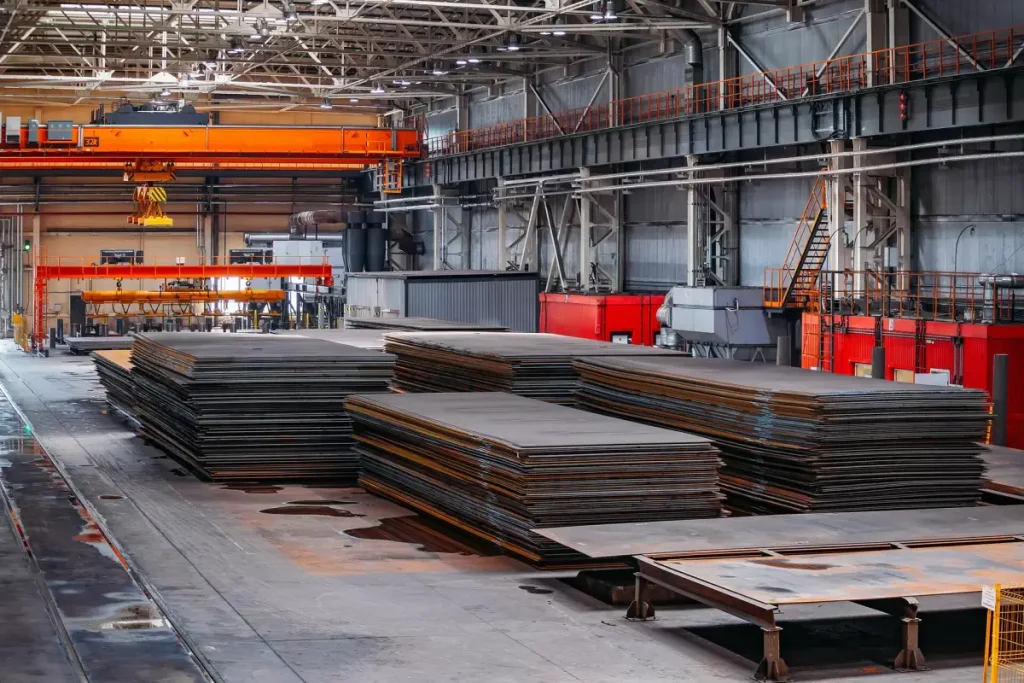
310S Austenitic Stainless Steel Hot-Rolled Thick Plate
- High-Temperature Resistance:Excellent oxidation resistance up to 1100°C due to high chromium (Cr) and nickel (Ni) content.
- Corrosion Resistance:Superior performance in acidic, alkaline, and chloride environments.
- Mechanical Strength:Maintains structural integrity under thermal stress and mechanical loads.
- Weldability:Low carbon content minimizes carbide precipitation, ensuring consistent weld quality.
Chemical Composition (wt%)
Element | Content (%) | Role |
C (Carbon) | ≤0.08 | Enhances hardness; controlled to avoid weld brittleness |
Si (Silicon) | ≤1.00 | Improves strength; excess reduces ductility |
Mn (Manganese) | ≤2.00 | Enhances toughness and hot workability |
P (Phosphorus) | ≤0.045 | Harmful impurity; limited to prevent brittleness |
S (Sulfur) | ≤0.030 | Minimized to avoid hot cracking |
Cr (Chromium) | 24.0–26.0 | Forms oxidation-resistant passive layer |
Ni (Nickel) | 19.0–22.0 | Stabilizes austenitic structure; improves corrosion resistance |
Others (Mo, Cu) | Trace | Optional for specific corrosion/strength needs |
310S Thick Plate: Performance Characteristics and Industrial Applications
1.Performance Characteristics
1.1 Extreme High-Temperature Resistance
310S thick plate is made of high-chromium-nickel austenitic stainless steel (containing 24%-26% chromium, 19%-22% nickel, and low carbon). It has an oxidation resistance temperature of up to 1150°C and a continuous operating temperature of up to 1100°C, far exceeding that of conventional stainless steels. It maintains high mechanical strength even at high temperatures (tensile strength >200 MPa at 500°C), effectively preventing thermal deformation.
1.2 Excellent Corrosion Resistance
The high chromium content forms a dense oxide film, imparting resistance to sulfidation, carburization, and chloride corrosion. It performs exceptionally well in sulfur-containing fumes and acidic media, making it particularly suitable for highly corrosive environments.
1.3 Processing and Welding Characteristics
Cold forming requires high-power equipment (high work hardening rate). 310/310Mo welding consumables are recommended for welding. Post-weld heat treatment is not required, but interpass temperature control is required.
1.4 High-Temperature Strength Retention
Maintains high yield strength (≥205 MPa) and elongation (≥40%) in high-temperature environments, ensuring long-term stability.
2.Main Applications
2.1 High-Temperature Industrial Equipment
Widely used in industrial furnace linings, boiler combustion chambers, heat treatment furnace components, and heat exchangers, withstanding extreme high temperatures in furnaces and combustion chambers.
2.2 Chemical and Petrochemical Industries
Used in petrochemical cracking furnaces, chemical reactors, and catalytic devices, ensuring equipment durability in highly corrosive media (such as sulfur-containing flue gases and acidic environments).
2.3 Energy and Environmental Protection Equipment
Suitable for nuclear power heat exchanger tubes, waste incinerator components, and exhaust gas treatment equipment, meeting the stringent requirements of high-temperature, high-pressure, or corrosive exhaust gases.
2.4 Special Structural Components
Manufacturing high-temperature bolts, rotary kiln discharge ports, and burner nozzles, extending the life of key components with its high-temperature strength.
Surface Treatment
- Pickling & Passivation:Removes scale and enhances corrosion resistance.
- Shot Blasting:For applications requiring painted surfaces.
- Cold Rolling (Optional):Improves surface finish for precision uses.
Why Choose Us ?
- Certified Quality:Complies with GB/T 38688-2020 and ASTM A240.
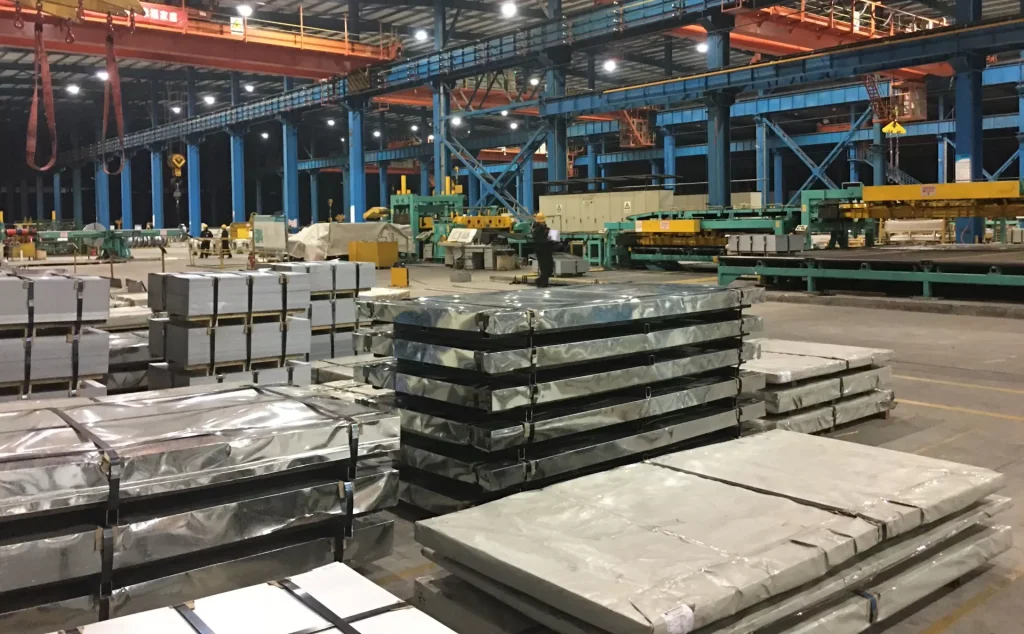
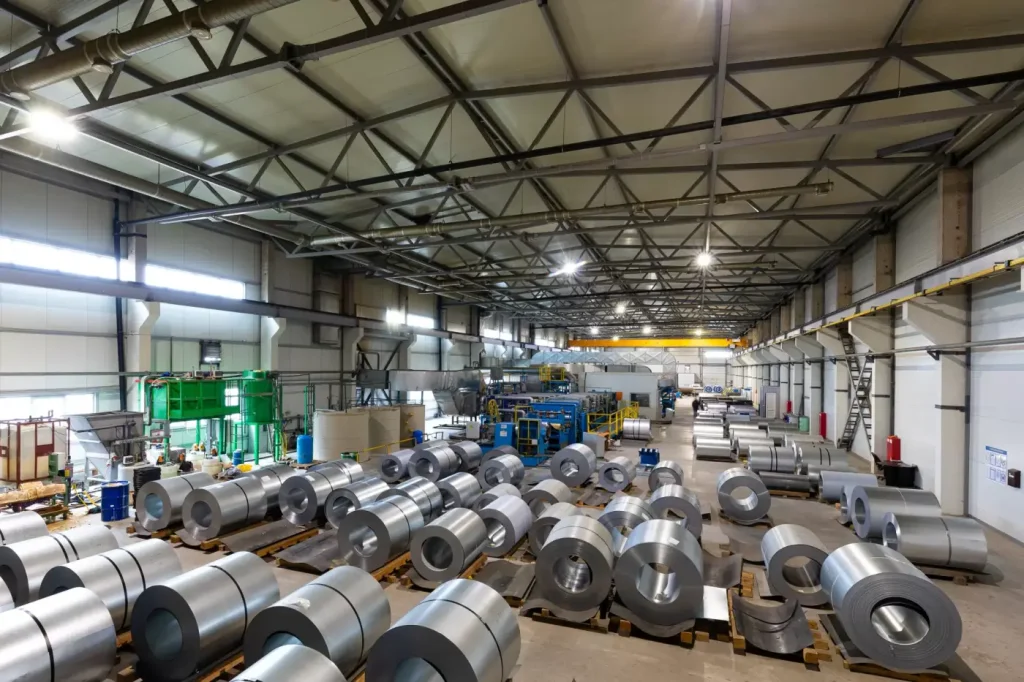
- Custom Sizing:Thickness 3–200mm, width ≤3000mm, length ≤15000mm.
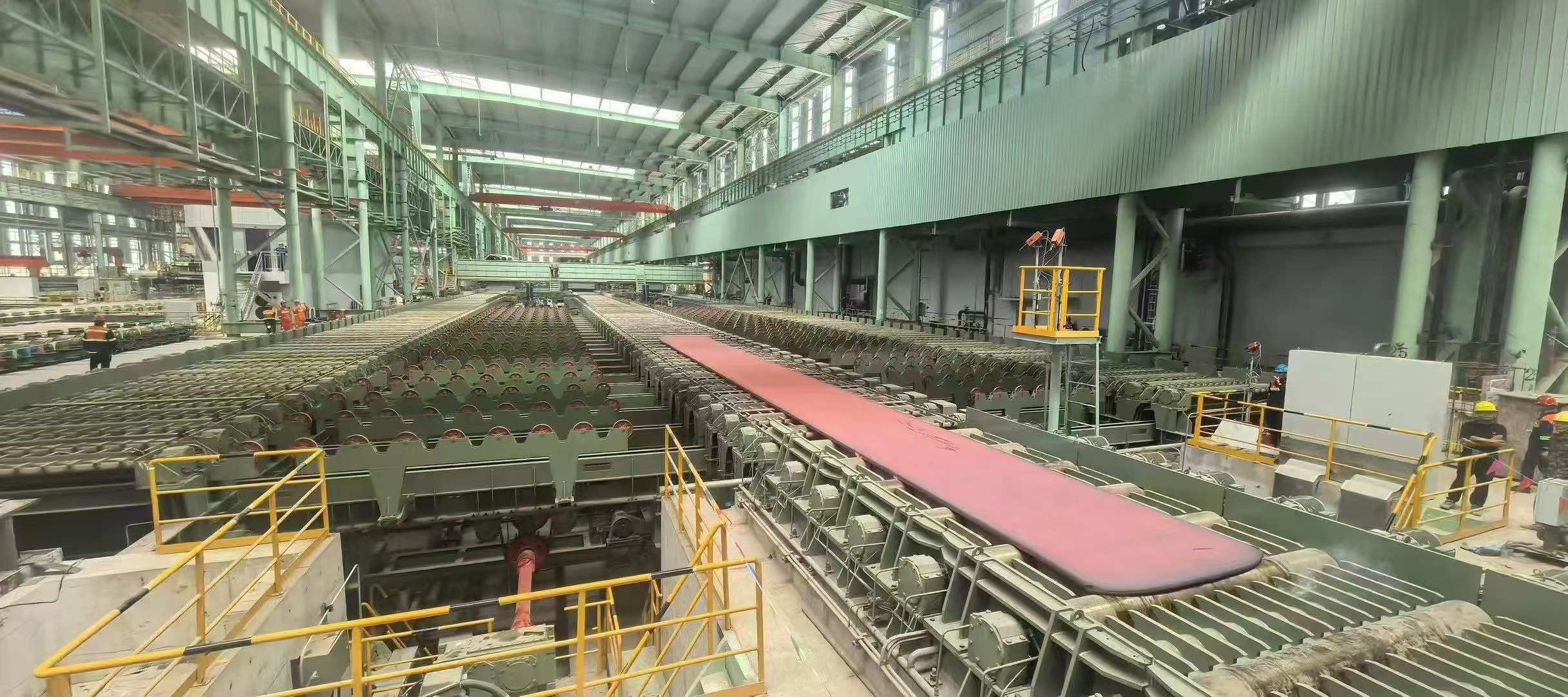
- Advanced Mill:Equipped with automated thickness control (AGC) and real-time defect detection.
Applications & Industries
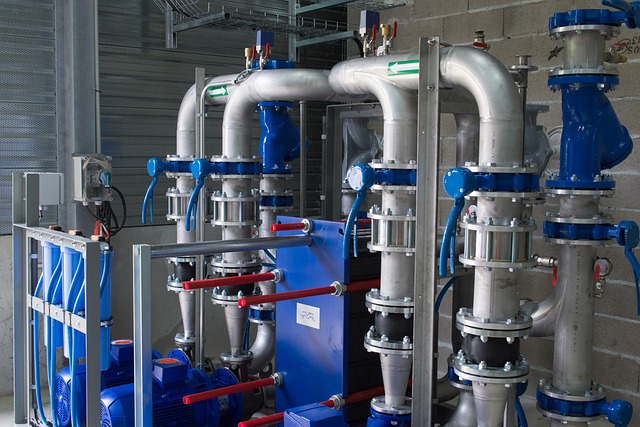
Aerospace:
High-power density actuators.
Electronics:
Precision sensors & MEMS components.
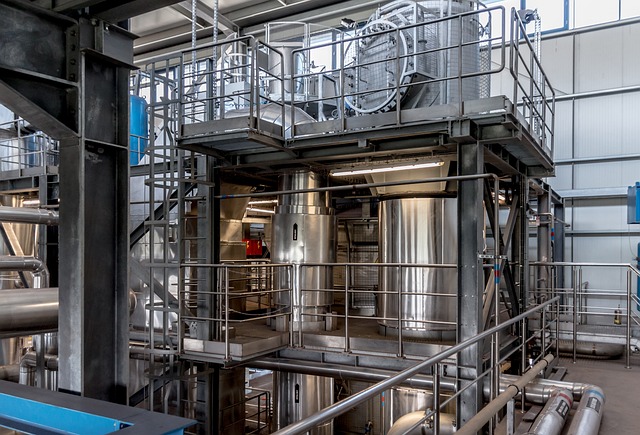
Energy:
Magnetic coupling devices for turbines.
Frequently Asked Questions
Q: What distinguishes 310S from 310?
A: 310S is a low-carbon variant (≤0.08% C) of 310, reducing carbide precipitation risk and enhancing weldability.
Q: Can it be used in marine environments?
A: While primarily for high-temperature use, its chromium content provides moderate corrosion resistance in marine settings, though not as strong as marine-grade stainless steels.
Q: How is it heat-treated?
A: Solution annealing at 1030–1180°C followed by rapid cooling to optimize microstructure.
Q: Does it retain magnetism?
A: No, as an austenitic steel, it is non-magnetic in solution-annealed conditions.
Ready to source alloy steel from a trusted Chinese manufacturer?
Let us support your project with reliable quality, fast delivery, and expert service.
Get a quote today — we usually respond within 12 hours.