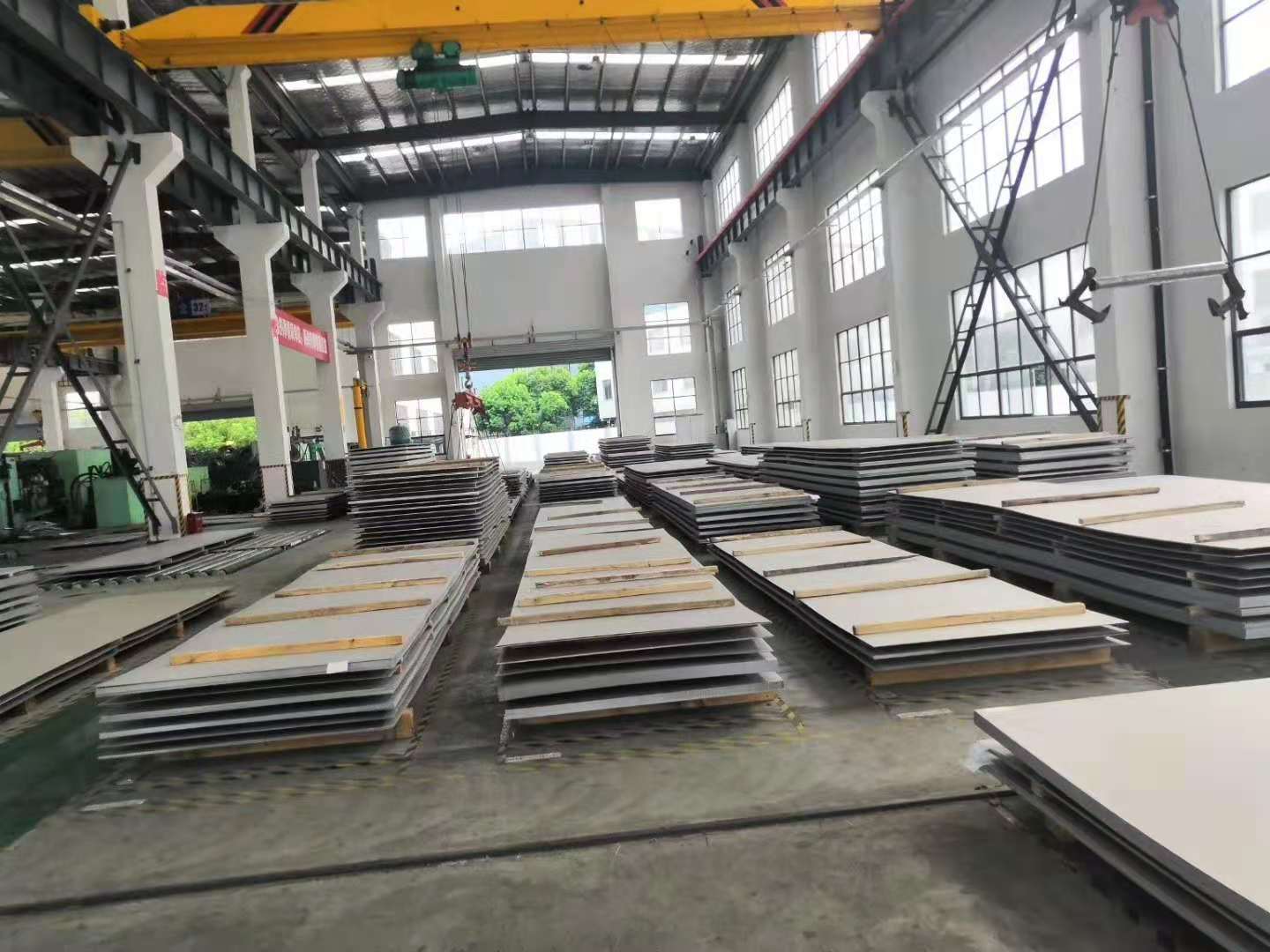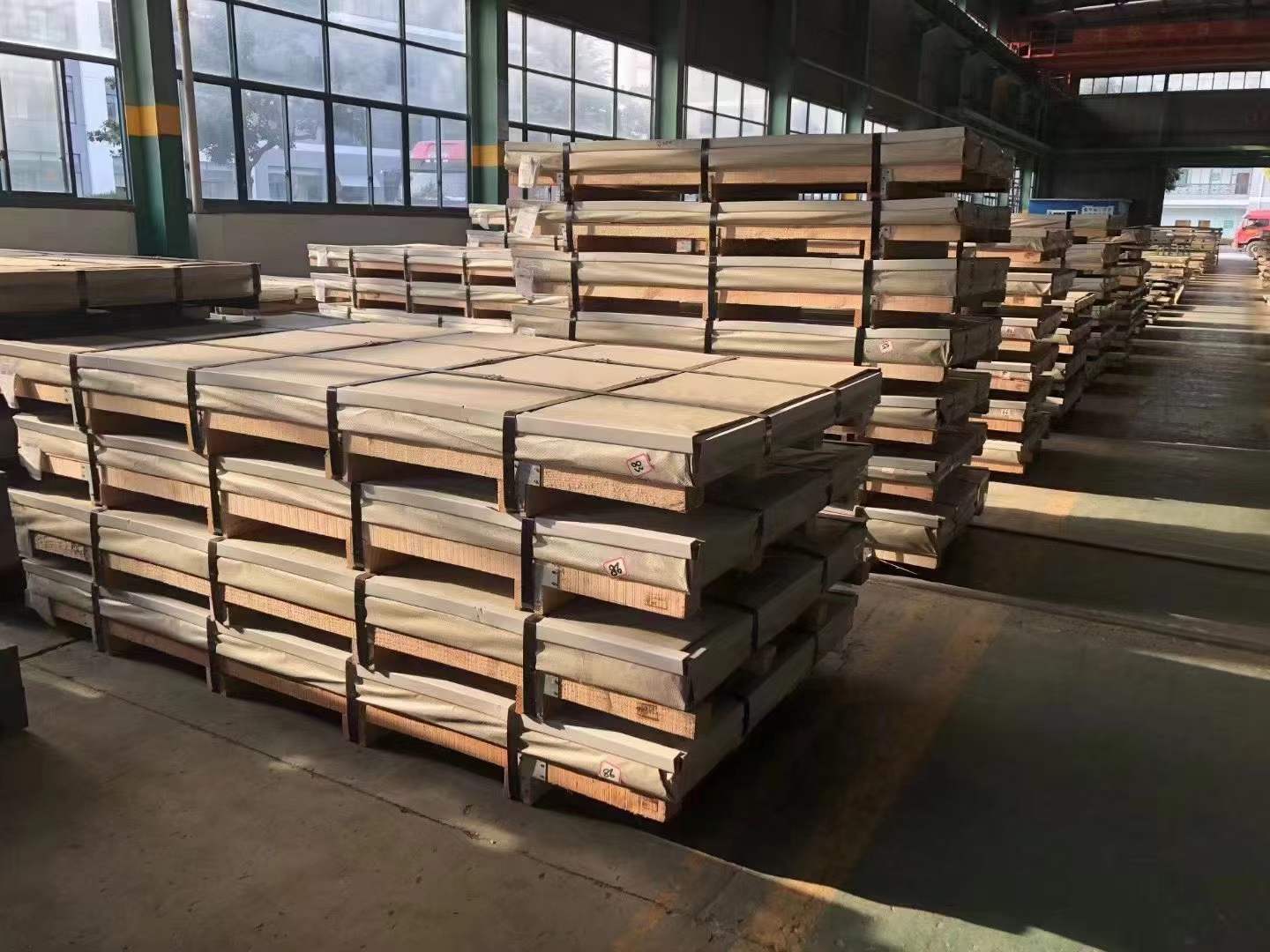
- You are here:
- Home /
- Products /
- Alloy Steel /
- Heat-Resistant Steel /
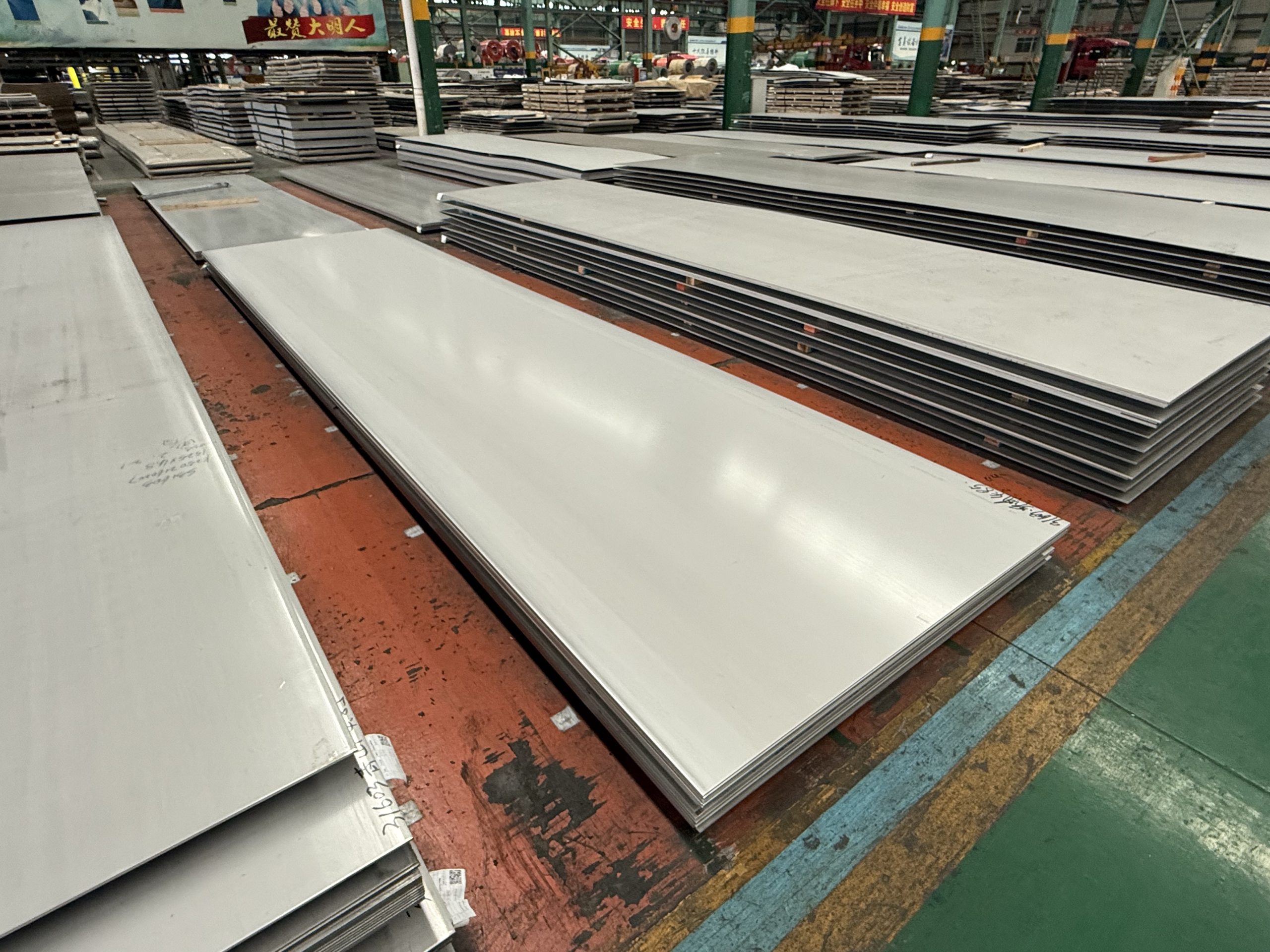
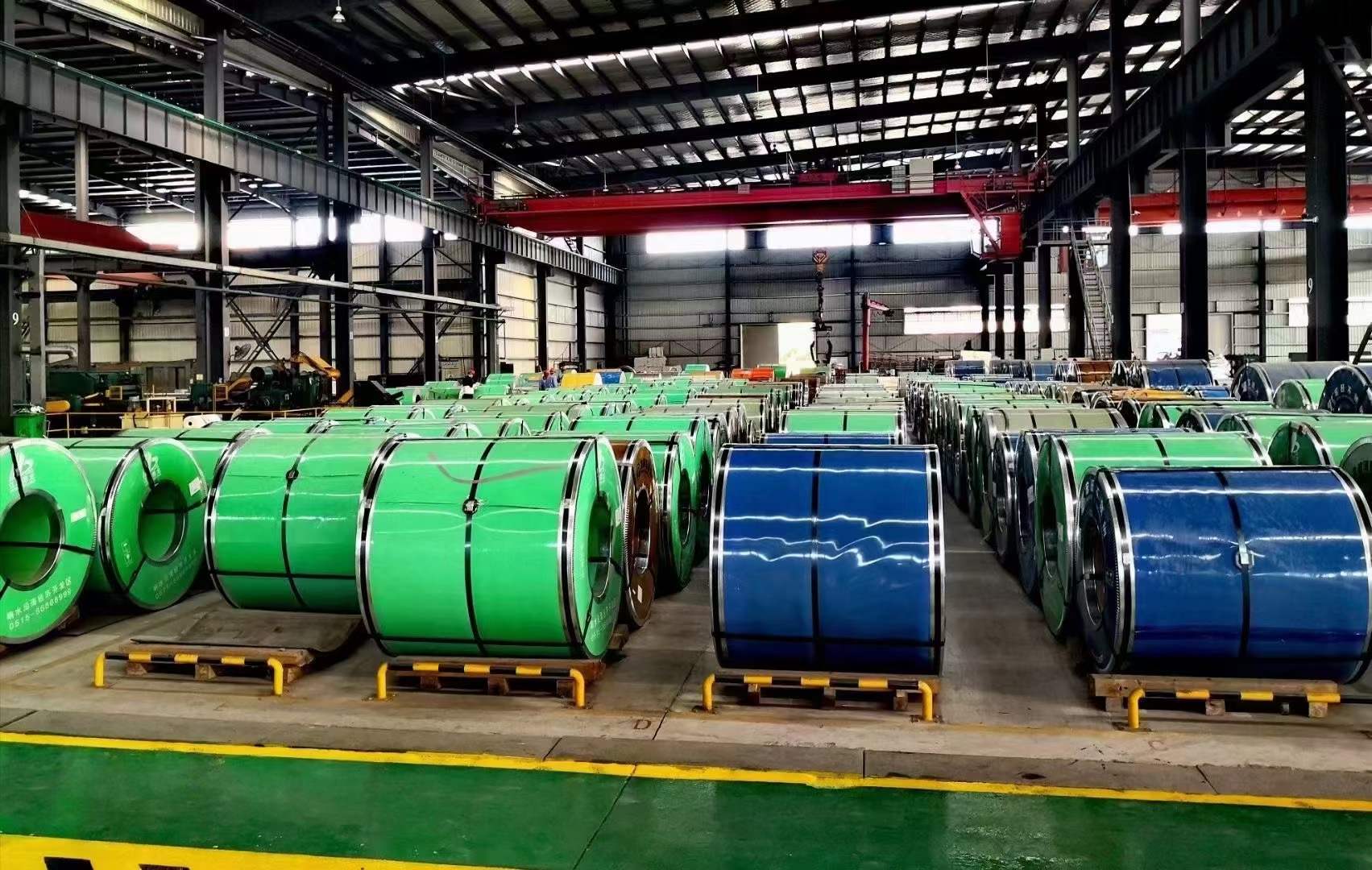
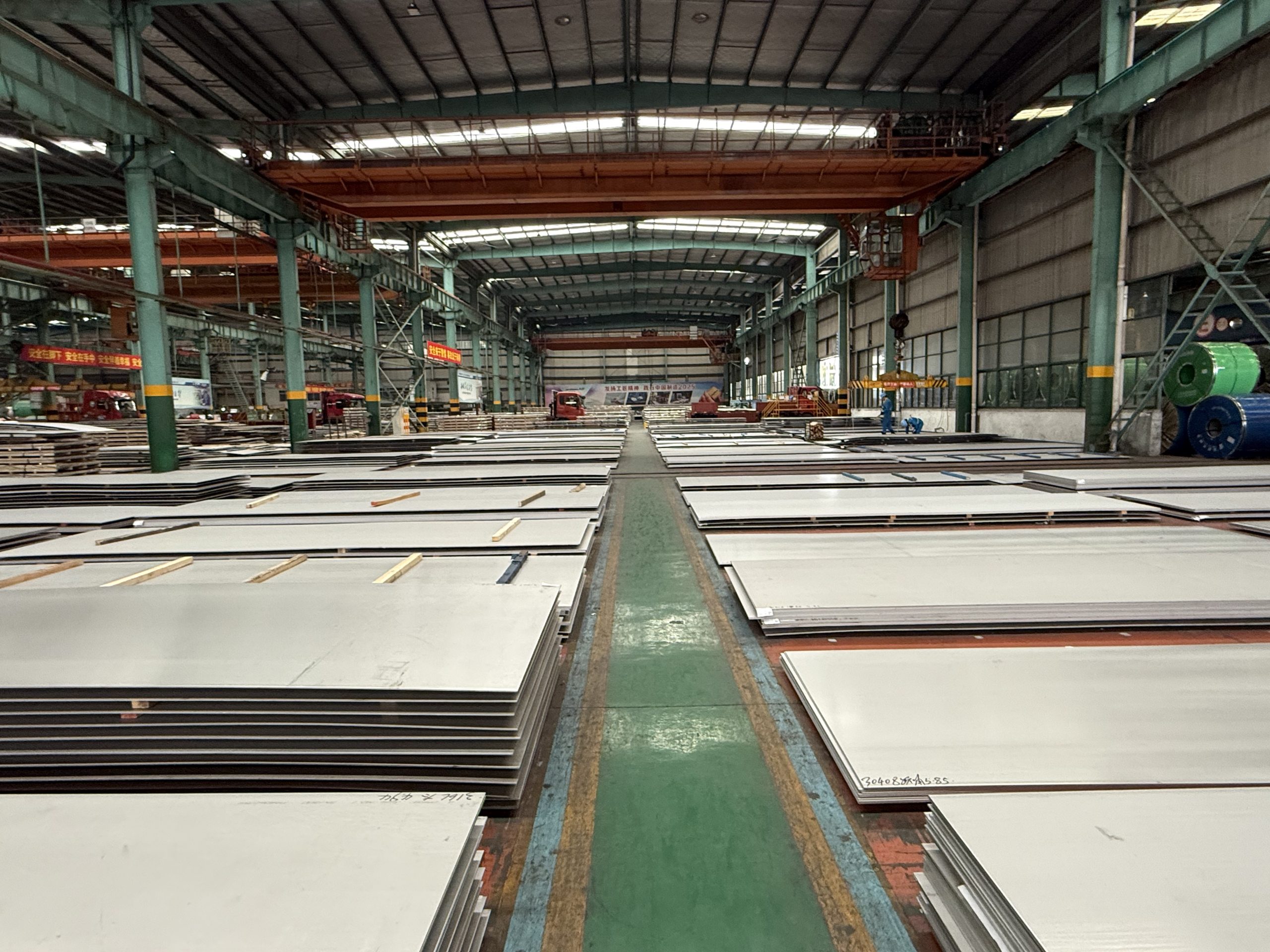
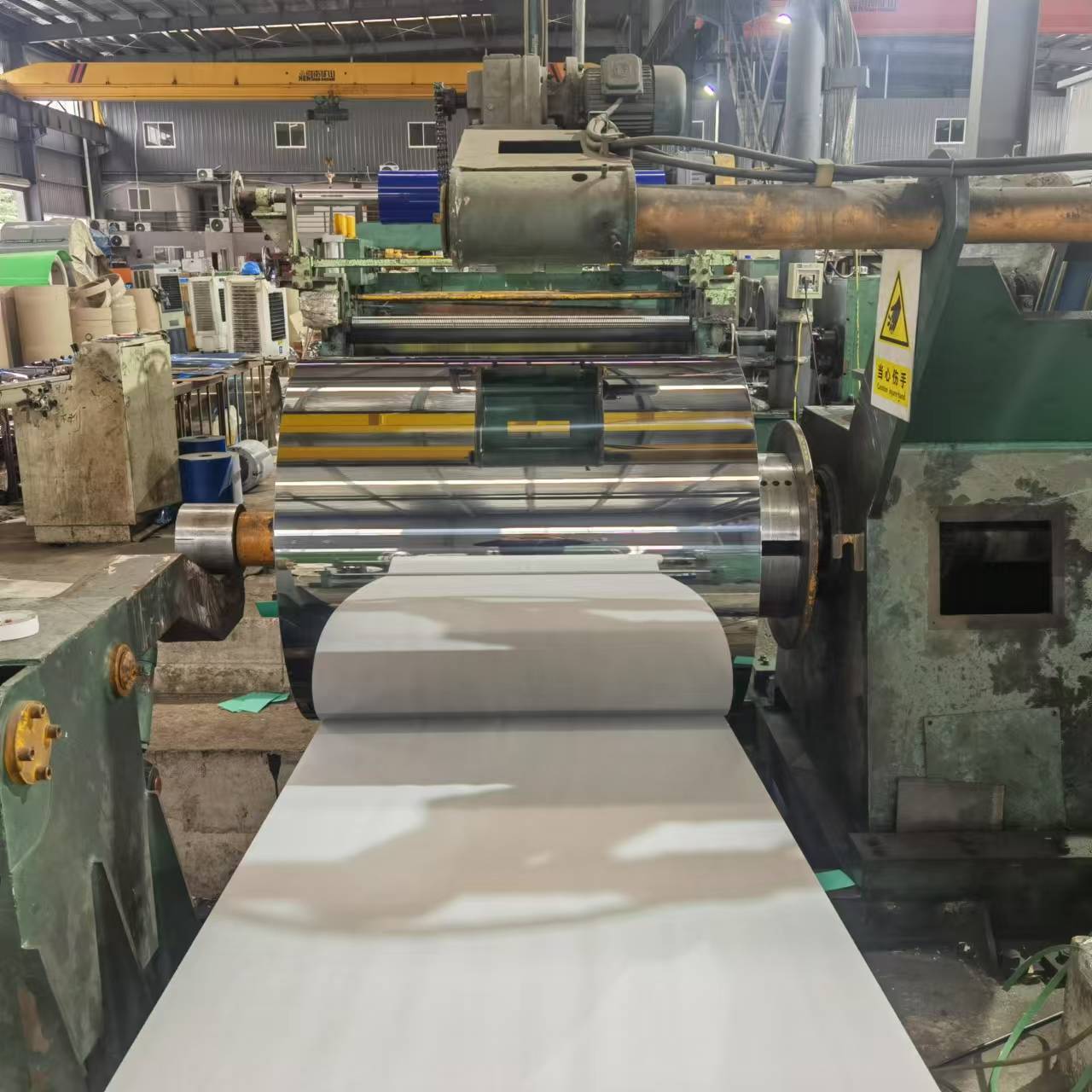
253MA Austenitic Stainless Steel Cold-Rolled Thin Sheet
A high-performance heat-resistant stainless steel with exceptional oxidation resistance and mechanical strength at elevated temperatures (up to 1100°C), optimized for cold-rolling precision.
- Enhanced High-Temperature Stability:Rare earth elements (Ce) and nitrogen (N) alloying extend service life under cyclic heating conditions.
- Superior Corrosion Resistance:Chromium-silicon-aluminum oxide layer resists scaling in sulfur-rich environments.
- Cold-Rolling Precision:Thickness tolerance ±0.02mm, surface roughness Ra ≤ 0.5μm (mirror finish available).
- Mechanical Properties:Typical yield strength 450MPa, elongation 40% (annealed state).
Chemical Composition (wt%)
Element | C | Si | Mn | P | S | Cr | Ni | N | Ce |
Range | 0.04-0.08 | 1.4-2.0 | ≤0.8 | ≤0.040 | ≤0.030 | 20.0-22.0 | 10.0-12.0 | 0.14-0.20 | 0.03-0.08 |
253MA Stainless Steel Sheet: Performance Characteristics and Applications
1. Performance Characteristics
1.1 High Temperature Resistance
Long-term operating temperature up to 1150°C, short-term temperature resistance up to 1150°C, maintaining stability and oxidation resistance at high temperatures.
A dense oxide film (Cr₂O₃ and SiO₂) forms on the surface, effectively resisting oxidation and corrosion.
1.2 Mechanical Properties
It combines high strength and toughness, with excellent creep resistance at high temperatures and a tensile strength exceeding 200 MPa at 800°C.
Excellent ductility and formability support cold working and welding (such as argon arc welding and gas shielded welding).
1.3 Chemical Composition and Strengthening Mechanism
Core Elements: Chromium (20-22%), Nickel (10-12%), Nitrogen (0.14-0.20%), and Rare Earth Cerium (0.03-0.08%).
Nitrogen solid solution strengthening and rare earth elements grain boundary refinement synergistically enhance high-temperature strength and oxidation resistance.
2. Typical Applications
2.1 Energy and Chemical Industry
Superheaters and reheaters in thermal power plant boilers withstand high-temperature flue gases reaching 650-1100°C.
Petrochemical cracking furnace tubes and high-temperature reactor linings offer resistance to sulfidation and chloride corrosion.
2.2 Metallurgy and Industrial Equipment
Metallurgical furnace rollers and heat treatment equipment withstand long-term high-temperature cycling environments.
Gas turbine combustors and heat exchangers require high creep resistance and dimensional stability.
2.3 Other Applications
High-temperature structural components such as bellows and radiant tubes ensure reliability under complex operating conditions.
Supports sheet, pipe, and forging processing to meet diverse engineering needs.
Surface Treatment
- 2B Finish:Standard cold-rolled, annealed, pickled, and skin-passed (Ra 0.1-0.5μm).
- BA Finish:Bright annealed reflective surface (Ra ≤0.1μm) for decorative applications.
- Embossed/Textured:Custom patterns for anti-slip or aesthetic needs.
Why Choose Us ?
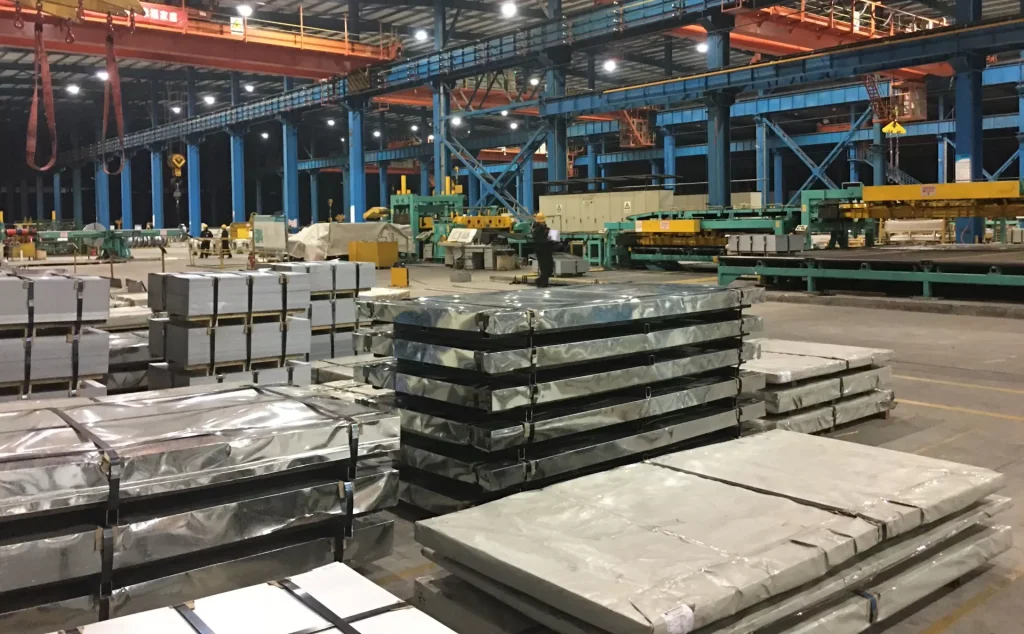
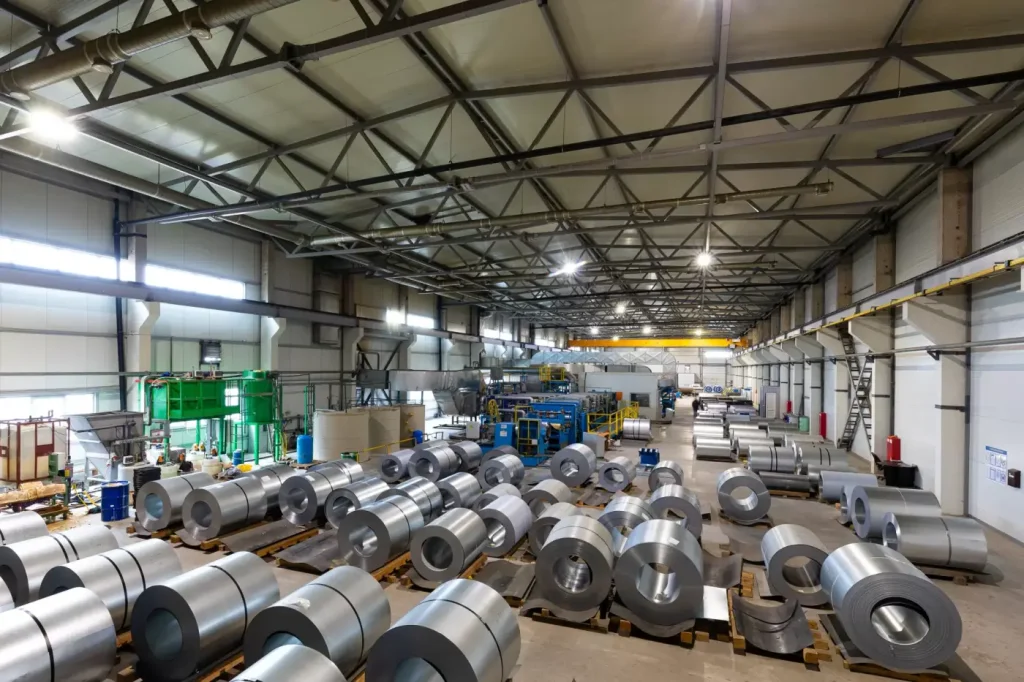
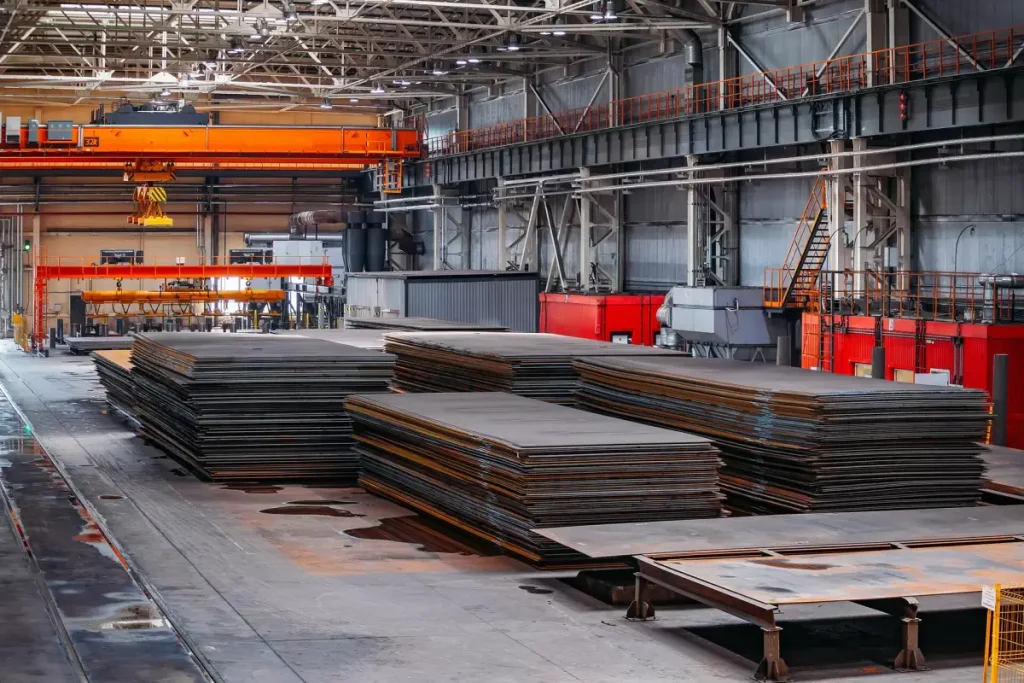
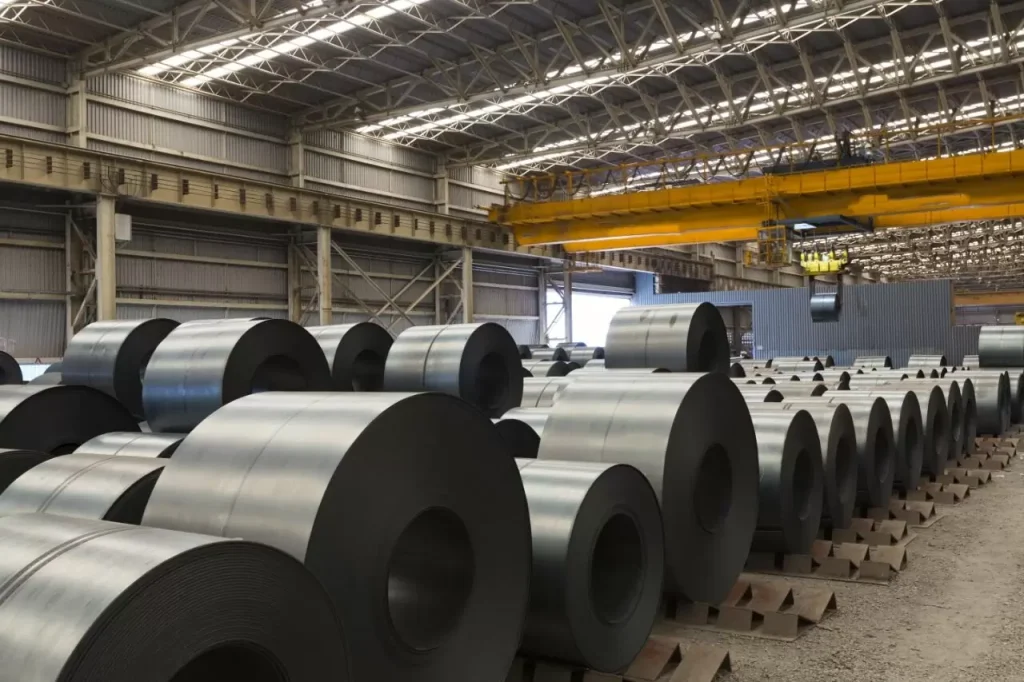
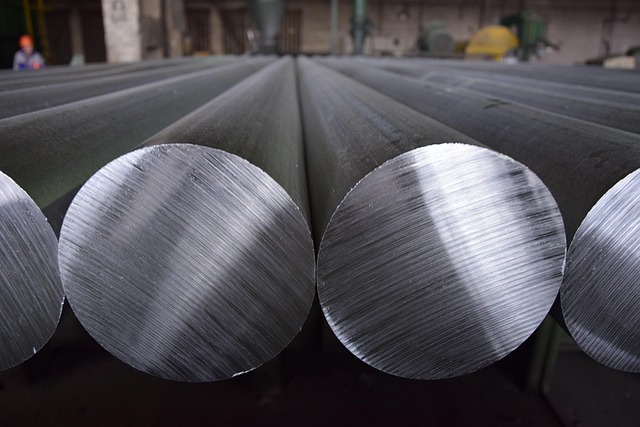
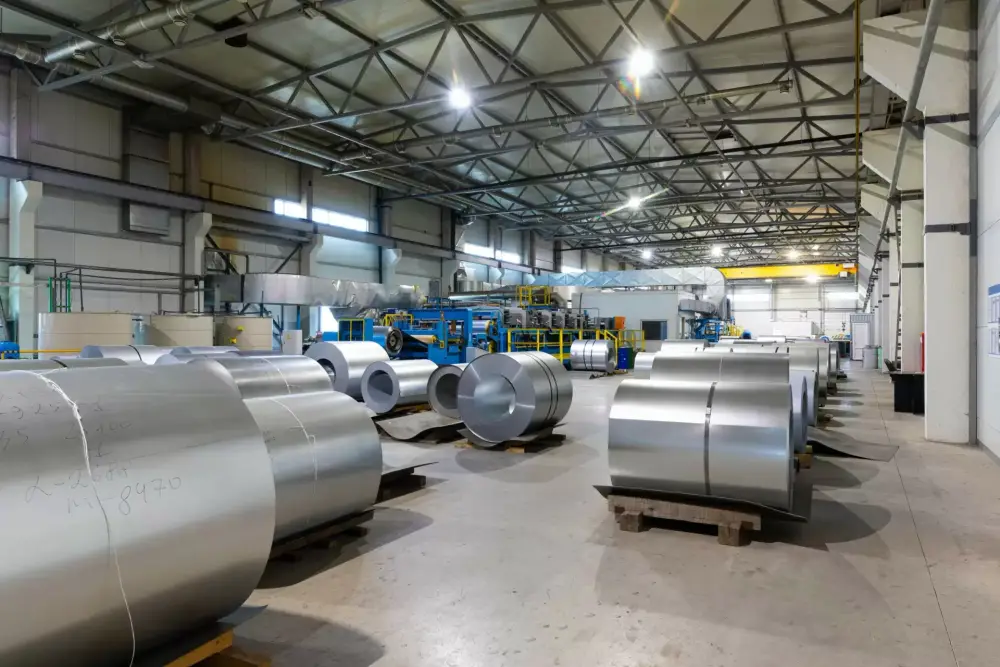
- Material Consistency:Batch-to-bcomposition control with OES spectrometry (deviation <±0.01% for critical elements).
- Custom Sizing:Width 600-2000mm, thickness 0.3-4.0mm (non-standard dimensions available).
- Certifications:ISO 9001, PED 2014/68/EU, and mill test reports with traceable heat numbers.
Applications & Industries
Aerospace:
High-power density actuators.
Electronics:
Precision sensors & MEMS components.
Energy:
Magnetic coupling devices for turbines.
Frequently Asked Questions
Q1: What are the primary applications of 253MA thin plates?
Answer: Used in high-temperature environments such as:
Industrial furnaces (heating elements, radiant tubes)
Petrochemical equipment (cracking furnaces, reformers)
Power generation (boiler components, heat exchangers)
Automotive exhaust systems (manifolds, turbocharger housings)
Q2: How does 253MA compare to 310S or 330 alloys?
Answer:
310S: Higher Cr/Ni content but lower nitrogen; 253MA offers better creep resistance and cost-effectiveness.
330: Similar high-temperature performance, but 253MA has superior oxidation resistance due to rare earth elements.
Q3: Can 253MA be used in corrosive environments?
Answer: While primarily designed for heat resistance, it exhibits moderate corrosion resistance in oxidizing atmospheres. For aggressive media (e.g., acids), consider duplex or super austenitic steels.
Q4: What are the surface preparation requirements for welding?
Answer: Clean surfaces to remove scale, oil, or contaminants using grinding or chemical methods. Use low-hydrogen electrodes to avoid hydrogen-induced cracking.
Q5: Is post-weld heat treatment necessary?
Answer: Recommended for high-stress applications (e.g., ≥900°C) to restore corrosion resistance and reduce residual stresses. Annealing at 1050–1150°C followed by rapid cooling is typical.
Ready to source alloy steel from a trusted Chinese manufacturer?
Let us support your project with reliable quality, fast delivery, and expert service.
Get a quote today — we usually respond within 12 hours.