- You are here:
- Home /
- Products /
- Alloy Steel /
- Heat-Resistant Steel /
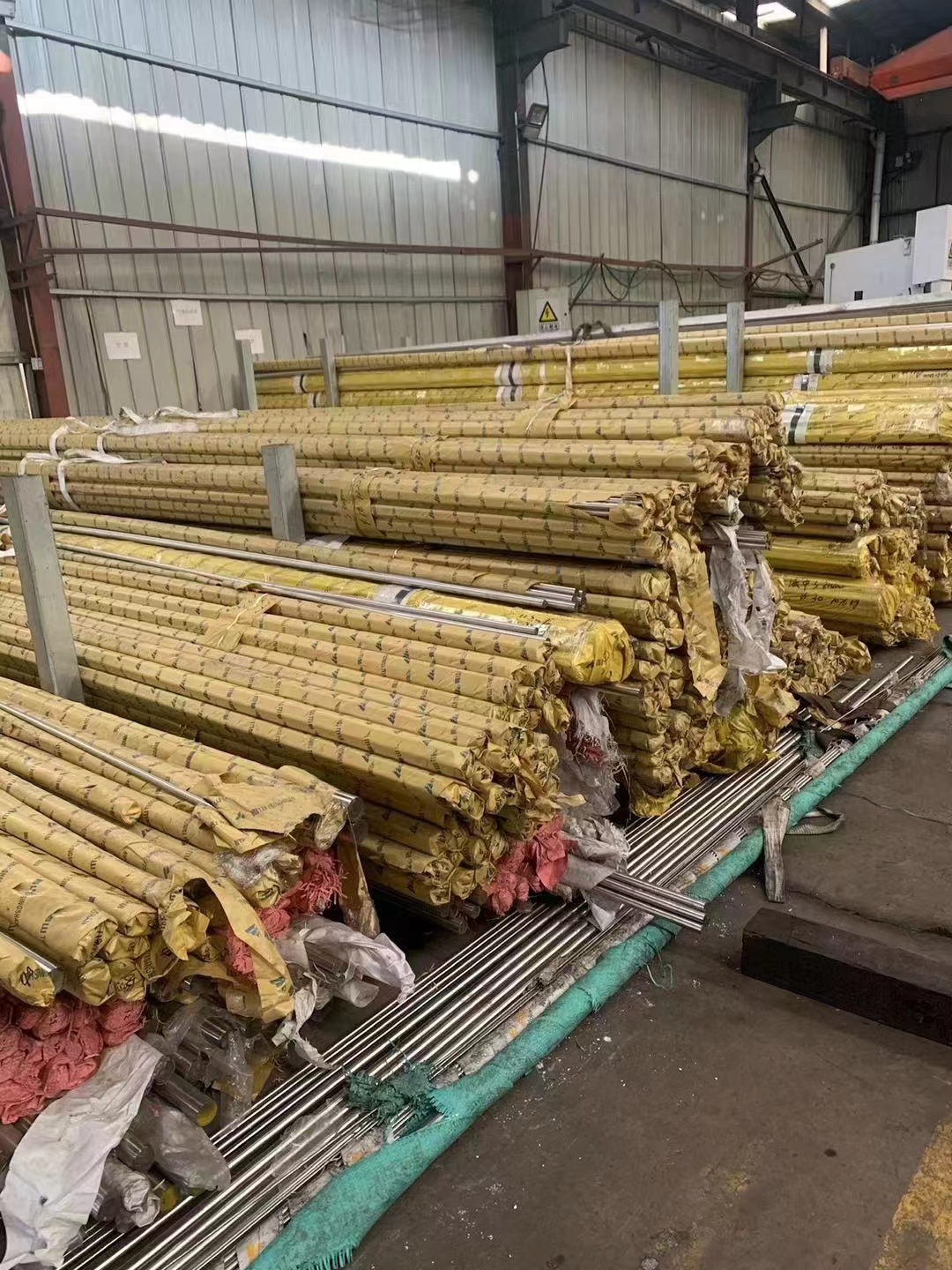
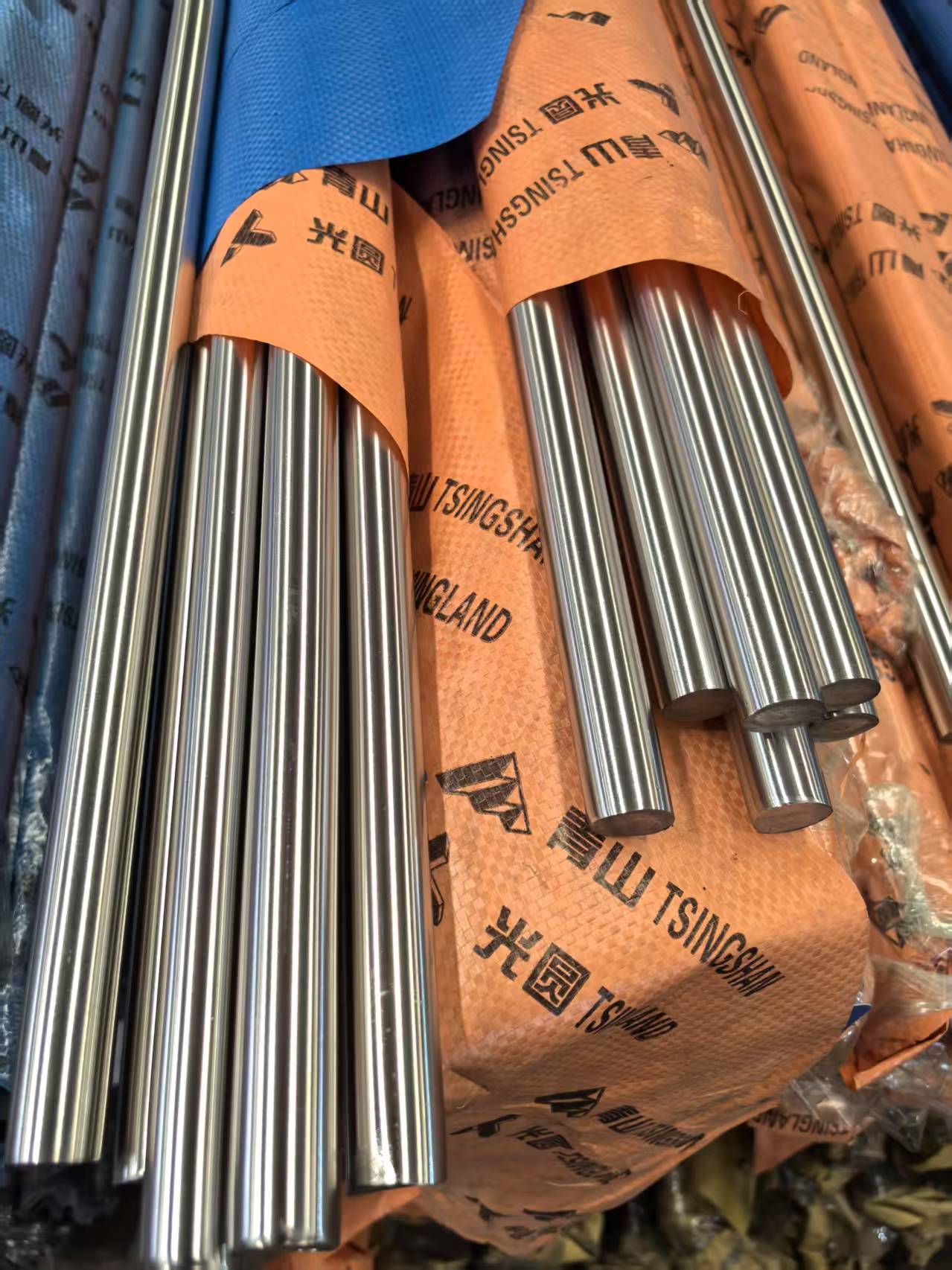
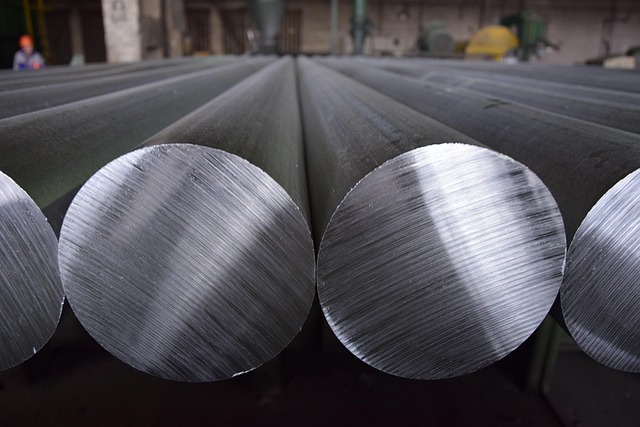
310S Austenitic Chromium-Nickel Stainless Steel Round Bars
- High-Temperature Performance:Continuous service up to 1150°C with exceptional oxidation resistance.
- Corrosion Resistance:Superior resistance to sulfidation, carburization, and acidic environments.
- Mechanical Strength:High creep strength and thermal stability due to 24-26% Cr and 19-22% Ni.
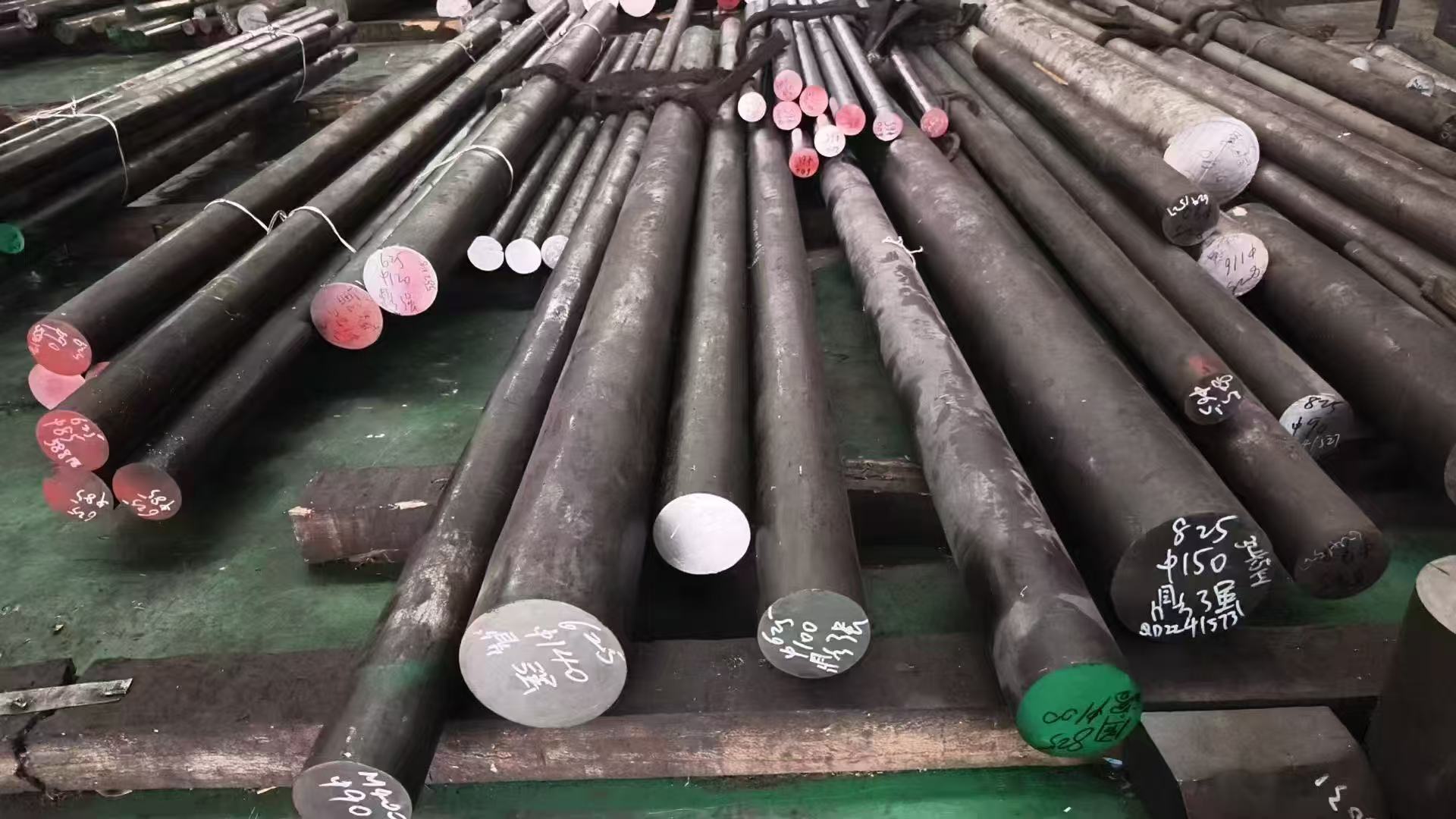
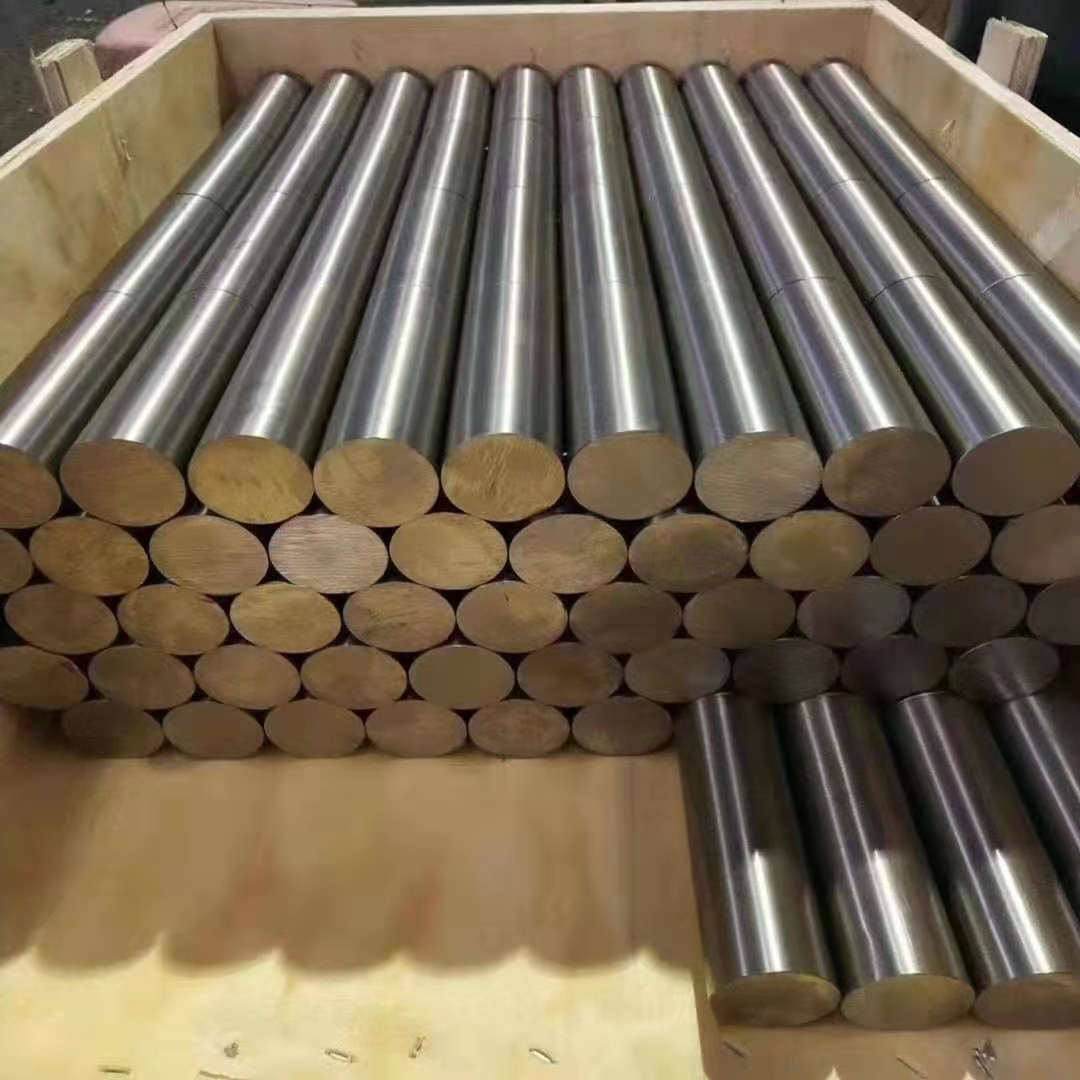
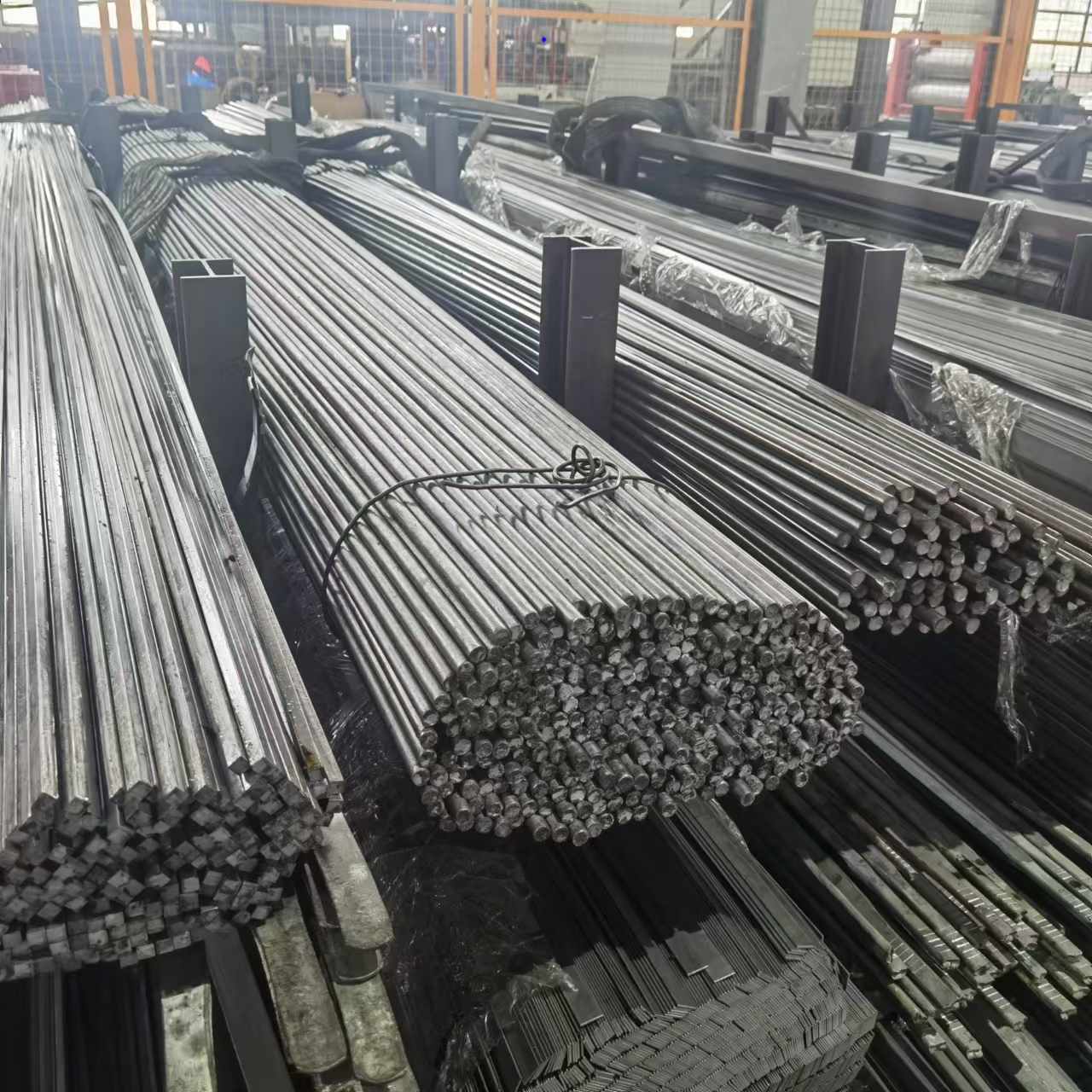
- Material Form:Available as hot-rolled, cold-finished, or forged round bars (Diameter: 1mm–480mm).
Chemical Composition (wt%)
Element | Content (%) | Key Role |
Carbon (C) | ≤0.08 | Reduces brittleness |
Chromium (Cr) | 24.00–26.00 | Enhances oxidation resistance |
Nickel (Ni) | 19.00–22.00 | Stabilizes austenitic structure |
Manganese (Mn) | ≤2.00 | Improves ductility |
Silicon (Si) | ≤1.50 | Deoxidation agent |
Phosphorus (P) | ≤0.045 | Minimizes segregation |
Sulfur (S) | ≤0.030 | Controls machinability |
310S Stainless Steel Bar Performance Characteristics and Applications
1. Performance Characteristics
1.1 High-Temperature Resistance
Continuous operating temperatures can reach 1100°C, with short-term resistance up to 1150°C.
Maintains stable mechanical strength at high temperatures, with a tensile strength exceeding 200 MPa at 500°C.
1.2 Corrosion Resistance
The high chromium (24%-26%) and nickel (19%-22%) content imparts excellent resistance to oxidation and sulfidation.
Performs exceptionally well in acidic media, resisting chloride-induced pitting and crevice corrosion.
1.3 Mechanical Properties
Room-temperature tensile strength ≥515 MPa, elongation ≥40%, offering a balance of toughness and strength.
Maintains good toughness even at low temperatures, making it suitable for extreme temperature environments.
1.4 Processing and Weldability
The austenitic structure makes it easy to work with both hot and cold processes, making it suitable for stamping, drawing, and other processes. Low carbon content (≤0.08%) ensures zero risk of intergranular corrosion after welding.
2. Main Applications
2.1 Chemical and Energy Industries
Used in reactors, pipelines, valves, and other equipment, resistant to highly corrosive chemicals.
Used in high-temperature components in petroleum refining, such as cracking furnace linings and heat exchanger tubes.
2.2 Power and Industrial Equipment
Manufacturing boiler tubes, burners, and gas turbine blades, capable of withstanding sustained high-temperature loads.
Used in industrial furnace linings and kiln accessories, extending equipment life and reducing maintenance costs.
2.3 Aerospace and Special Applications
Used in engine combustion chambers and exhaust components, ensuring safety under extreme conditions.
Used in food processing equipment, preventing chemical contamination of materials from high-temperature processing.
Due to its comprehensive performance, 310S stainless steel bar is an ideal choice for high-temperature, corrosive environments and is widely used in core industrial applications.
Surface Treatment
- Hot-Rolled:Scale-free surface with pickling/passivation.
- Cold-Drawn:Smooth finish for precision applications.
- Black Bars:Oxide-coated for cost-effective industrial use.
Why Choose Us ?
- Certified Quality:ASTM A276/A479, JIS SUS310S, EN 1.4845.
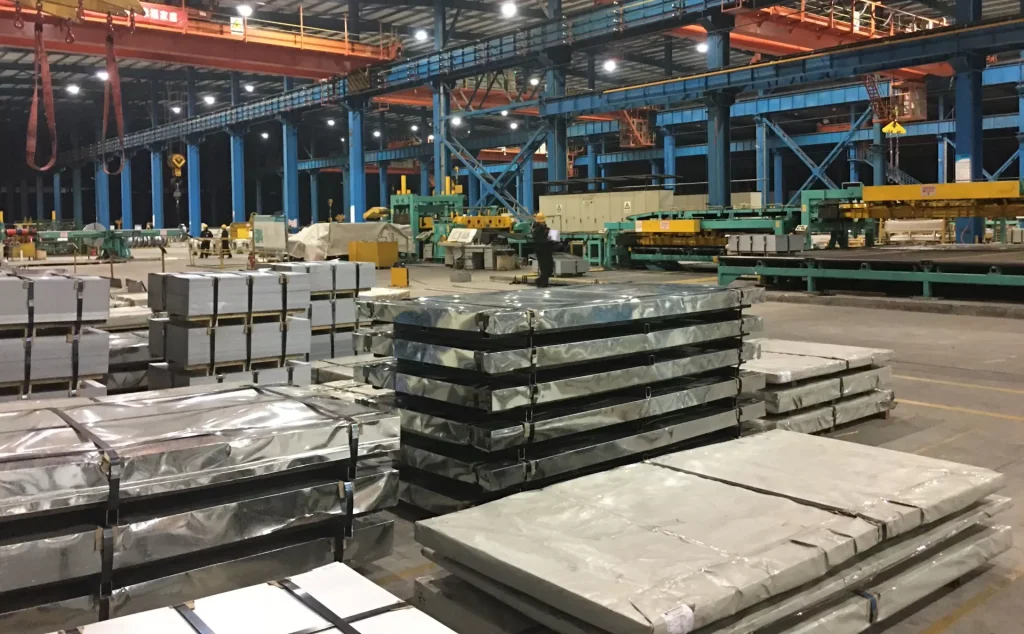
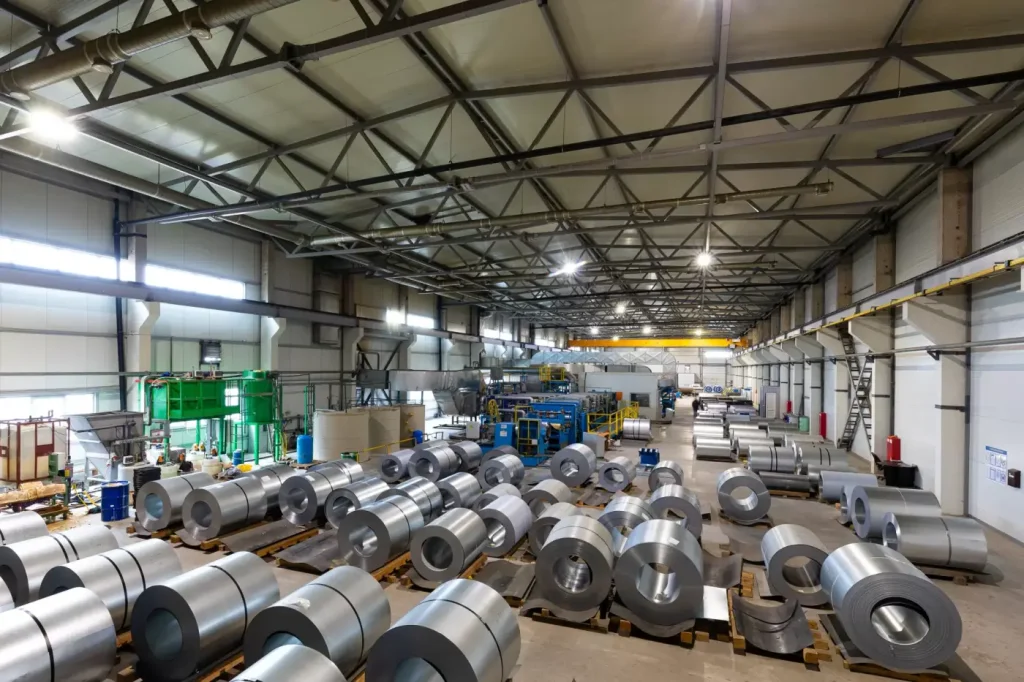
- Custom Sizing:Stock includes Φ1mm–480mm with custom cutting.
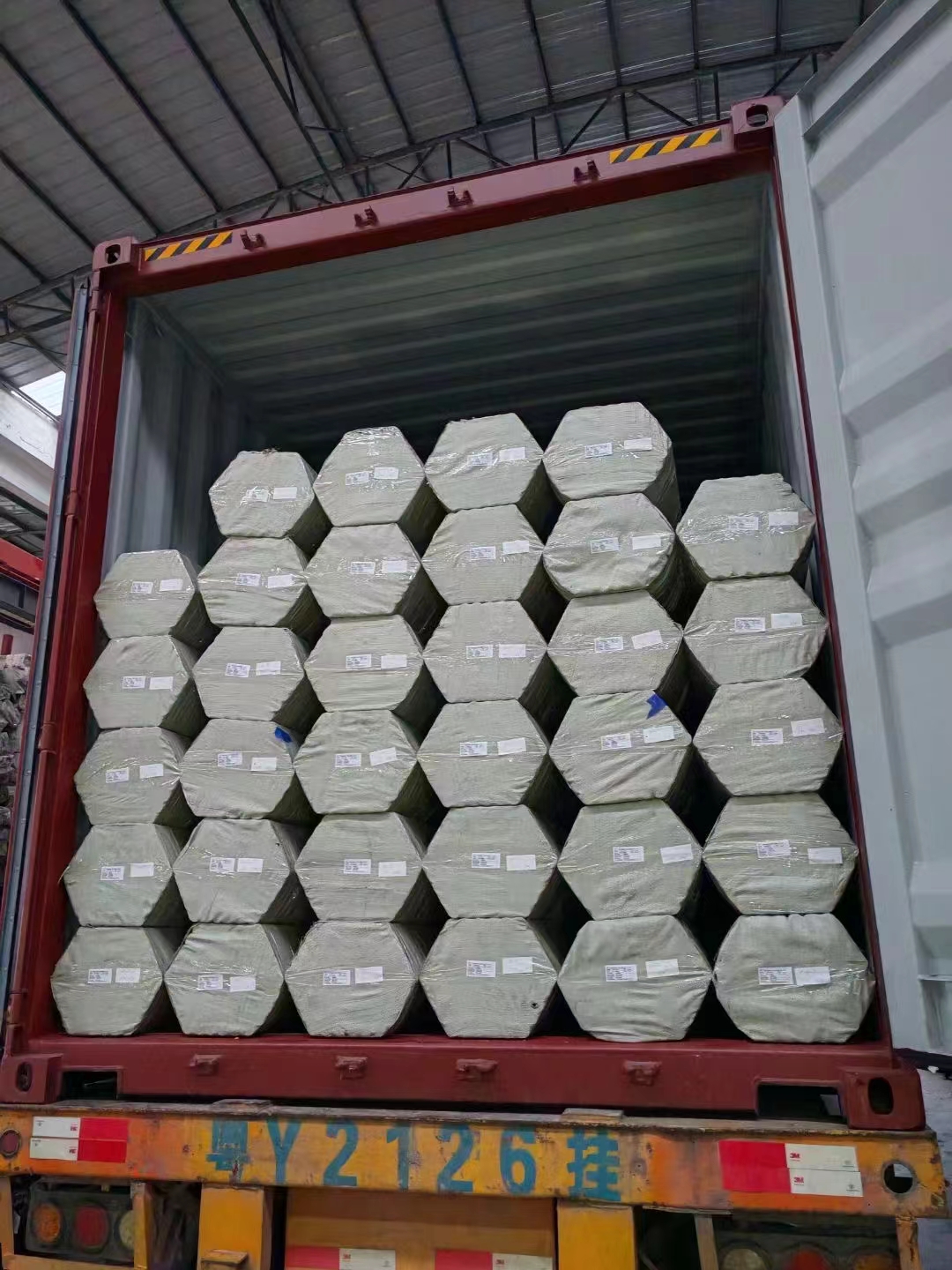
- Fast Delivery:5,000+ tons in warehouse, global shipping.
Applications & Industries
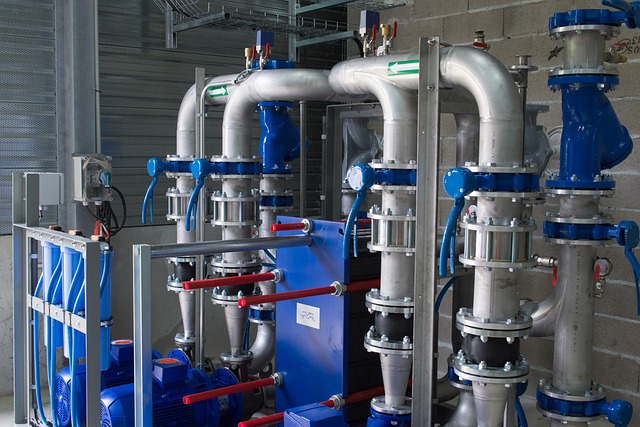
Aerospace:
High-power density actuators.
Electronics:
Precision sensors & MEMS components.
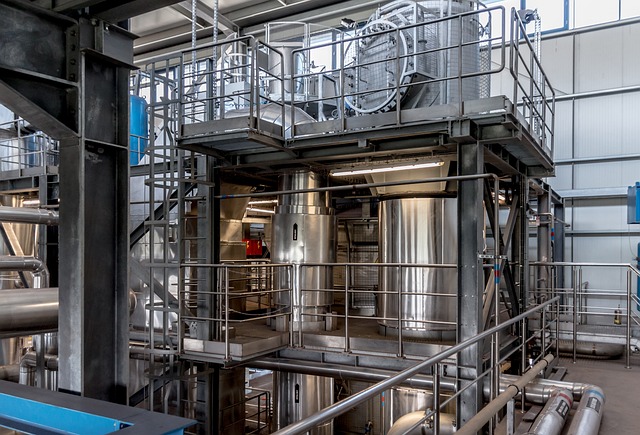
Energy:
Magnetic coupling devices for turbines.
Frequently Asked Questions
Q: What are the primary applications of 310S bar material?
A: It is widely used in high-temperature equipment (e.g., furnace components, heat exchangers) and corrosive environments (e.g., chemical processing, oil refining).
Q: How does 310S compare to other stainless steel grades in weldability?
A: Its low sulfur content enhances weldability, reducing defects like hot cracks and ensuring robust joints.
Q: Can 310S be used in low-temperature conditions?
A: While optimized for high-temperature settings, it also performs well in low-temperature scenarios due to its stable material properties.
Ready to source alloy steel from a trusted Chinese manufacturer?
Let us support your project with reliable quality, fast delivery, and expert service.
Get a quote today — we usually respond within 12 hours.