- You are here:
- Home /
- Products /
- Alloy Steel /
- Soft Magnetic Alloys /
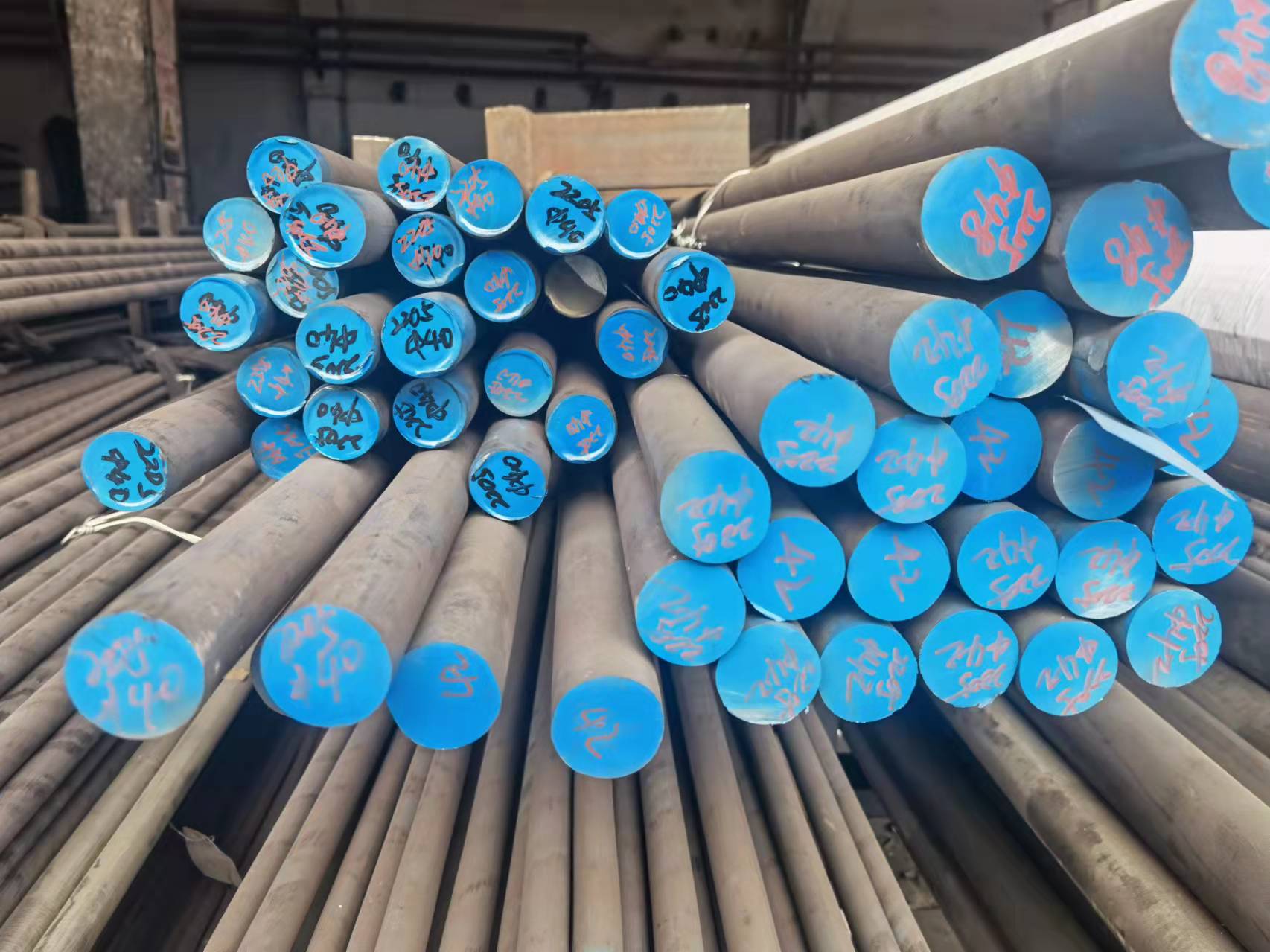
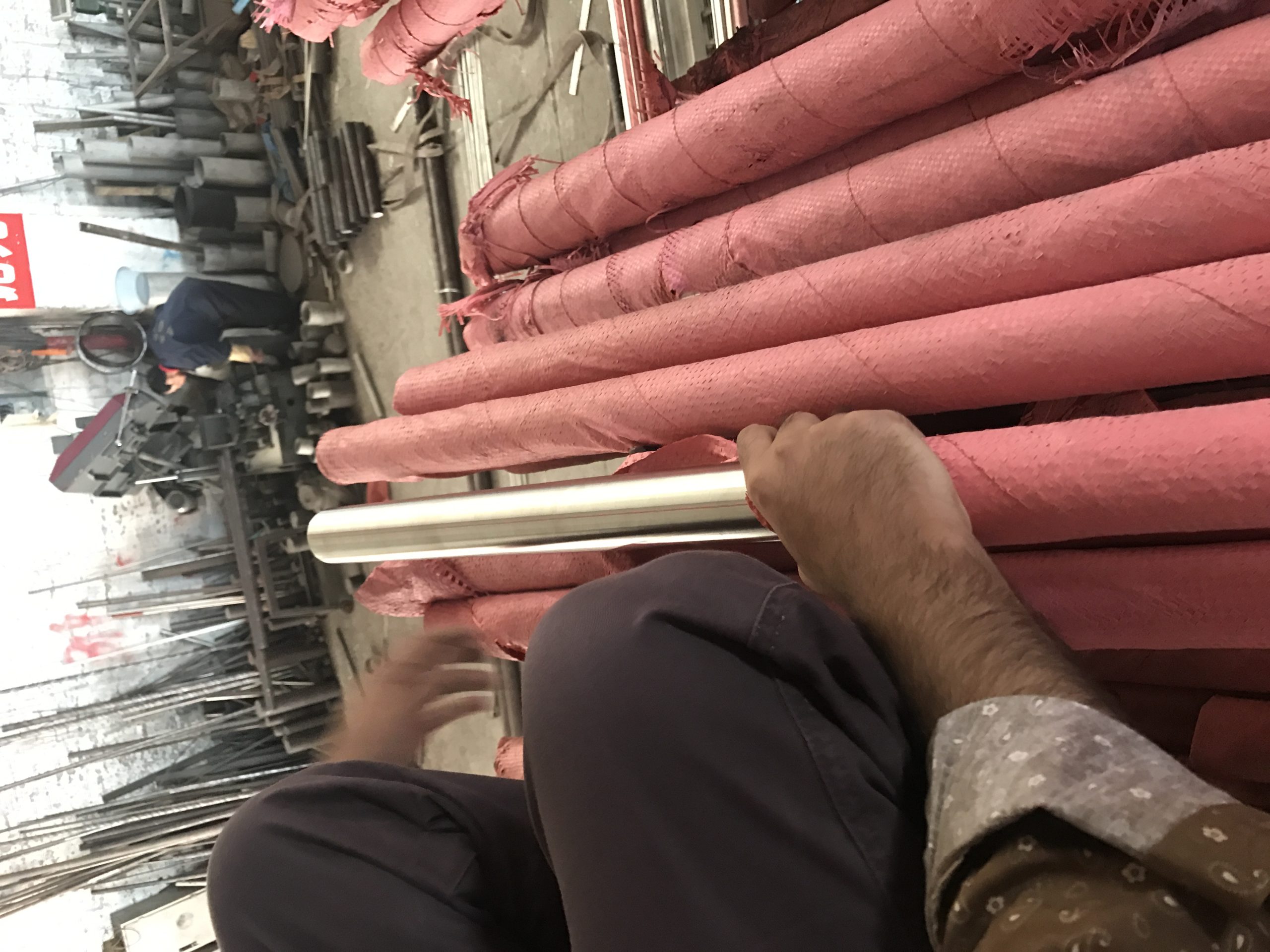
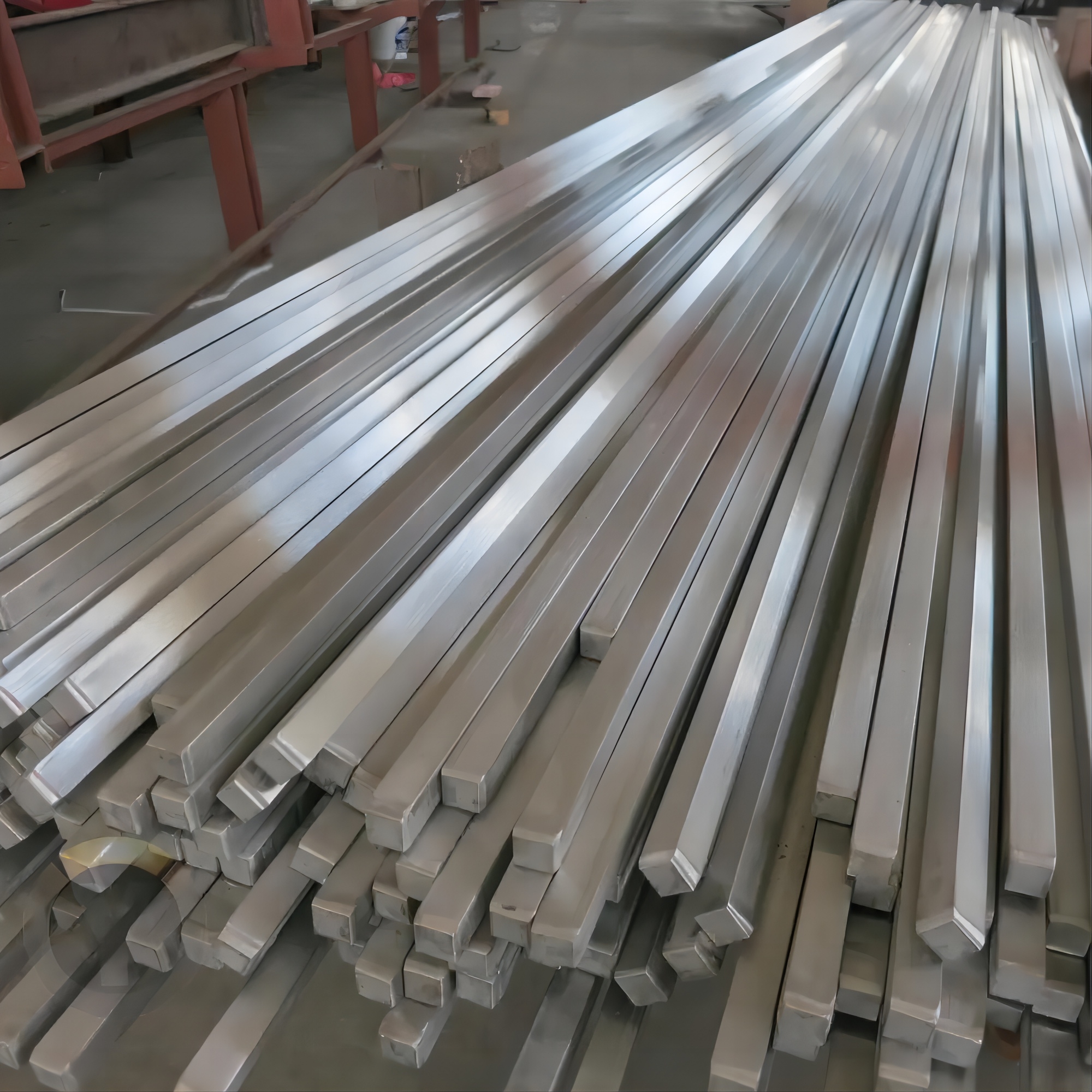
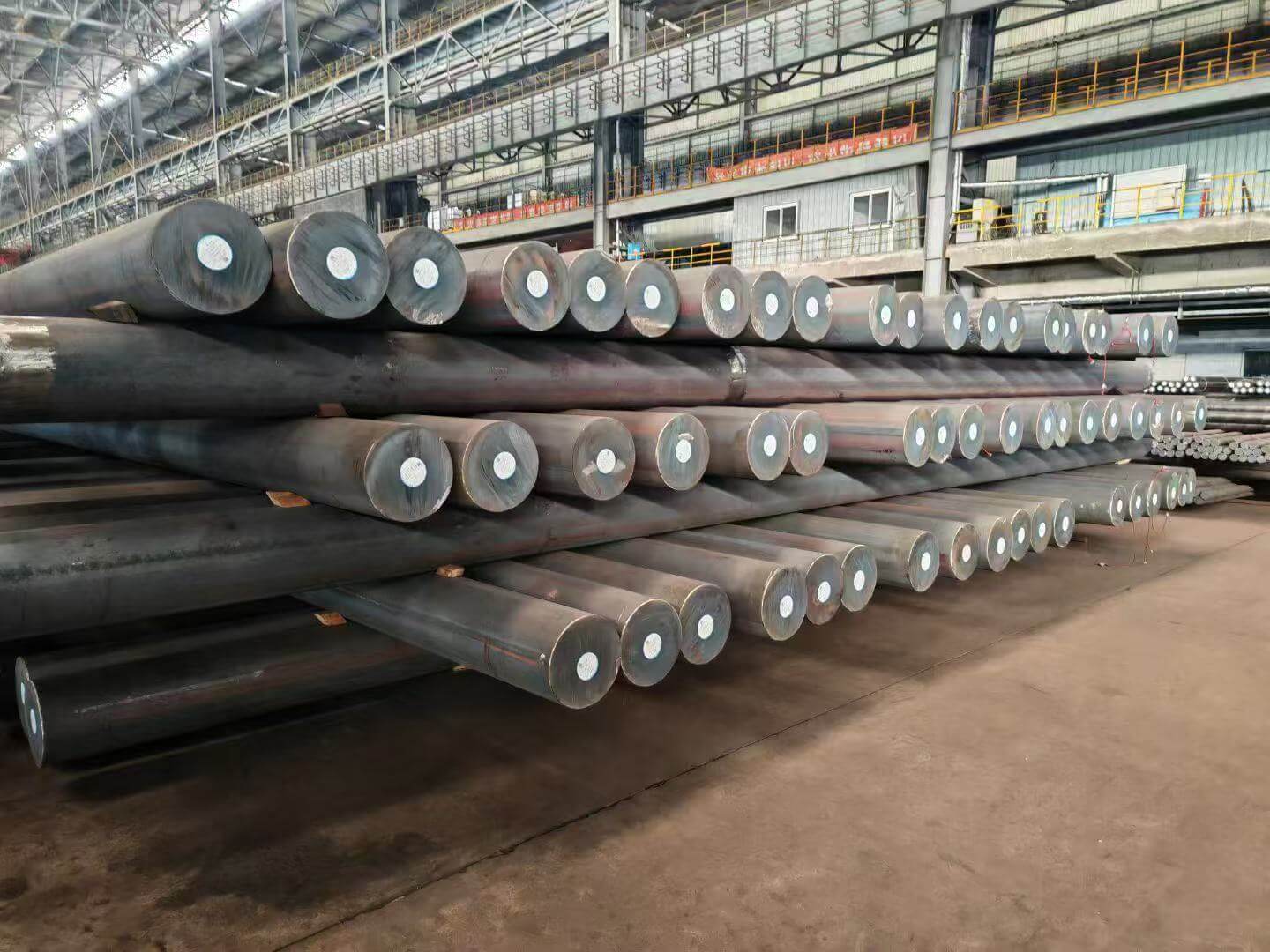
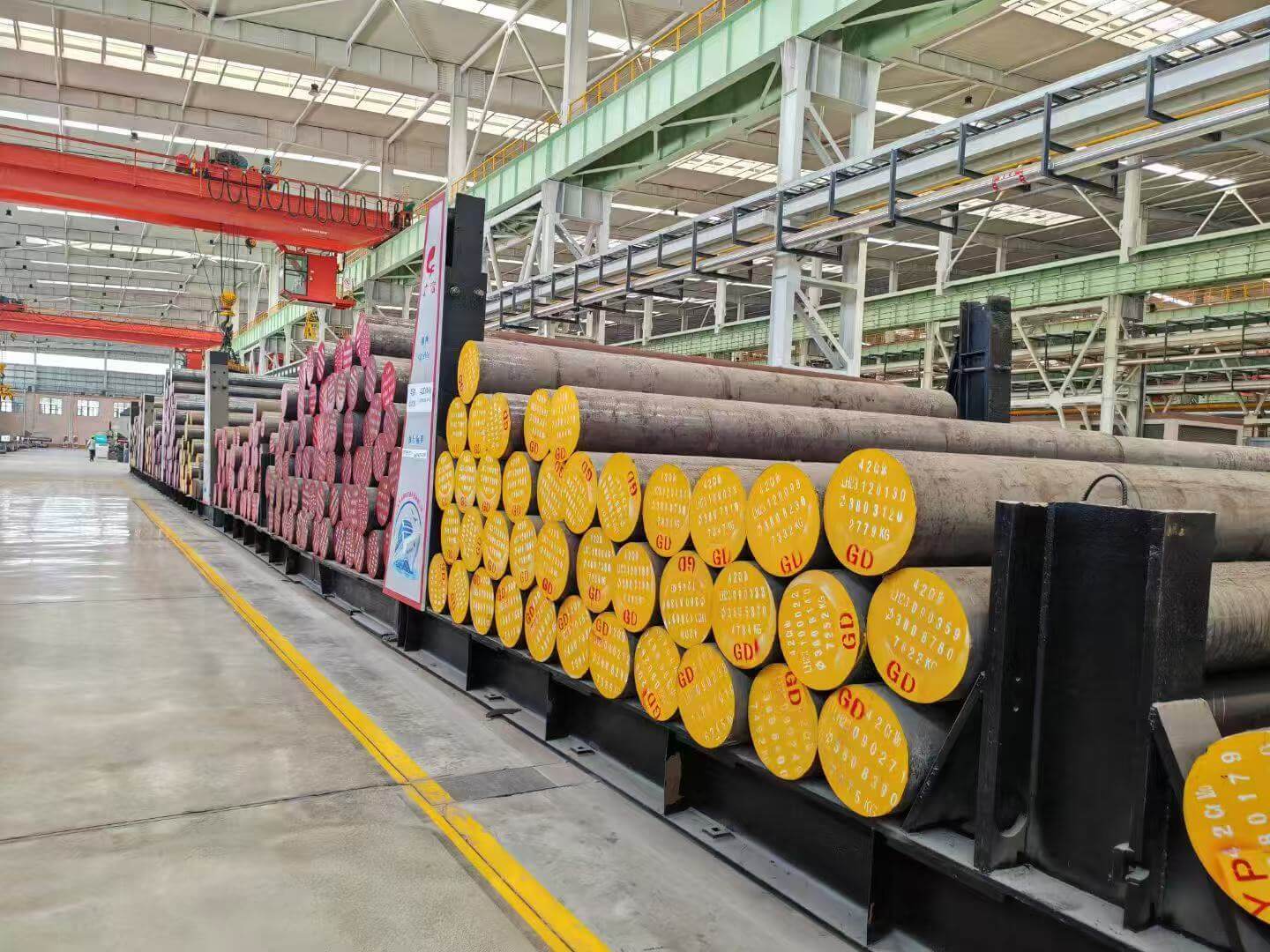
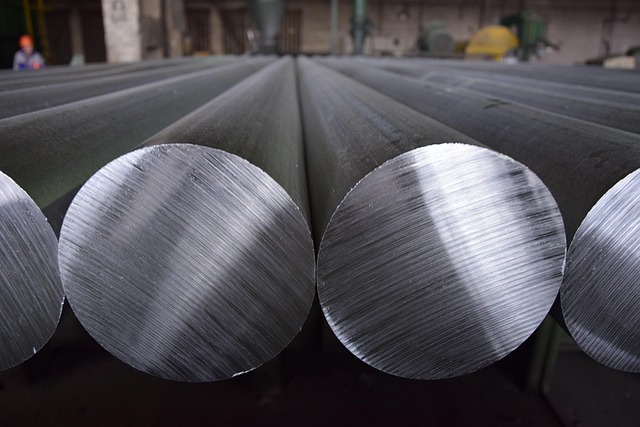
4J36 Low Expansion Nickel-Iron Alloy Rod
4J36 is a nickel-iron alloy with ultra-low thermal expansion coefficient (≈1.2×10⁻⁶/℃ in 20-100℃ range), ensuring dimensional stability in harsh environments (-250℃ to +200℃). Its corrosion resistance and machinability make it ideal for precision applications.
Chemical Composition (wt%)
Element | C | Si | Mn | P | S | Ni | Fe |
Content | ≤0.05 | ≤0.3 | 0.2-0.6 | ≤0.02 | ≤0.02 | 35.0-37.0 | Balance |
Parameter | Value |
Diameter Range | 5mm – 200mm |
Hardness (HRB) | 80-90 (Annealed) |
Density | 8.1 g/cm³ |
Yield Strength | ≥240 MPa |
Tensile Strength | ≥490 MPa |
Data based on GB/T 15018-1994 |
I. Performance Characteristics of 4J36 Bar
4J36 bar (also known as Invar 36) is an iron-nickel-based alloy. Its core properties stem from a precise 36% nickel content, resulting in a unique low thermal expansion effect achieved through a single-phase γ structure. Specifically, it exhibits the following characteristics:
1. Ultra-low thermal expansion coefficient: Within the range of -60°C to 80°C, the linear expansion coefficient is ≤0.5×10⁻⁶/°C, approaching “zero expansion.” The expansion coefficient increases significantly above 100°C.
2. Excellent mechanical properties: In the annealed state, the tensile strength is 480-630 MPa, the elongation is ≥30%, and the hardness is ≤200 HB. It combines high strength with good ductility, making it suitable for cold forming.
3. Stability and corrosion resistance: Dimensional change is minimal over long-term use (≤1×10⁻⁴). Corrosion resistance is excellent in fresh water and oil media, but acid resistance is weak.
II. Main Applications of 4J36 Bar
1. Precision Instrument Manufacturing: Used in astronomical telescope mounts, laser interferometer bases, and other applications to ensure dimensional stability under temperature fluctuations.
2. Electronics and Aerospace: Used in satellite antenna frameworks, integrated circuit lead frames, and other applications to prevent solder joint cracking caused by thermal cycling.
3. Engineering Structural Parts: Used in ultra-long bridge expansion joints and cryogenic pipe compensators to resist thermal stress.
4. Other Applications: Used in the manufacture of magnetic components for electromagnetic equipment (such as inductors and transformers) and high-precision sensors.
III. Summary
Due to its low expansion, high stability, and ease of processing, 4J36 bar has become a core material in precision engineering and high-tech applications, particularly suitable for temperature-sensitive, high-precision applications.
Surface Treatment
- Polishing:Ra ≤ 0.8μm for optical applications
- Passivation:For enhanced corrosion resistance
- Electropolishing:Ultra-smooth surfaces for vacuum environments
Why Choose Us ?
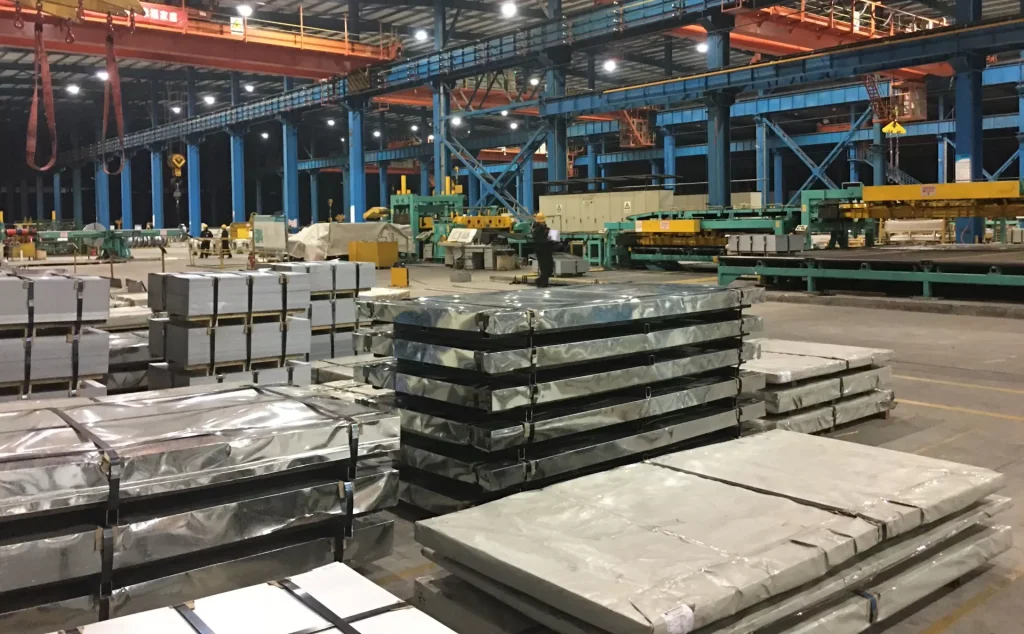
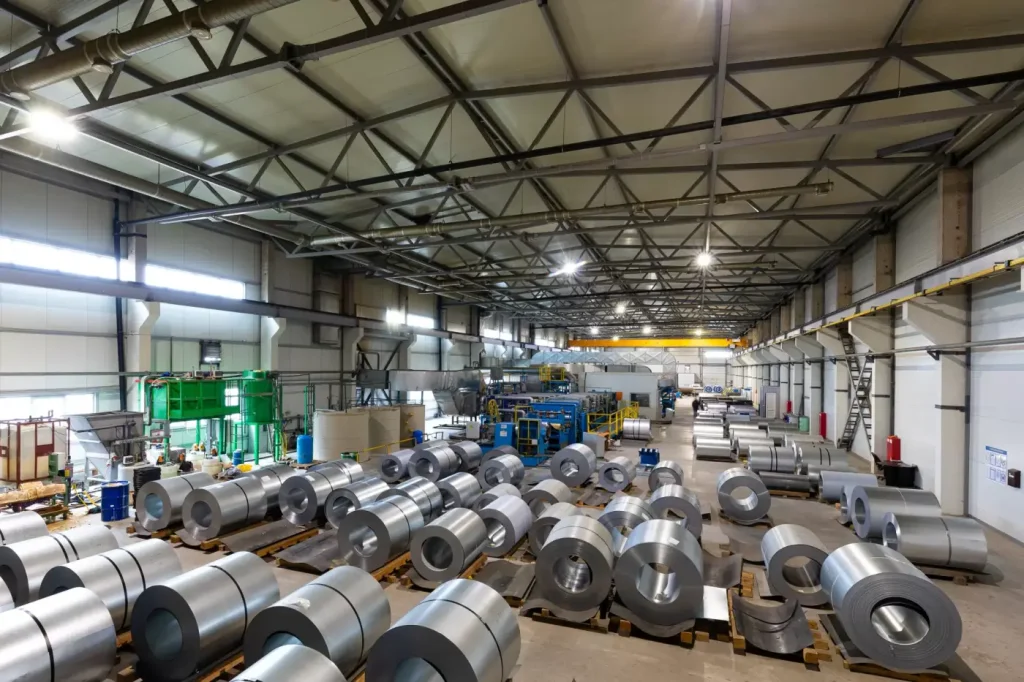

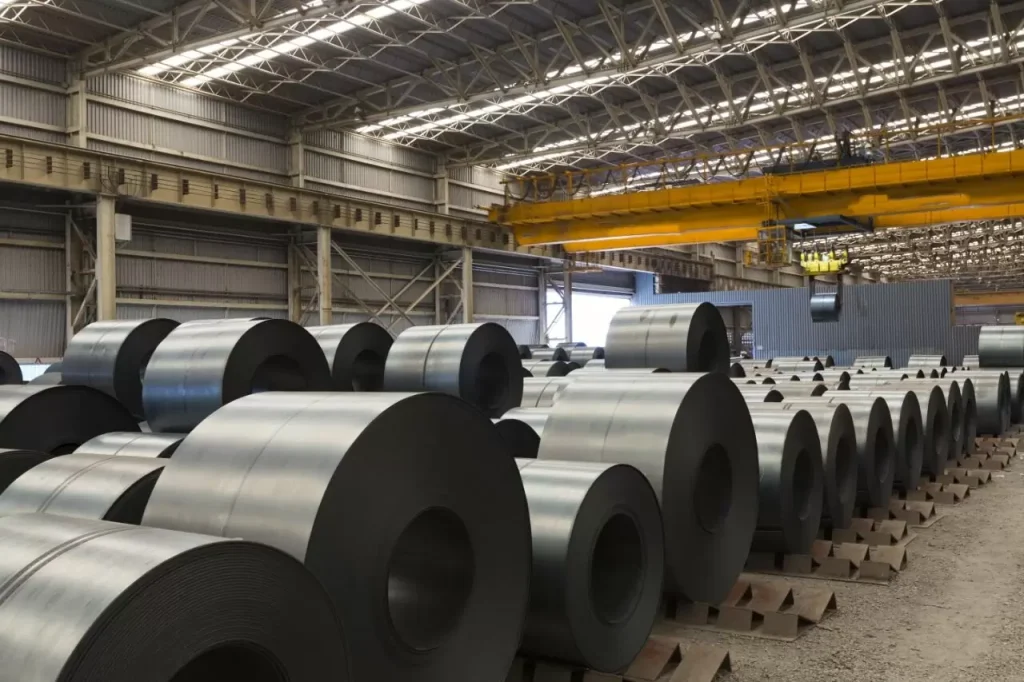
- Certified material traceability (UNS K93600)
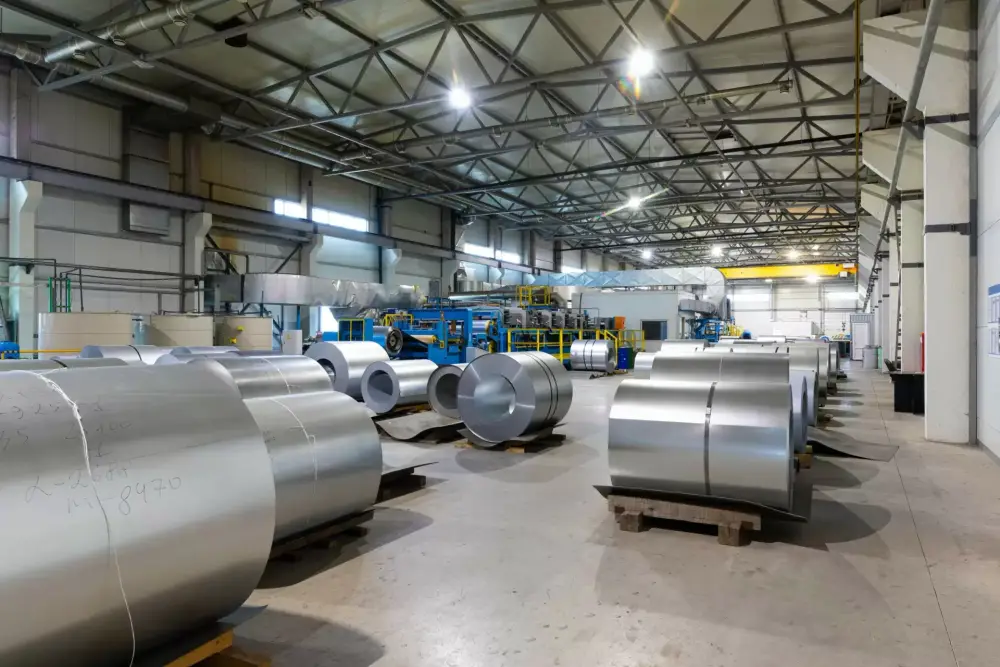
- Tight tolerance control (±0.01mm for critical dimensions)
- Custom heat treatment options (820-850℃ optimized annealing)
Applications & Industries
Aerospace:
High-power density actuators.

Electronics:
Precision sensors & MEMS components.

Energy:
Magnetic coupling devices for turbines.
Frequently Asked Questions
Q: Can 4J36 be welded?
A: Yes, plasma arc welding recommended with post-weld stress relief.
Q: How does it compare to 1J36?
A: 4J36 focuses on low expansion, while 1J36 prioritizes magnetic properties
Q3: What makes 4J36 alloy suitable for aerospace applications?
A: Its low thermal expansion coefficient ensures stability in extreme temperature fluctuations (-100°C to +400°C), critical for satellite components and sensor housings.
Q4: How does nickel content affect performance?
A: Ni content must be controlled within ±2% to maintain low expansion properties. Deviations can increase the coefficient by up to 20%.
Q5: Can it be paired with glass/ceramic materials?
A: Yes, its expansion coefficient (1.2×10⁻⁶/°C) closely matches borosilicate glass (3.3×10⁻⁶/°C), ideal for vacuum tube seals.
Ready to source alloy steel from a trusted Chinese manufacturer?
Let us support your project with reliable quality, fast delivery, and expert service.
Get a quote today — we usually respond within 12 hours.