- You are here:
- Home /
- Products /
- Alloy Steel /
- Special Stainless Steels /
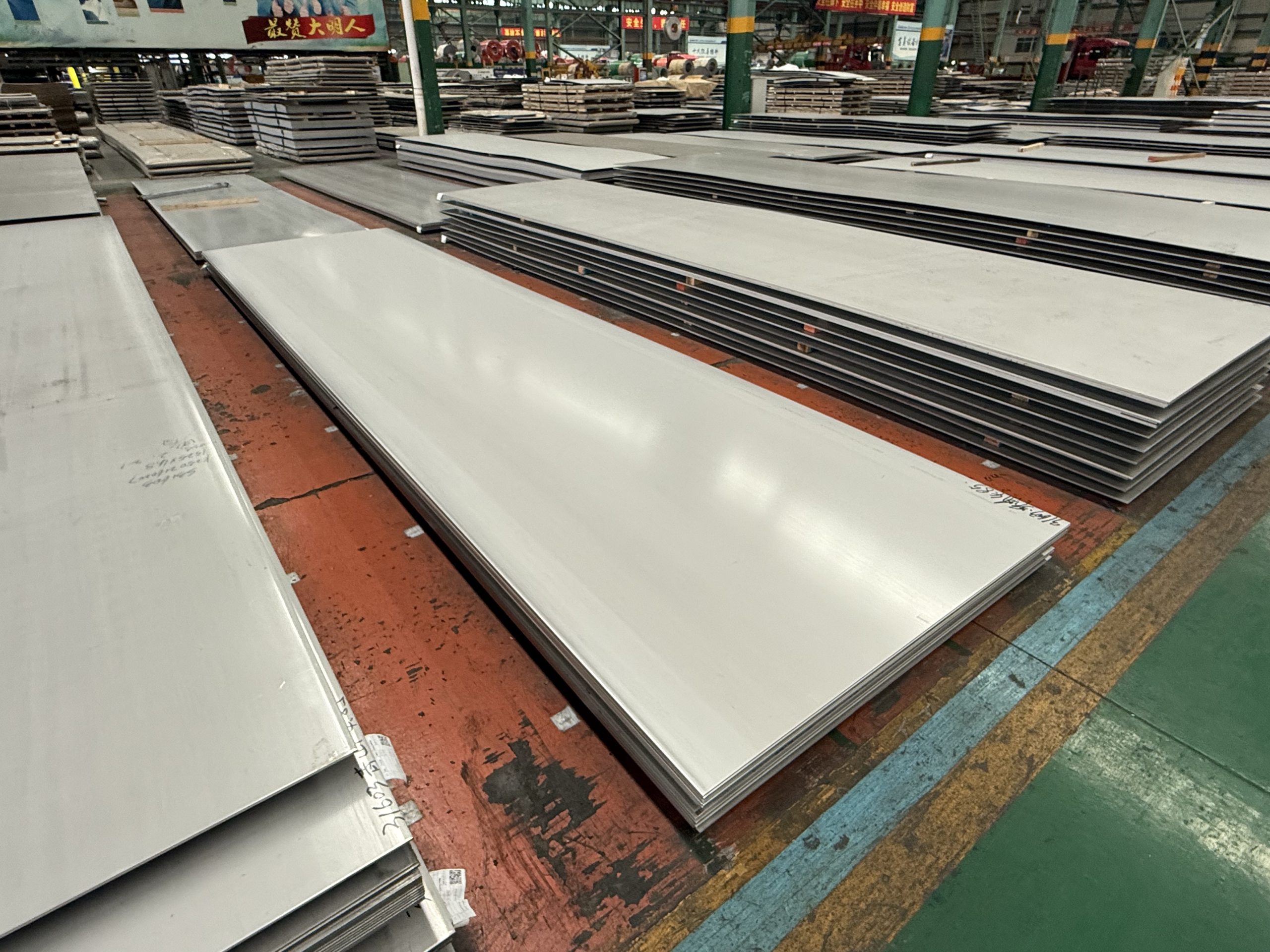
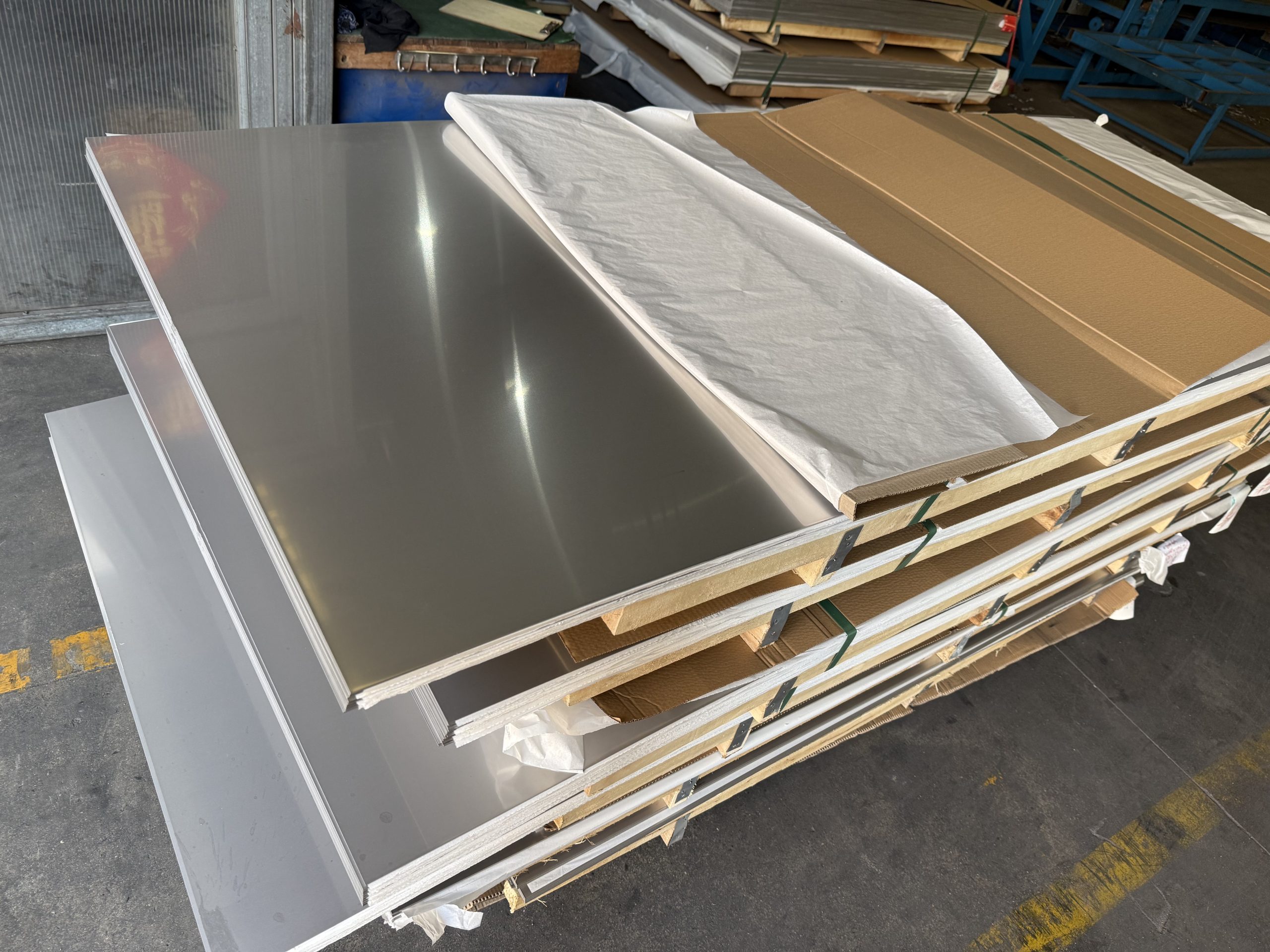
431 Stainless Steel Plate (1Cr17Ni2 / SUS431 / AISI 431)
- Material Type: Martensitic stainless steel with enhanced corrosion resistance compared to 410 and 430 grades.
- Key Features: High strength (≥1080 MPa tensile strength), good machinability, and moderate corrosion resistance in nitric and organic acid environments.
- Heat Treatment: Requires quenching (950–1050°C oil-cooled) and tempering (275–350°C air-cooled) to achieve optimal mechanical properties.
Chemical Composition (wt%)
Element | Content (%) |
C | ≤0.20 |
Si | ≤1.00 |
Mn | ≤1.00 |
P | ≤0.040 |
S | ≤0.030 |
Cr | 15.0–17.0 |
Ni | 1.25–2.50 |
Mo | ≤0.75 |
Note: Values adhere to JIS SUS431 and ASTM A431 standards. |
Parameter | Value |
Thickness | 0.5–80 mm (customizable) |
Hardness | ≤285 HB (annealed) |
Density | 7.75 g/cm³ |
Yield Strength | ≥480 MPa |
Tensile Strength | ≥1080 MPa |
Data sourced from industrial standards and supplier catalogs. |
1. Performance Characteristics
High Strength: After quenching and tempering, the tensile strength can reach over 1080 MPa, with a hardness of 55-60 HRC, making it suitable for high-load components.
Corrosion Resistance: Excellent in media containing sulfides, weak acids (such as nitric acid and organic acids), and neutral water, surpassing the 410/430 series.
Machinability: Freely machinable in the annealed state, forged, and rolled, but welding requires preheating and post-weld heat treatment to prevent cracking.
2. Main Applications
Machinery: Highly stressed components such as drive shafts, gears, and hydraulic rods.
Petrochemical: Pump casings, valves, and reactor liners, resistant to corrosion from sulfur-containing media.
Aerospace: Fasteners and rotor components, balancing lightweight and high strength.
Shipbuilding: Propeller shafts and thruster parts, suitable for marine environments.
Food and Pharmaceutical: Equipment components requiring hygienic and impact resistance.
3. Application Advantages
High Cost-Effectiveness: It lies between the 304/316 series (which lack corrosion resistance) and the 420 series (which lack strength), making it suitable for transitional applications.
Balanced Performance: It offers a combination of strength, corrosion resistance, and machinability, making it suitable for critical components across a wide range of industries.
Surface Treatment
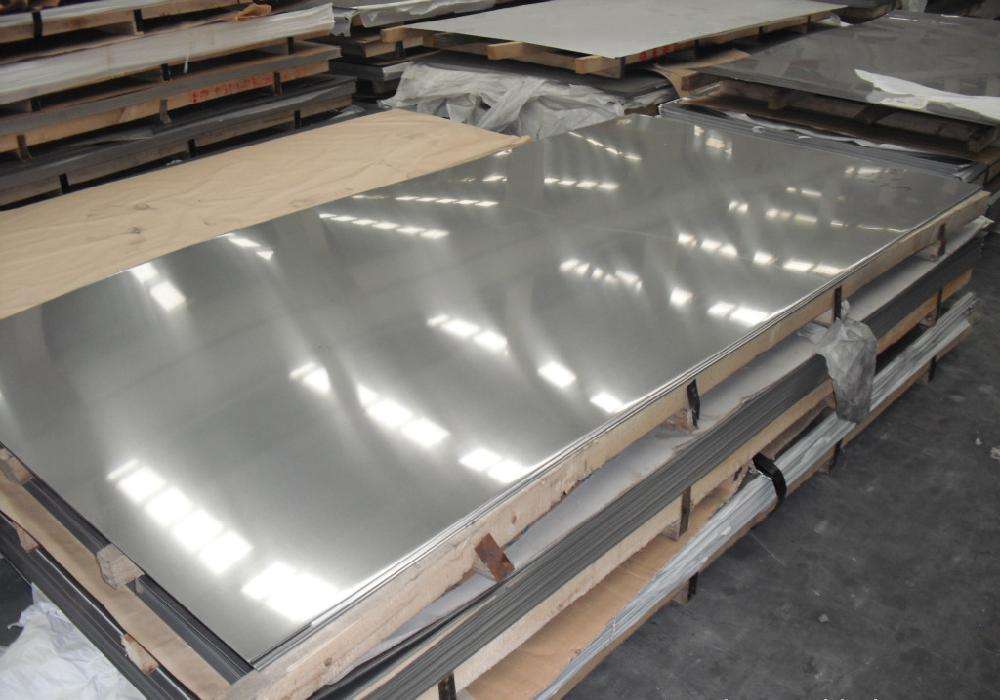
- Standard: No.1,2B (matte finish), No.4 (brushed), HL(HairLine),BA (bright annealed) or 8K upon request.
- Custom Options: Electroplating, passivation, or polishing for specialized applications.
Why Choose Us ?
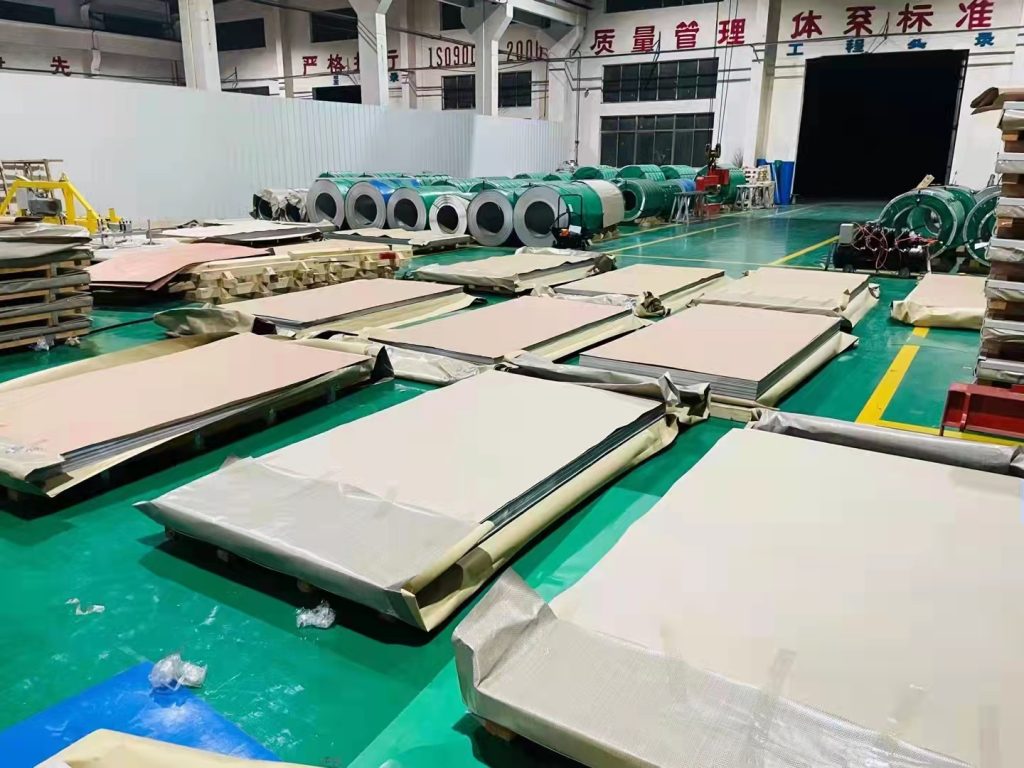
- Quality Assurance: Strict compliance with ISO 9001 and ASTM/ASME standards.
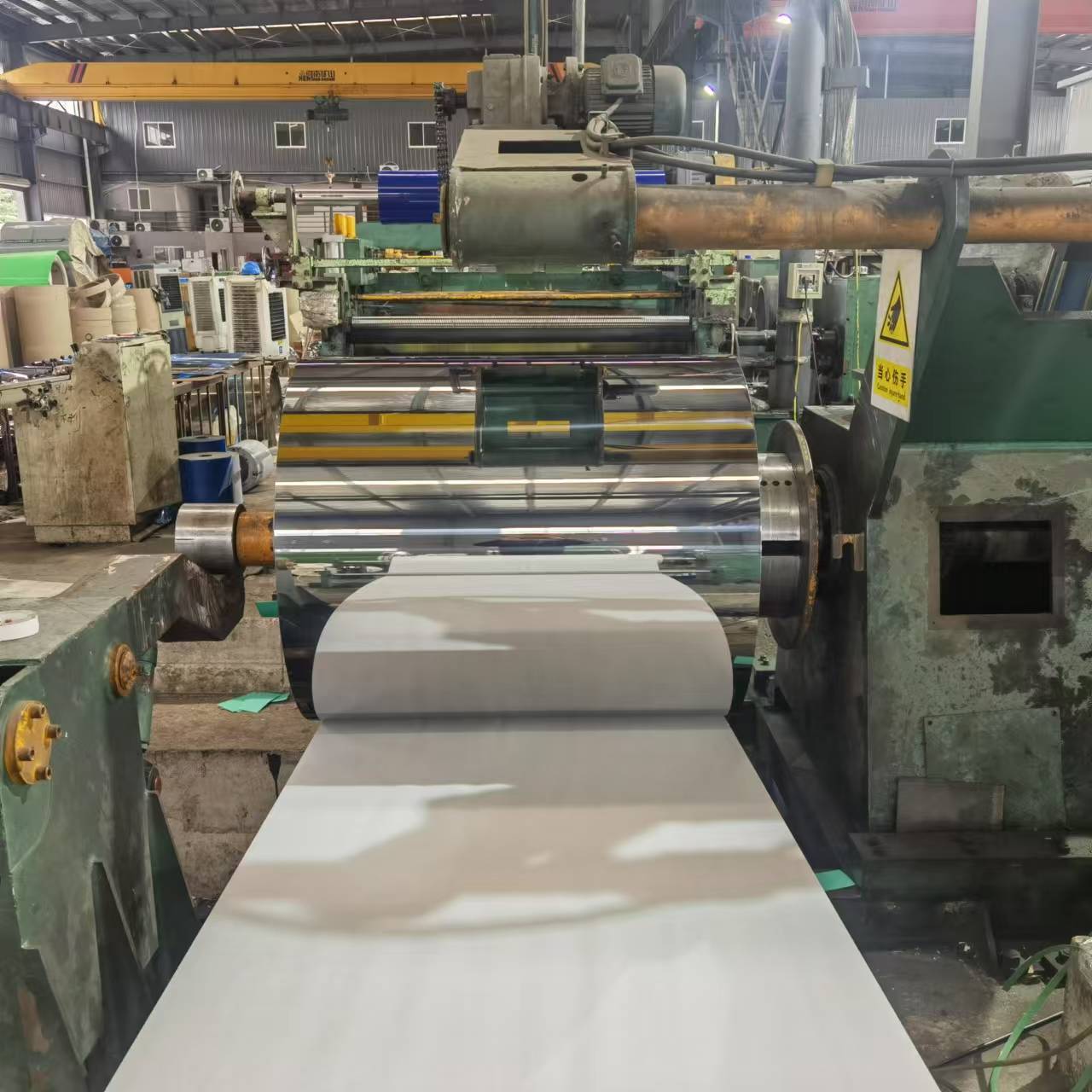
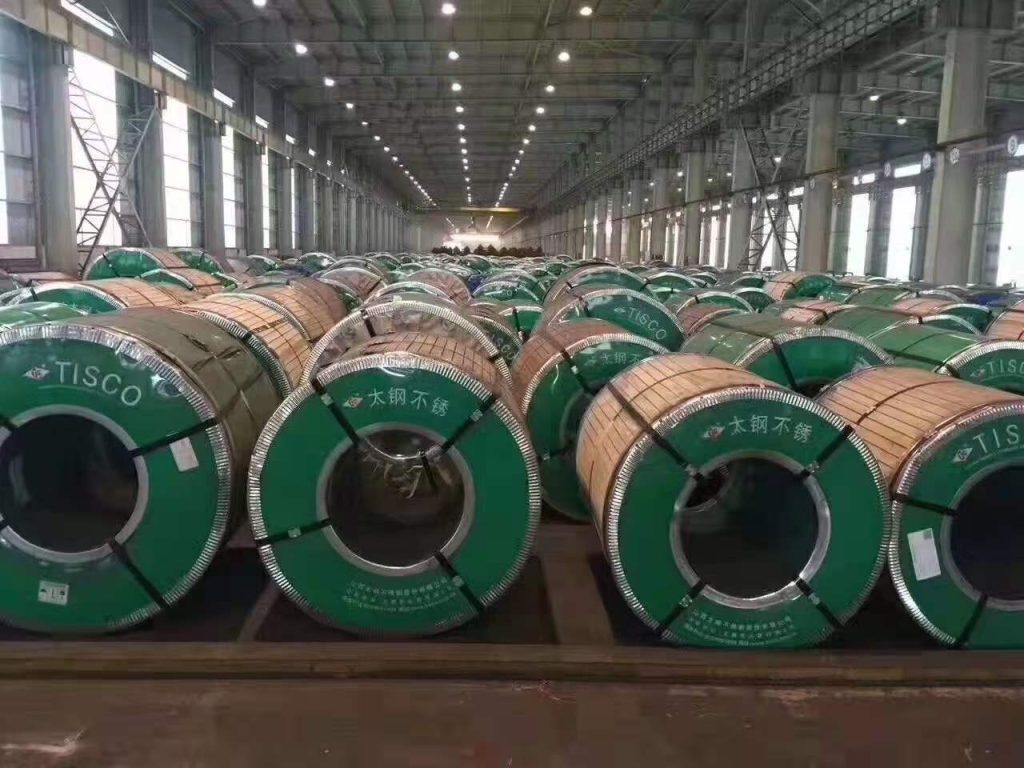
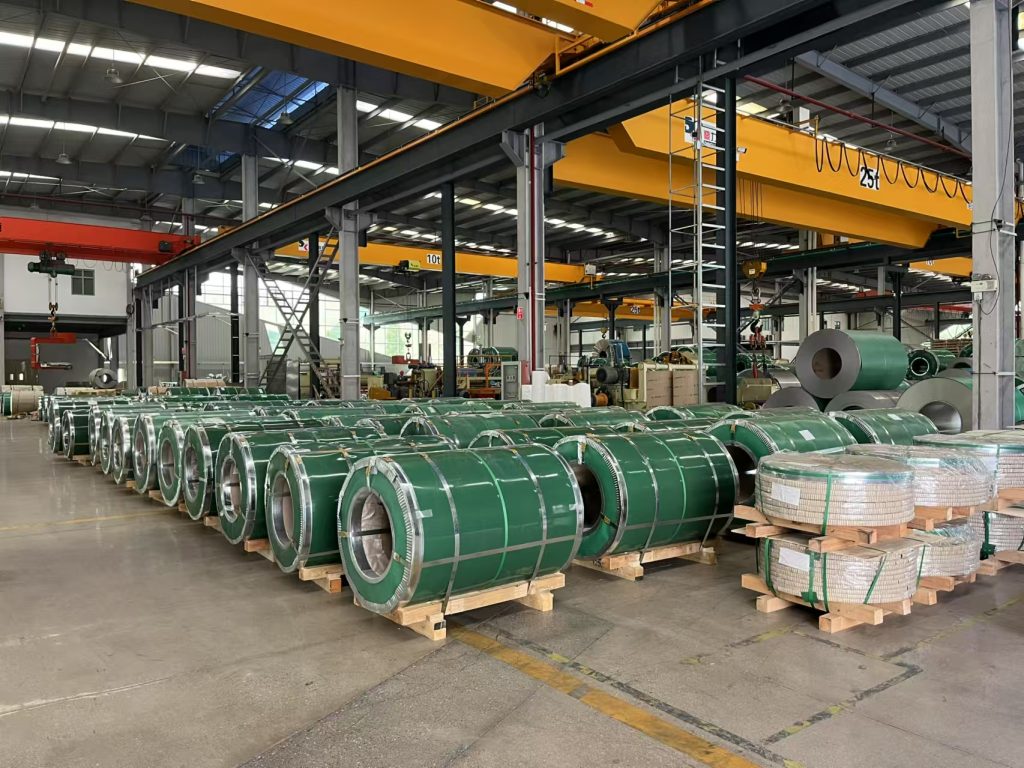
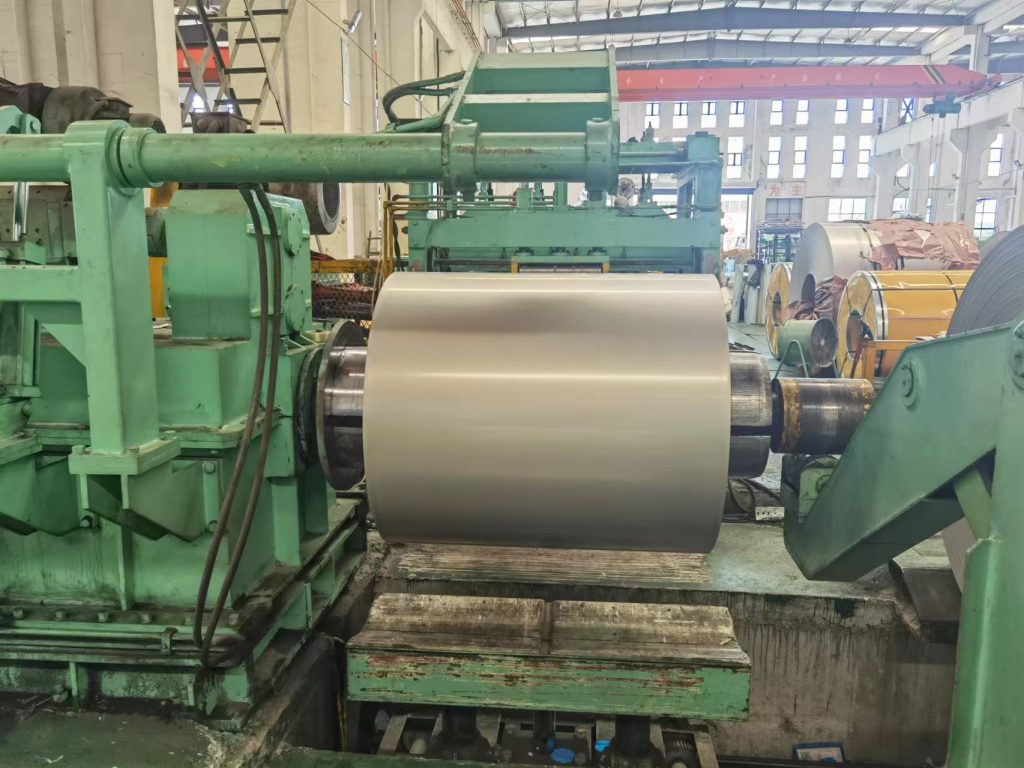
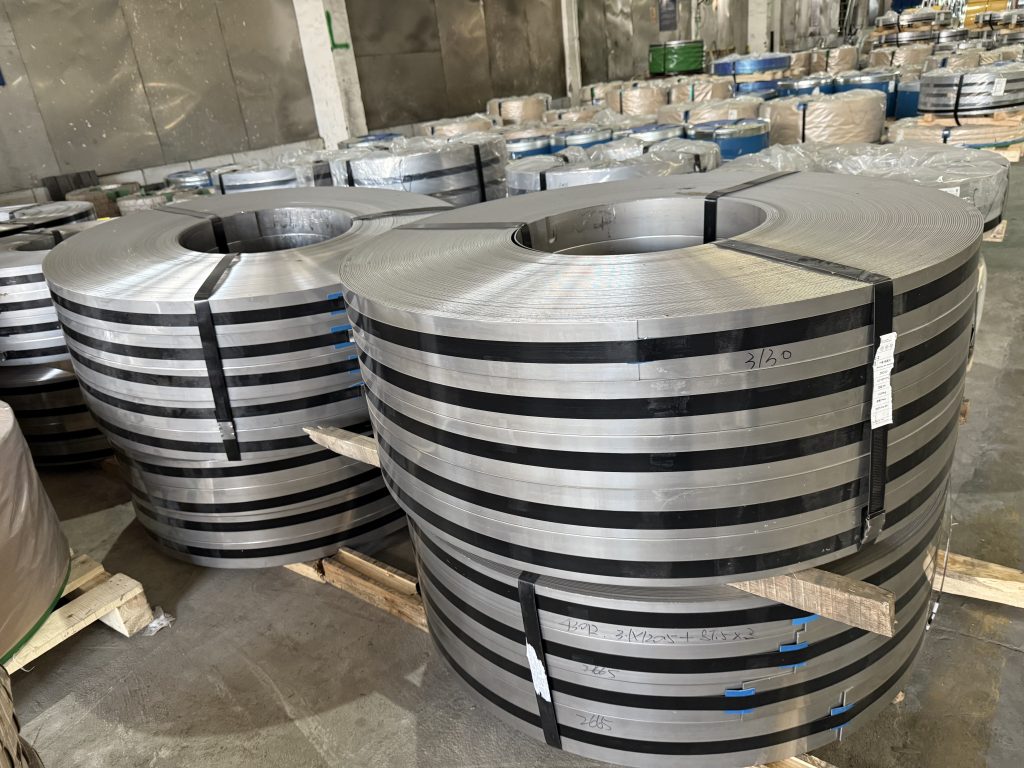
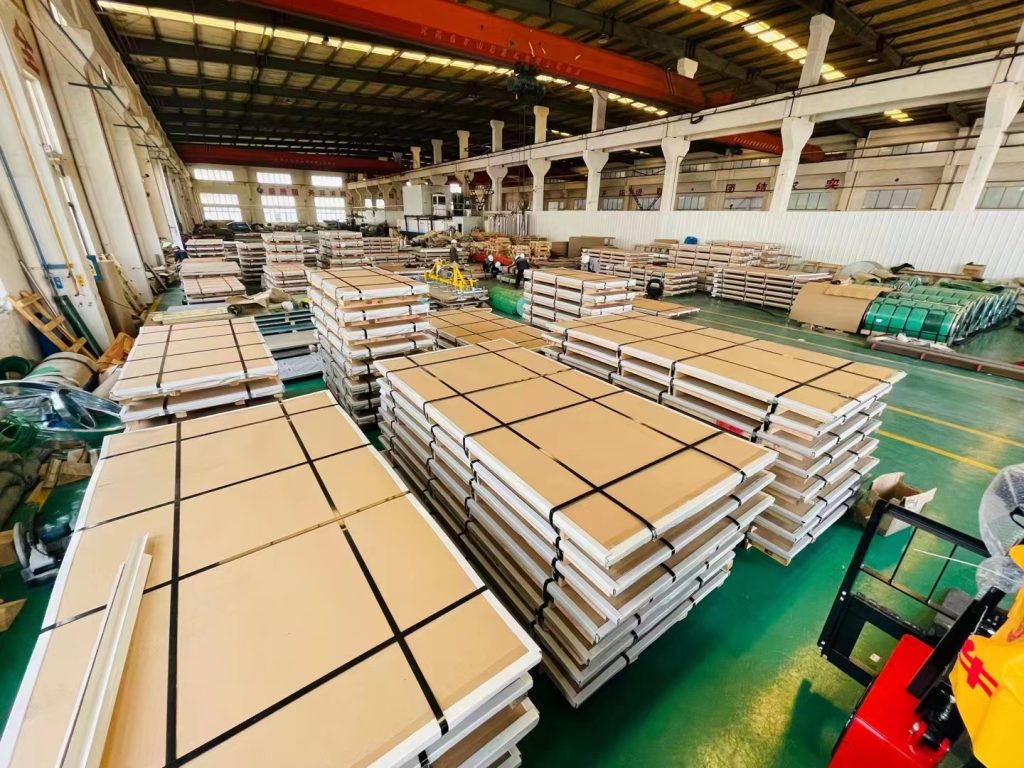
- Customization: Tailored dimensions (e.g., 1000–2500 mm width) and processing services (cutting, bending).
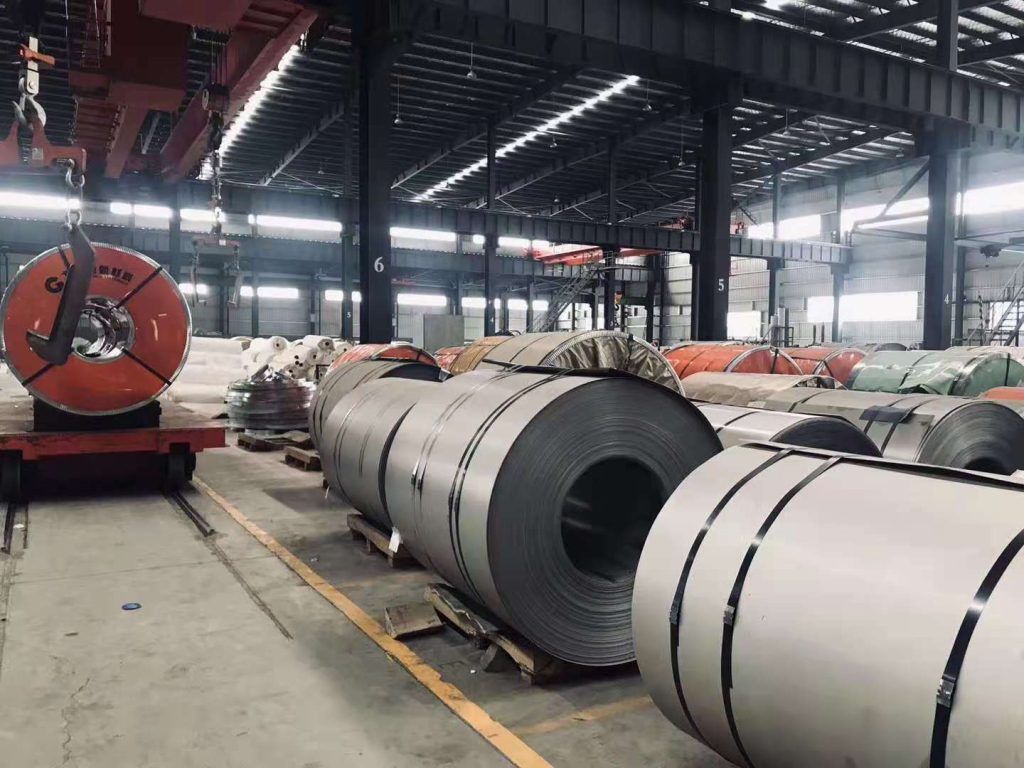
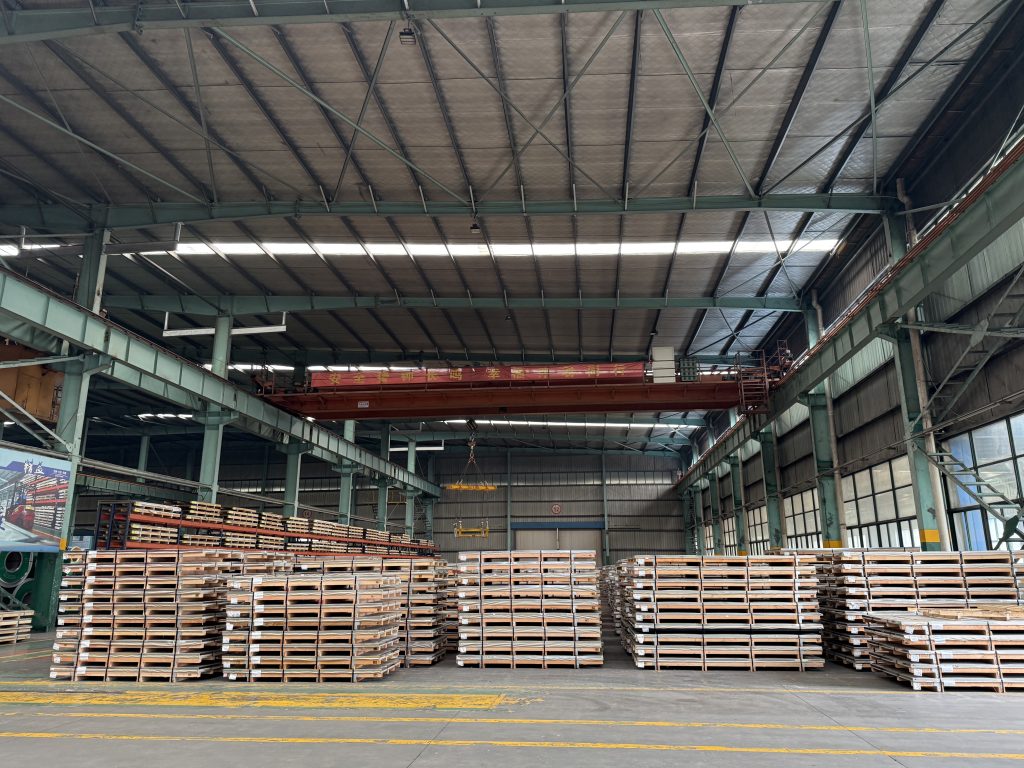
- Supply Chain: Large inventory with rapid delivery (7–15 days for standard sizes).
Applications & Industries
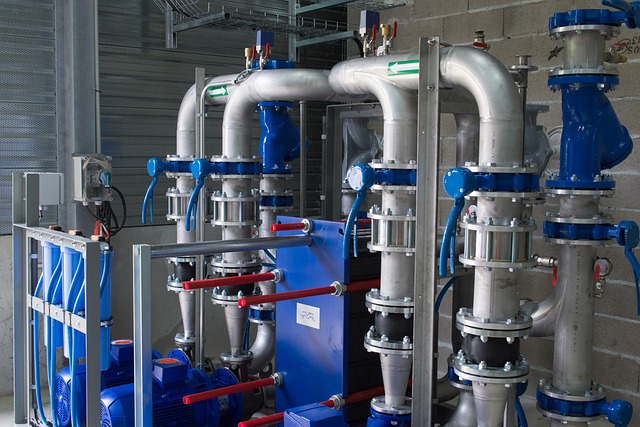
Aerospace:
High-power density actuators.
Electronics:
Precision sensors & MEMS components.
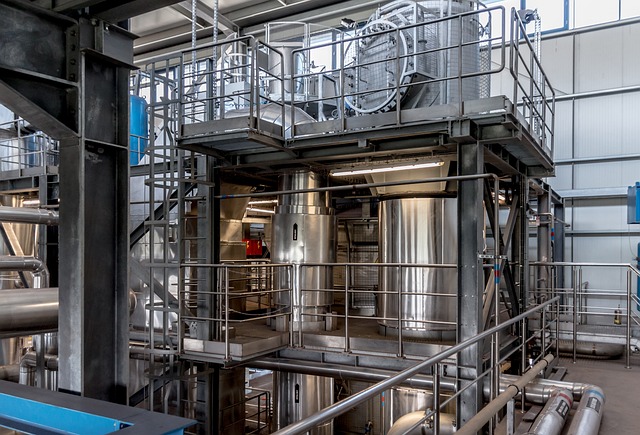
Energy:
Magnetic coupling devices for turbines.
Frequently Asked Questions
Q1: Can 431 be welded?
A: Yes, but preheating (200–300°C) and post-weld tempering are recommended to avoid cracking.
Q2: Is it magnetic?
A: Yes, as a martensitic steel.
Q3: How does 431 compare to 430 stainless steel?
A1: 431 contains Ni (1.25-2.5%) and Cr (15-17%), offering higher strength and corrosion resistance than 430 (Cr-only, no Ni).
Q4: Typical delivery conditions?
A5: Supplied in heat-treated state (quenched + tempered) for optimal mechanical properties.
Q5: Typical delivery conditions?
A5: Supplied in heat-treated state (quenched + tempered) for optimal mechanical properties.
Ready to source alloy steel from a trusted Chinese manufacturer?
Let us support your project with reliable quality, fast delivery, and expert service.
Get a quote today — we usually respond within 12 hours.