- You are here:
- Home /
- Products /
- Alloy Steel /
- Heat-Resistant Steel /
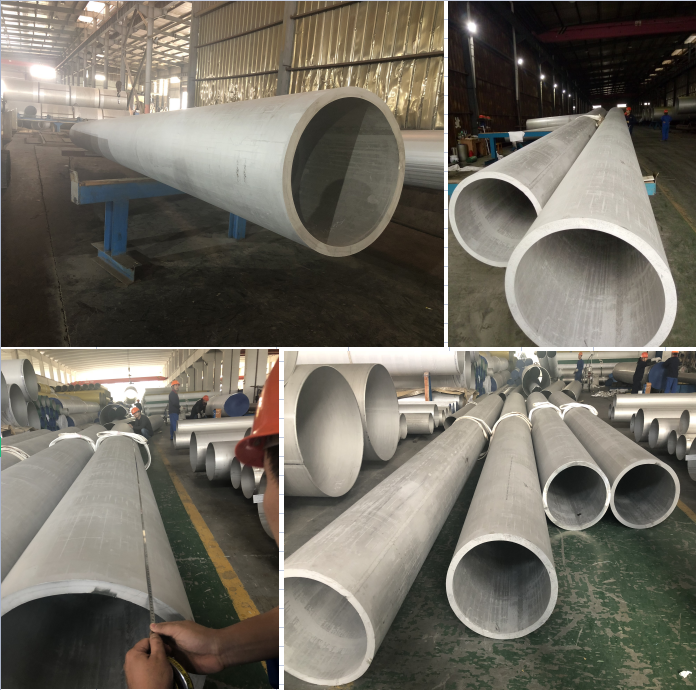
310S Austenitic Stainless Steel Tube
High-performance heat-resistant tubing for extreme temperature applications
- Superior Heat Resistance:Maintains structural integrity up to 1150°C continuous service (1200°C short-term) with excellent oxidation resistance
- Corrosion Resistance:Outstanding performance in acidic/alkaline environments and high-temperature corrosive media
- Mechanical Stability:High creep strength at elevated temperatures with stable austenitic structure
- Versatile Fabrication:Suitable for welding, machining, and forming (hot/cold working)
Chemical Composition (wt%)
Element | Content | Element | Content |
Carbon (C) | ≤0.08 | Chromium (Cr) | 24.00-26.00 |
Silicon (Si) | ≤1.50 | Nickel (Ni) | 19.00-22.00 |
Manganese (Mn) | ≤2.00 | Phosphorus (P) | ≤0.045 |
Sulfur (S) | ≤0.030 | Copper (Cu) | ≤0.75 (trace) |
310S Stainless Steel Pipe Performance Characteristics and Applications
1. Performance Characteristics
1.1 High Temperature Resistance
310S stainless steel pipe exhibits excellent stability in high-temperature environments, with a continuous operating temperature of up to 1150°C and a maximum operating temperature of 1200°C. Its high chromium (24%-26%) and nickel (19%-22%) content ensures structural integrity at high temperatures and forms a dense oxide layer, effectively preventing further oxidation.
1.2 Corrosion Resistance
This material exhibits excellent corrosion resistance, particularly in strong acids, oxidizing atmospheres, and high-temperature corrosive environments, significantly extending equipment life. Its austenitic structure provides excellent resistance to stress corrosion, making it suitable for demanding applications such as the chemical and petroleum industries.
1.3 Mechanical Properties
310S pipe exhibits stable mechanical properties, with a room temperature tensile strength of 515-690 MPa and a yield strength of approximately 205 MPa. Its strength decays slowly at high temperatures. Its excellent toughness and ductility allow it to withstand mechanical shock, ensuring the long-term safe operation of equipment.
1.4 Machinability
The material’s excellent plasticity and ductility facilitate cold or hot forming, such as stamping, drawing, and welding. Carbide precipitation is less likely to form during welding, reducing the risk of intergranular corrosion and expanding its application range.
2. Main Applications
2.1 High-Temperature Industrial Equipment
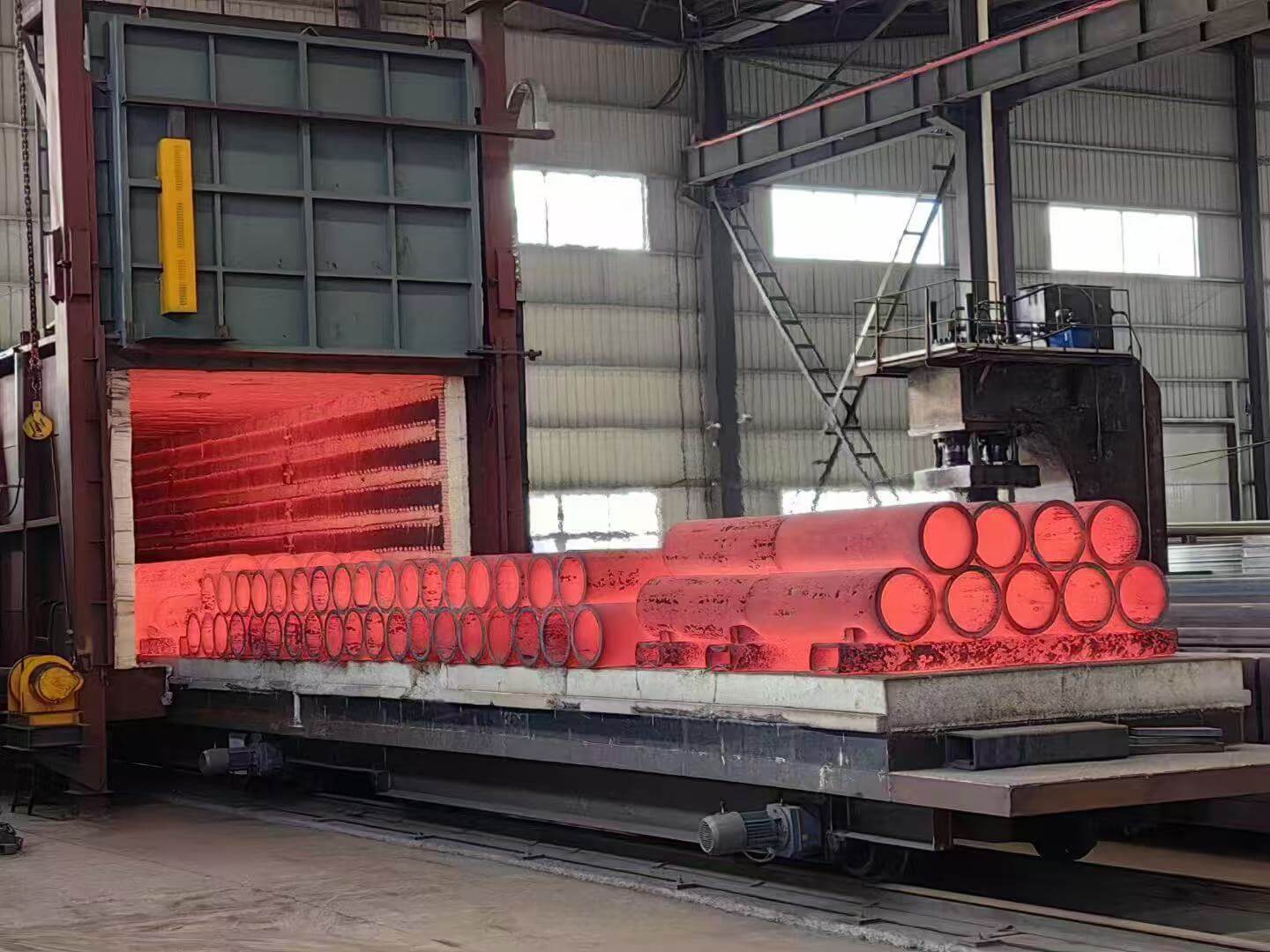
310S pipe is widely used in high-temperature components such as furnaces, boilers, and heat exchangers, such as furnace tubes, burner nozzles, and rotary kiln discharge ports. It can withstand continuous high-temperature operation. Its heat resistance significantly extends equipment life, making it suitable for applications such as heat treatment equipment and incinerators.
2.2 Petrochemical Industry
In oil refining and chemical production, this material is used to manufacture high-temperature and high-pressure pipelines, reactors, and storage tanks. Its stable performance in highly corrosive environments reduces maintenance costs. For example, superheaters and steam pipes in petrochemical equipment rely on its high-temperature resistance.
2.3 Other Industrial Applications
310S tubing is also used in the manufacture of automotive exhaust systems, thermal power plant components, and nuclear power equipment. It performs reliably in high-temperature and high-humidity environments. Its versatility makes it an ideal material for high-temperature industrial applications.
Surface Treatment
- Annealed & Pickled:Standard finish with oxide removal
- Polished:Mirror/satin finishes (Ra ≤0.8μm) for hygienic applications
- Sandblasted:For improved paint/adhesive bonding
Why Choose Us ?
- Certified Quality:ASTM A312/ASME SA-312 compliant with mill test reports
- Precision Manufacturing:±0.1mm tolerance on OD/Wall thickness
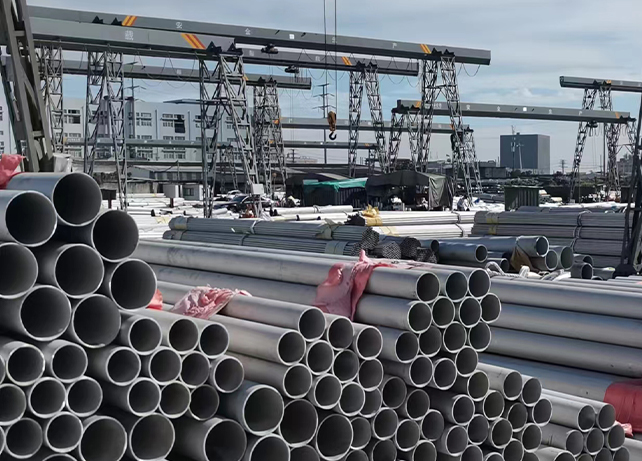
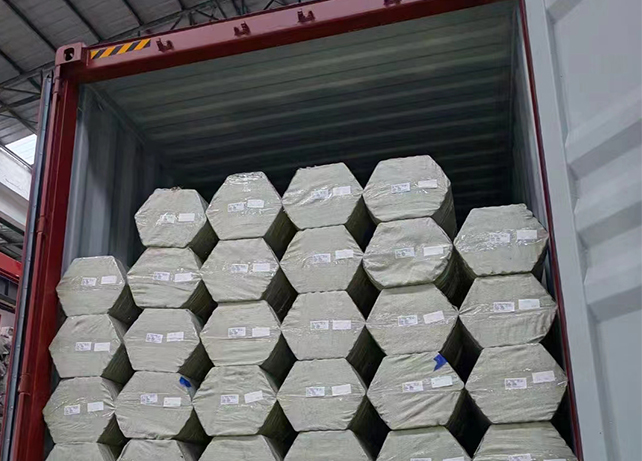
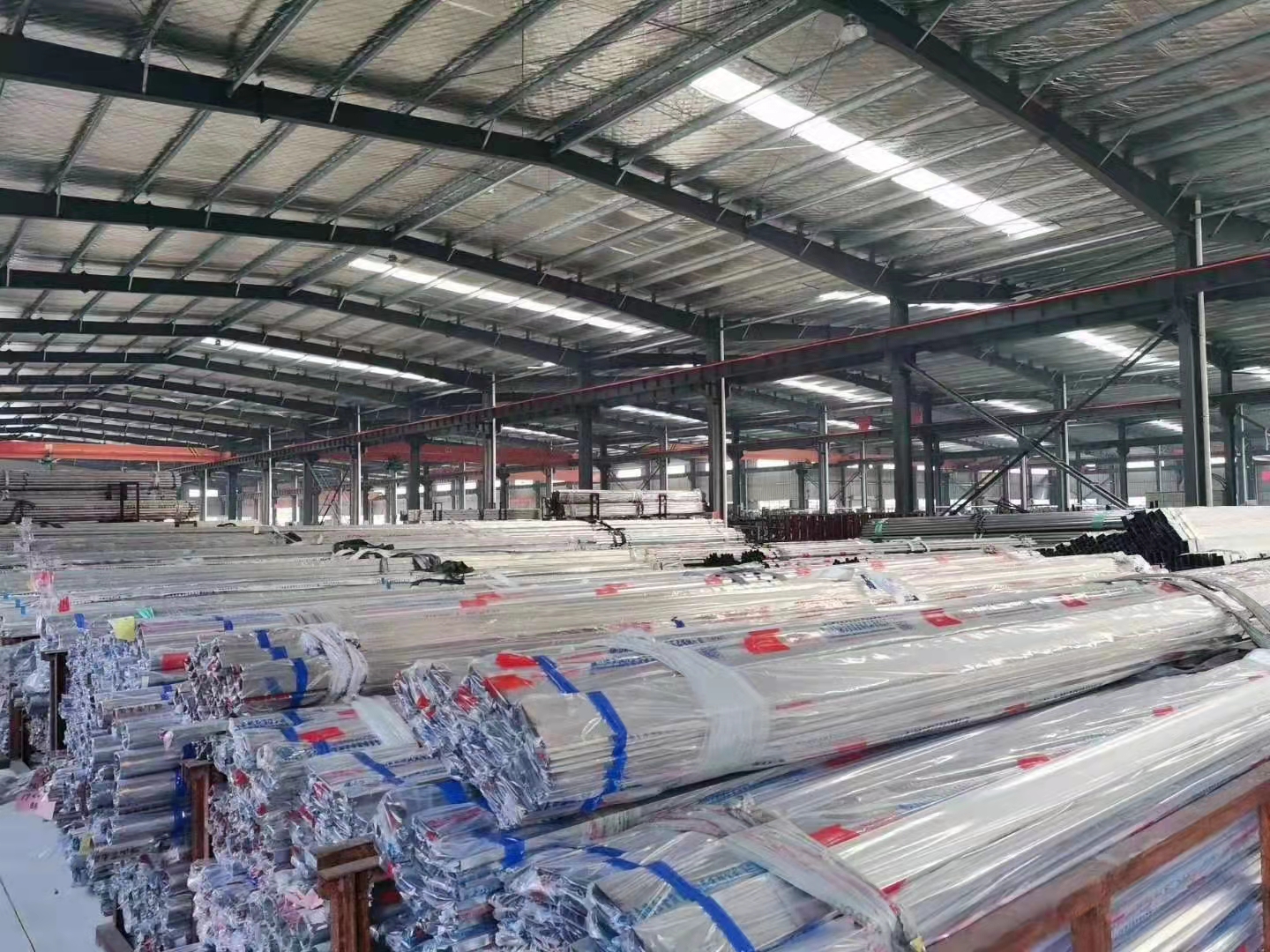
- Inventory Ready:6m-12m standard lengths, custom cuts available
Applications & Industries
Aerospace:
High-power density actuators.

Electronics:
Precision sensors & MEMS components.
Energy:
Magnetic coupling devices for turbines.
Frequently Asked Questions
Q1: How to prevent welding cracks in 310S tubing?
A: Use ER310 filler metal with controlled heat input (max interpass temp: 150°C)
Q2: Maximum continuous service temperature?
A: 1150°C for oxidation resistance; limit to 800°C for long-term load-bearing
Q3: Difference between 310S and 309S?
A: 310S has higher Ni/Cr (25Cr-20Ni vs 22Cr-12Ni) for superior heat resistance
Q4: Machining tips to avoid tool sticking?
A: Use carbide tools with slow speeds and high lubricant flow
Q5: Can 310S pipes be used in acidic environments?
A: Yes, they resist sulfuric, phosphoric, and organic acids, making them suitable for chemical storage and transport systems.
Ready to source alloy steel from a trusted Chinese manufacturer?
Let us support your project with reliable quality, fast delivery, and expert service.
Get a quote today — we usually respond within 12 hours.