- You are here:
- Home /
- Products /
- Alloy Steel /
- Super Duplex Stainless Steels /
2205 Duplex Stainless Steel Plate Technical Manual
2205 duplex stainless steel plate is a high-performance material with a balanced microstructure of austenite and ferrite phases (approximately 50:50 ratio). It exhibits exceptional corrosion resistance, superior mechanical strength, and excellent weldability. Key features include:
- Corrosion Resistance: Outstanding resistance to chloride-induced stress corrosion cracking, pitting, and crevice corrosion (PREN value ≥35).
- High Strength: Yield strength (≥450 MPa) and tensile strength (≥620 MPa) significantly exceed standard austenitic grades like 304.
- Temperature Resistance: Stable performance in environments ranging from -50°C to 300°C.
- Cost-Effective: Lower alloy content than nickel-based alternatives, reducing material costs.
Chemical Composition (wt%)
Element | Content (%) |
C | ≤0.030 |
Si | ≤1.00 |
Mn | ≤2.00 |
P | ≤0.030 |
S | ≤0.020 |
Cr | 21.0–23.0 |
Ni | 4.5–6.5 |
Mo | 2.5–3.5 |
N | 0.08–0.20 |
Compliance with ASTM A240/ASME SA240 standard. |
Parameter | Value |
Thickness Range | 0.5mm–100mm |
Width | 1000mm–2500mm |
Length | 2000mm–12000mm |
Density | 7.8 g/cm³ |
Hardness (HB) | ≤290 |
Yield Strength | ≥450 MPa |
Tensile Strength | ≥620 MPa |
I. Performance Characteristics of 2205 Stainless Steel Plate
1. Duplex Structure Advantages
Composed of approximately 50% austenite and 50% ferrite, it combines the high toughness of austenite with the high strength of ferrite, with a tensile strength ≥620 MPa and a yield strength ≥450 MPa, significantly superior to 304/316 stainless steel.
2. Corrosion Resistance
High chromium (22%), molybdenum (3%), and nitrogen (0.15-0.20%) elements work synergistically to form a stable passive film, making it particularly resistant to chloride stress corrosion, pitting, and crevice corrosion. With a PREN value ≥35, it is suitable for high-chloride environments such as seawater.
3. Processing and Weldability
Although cold working requires controlled deformation and intermediate annealing, it can be joined using conventional welding processes, requiring appropriate welding consumables and controlled heat input.
II. Main Applications
1. Chemical and Petroleum
Used in high-pressure pipelines, heat exchangers, and reactors, it is resistant to acidic media (such as dilute sulfuric acid) and sulfur-containing oil and gas environments.
2. Marine Engineering
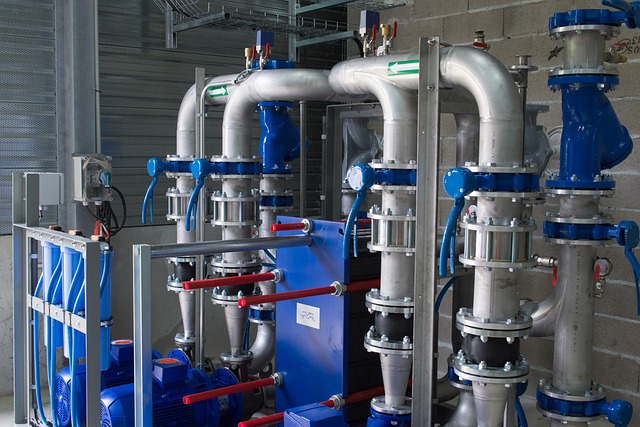
Offshore platforms, ship components, and seawater treatment systems, offering outstanding resistance to seawater corrosion.
3. Energy and Environmental Protection
Oil and gas field pipelines, flue gas desulfurization equipment, and sewage treatment tanks, meeting the dual challenges of high strength and corrosion.
4. Other Industries
Paper bleaching equipment, food processing storage tanks, and bridge structures, balancing hygiene and durability.
Surface Treatment
- Hot Rolled: Pickled to remove oxide scale, ensuring a smooth matte finish.
- Cold Rolled: Annealed + passivated for superior surface finish (Ra ≤0.8μm).
- Customized: Electro-polishing or shot blasting available for specific applications.
Why Choose Us ?
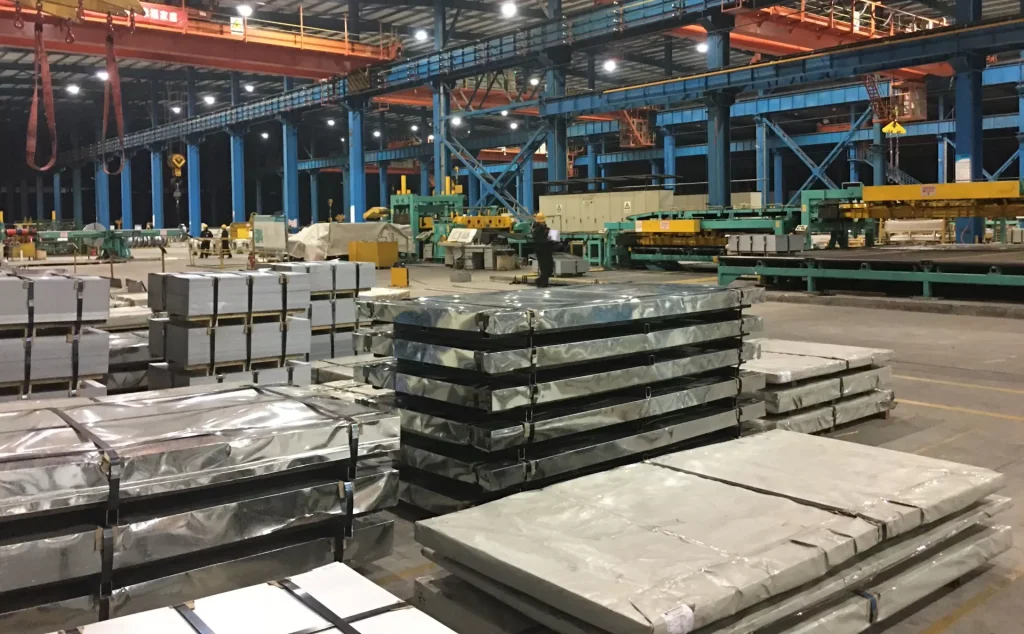
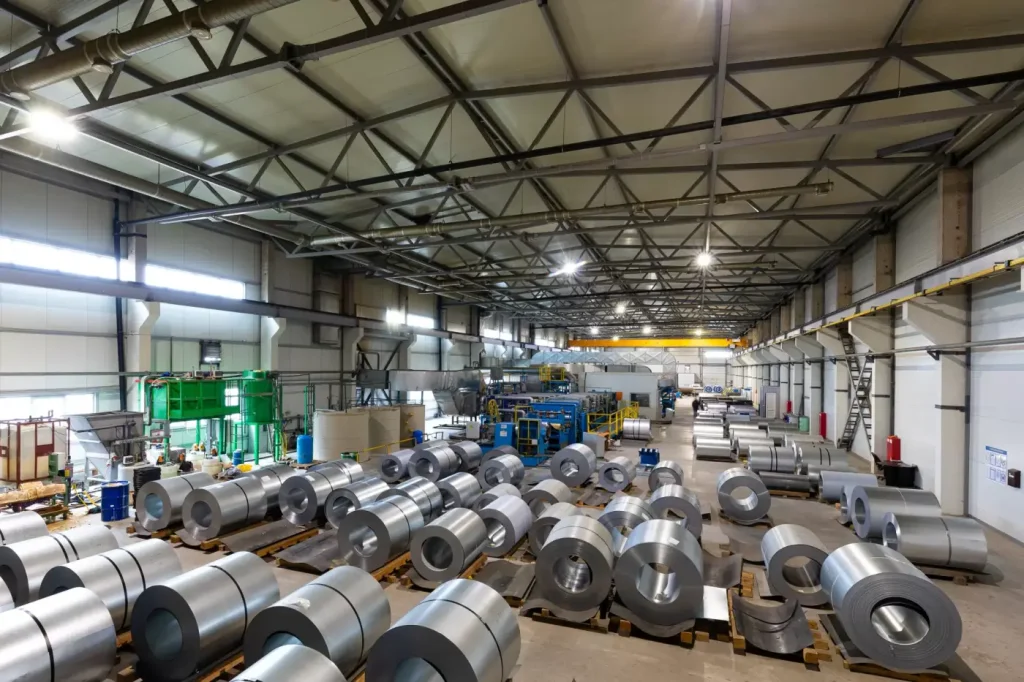
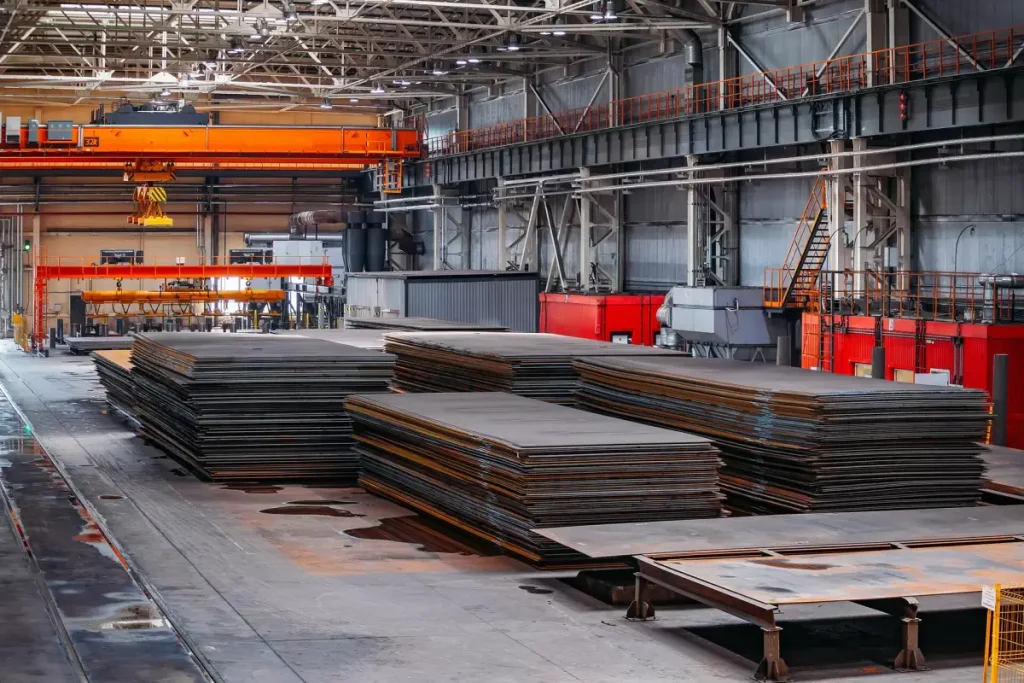
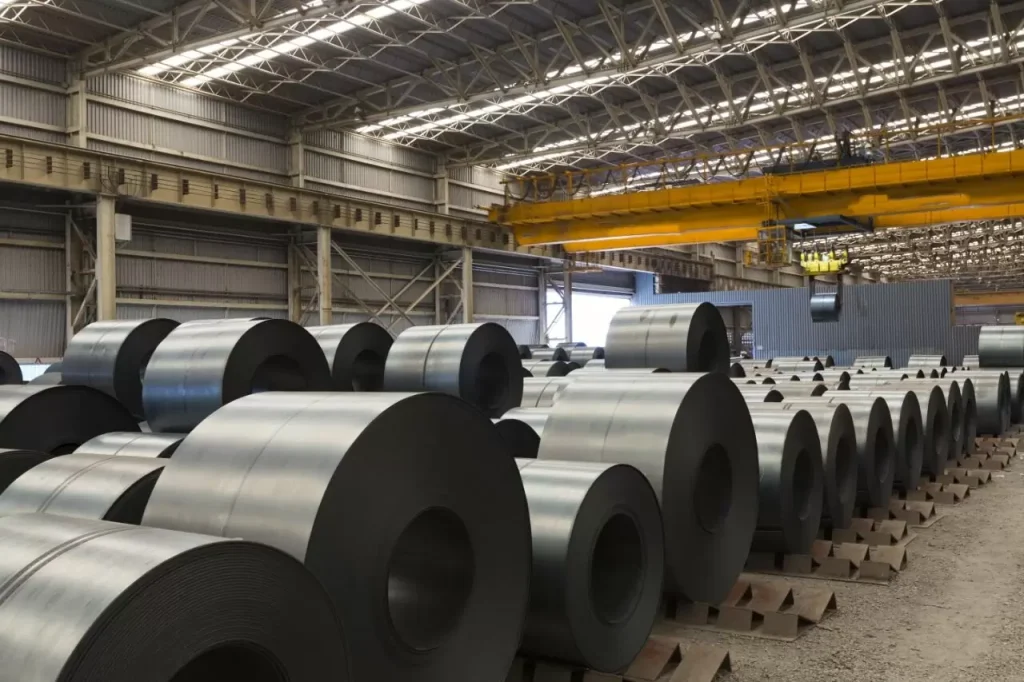
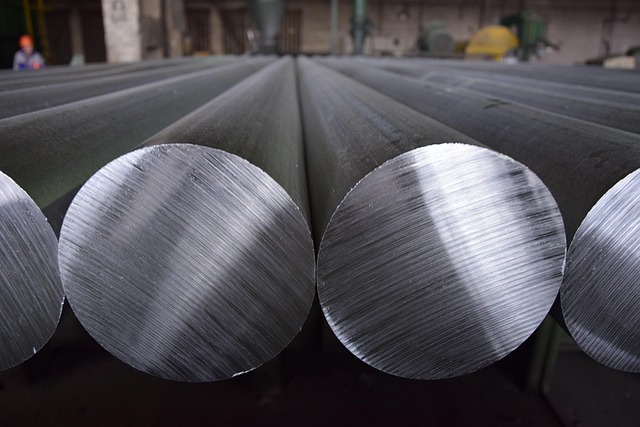
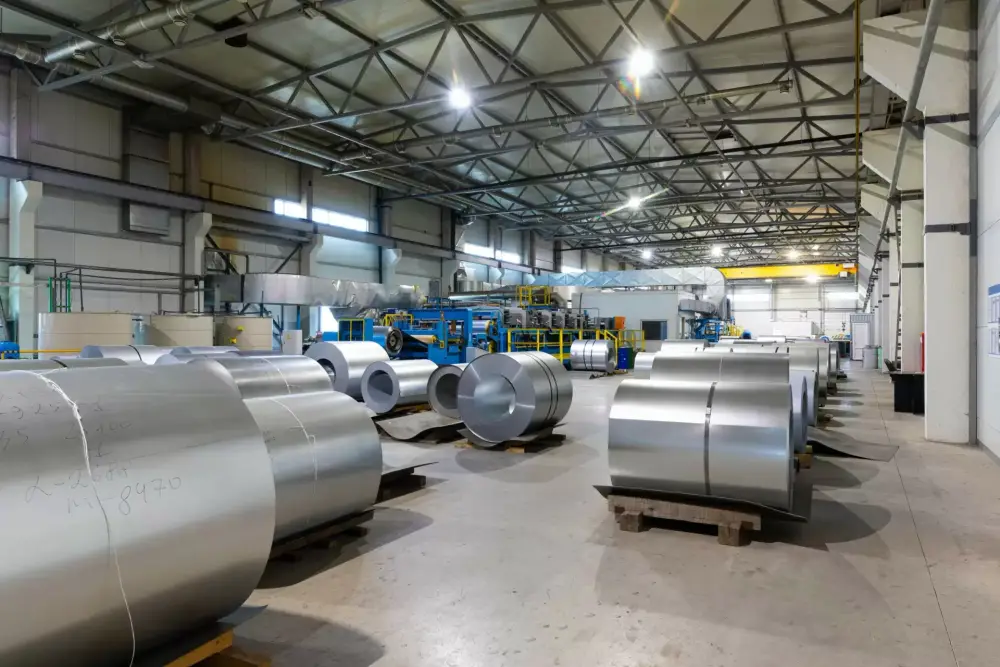
- Certified Quality: ISO 9001, PED, ASME certifications.
- Advanced Manufacturing: Precision cutting (laser/waterjet) and CNC machining capabilities.
- Global Support: Stock availability in EU, Asia, and Americas with JIT delivery.
Applications & Industries
Aerospace:
High-power density actuators.
Electronics:
Precision sensors & MEMS components.
Energy:
Magnetic coupling devices for turbines.
Frequently Asked Questions
Q1: Can 2205 be welded?
A: Yes, using ER2209 filler wire to maintain duplex balance.
Q2: What’s the minimum service temperature?
A: -50°C (with proper impact testing).
Q3: How to prevent corrosion in seawater?
A:
Design: Ensure smooth surfaces (reduce crevices).
Maintenance: Avoid halide contamination and periodic cleaning.
Performance: Resists pitting better than 316L (PREN 35 vs. 24).
Q5: What are the temperature limits?
A:
Continuous Use: -50°C to 250°C (avoid σ-phase formation above 300°C).
Not Recommended: Cryogenic (< -50°C) due to ductile-to-brittle transition.
Ready to source alloy steel from a trusted Chinese manufacturer?
Let us support your project with reliable quality, fast delivery, and expert service.
Get a quote today — we usually respond within 12 hours.