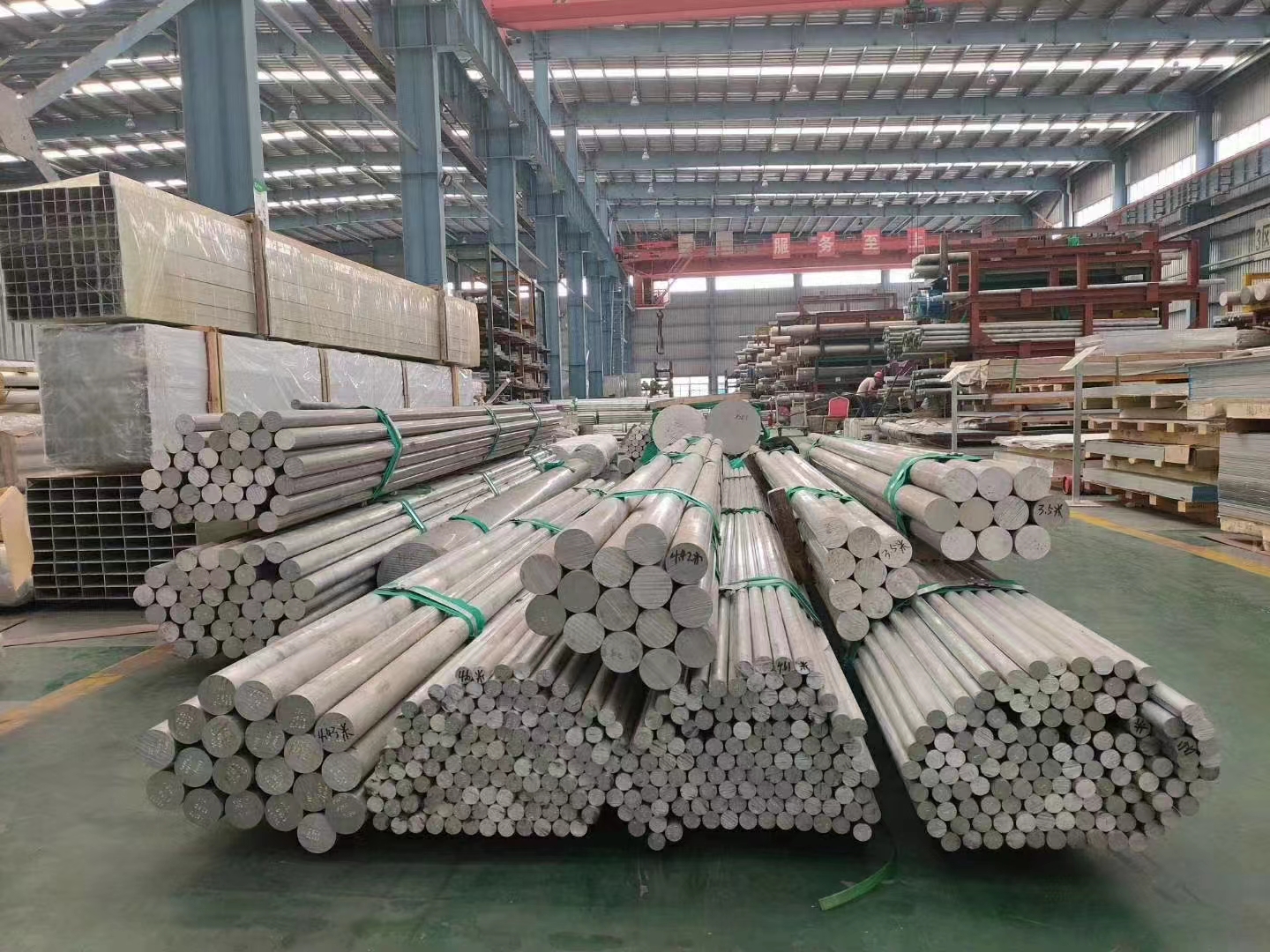
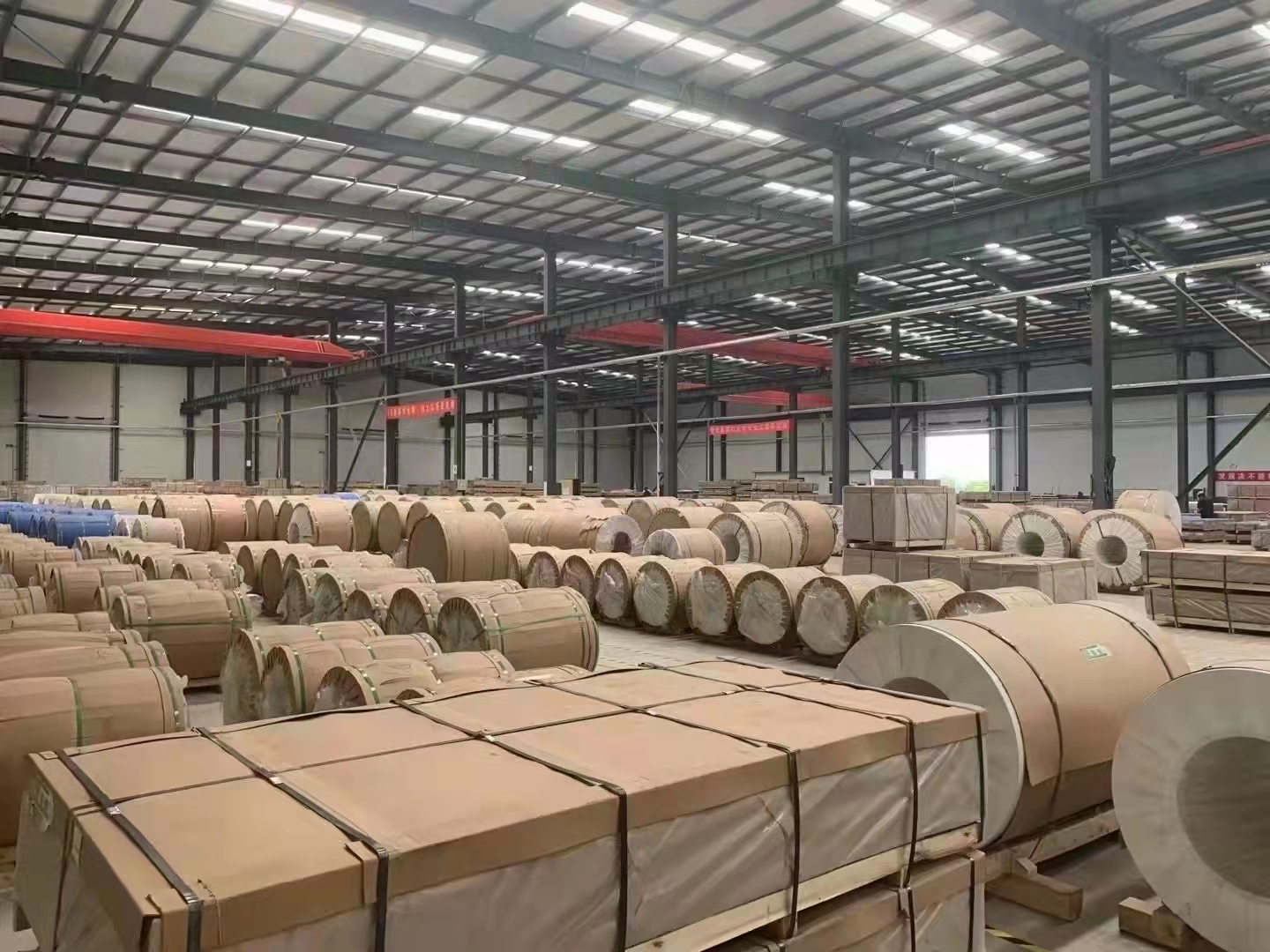
Aluminum Bar / Rod: for Structural and Industrial Applications

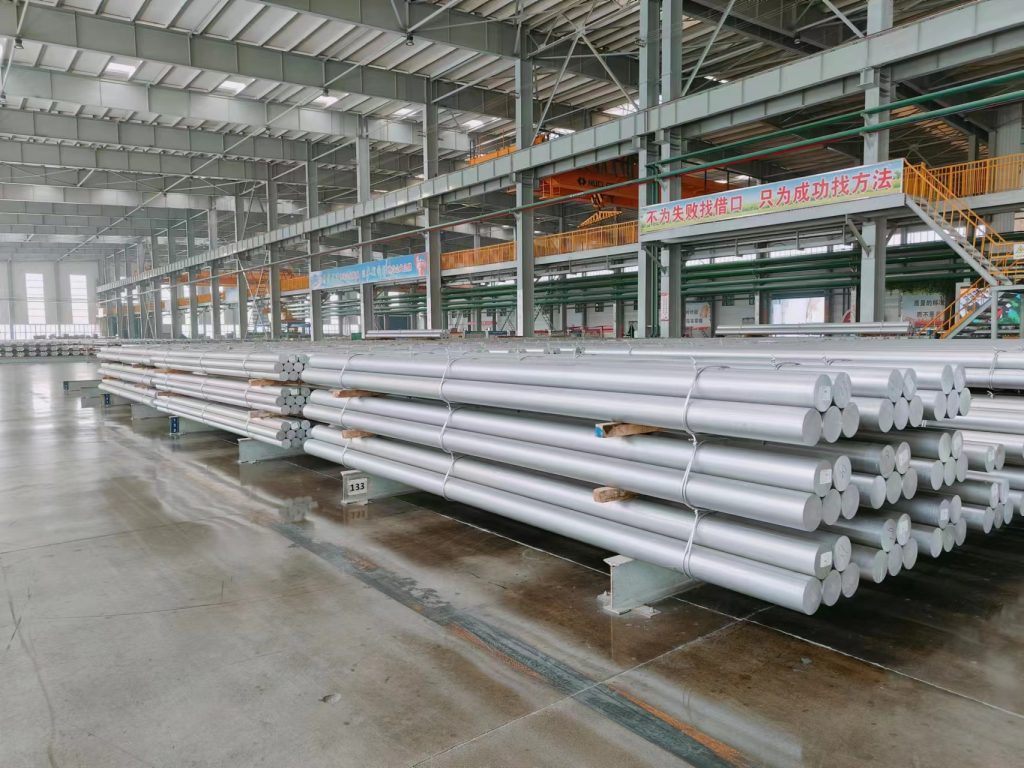
Aluminum bars and rods are cylindrical or square cross-sectioned extruded products made from aluminum alloys, designed for mechanical, structural, and engineering applications. They are produced via hot or cold extrusion processes and are available in a wide range of alloys and tempers to meet diverse performance requirements

Chemical Composition (wt%)

Alloy

Si

Fe

Cu

Mn

Mg

Cr

Zn

Ti

Other

Al

1060

0.25

0.35

0.05

≤0.05

≥99.60%

5052

0.25

0.40

0.10

0.10

2.2–2.8

0.15–0.35

≤0.15

Bal.

6061

0.4–0.8

0.7

0.15–0.40

0.15

0.8–1.2

0.04–0.35

0.25

0.15

≤0.15

Bal.

7075

≤0.40

≤0.50

1.2–2.0

≤0.30

2.1–2.9

0.18–0.28

5.1–6.1

≤0.20

≤0.15

Bal.

Alloy

Temper

Density

(g/cm³)

Diameter Range

(mm)

Hardness

(HB)

Yield Strength

(MPa)

Tensile Strength

(MPa)

Elongation

(%)

6061

T6

2.70

6–300

95

240

310

12

6061

T651

2.70

6–300

95

240

310

12

7075

T6

2.81

6–300

150

503

572

11

7075

T651

2.81

6–300

150

503

572

11

5052

H32

2.68

6–250

60

228

290

14

I. Core Performance Characteristics

1.Lightweight and Strong: With a density only 1/3 that of steel, it significantly reduces structural weight. Some aerospace-grade grades can achieve a tensile strength of up to 600MPa, providing reliable mechanical support in lightweight applications.

2.Excellent Corrosion Resistance: A dense alumina film naturally forms on the surface, showing no rust for up to 5 years in corrosive environments such as coastal areas and chemical plants. Anodizing further enhances its protective performance.

3.High Machinability: Compatible with various machining methods such as turning, milling, planing, and grinding. Even beginners can easily complete simple DIY projects with just a hand drill and sandpaper, meeting both industrial mass production and personalized customization needs.

4.Excellent Electrical and Thermal Conductivity: With a resistivity of 2.82μΩ·m, its heat dissipation efficiency is 3 times that of iron, making it an ideal material for heat dissipation components and power transmission parts in electronic devices.

II. Main Application Areas

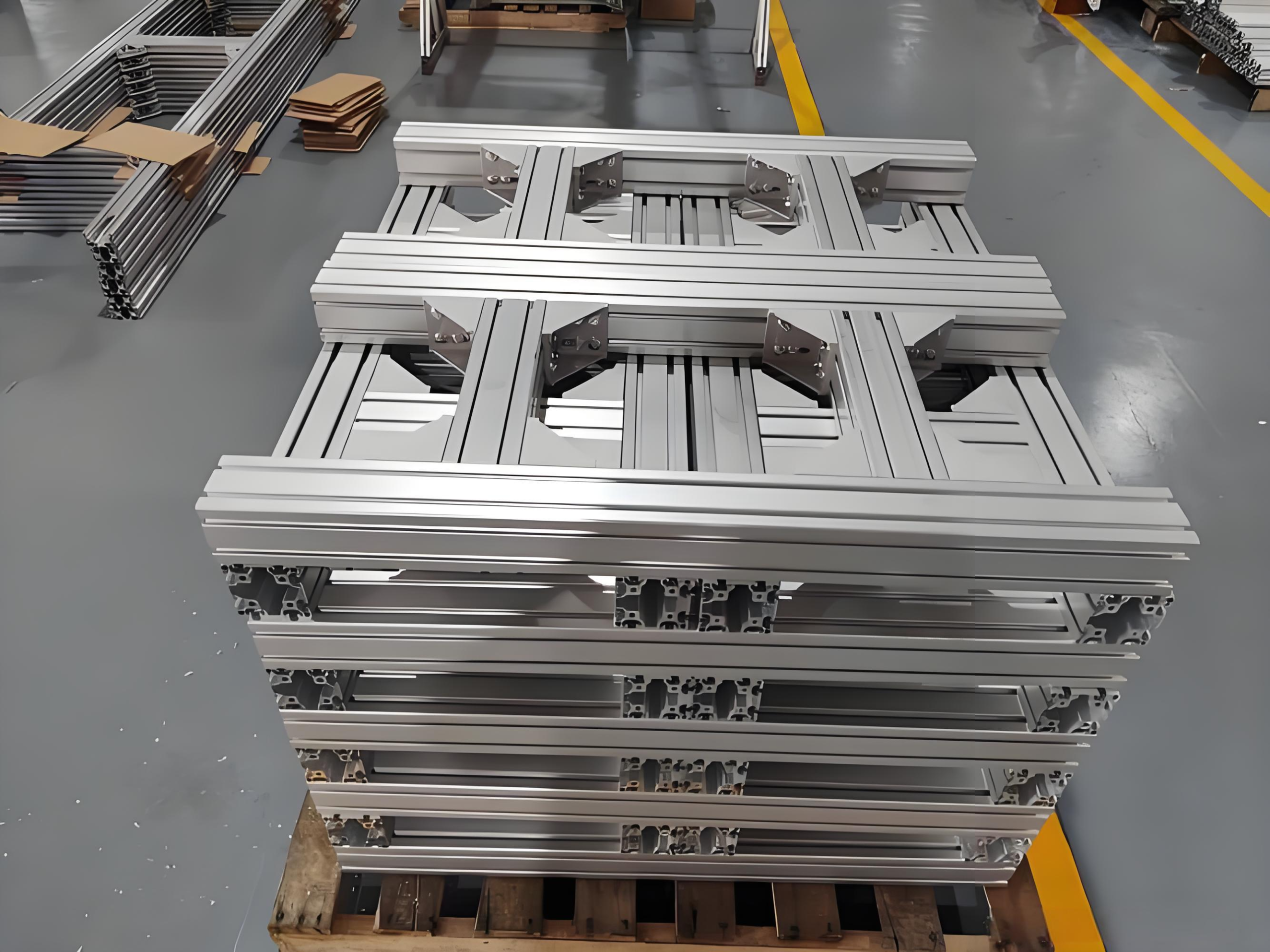
1.Industrial Manufacturing: 6061 aluminum rods are used in the manufacture of automated equipment frames and molds; 2024 aluminum rods, due to their high strength, have become raw materials for structural components in the aerospace and shipbuilding industries.

2.Architectural Decoration: Due to its excellent corrosion resistance and decorative properties, 6063 aluminum rods are widely used in building components such as door and window frames, curtain walls, and stair railings.

3.Transportation: In automobile manufacturing, it is used for body structures, radiators, and other components, effectively reducing vehicle weight and improving fuel economy; in the rail transit sector, it can be used to manufacture vehicle body structural components.

4.Electronics and Electrical Appliances: Utilizing its excellent thermal and electrical conductivity, it is used to produce metal casings and heat sinks for mobile phones and computers, ensuring stable equipment operation.

Surface Treatment

Why Choose Us ?

  • Global Standards Compliance: All products certified to ASTM B221, EN 573-3, and ISO 9001.
  • Precision Extrusion: State-of-the-art 10,000-ton extrusion lines ensure tight tolerances (±0.05 mm).
  • Full Traceability: Batch-specific chemical and mechanical test reports provided with every shipment.
  • Customization: Cut-to-length, threading, drilling, and special tempers available on request.
  • Sustainable Supply Chain: 80%+ recycled aluminum content; zero hazardous waste discharge.

Applications & Industries

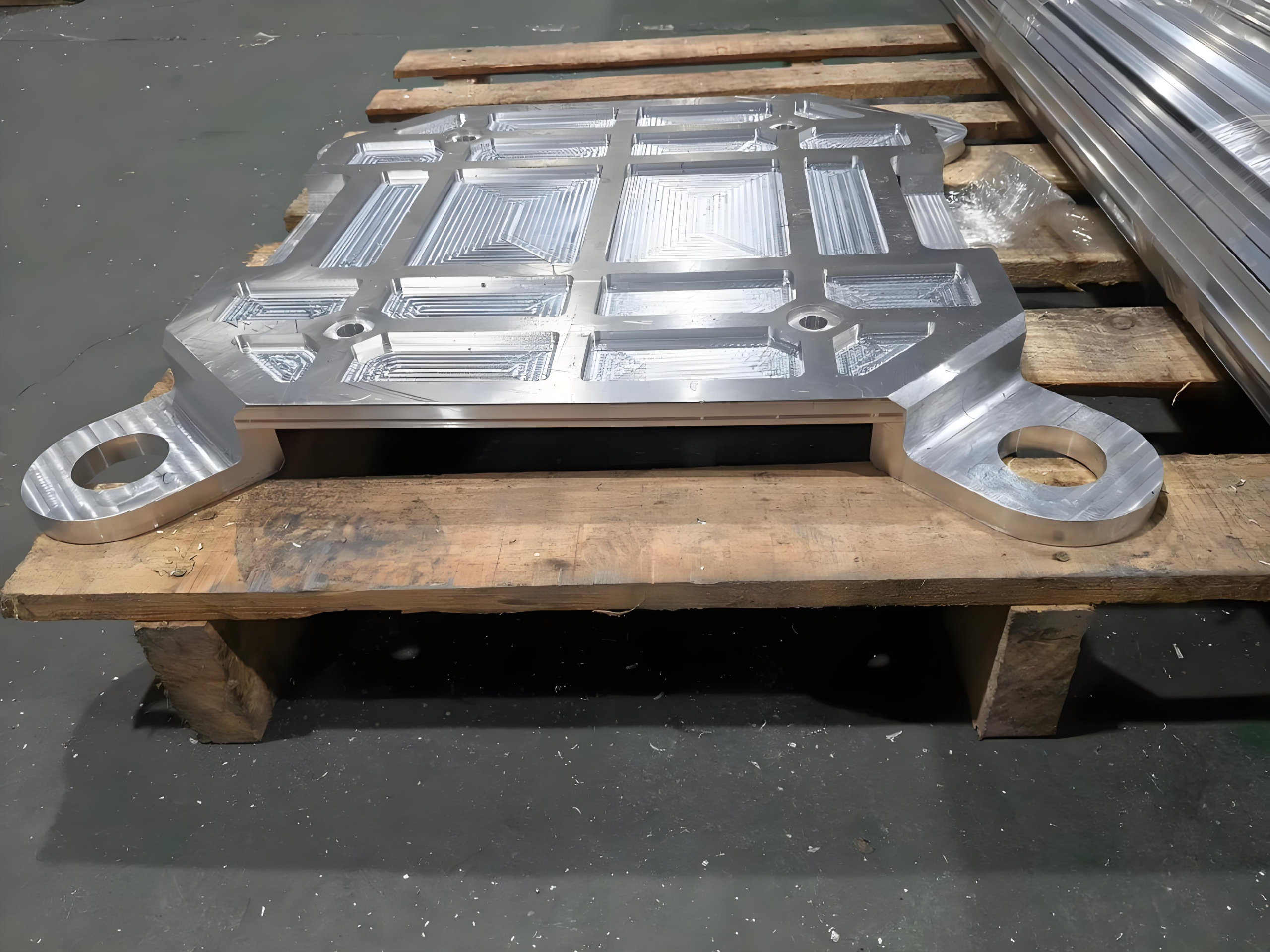
Aluminum rods are used to manufacture the framework of aircraft.

Aerospace & Aviation Components:

Used in the manufacture of aircraft frames, wing skins, fuel tank supports, and propeller assemblies. In particular, the 2024 and 7075 series high-strength aluminum bars can significantly reduce fuselage weight and improve flight efficiency.

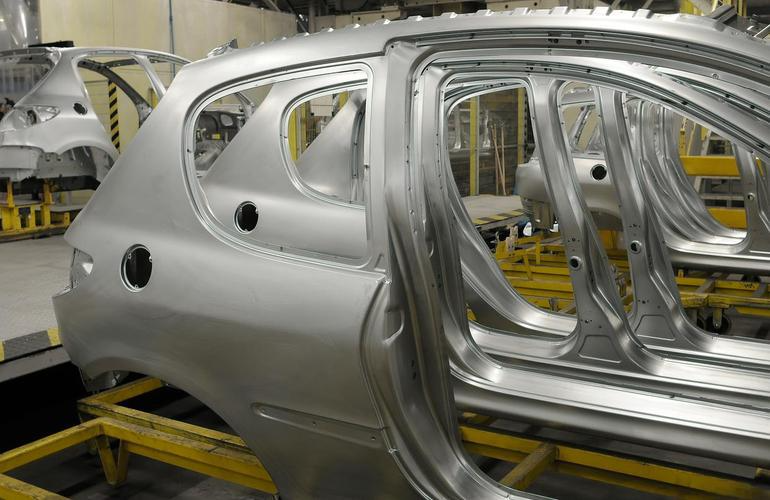
Aluminum rods are used for manufacturing automotive parts.

Transportation Vehicle Structures:

It is used in automotive engine parts, train carriage frames, ship fittings, and subway car bodies. Due to its good weldability and corrosion resistance, 6000 series aluminum bars are often used to manufacture truck wheel hubs, radiators, and body panels.

Aluminum rods are used for manufacturing door and window frames.

Architectural & Decoration Profiles‌:

As a core material for door and window frames, curtain wall supports, stair handrails, and interior decorative strips, 6063 series aluminum rods have a high gloss finish after surface treatment and are widely used in the exterior facades and interior decoration of modern buildings.

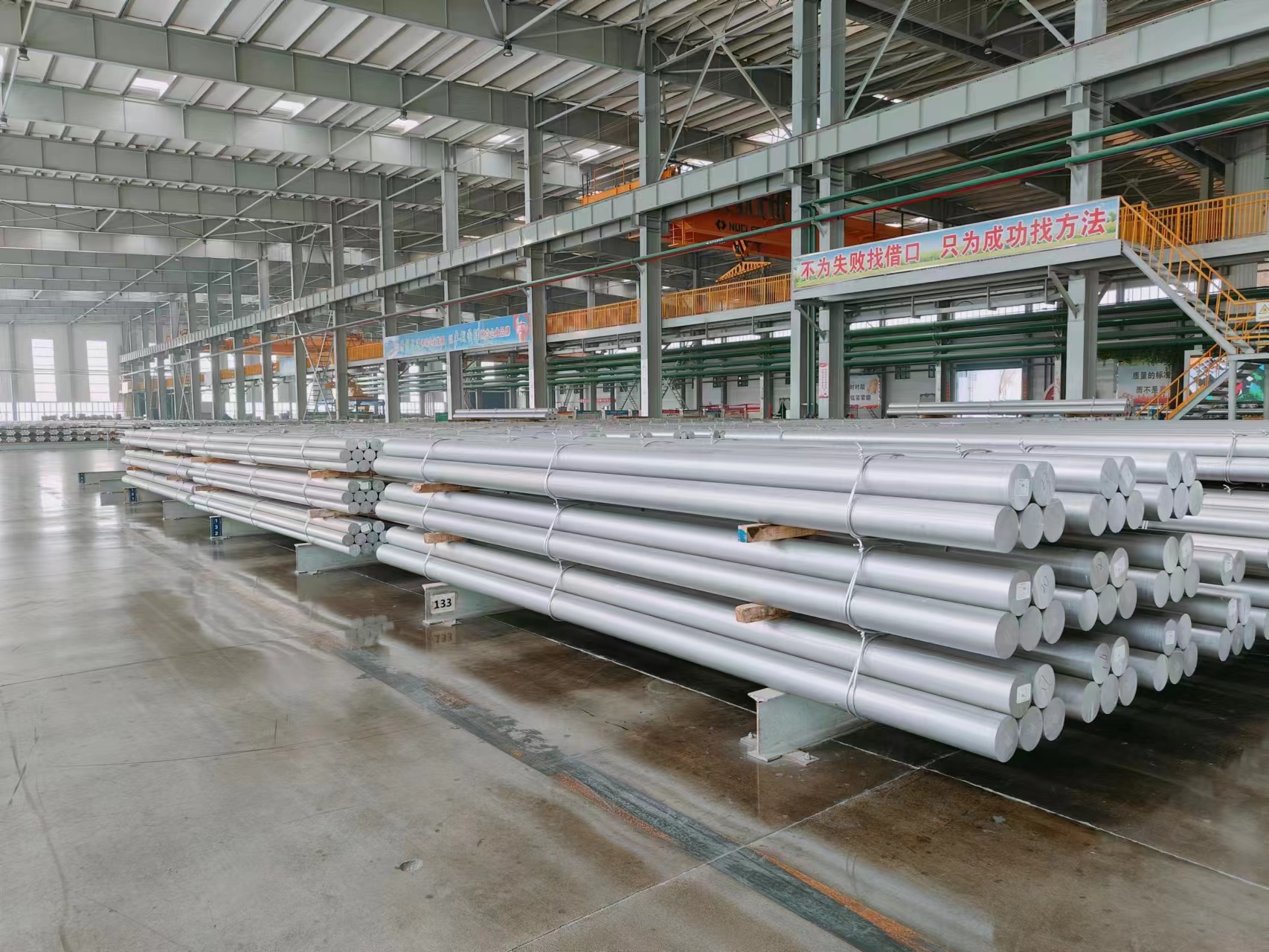
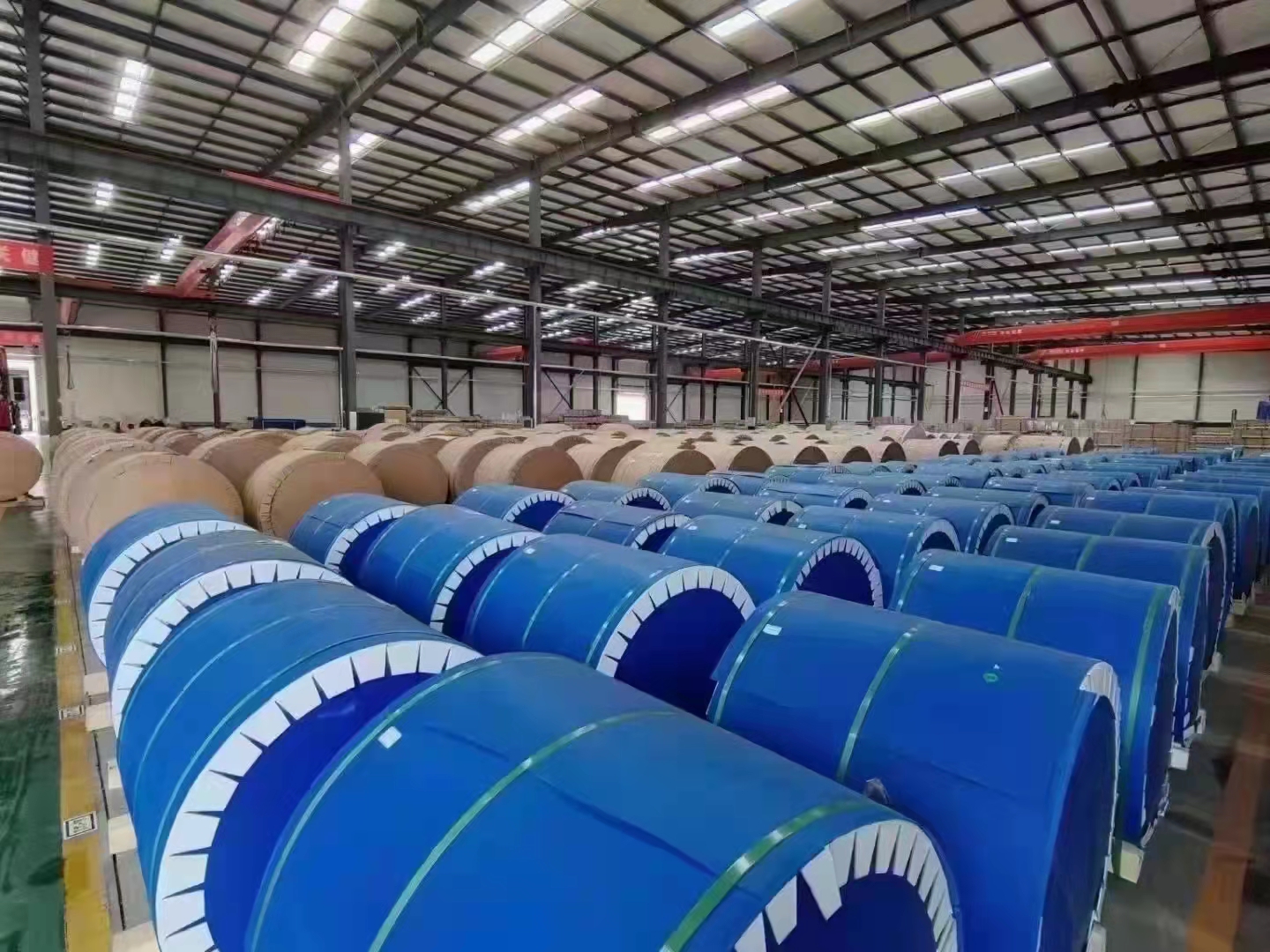
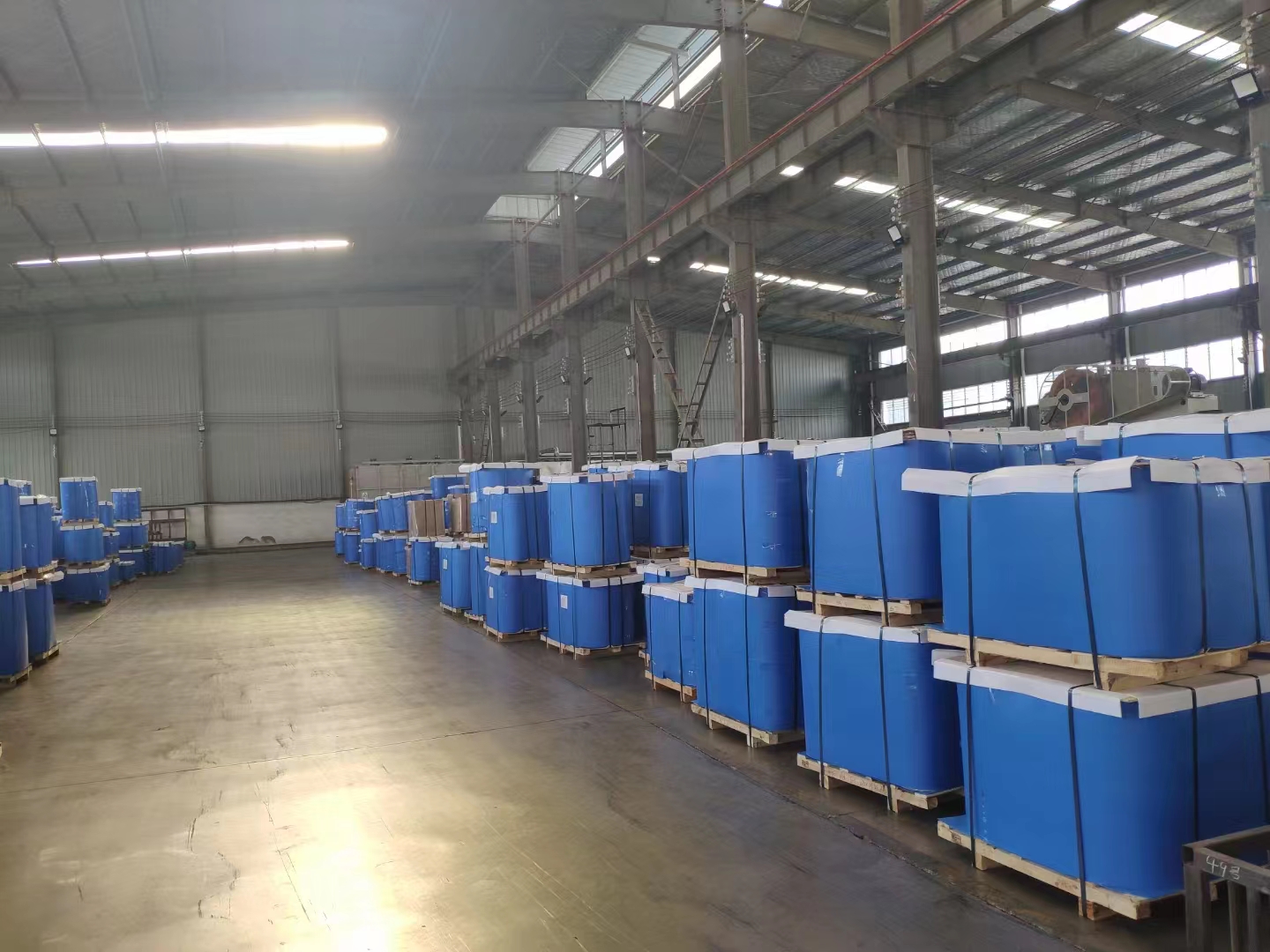
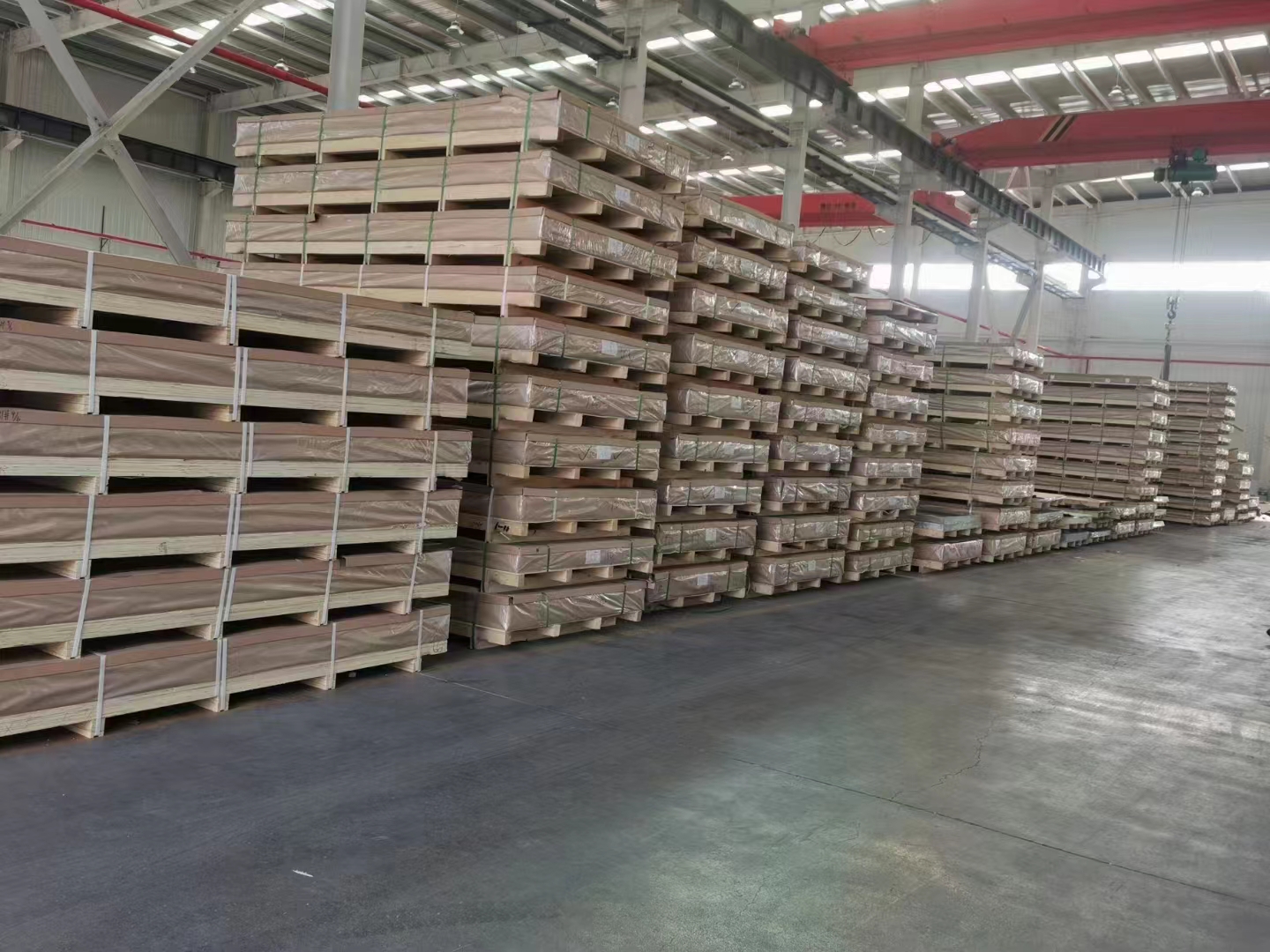
Workshop & Packaging

Frequently Asked Questions

Q: Can aluminum bars be welded?

A: Yes. 6061 and 5052 are highly weldable with TIG/MIG. 7075 is weldable but requires post-weld heat treatment to restore strength.

A: Natural oxide layer forms instantly on exposure to air. Anodizing thickens this layer, providing long-term protection in marine or industrial environments.

A: Not above 200°C for structural use. Strength degrades significantly beyond this point. Use titanium or nickel alloys for higher temps.

A: 6061 offers good weldability and corrosion resistance; 7075 offers superior strength (near steel) but is less weldable and more expensive.

A: Possible for simple operations, but coolant improves tool life, surface finish, and dimensional accuracy.

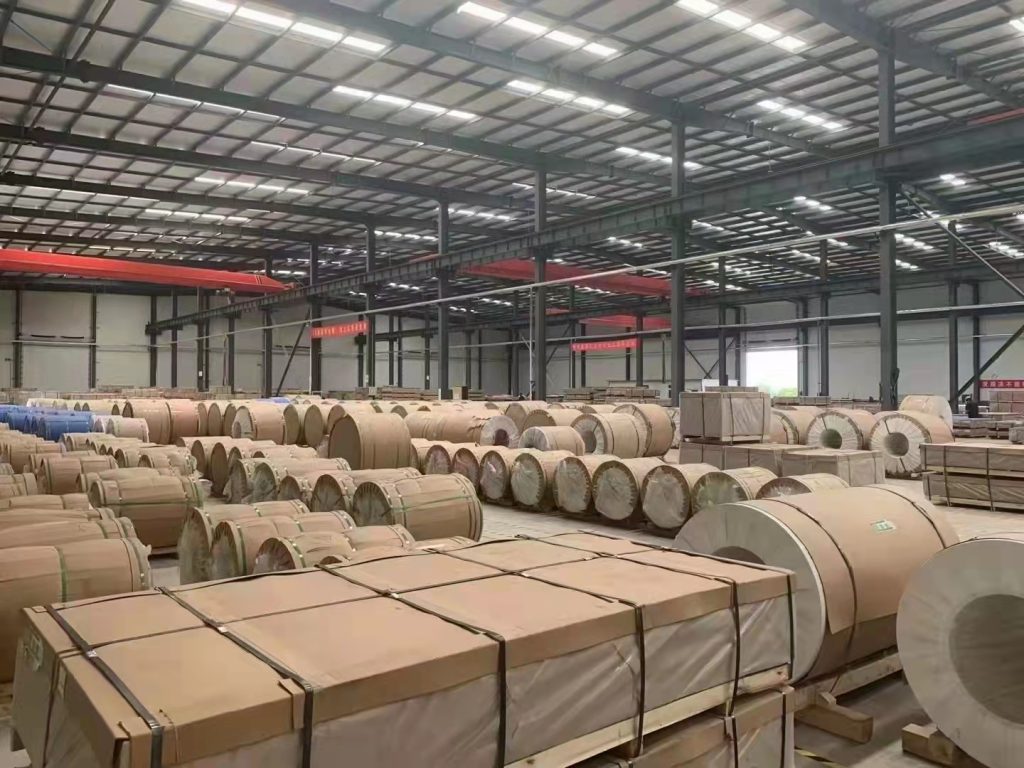
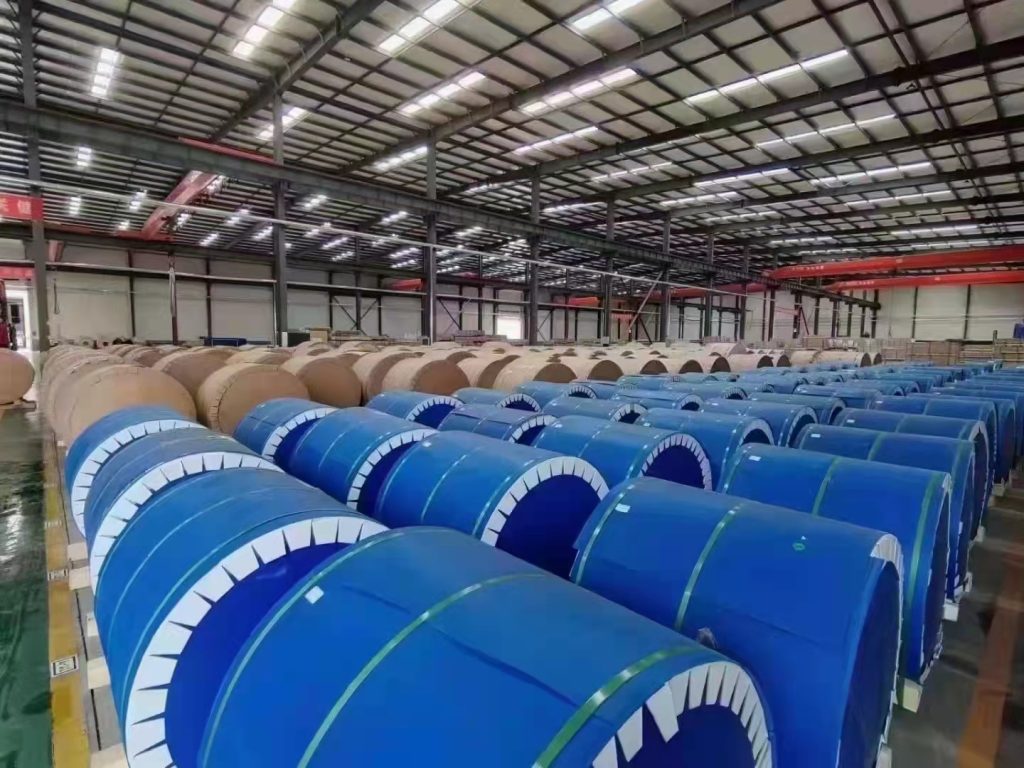
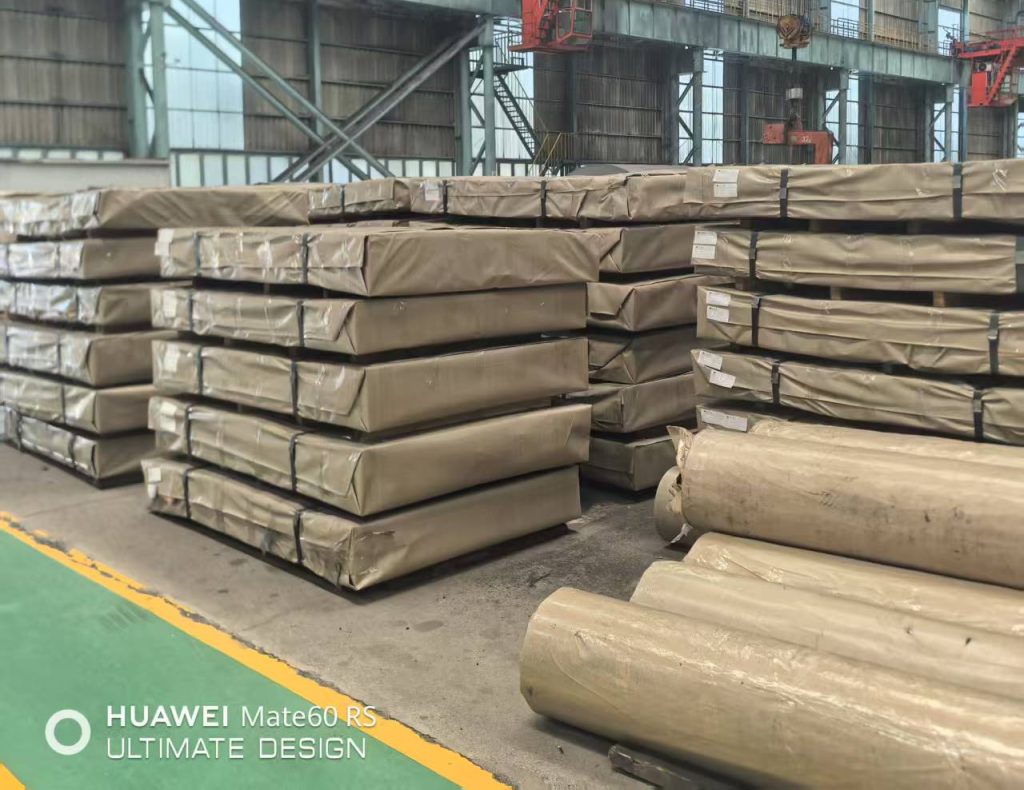
A: Individually wrapped in anti-corrosion paper, bundled with steel straps, and secured on wooden pallets with corner protectors. Moisture-absorbing desiccants included.

Ready to source alloy steel from a trusted Chinese manufacturer?

Let us support your project with reliable quality, fast delivery, and expert service.
Get a quote today — we usually respond within 12 hours.

滚动至顶部

Get a quote

Fill out the form and our professional team will contact you within 24 hours.