- You are here:
- Home /
- Products /
- Alloy Steel /
- Special Stainless Steels /
317L Stainless Steel Plate Technical Specification
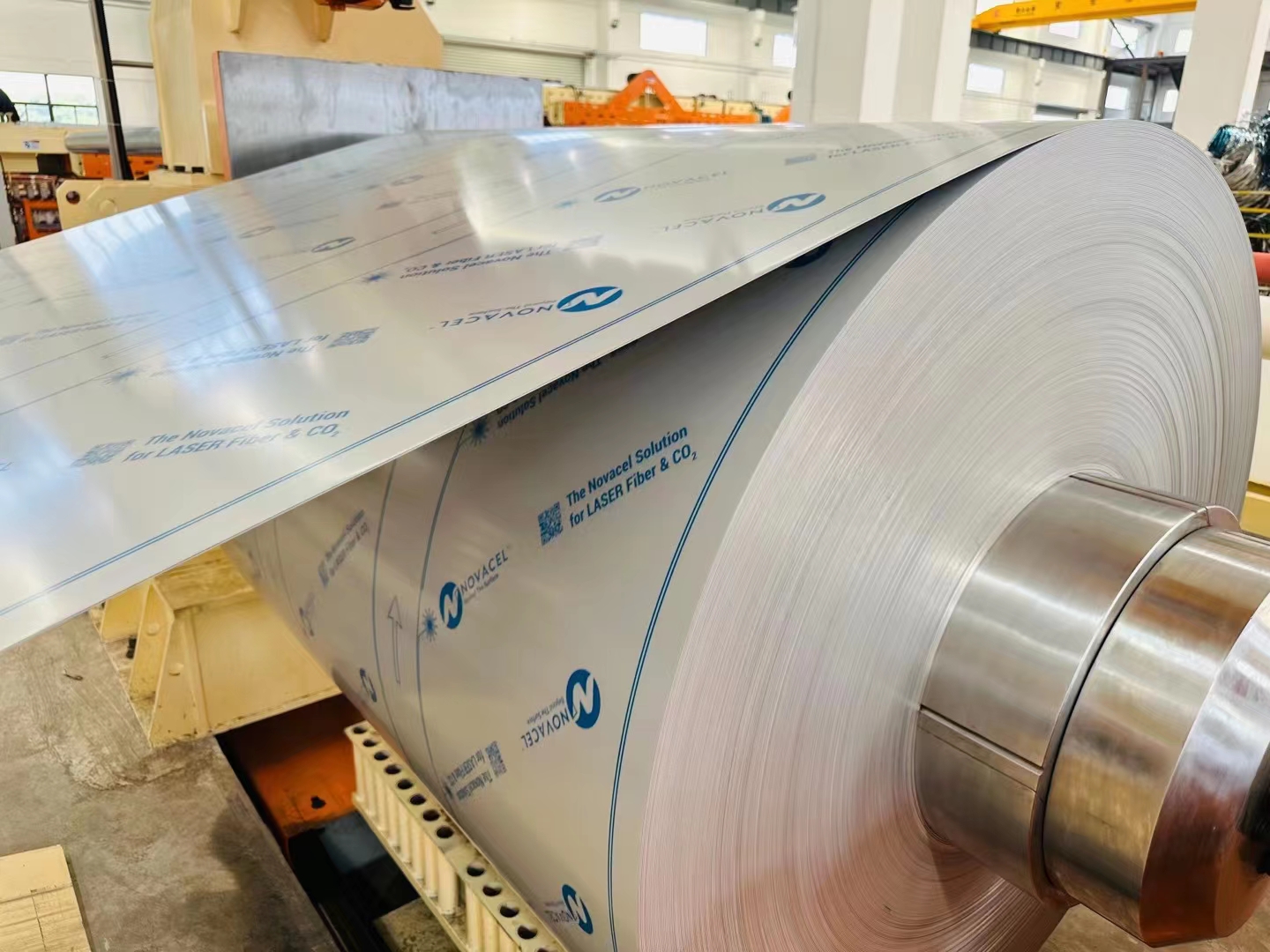
317L is a low-carbon austenitic stainless steel with enhanced corrosion resistance, especially in chloride environments. It contains higher molybdenum (3.0-4.0%) and nickel (11.0-15.0%) than 316L, offering superior performance in acidic, alkaline, and high-temperature applications. Its “L” designation ensures weldability with minimized carbide precipitation.
Chemical Composition (wt%)
Element | Content (%) |
Carbon (C) | ≤0.030 |
Silicon (Si) | ≤1.00 |
Manganese (Mn) | ≤2.00 |
Phosphorus (P) | ≤0.045 |
Sulfur (S) | ≤0.030 |
Chromium (Cr) | 18.0–20.0 |
Nickel (Ni) | 11.0–15.0 |
Molybdenum (Mo) | 3.0–4.0 |
Copper (Cu) | ≤0.50 |
Nitrogen (N) | ≤0.10 |
Technical Parameters
- Dimensions: Thickness 0.5–100mm, Width 1000–2000mm, Length 2000–6000mm (customizable).
- Hardness: ≤200 HV (annealed)
- Density: 7.93 g/cm³
- Yield Strength: ≥176 MPa
- Tensile Strength: ≥480 MPa
- Elongation: ≥40%
The following is a structured description of the performance characteristics and applications of 317L stainless steel plate, divided into three sections:
1. Performance Characteristics
Low-Carbon Design: Carbon content ≤ 0.03%, reducing carbide precipitation during welding and preventing intergranular corrosion.
Corrosion Resistance: This alloy, high in chromium (18-20%), nickel (11-15%), and molybdenum (3-4%), resists pitting and crevice corrosion and is particularly suitable for chloride environments.
Mechanical Properties: Tensile strength ≥ 480 MPa, yield strength ≥ 176 MPa, and elongation ≥ 40%, offering a combination of strength and ductility.
High-Temperature Stability: Stable at temperatures between 871°C and 899°C, with strong oxidation resistance, making it suitable for thermally stressed environments.
2. Main Applications
Chemical Industry: Used in reactors, heat exchangers, pipelines, etc., resistant to sulfuric acid, chlorides, and acidic media.
Marine Engineering: Ship components, desalination equipment, and offshore platform structures, resistant to seawater corrosion and stress corrosion cracking.
Food and Pharmaceutical: Low carbon content (≤0.03% carbon) and an easy-to-clean surface make it suitable for sanitary equipment such as storage tanks and pipelines.
High-Temperature and High-Pressure Environments: Flue gas desulfurization systems and nuclear power condensers maintain stable performance under high temperatures and pressures.
3. Other Advantages
Multi-Form Supply: Can be processed into plates, bars, and tubes, suitable for precision components such as butterfly valve sleeves and printing and dyeing equipment.
Economical: Provides safety and cost-effectiveness in harsh environments, extending equipment life.
Surface Treatment
- 2B Finish: Smooth, semi-reflective (standard)
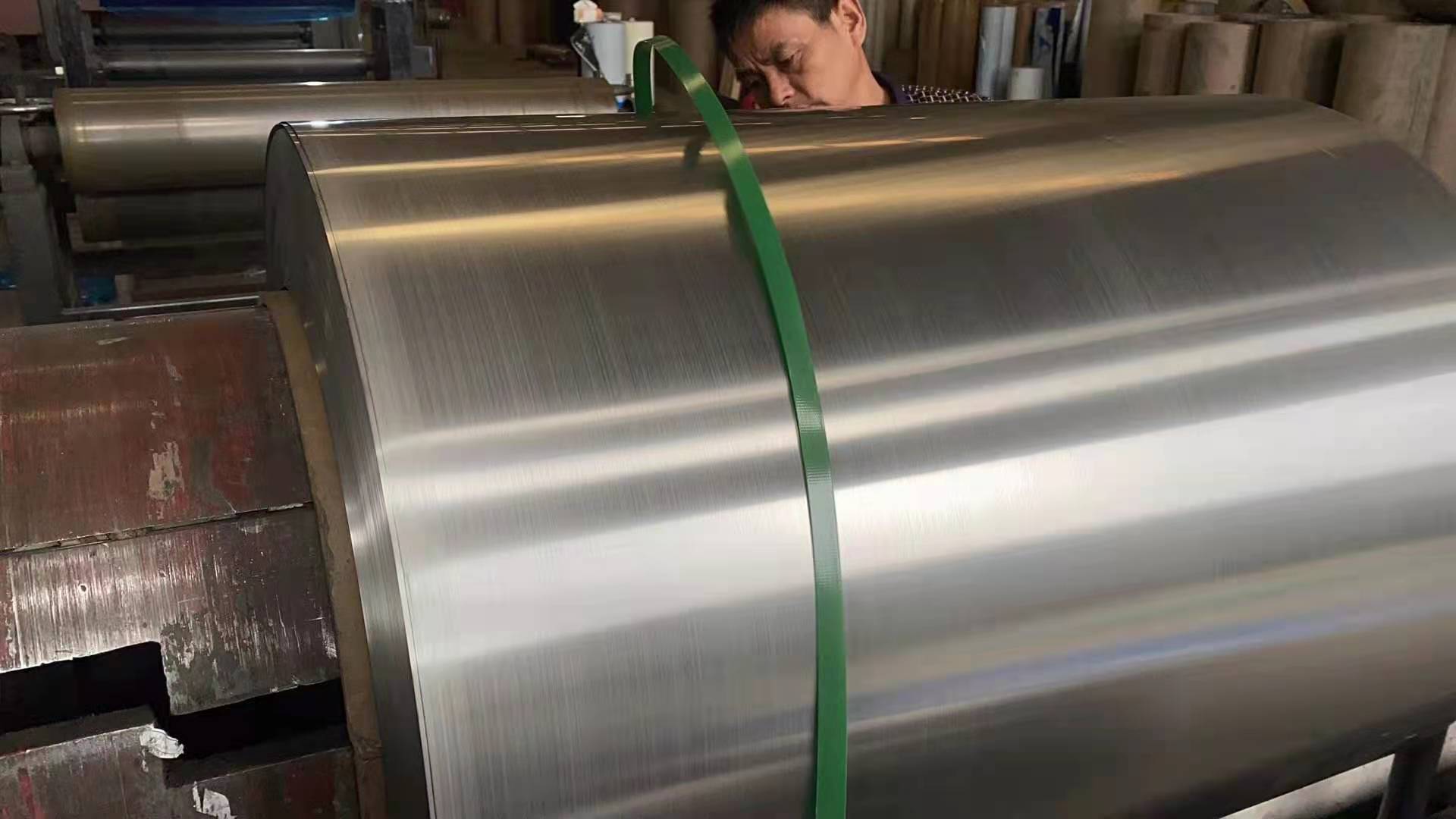
- No.4 Brushed: Unidirectional satin finish
- BA Mirror: High-polished (for decorative uses)
- Black Skin: As-rolled surface for further processing
Why Choose Us ?
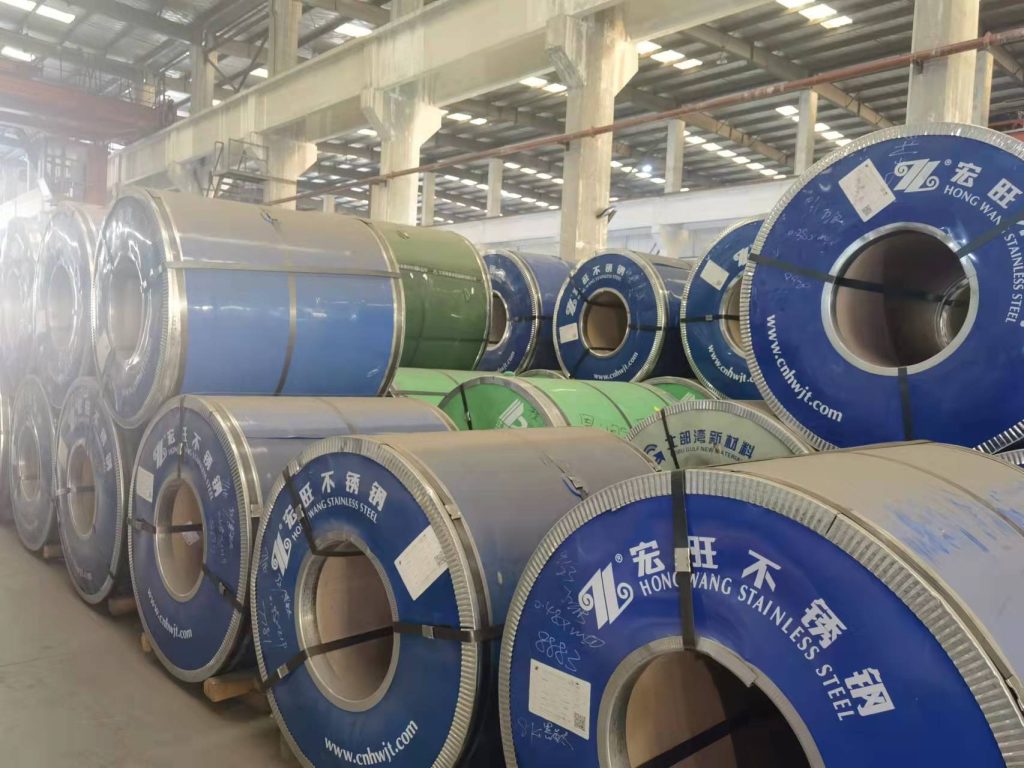
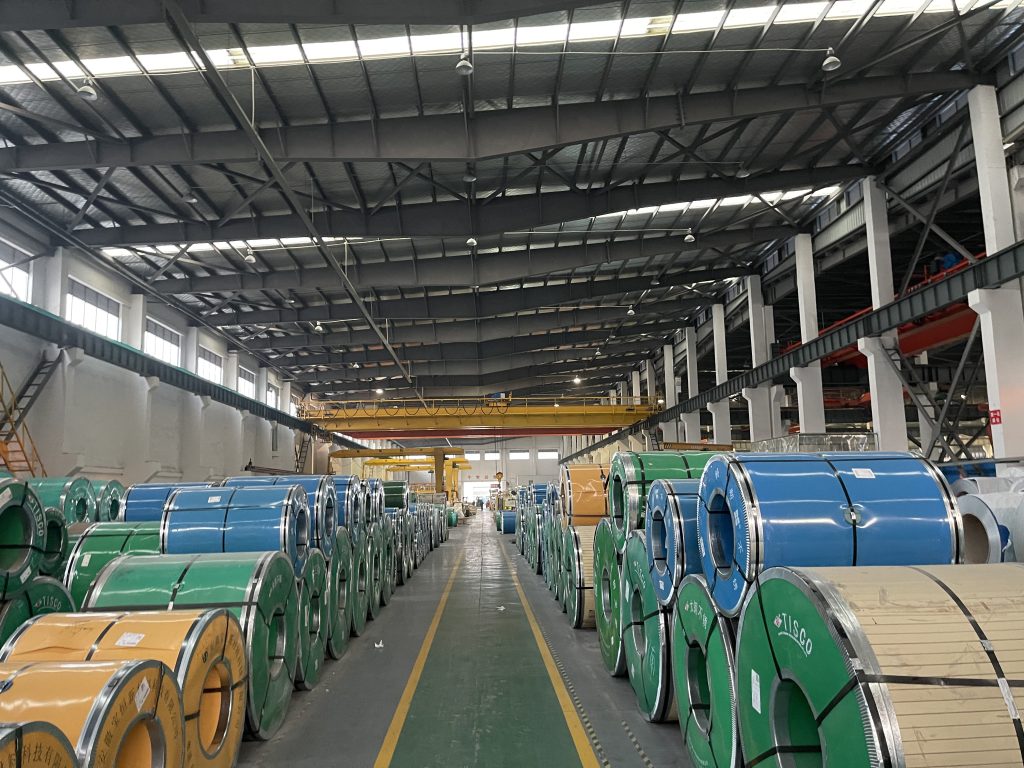
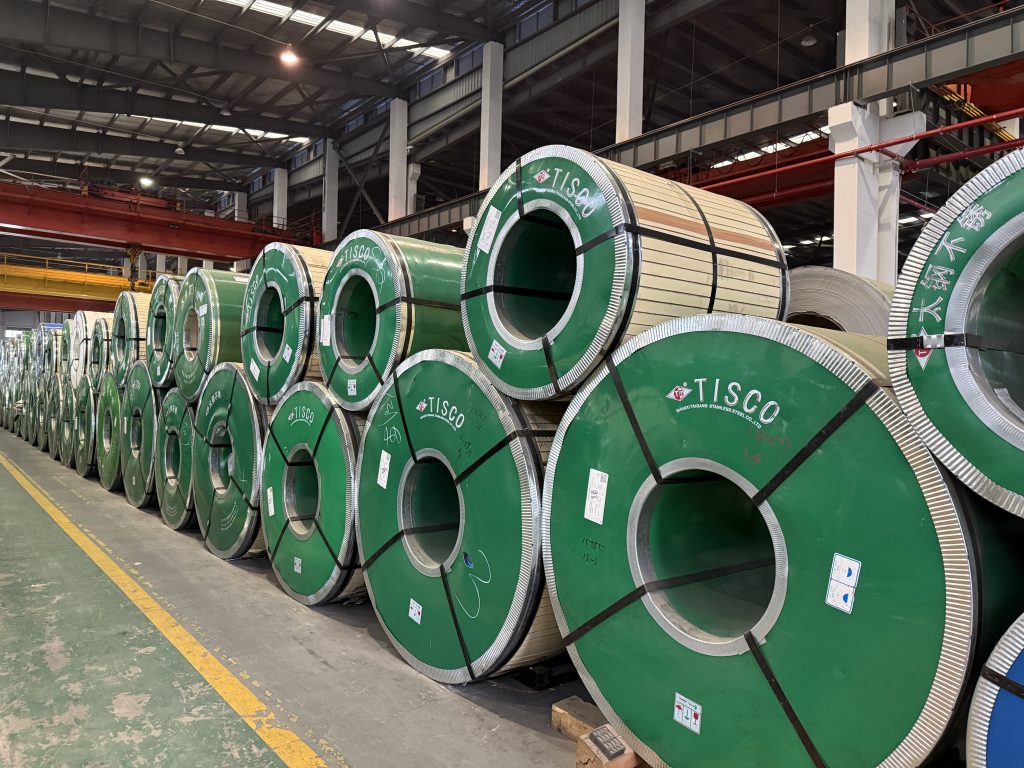
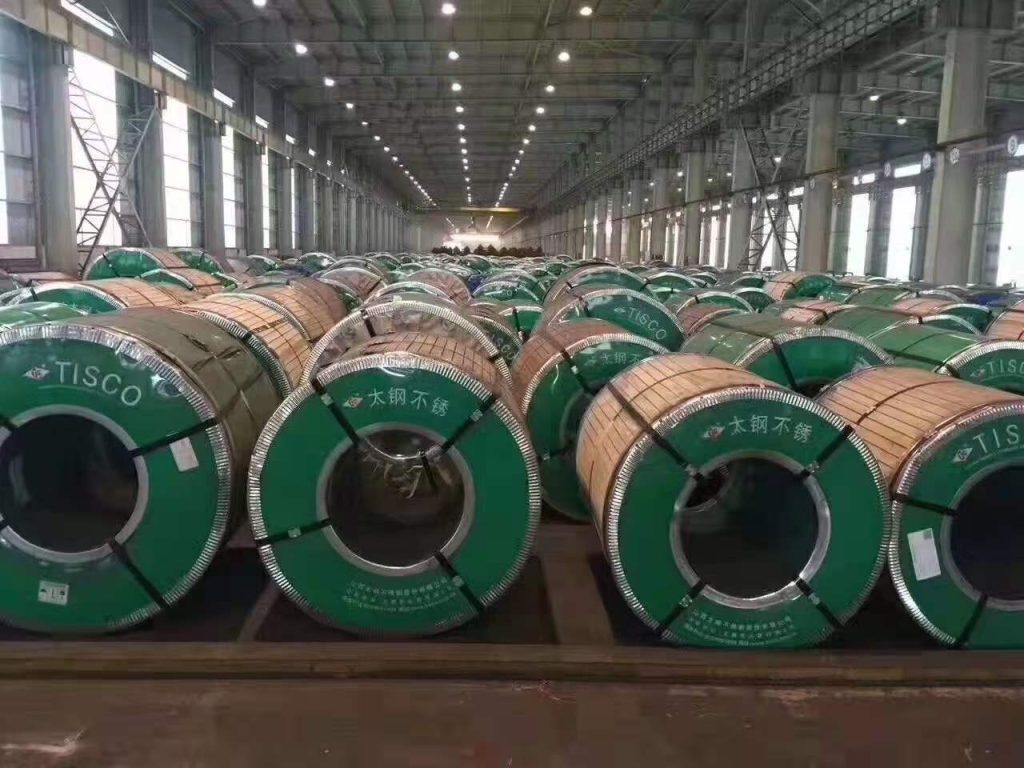
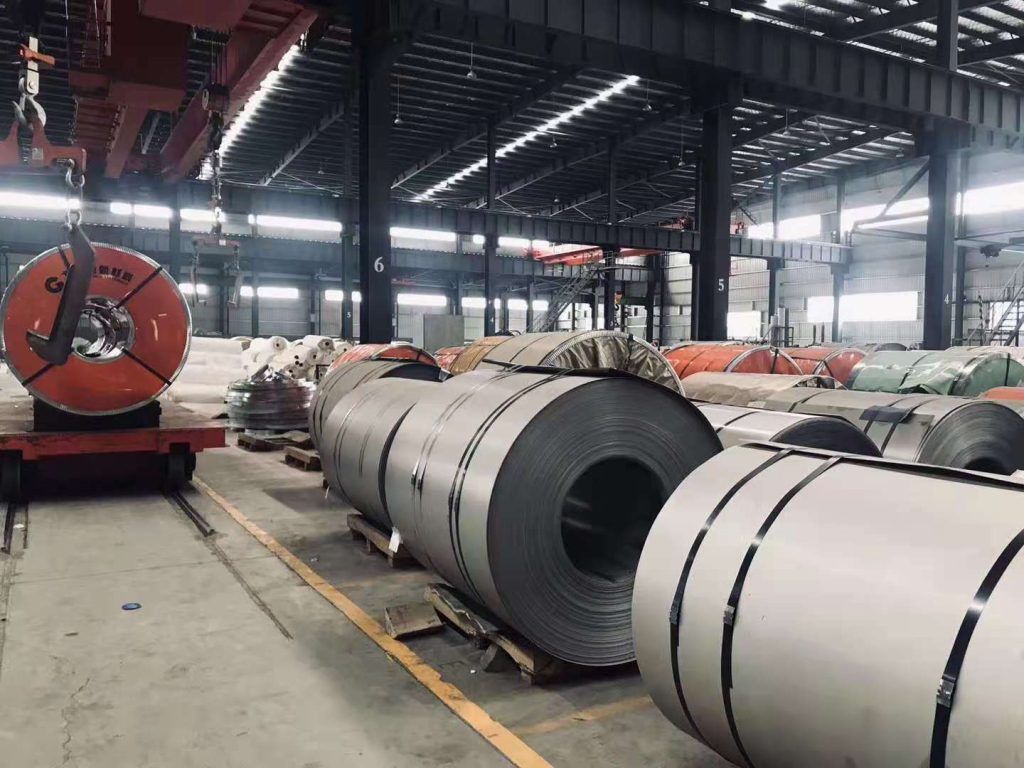
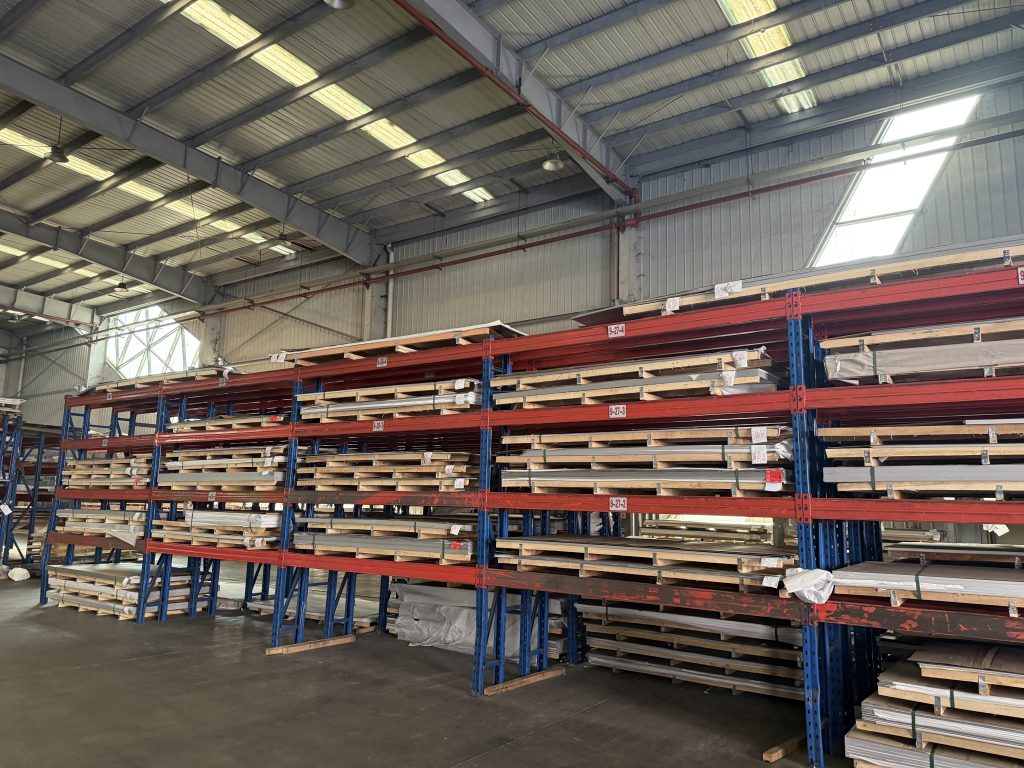
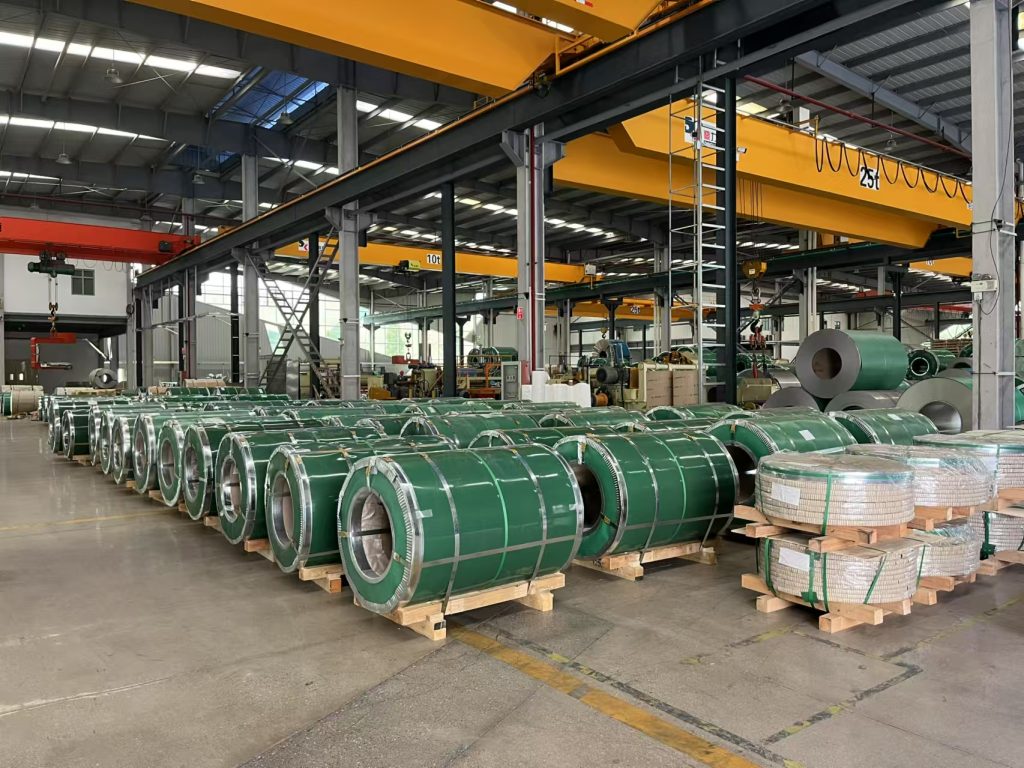
- Certified Quality: ISO 9001 & PED 2014/68/EU certified.
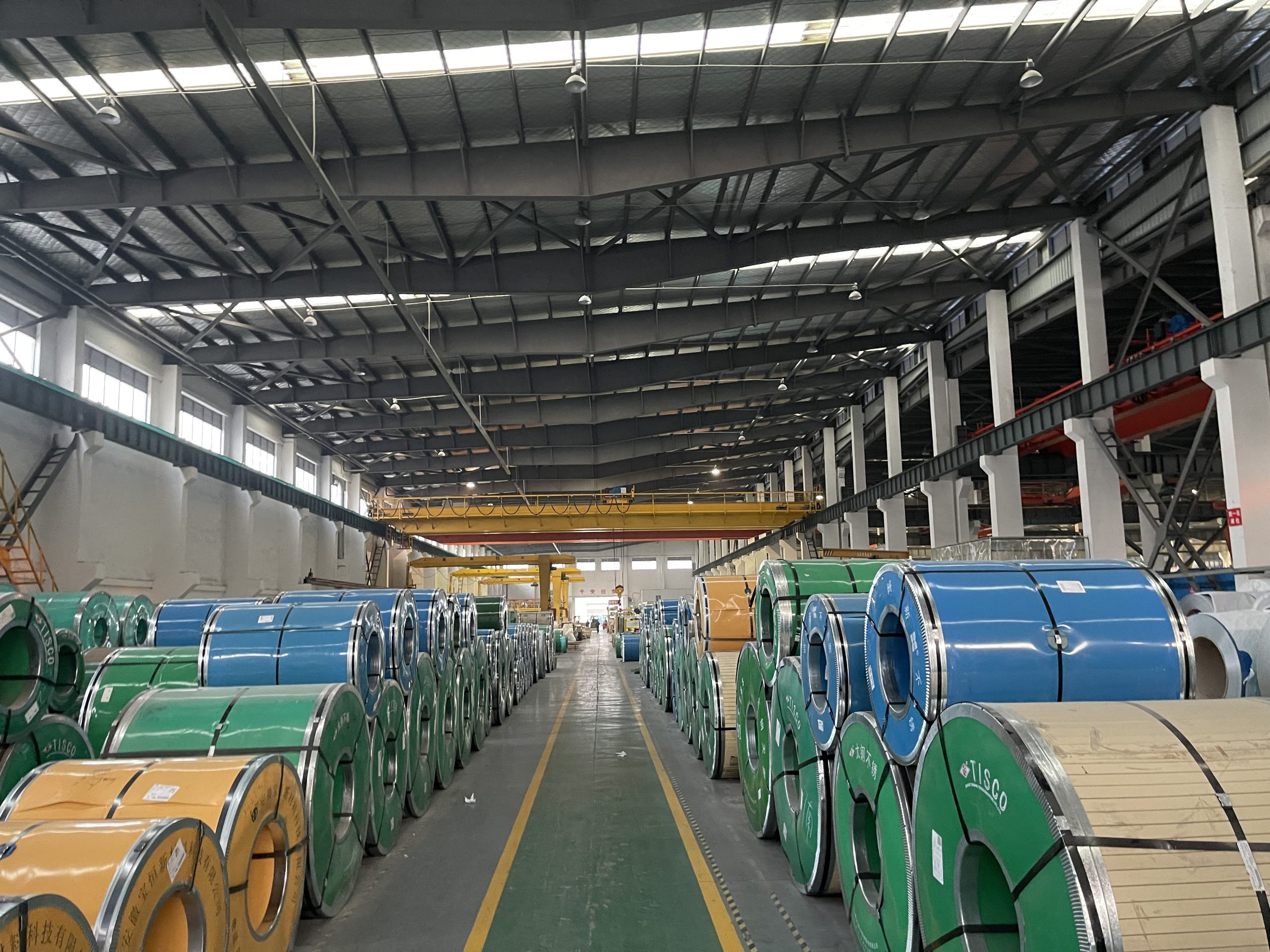
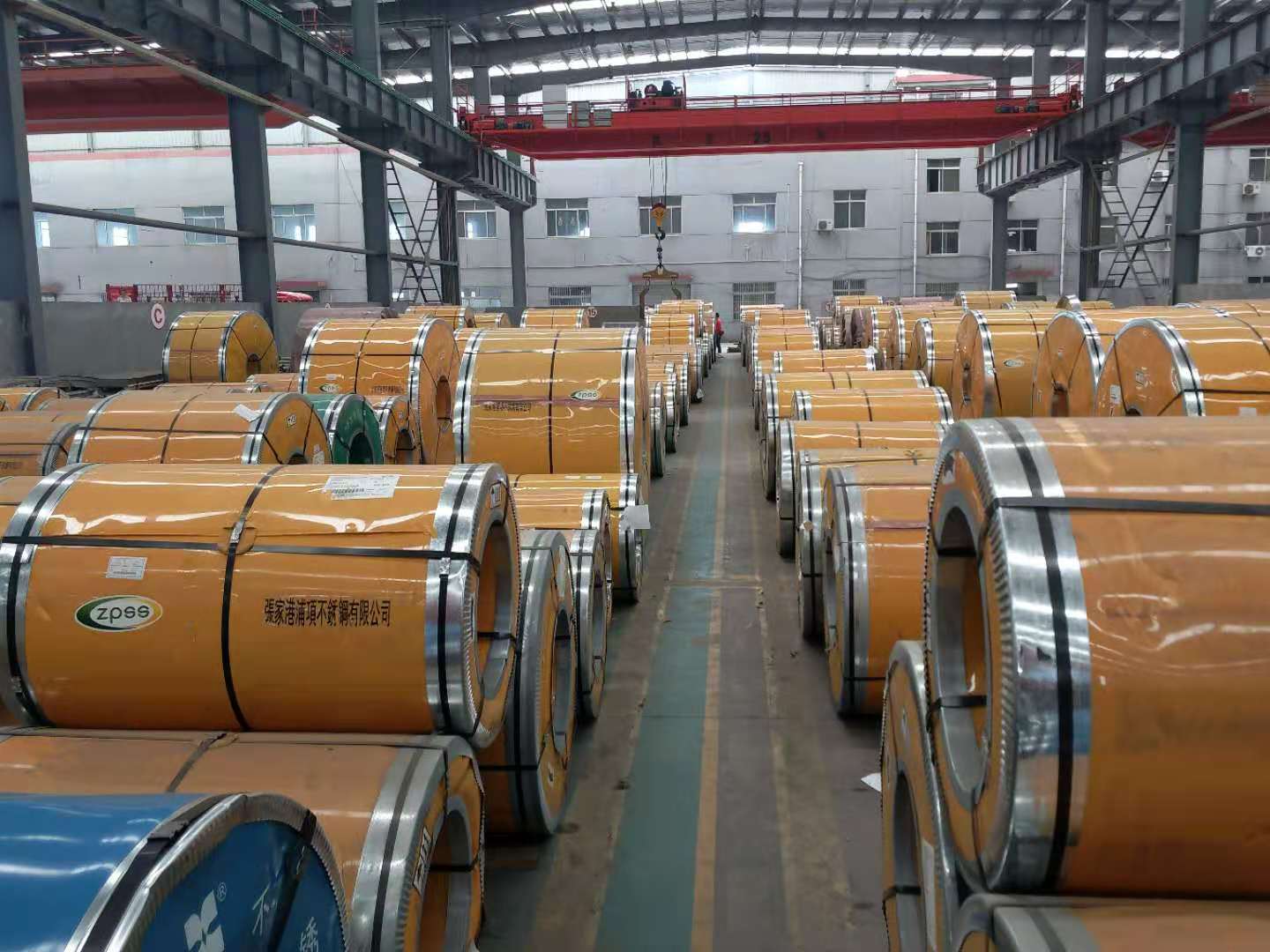
- Stock Availability: Immediate delivery for standard sizes.
- Custom Processing: Laser cutting, bending, and CNC machining available.
Applications & Industries
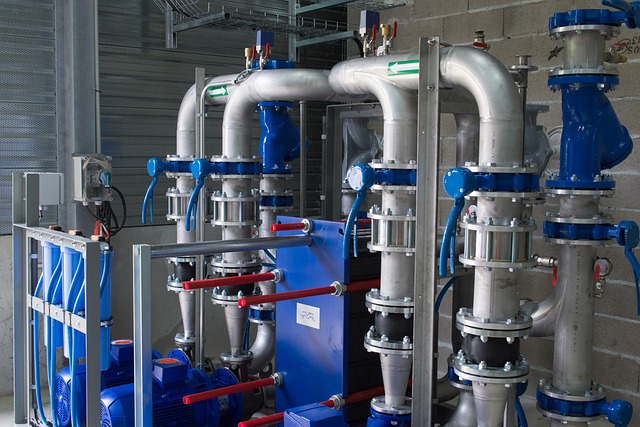
Aerospace:
High-power density actuators.
Electronics:
Precision sensors & MEMS components.
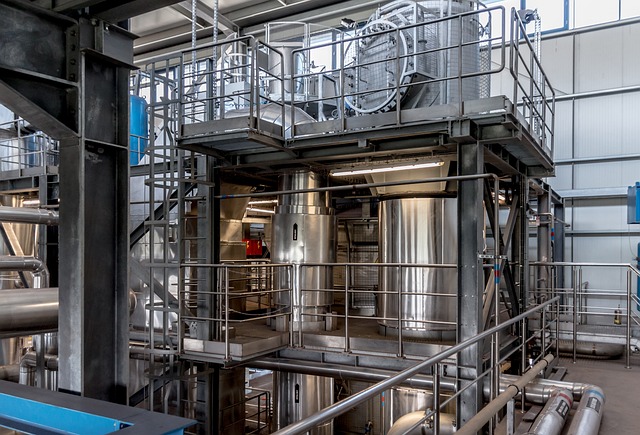
Energy:
Magnetic coupling devices for turbines.
Frequently Asked Questions
Q1: How does 317L compare to 316L?
A1: 317L’s higher Mo content offers better chloride resistance, making it ideal for harsh environments.
Q2: Can 317L be welded?
A2: Yes, but use low-hydrogen electrodes to avoid intergranular corrosion
Q3: What’s the max service temperature?
A3: Up to 1700°F (continuous) for short intervals.
Q4: Is 317L suitable for cryogenic use?
A: Yes, its austenitic structure retains toughness at low temperatures (not specified in sources but inferred from 316L analogs).
Q5: How does low-carbon content affect weldability?
A: Reduces carbide precipitation at grain boundaries, preventing intergranular corrosion post-welding.
Ready to source alloy steel from a trusted Chinese manufacturer?
Let us support your project with reliable quality, fast delivery, and expert service.
Get a quote today — we usually respond within 12 hours.