- You are here:
- Home /
- Products /
- Alloy Steel /
- Special Stainless Steels /
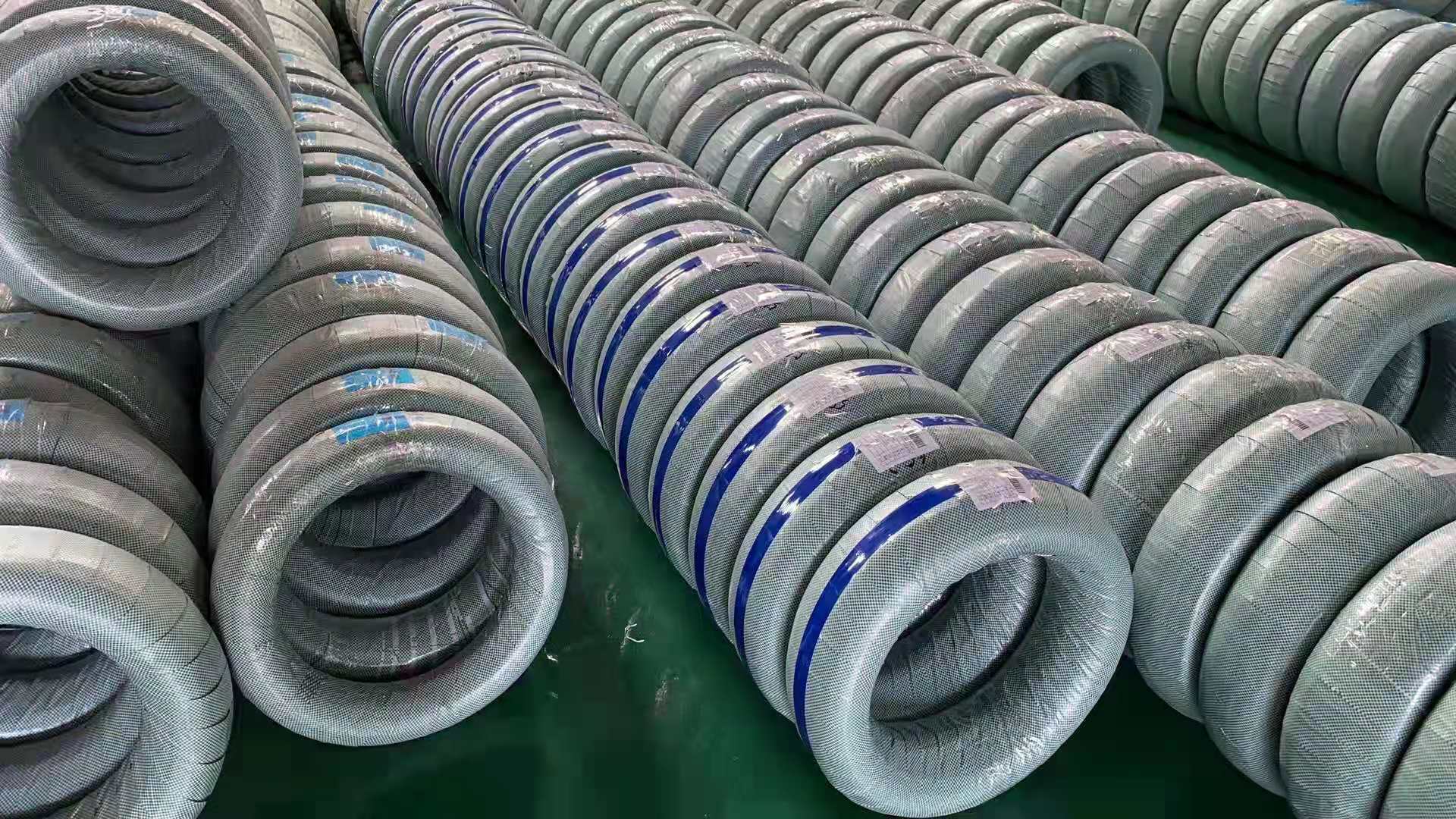
4Cr14Ni14W2Mo Stainless Steel Wire
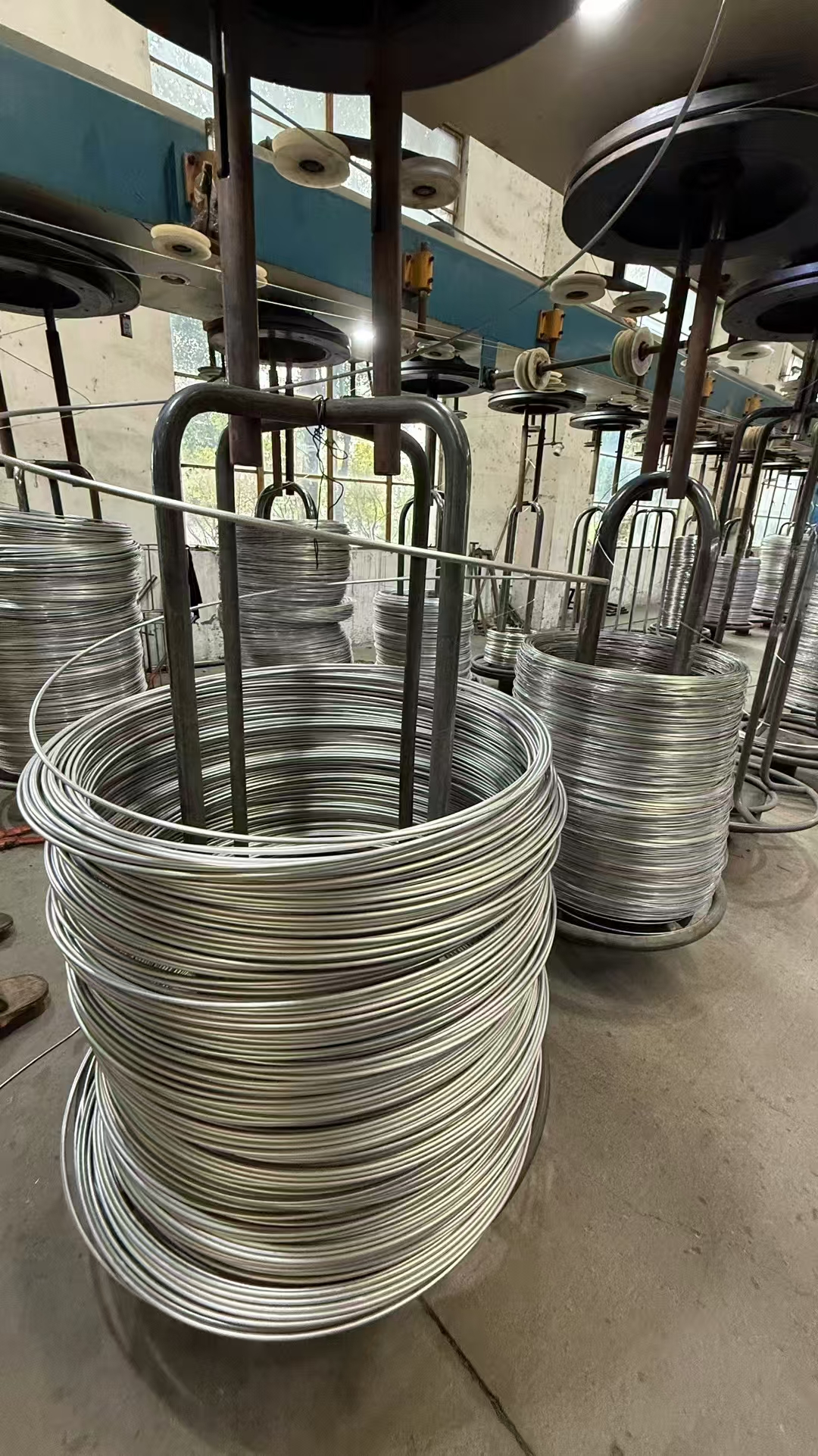
This austenitic stainless steel wire exhibits exceptional heat resistance, corrosion resistance, and mechanical strength due to its high chromium (Cr) and nickel (Ni) content, supplemented by tungsten (W) and molybdenum (Mo) for enhanced performance in extreme environments. It is widely used in high-temperature applications and corrosive media handling.
Chemical Composition (wt%)
Element | Content (%) |
Carbon (C) | ≤0.040 |
Silicon (Si) | ≤1.00 |
Manganese (Mn) | ≤2.00 |
Phosphorus (P) | ≤0.045 |
Sulfur (S) | ≤0.030 |
Chromium (Cr) | 13.0–15.0 |
Nickel (Ni) | 12.0–16.0 |
Molybdenum (Mo) | 1.50–2.50 |
Tungsten (W) | 1.50–2.50 |
Parameter | Value/Range |
Diameter Range | 0.1–10.0 mm |
Hardness (HB) | ≤250 |
Density | 7.9 g/cm³ |
Yield Strength | ≥300 MPa |
Tensile Strength | ≥600 MPa |
I. Performance characteristics of 4Cr14Ni14W2Mo stainless steel wire
1. High temperature performance
(1) Maintains high yield strength (≥315 MPa) at 600-700℃, has oxidation resistance below 800℃, and is suitable for aircraft engine blades and gas turbine components.
(2) Low creep rate at 650℃, suitable for high temperature and high pressure pipelines and fasteners.
2. Mechanical and corrosion resistance
(1) Tensile strength ≥705 MPa, elongation ≥20%, tungsten element improves wear resistance, suitable for valves and shaft parts.
(2) High gas corrosion resistance below 900℃, suitable for corrosive environments such as chemical and petroleum.
3. Heat treatment characteristics
(1) Solution treatment (oil cooling at 1020-1050℃) can refine grains, and aging treatment (tempering at 680-720℃) precipitates carbides to enhance hardness.
(2) Annealing process (820-850℃ rapid cooling) improves workability, but welding requires preheating and subsequent heat treatment.
II. Main Applications
(1) Power machinery: aircraft engine intake/exhaust valves, turbine blades (600-700℃ high temperature environment).
(2) Energy and chemical industry: oil refining equipment, nuclear power plant pipelines (resistant to chloride corrosion and high temperature and high pressure).
(3) Precision parts: medical equipment, oil valves (both wear resistance and biocompatibility).
(4) Mold manufacturing: titanium alloy creep forming molds, glass forming molds (strong oxidation resistance).
Surface Treatment
- Bright annealing (oxygen-free atmosphere)
- Pickling + passivation for corrosion resistance
- Optional electro-polishing for high-precision applications
Why Choose Us ?
- ISO 9001 certified manufacturing processes
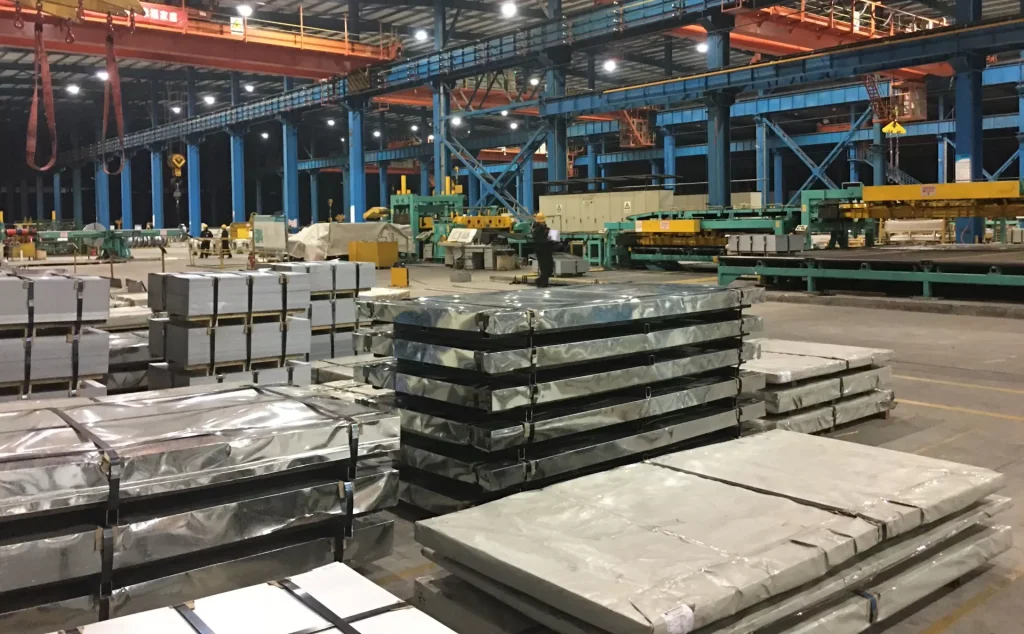
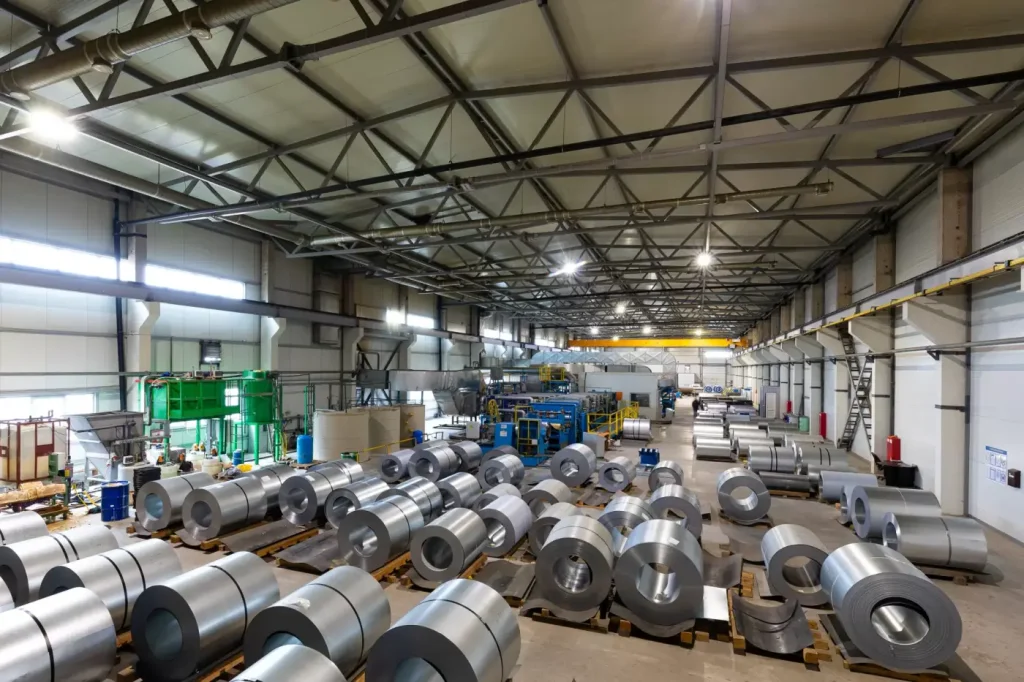
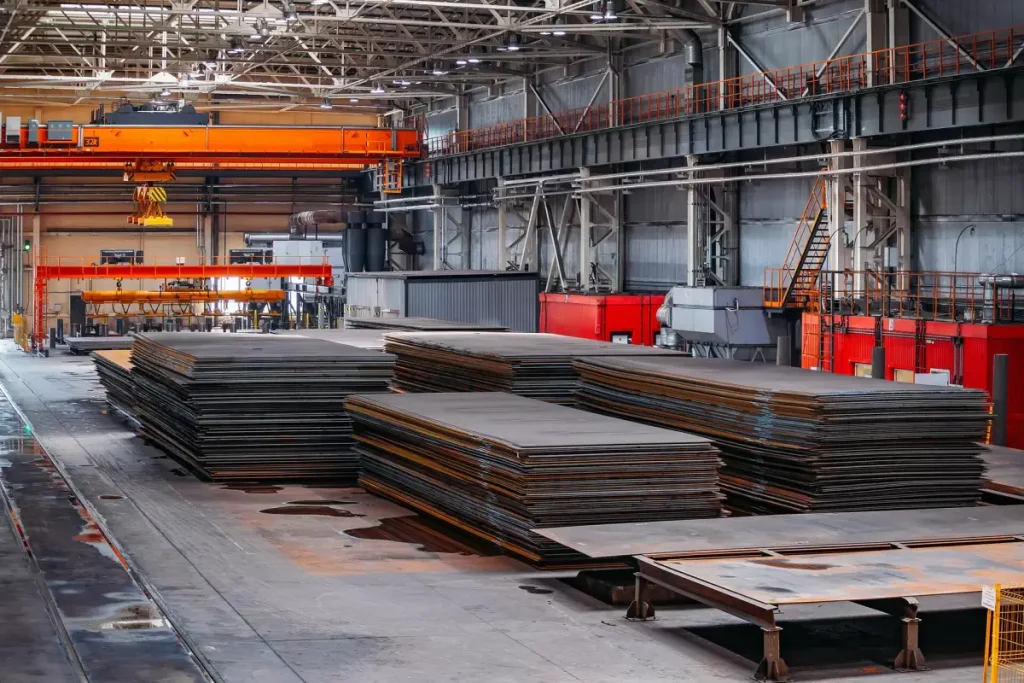
- Customizable diameters and lengths
- Strict QC with SGS/ROHS compliance reports
- 24/7 technical support
Applications & Industries
Aerospace:
High-power density actuators.
Electronics:
Precision sensors & MEMS components.
Energy:
Magnetic coupling devices for turbines.
Frequently Asked Questions
Q1: Can this wire be welded?
A1: Yes, recommended methods: TIG/MIG with matching filler metal (ER308L).
Q2: What is the maximum service temperature?
A2: Up to 800°C in cyclic oxidation environments.
Q3: Typical applications?
Aerospace: Engine exhaust valves, turbine components
Industrial: Gas pipelines, titanium alloy forming dies
Molds: Corrosive glass molding, die-casting cores (avoid water-cooling)
Q4: How to process it?
Welding: Requires 300-400°C preheat + post-weld annealing
Machining: Difficult due to work-hardening; recommend carbide tools
Q5: International equivalents?
A:No direct ASTM/ISO match; similar to UNS N07014 (but with lower Ni content).
Ready to source alloy steel from a trusted Chinese manufacturer?
Let us support your project with reliable quality, fast delivery, and expert service.
Get a quote today — we usually respond within 12 hours.