- You are here:
- Home /
- Products /
- Alloy Steel /
- Hastelloy Alloy /
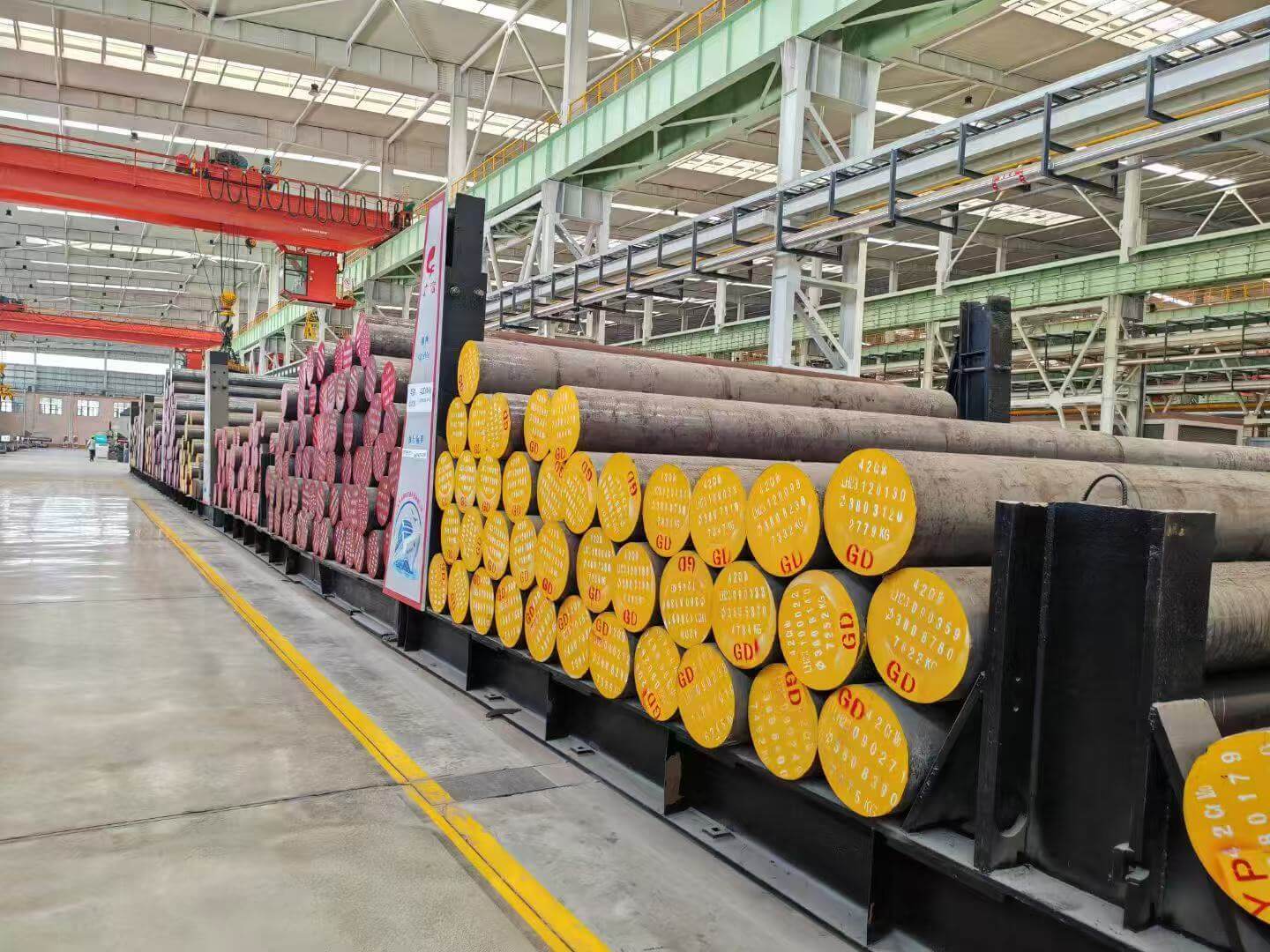
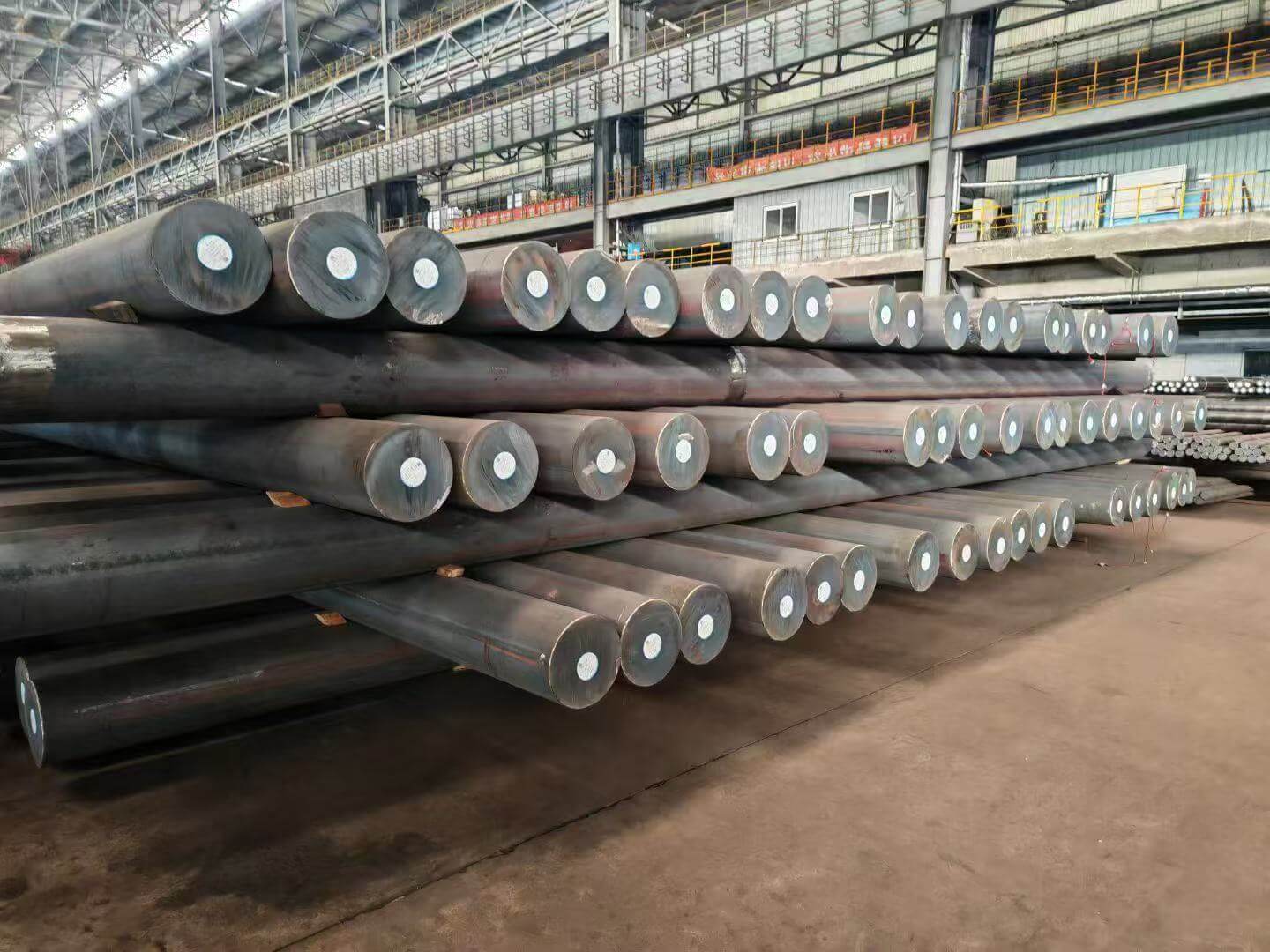
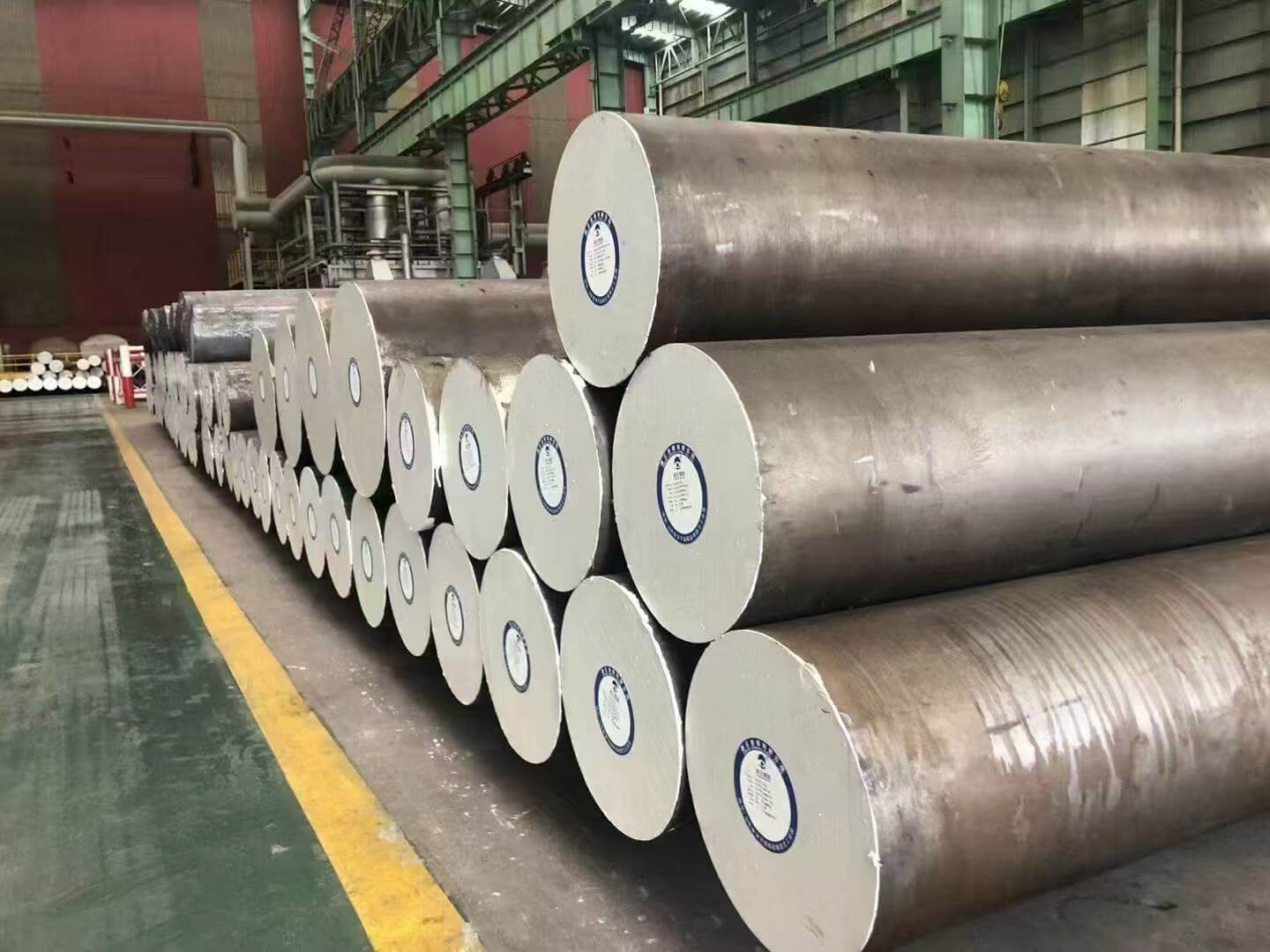
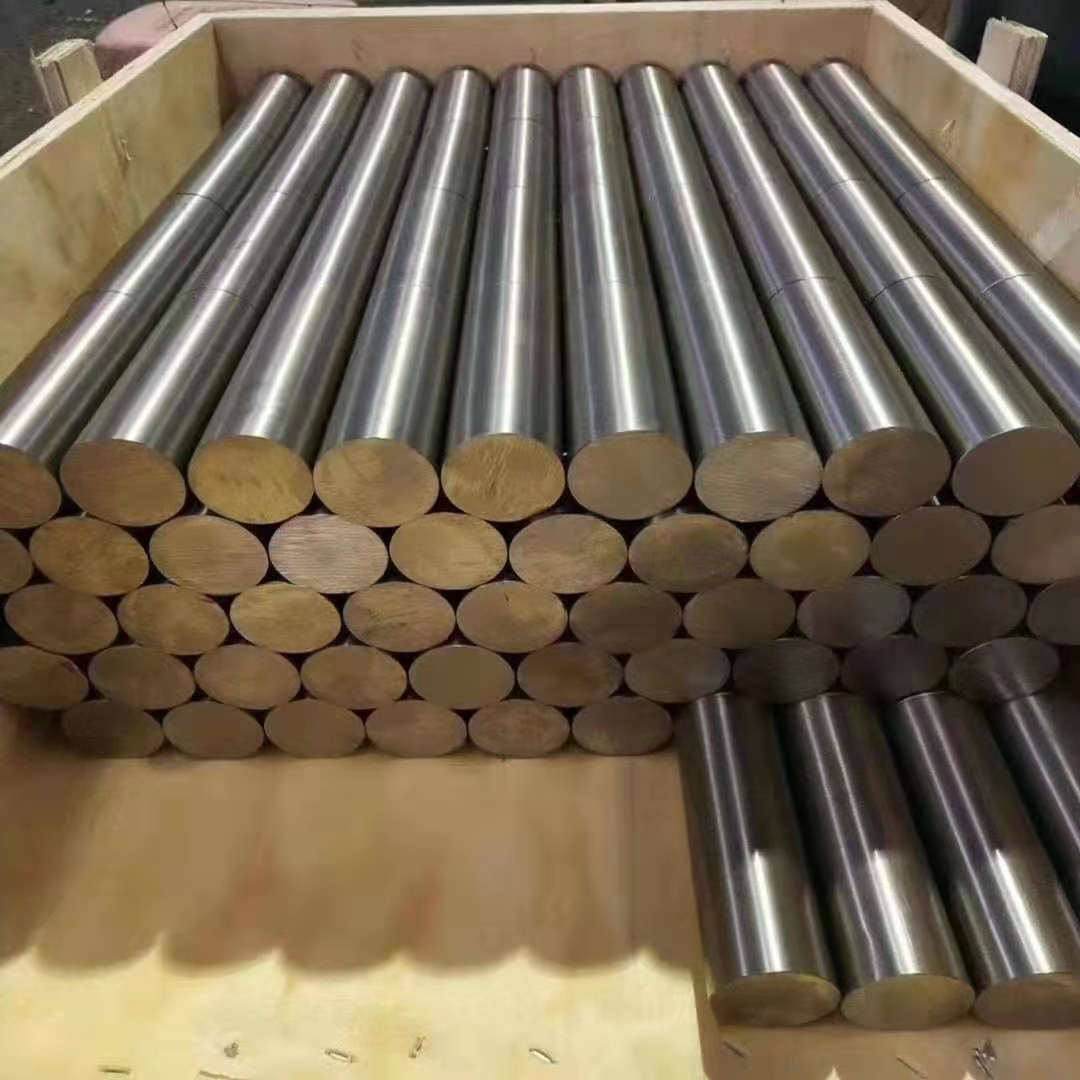
Hastelloy G35 (UNS N06035) Nickel-Chromium-Molybdenum Alloy Rod
- Upgraded Version:Enhanced performance over G-30 with superior corrosion resistance in wet-process phosphoric acid environments
- Triple Protection:High chromium (33%) for oxidation resistance, molybdenum (8%) for reducing media, and ultra-low carbon (≤0.05%) to prevent intergranular corrosion
- Thermal Stability:Maintains mechanical properties up to 1000°C with optimized thermal processing
Chemical Composition (wt%)
Element | Content (%) | Function |
Ni | Balance | Austenite matrix stability |
Cr | ≤33.0 | Oxidation/acid resistance |
Mo | ≤8.0 | Pitting/crevice corrosion resistance |
Fe | ≤2.0 | Cost control |
C | ≤0.05 | Minimize carbide precipitation |
Si | ≤0.60 | Deoxidizer |
Mn | ≤0.50 | Hot workability improvement |
P/S | ≤0.04/0.02 | Purity control |
Hastelloy G35 Alloy Bar Characteristics and Applications
1. Performance Characteristics
1.1 Excellent Corrosion Resistance
The high chromium-molybdenum formula (33% Cr + 8% Mo) forms a dense passive film, resulting in a corrosion rate as low as 0.01 mm/year in 85% hot phosphoric acid. It also exhibits outstanding resistance to wet chlorine and oxidizing chloride environments.
The pitting potential reaches +0.85 V (vs SCE), and the critical temperature for crevice corrosion is 20°C higher than that of G30. It exhibits outstanding stability in chloride ion environments.
1.2 High-Temperature Stability
The melting point is 1332-1361°C. After solution treatment at 1180°C, a uniform austenitic structure is achieved, maintaining mechanical properties and corrosion resistance at high temperatures.
1.3 Process Adaptability
Hot working properties are comparable to those of 625 alloy (excellent ductility at 900-1150°C), and cold working allows for easy forming. It is compatible with TIG and MIG welding processes, requiring no post-weld heat treatment.
2. Core Applications
2.1 Chemical Equipment
Wet-process phosphoric acid concentration evaporators and reactor linings, resistant to corrosion from high-concentration phosphoric acid and oxidizing media.
Strong acid (hydrochloric acid, sulfuric acid) production pipelines, ensuring long-term service safety.
2.2 Environmental Engineering
Flue gas desulfurization unit absorption towers and waste incinerator linings, resisting corrosion from high-temperature sulfides and chloride ions.
2.3 Petrochemicals
Key components of hydrogenation reactors and separators, designed to withstand environments containing sulfur compounds and organic acids.
3. Application Advantages
40% improved corrosion resistance compared to G30 alloy, extending equipment life and reducing maintenance costs.
The high-chromium formula provides protection against both oxidizing and non-oxidizing media, making it the ultimate protective armor for harsh operating conditions.
Surface Treatment
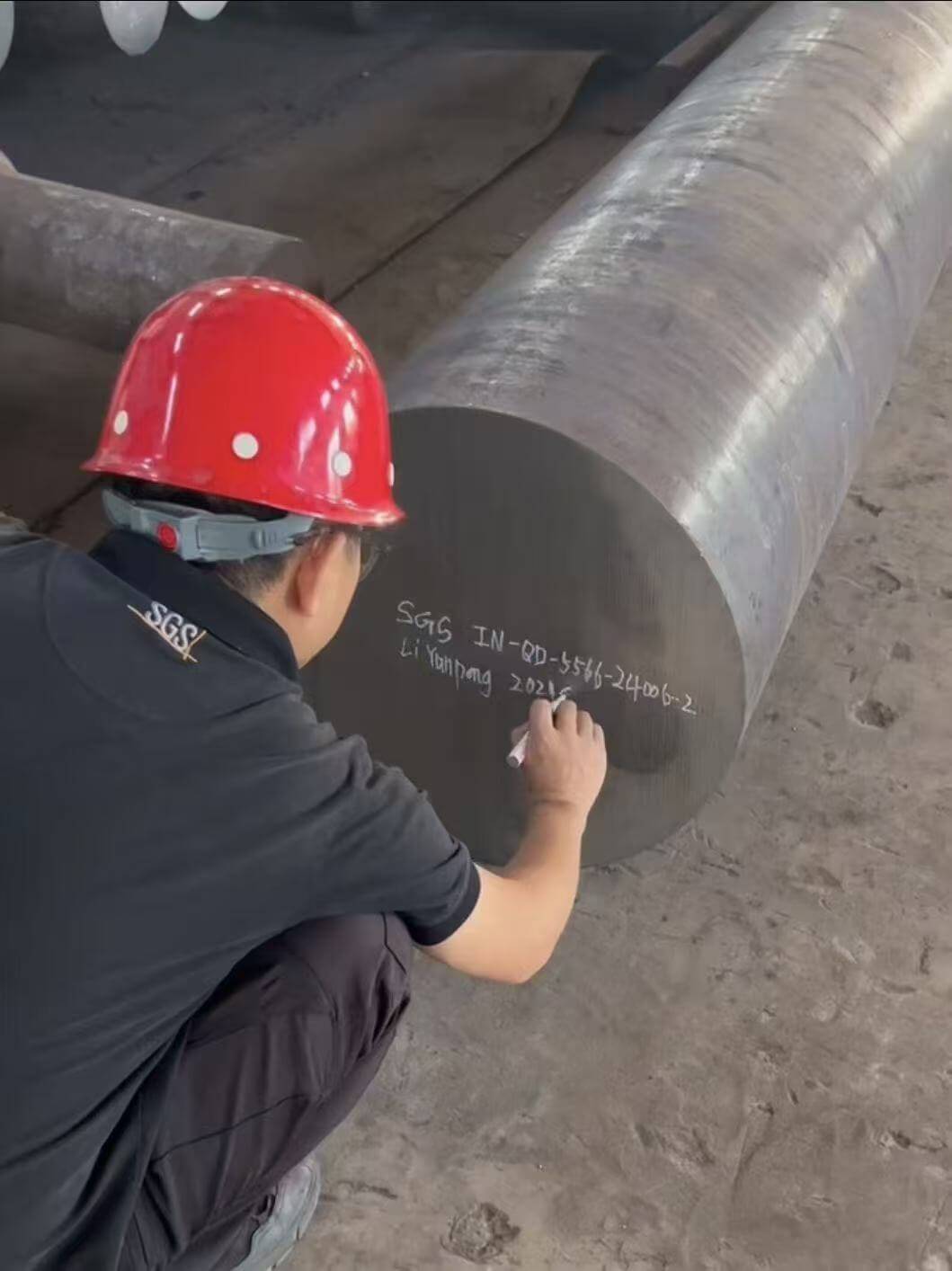
- Dual Certification:VIM+ESR melting ensures ≤0.005% S/O content
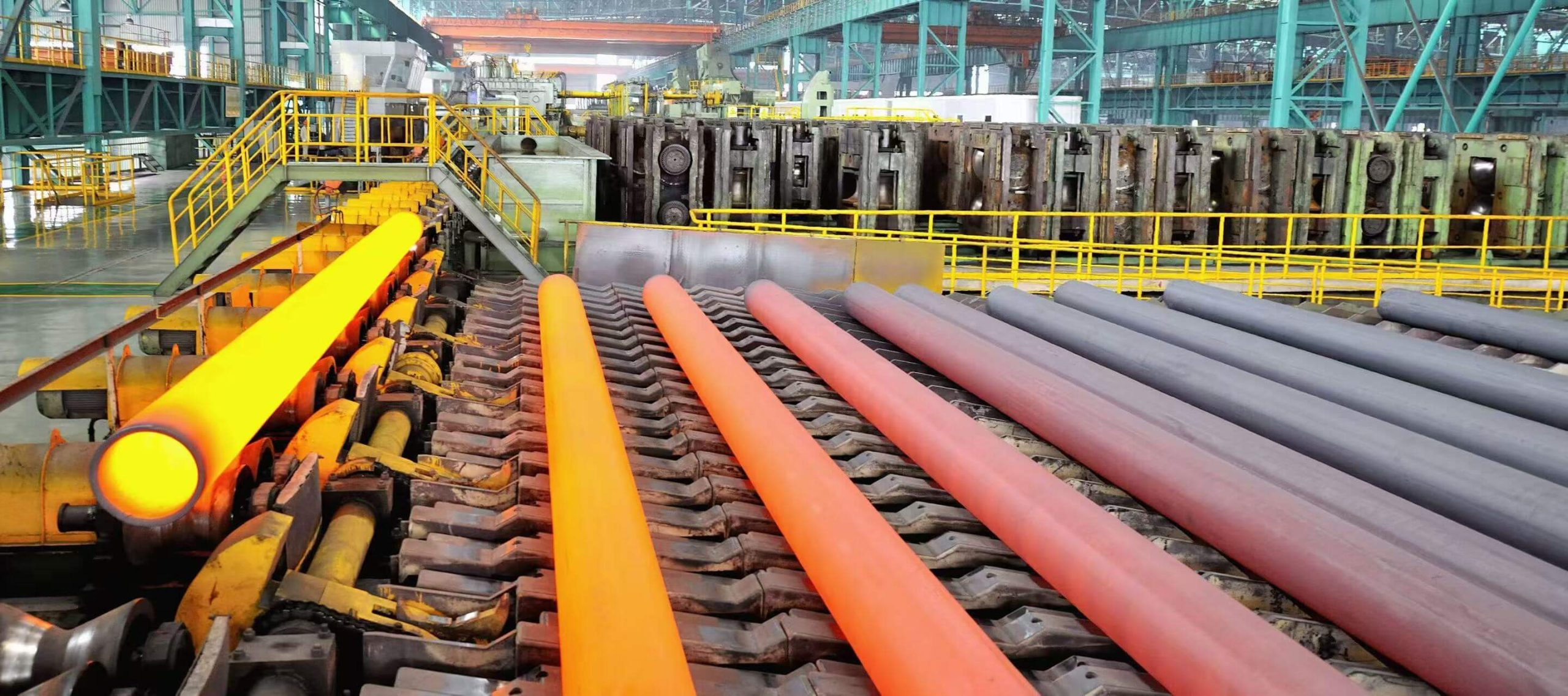
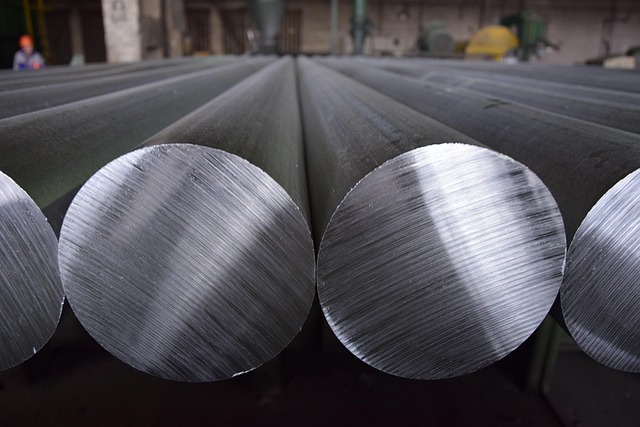
- Precision Processing:Hot-rolled rods (Ø10-300mm) with controlled grain size (ASTM 5-8)
- Traceability:Mill test reports including corrosion test data per ASTM G48
Why Choose Us ?
- Strict QC:Compliance with GB/T 15001-94 & ISO 9001.
- Customization:Tailored dimensions per drawing requirements.
- R&D Support:Collaborative material optimization services.
Applications & Industries
Aerospace:
High-power density actuators.

Electronics:
Precision sensors & MEMS components.
Energy:
Magnetic coupling devices for turbines.
Frequently Asked Questions
Q1: How does G35 compare to C-276 in sulfuric acid?
A: G35 outperforms in >70% concentration due to higher Cr (33% vs. 16%)
Q2: Maximum continuous service temperature?
A: 600°C for mechanical loads; 1000°C for short-term oxidation
Q3: Welding precautions?
A: Use ERNiCrMo-10 filler wire with argon backing gas.
Q4: How does Hastelloy G35 compare to Hastelloy G-30?
A: G35 outperforms G-30 in corrosion resistance, particularly in oxidizing environments, due to higher chromium and molybdenum content.
Q5: What are the mechanical properties of Hastelloy G35?
A: It has a density of 8.72 g/cm³ and maintains high strength and stability at elevated temperatures.
Q6: Is Hastelloy G35 suitable for high-temperature environments?
A: Absolutely, its composition and thermal treatment ensure reliable performance in high-temperature settings.
Ready to source alloy steel from a trusted Chinese manufacturer?
Let us support your project with reliable quality, fast delivery, and expert service.
Get a quote today — we usually respond within 12 hours.