- You are here:
- Home /
- Products /
- Alloy Steel /
- Hastelloy Alloy /
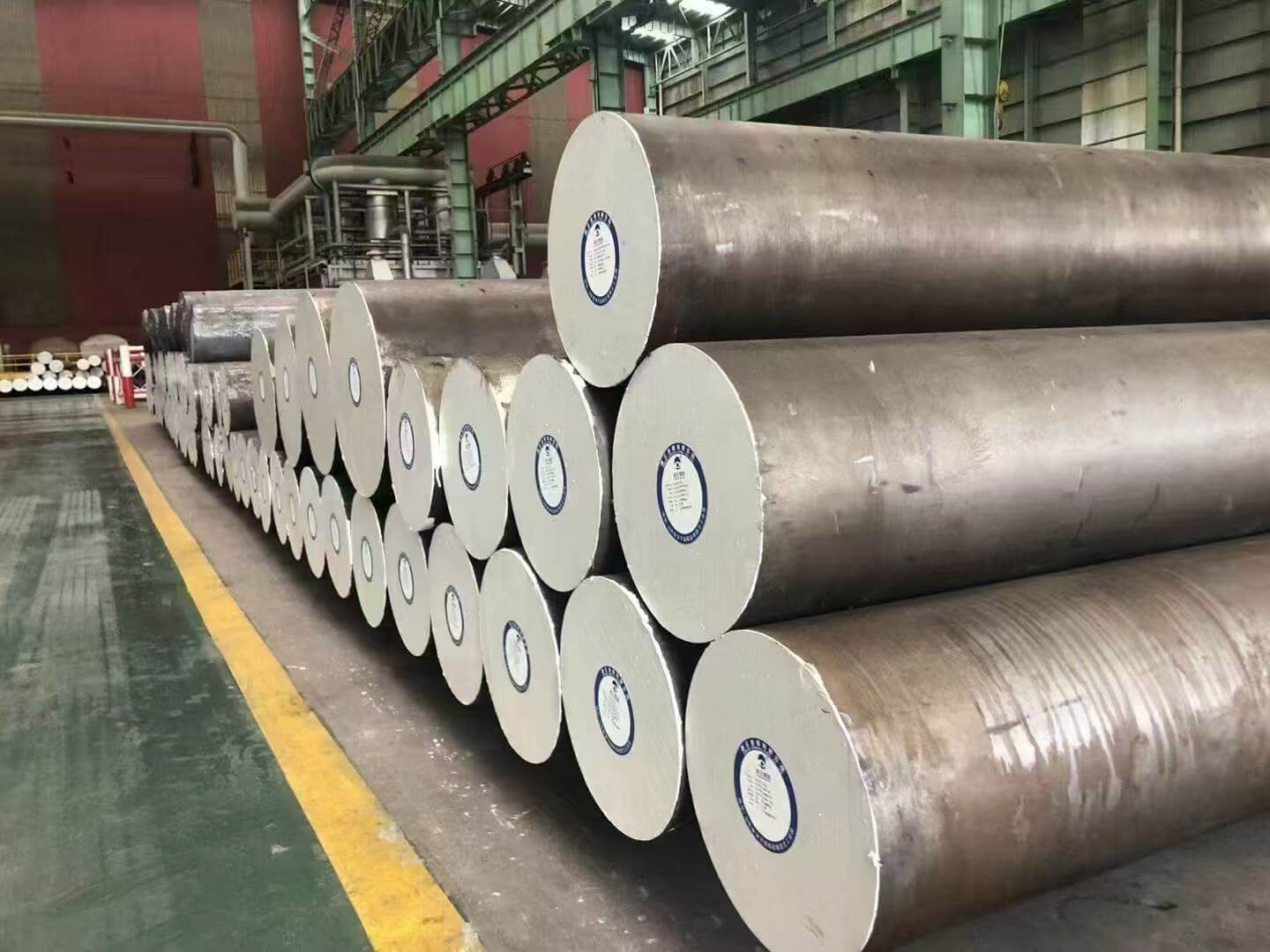
Hastelloy G30 Nickel-Chromium Alloy Rods - Superior Corrosion Resistance for Extreme Environments
Hastelloy G30 (UNS N06030) is a high-performance nickel-chromium alloy engineered for exceptional resistance to oxidizing acids, phosphoric acid, and complex mixed-acid environments. Key features include:
- High chromium content (28-31.5%):Provides superior oxidation resistance and stability in acidic media.
- Optimized Mo/W/Cu balance:Enhances resistance to localized corrosion (pitting, crevice corrosion) in chloride-containing solutions.
- Low carbon design (≤0.03%):Minimizes carbide precipitation, ensuring excellent weldability and intergranular corrosion resistance.
- Thermal stability:Maintains mechanical properties up to 1100°C, ideal for high-temperature chemical processing.
1. Performance Characteristics
1.1 Excellent Corrosion Resistance
Hastelloy G30 alloy exhibits extremely low corrosion rates in environments with strong oxidizing acids (such as nitric acid and hydrofluoric acid mixtures) and phosphoric acid. Its high chromium content (28.5%-31.5%) forms a dense passive film that effectively resists chloride ion attack, while molybdenum (4%-6%) enhances resistance to pitting and crevice corrosion. The alloy remains stable in mixed media containing fluoride and chloride ions, making it suitable for harsh environments such as the chemical and petroleum industries.
1.2 Excellent High-Temperature Stability
The alloy maintains stable mechanical properties at high temperatures (up to 1100°C), has a low coefficient of thermal expansion, and moderate thermal conductivity (10.2-16.7 W/m·K), making it suitable for high-temperature heat exchange equipment. With a melting point range of 1350-1370°C, it is not susceptible to deformation or failure during long-term service in high-temperature acid environments.
1.3 Excellent Processing and Welding Properties
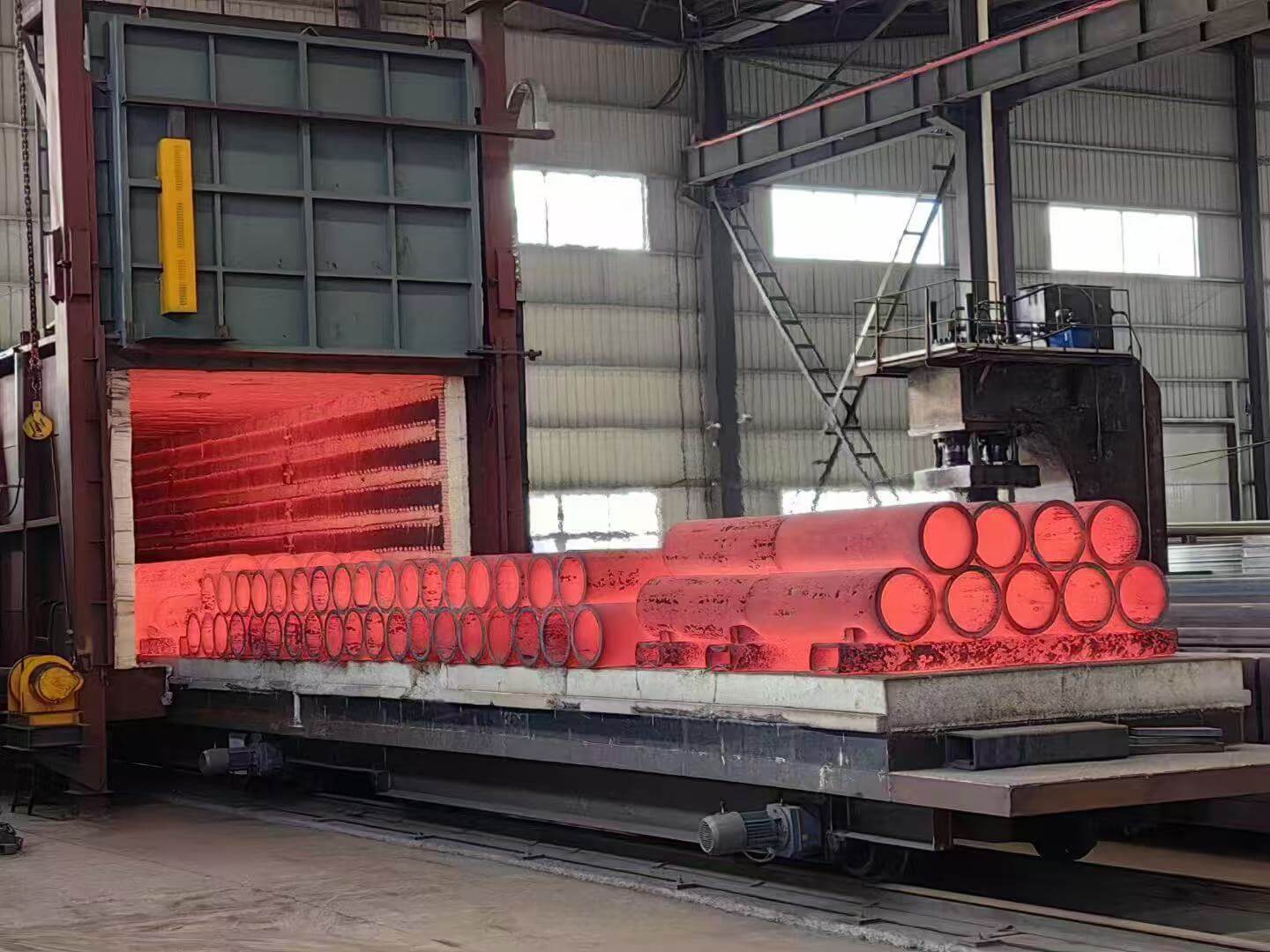
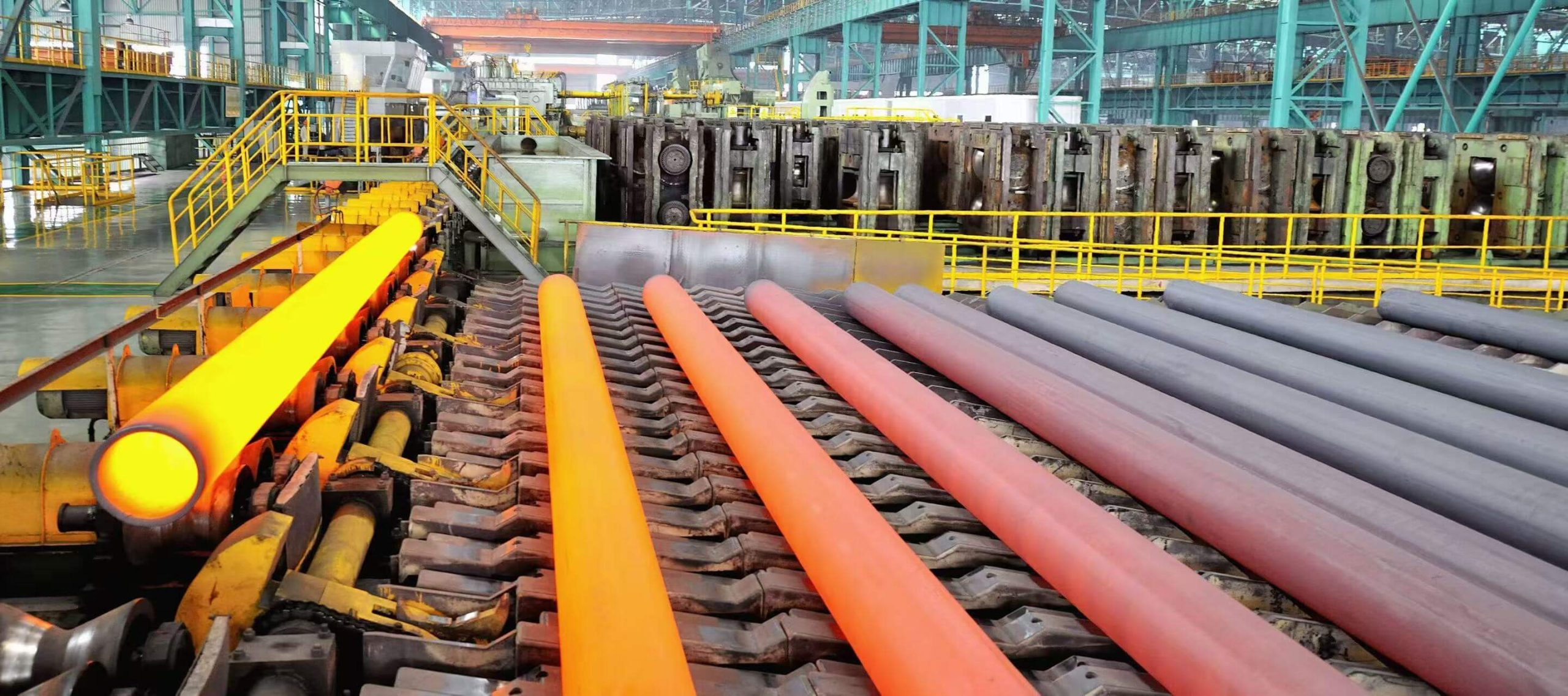
Hastelloy G30 can be formed through processes such as cold working, hot rolling, and forging. It requires no subsequent heat treatment during welding and is compatible with gas shielded welding and arc welding. The heat-affected zone (HAZ) exhibits no grain boundary precipitation, minimizing corrosion sensitivity.
2. Main Applications
2.1 Chemical Equipment
Used in the manufacture of components such as reactors, heat exchangers, pumps, and valves, it withstands highly corrosive media such as phosphoric acid and sulfuric acid. Its corrosion rate is significantly lower than that of similar alloys in wet-process phosphoric acid (30%-80% concentration) environments.
2.2 Oil and Gas Industry
Used in pipelines and vessels in refineries and petrochemical plants, it resists corrosion from chlorine- and sulfur-containing media, ensuring equipment integrity under high-temperature and high-pressure conditions.
2.3 Marine Engineering and New Energy
Used in desalination equipment and offshore platform structures to resist seawater corrosion. In new energy applications, such as in lithium iron phosphate battery production equipment, it ensures durability in high-purity acid environments.
Chemical Composition (wt%)
Element | Content (%) | Role |
Ni (Nickel) | ≥43 (Base) | Provides matrix stability and general corrosion resistance. |
Cr (Chromium) | 28.0–31.5 | Enhances oxidation resistance and passive film formation. |
Fe (Iron) | 13.0–17.0 | Cost-effective balancing element. |
Mo (Molybdenum) | 4.0–6.0 | Improves pitting/crevice corrosion resistance. |
W (Tungsten) | 1.5–4.0 | Synergizes with Mo for acid resistance. |
Cu (Copper) | 1.0–2.4 | Critical for sulfuric/phosphoric acid environments. |
C (Carbon) | ≤0.03 | Reduces intergranular corrosion risk. |
Mn (Manganese) | ≤1.5 | Aids hot workability. |
Si (Silicon) | ≤0.8 | Deoxidizer during melting. |
P (Phosphorus) | ≤0.04 | Controlled for purity. |
S (Sulfur) | ≤0.02 | Minimized to avoid hot cracking. |
Surface Treatment
- Hot-finished rods:Scale removed via pickling or abrasive blasting.
- Cold-finished rods: Bright annealed or polished to Ra ≤0.8 μm for precision applications.
- Optional coatings:Passivation (HNO₃) for enhanced oxide layer.
Why Choose Us ?
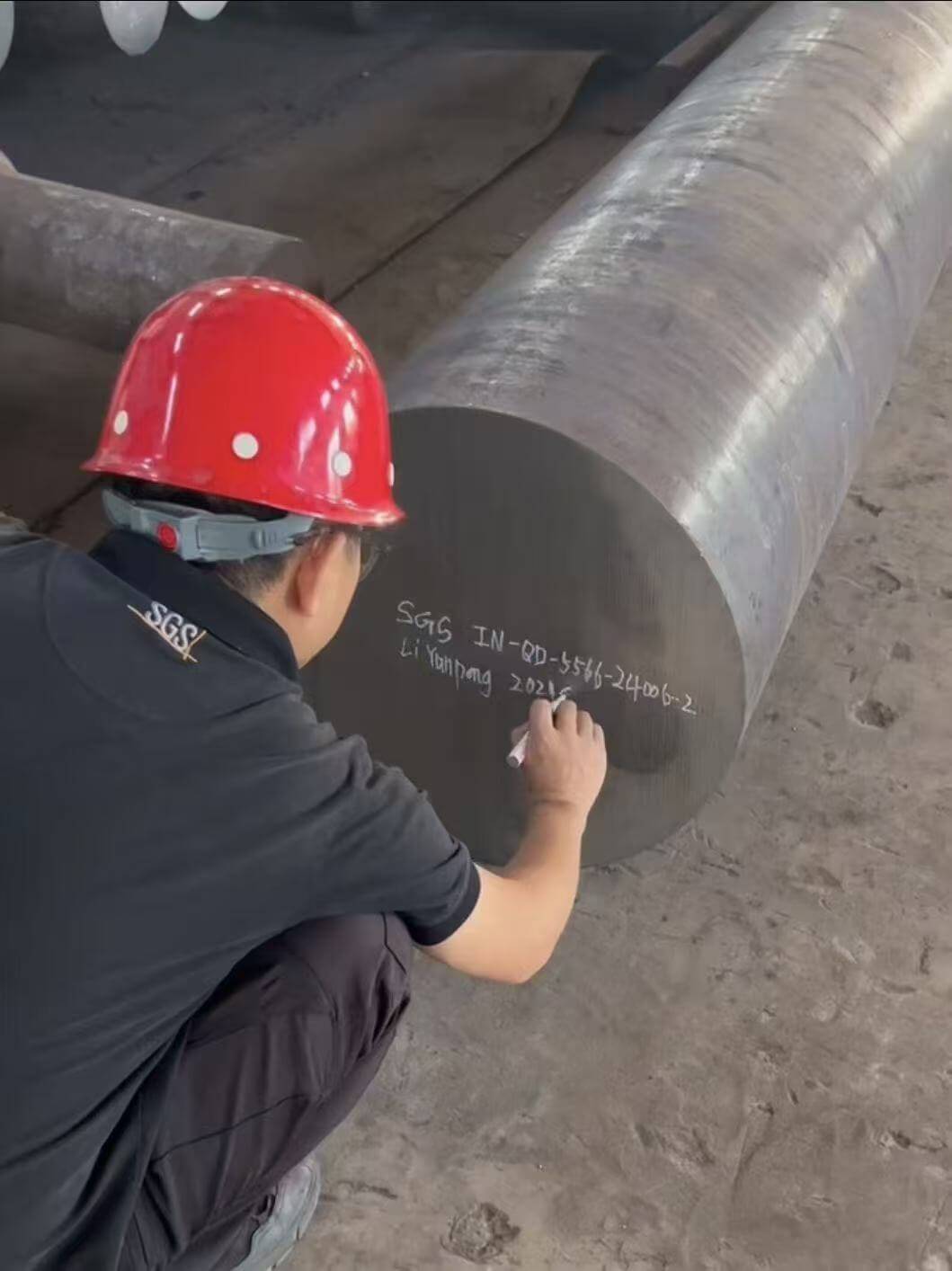
- Certified quality:ASTM B581 compliant with full traceability (MTC, EN 10204 3.1).
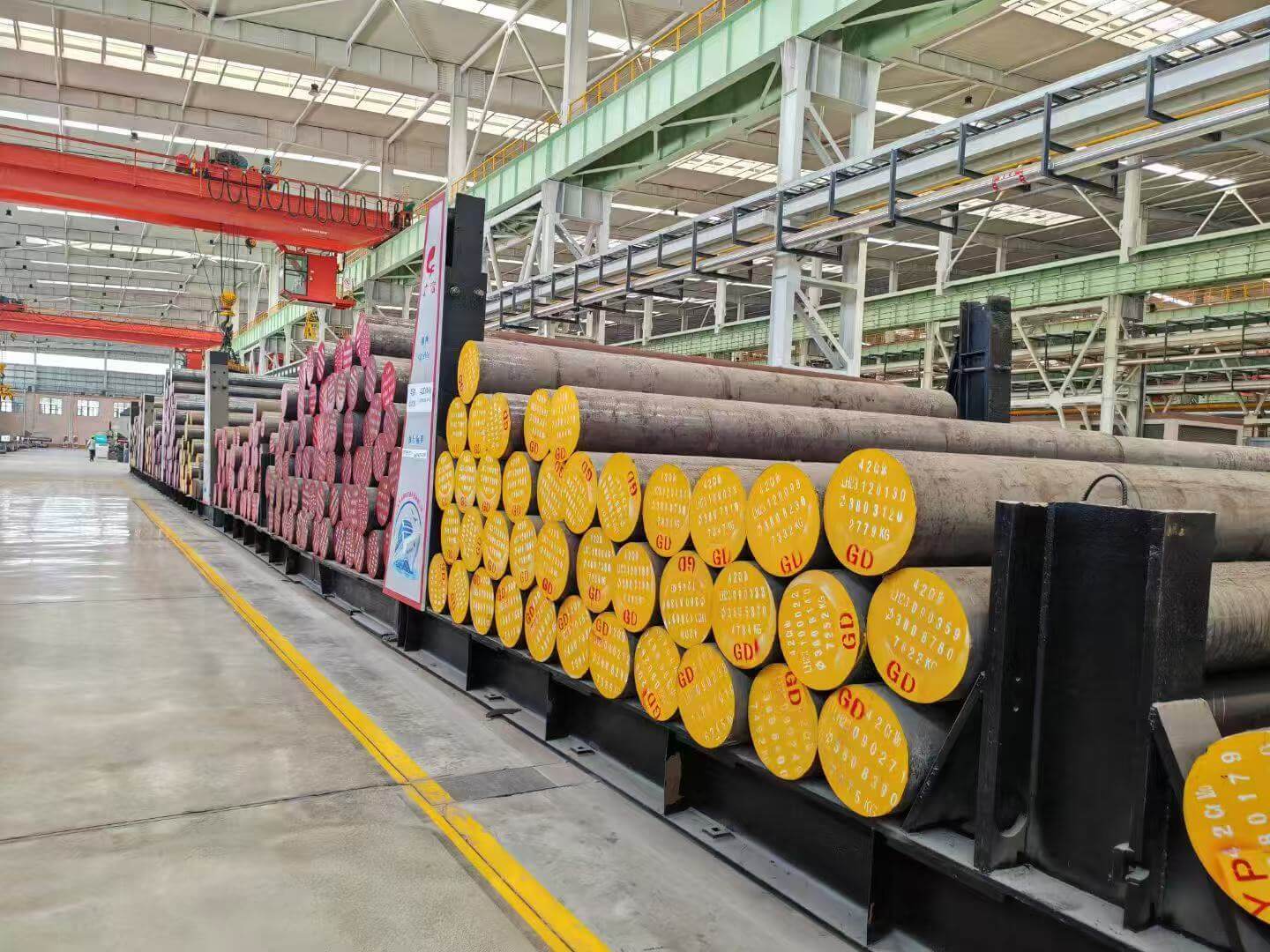
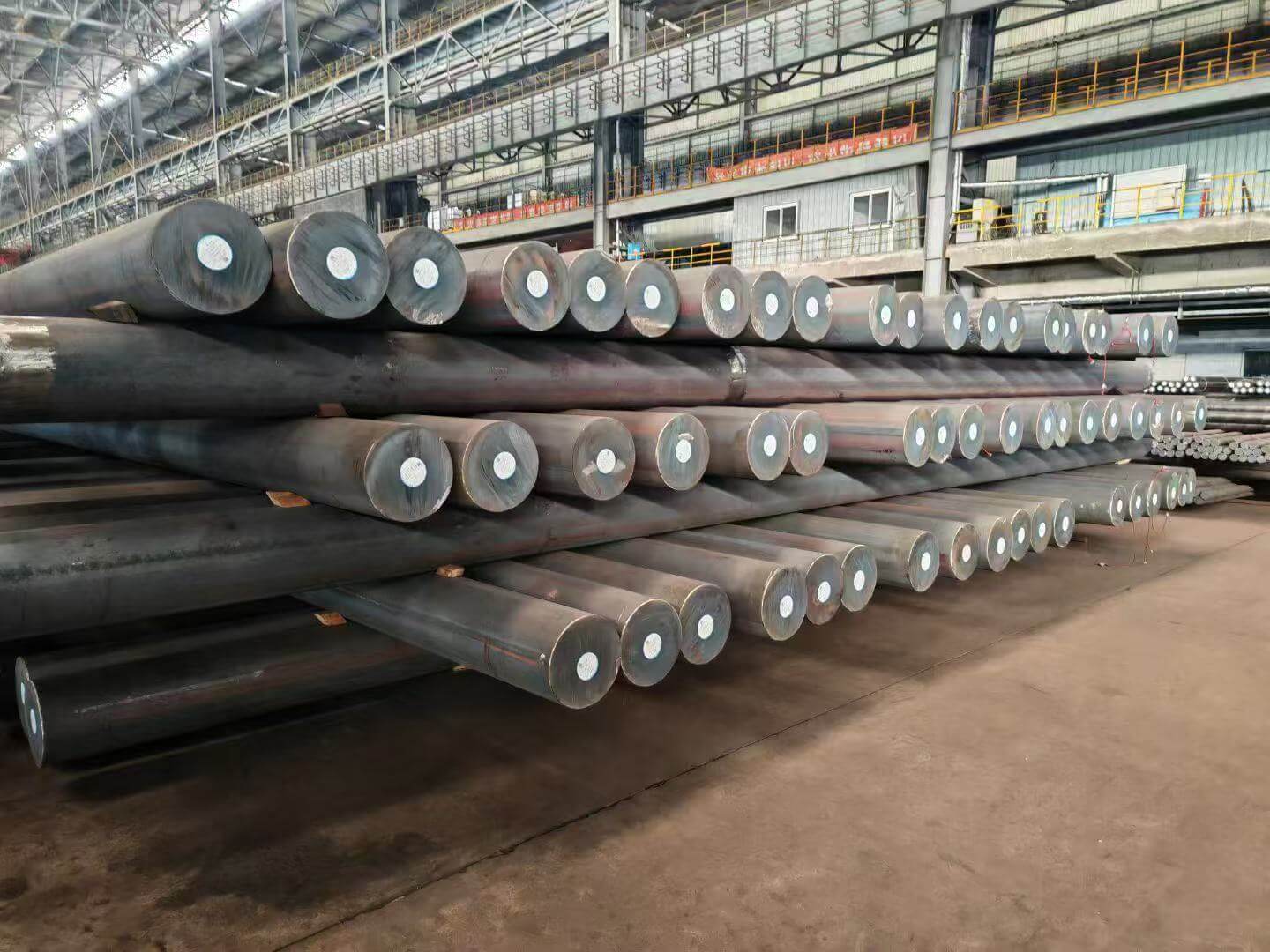
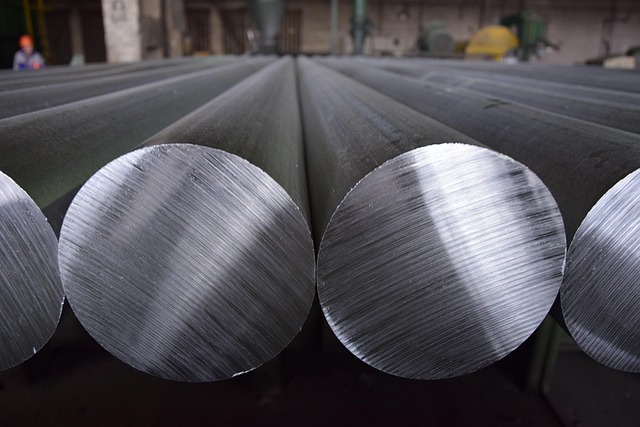
- Custom solutions:Diameters 5–300 mm, lengths up to 6,000 mm.
- In-house testing:Corrosion validation per ASTM G48/G28.
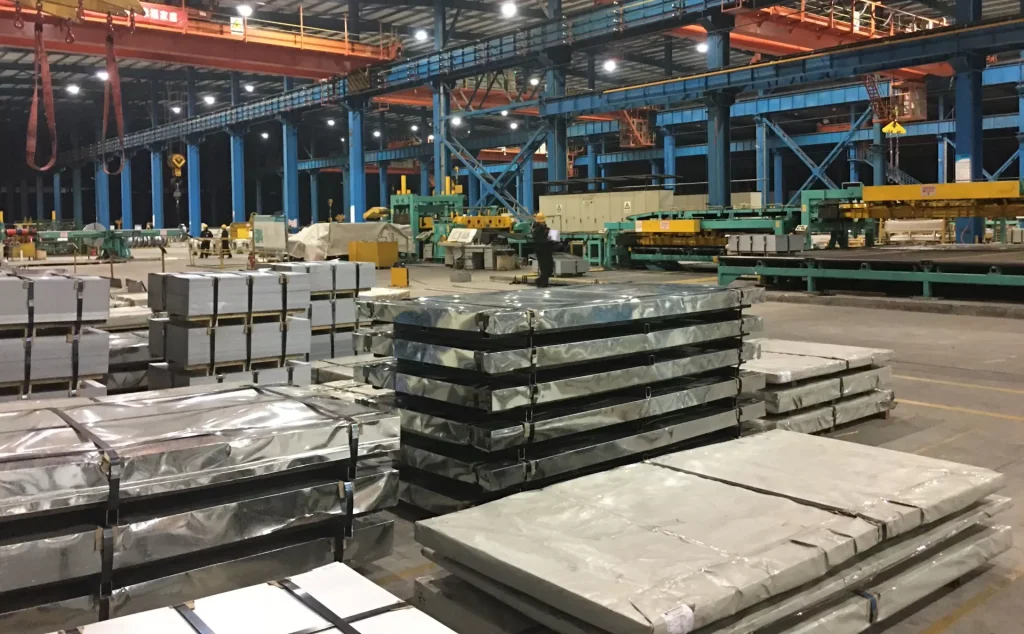
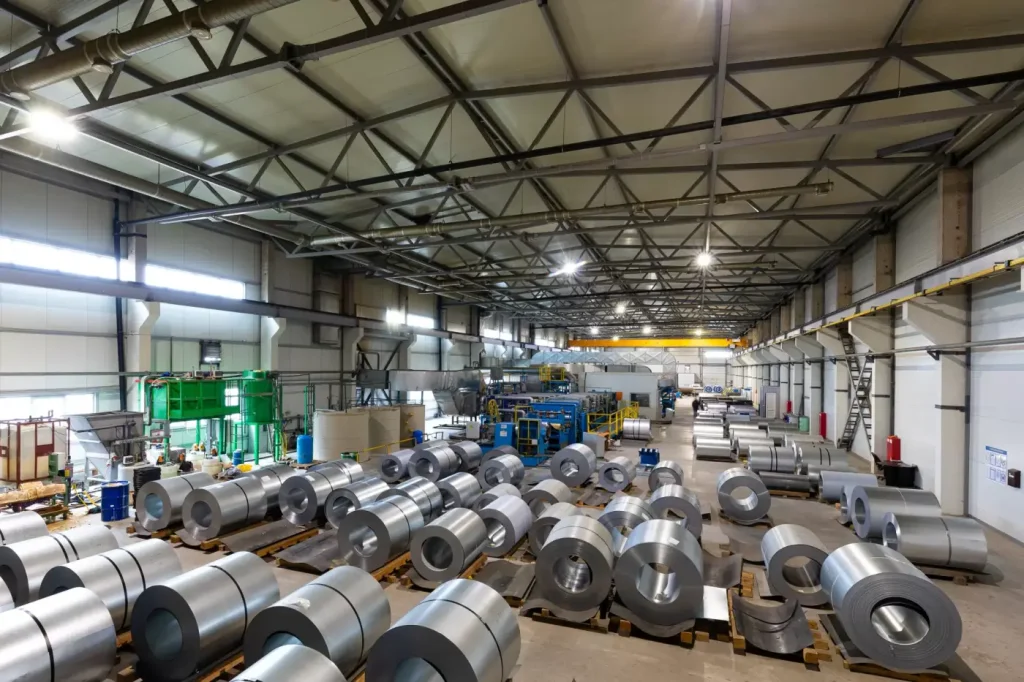
- Global logistics:Secure packaging (wooden crates + waterproof film) with door-to-door delivery.
Applications & Industries
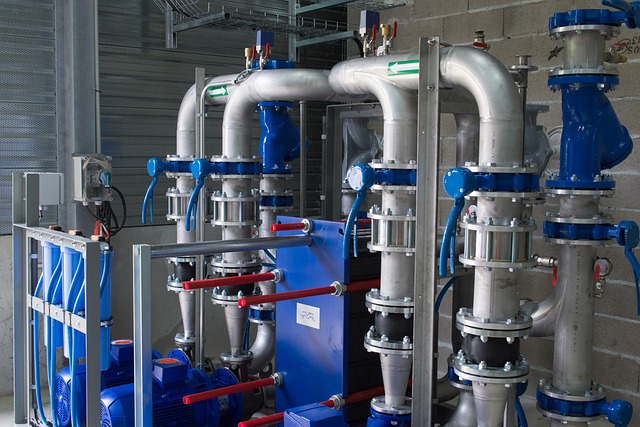
Chemical Processing:
Wet-process H₃PO₄, HNO₃/HF mixtures.
Nuclear:
Radioactive nitric acid solutions.
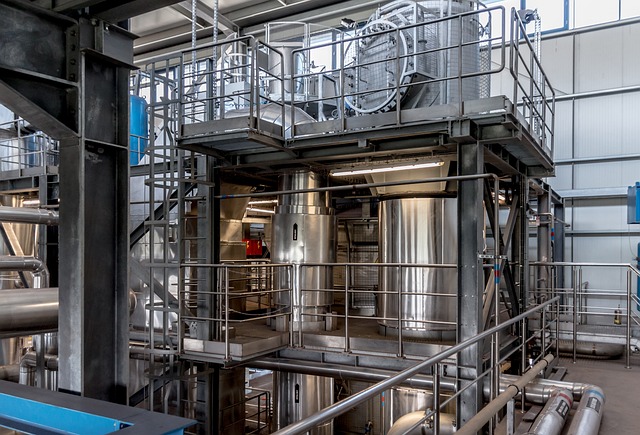
Oil & Gas:
Sour gas (H₂S/CO₂), acidic brines.
Frequently Asked Questions
Q1: How does G30 compare to C276 in sulfuric acid?
A: G30 outperforms C276 in >70°C H₂SO₄ due to its Cu content (1–2.4%), reducing corrosion rates by 3–5×.
Q2: Is post-weld heat treatment required?
A: No. G30’s low carbon and Nb/Ta additions prevent sensitization in weld HAZs.
Q3: What’s the maximum continuous service temperature?
A: 1100°C in oxidizing atmospheres; limit to 400°C in reducing conditions.
Q4: Can G30 be machined with standard tools?
A: Yes, but use carbide tooling with high-pressure coolant to mitigate work hardening.
Ready to source alloy steel from a trusted Chinese manufacturer?
Let us support your project with reliable quality, fast delivery, and expert service.
Get a quote today — we usually respond within 12 hours.