- You are here:
- Home /
- Products /
- Alloy Steel /
- Hastelloy Alloy /
- Hastelloy C276 - Nickel-Chromium-Molybdenum Superalloy Plate
Hastelloy C276 - Nickel-Chromium-Molybdenum Superalloy Plate
Hastelloy C276 is a nickel-based superalloy renowned for its exceptional corrosion resistance in both oxidizing and reducing environments. Key features include:
- Outstanding corrosion resistance:Performs well in acidic, chloride-rich, and high-temperature environments
- Excellent weldability:Low carbon content minimizes carbide precipitation during welding
- High-temperature stability:Maintains mechanical strength up to 1,090°C (2,000°F)
- Versatility:Suitable for extreme industrial applications, including chemical processing and aerospace
Chemical Composition (wt%)
Element | Content (%) | Role |
Ni | 57 (min) | Base element, ensures corrosion resistance and ductility |
Cr | 14.5–16.5 | Enhances oxidation resistance |
Mo | 15–17 | Resists pitting/crevice corrosion |
Fe | 4–7 | Balances mechanical properties |
W | 3–4.5 | Improves high-temperature strength |
C | ≤0.01 | Prevents intergranular corrosion |
Mn | ≤1.0 | Controls brittleness |
Si | ≤0.08 | Reduces hot cracking |
P, S | ≤0.025 each | Minimizes impurity effects |
Hastelloy C276 Plate: Performance Characteristics and Applications
1. Performance Characteristics
1.1 Excellent Corrosion Resistance
Hastelloy C276 plate exhibits exceptional corrosion resistance in both oxidizing and reducing environments, particularly against wet chlorine, chloride solutions, sulfuric acid, and acidic salt media. Its high molybdenum (15%-17%) and chromium (14.5%-16.5%) content effectively inhibits pitting and crevice corrosion, making it suitable for environments with high chloride concentrations.
1.2 High-Temperature Stability
This alloy maintains its mechanical properties at high temperatures, with operating temperatures exceeding 1000°C. The addition of tungsten enhances its high-temperature strength and oxidation resistance, making it stable in high-temperature equipment such as heat exchangers and reactors.
1.3 Excellent Mechanical Properties
With a tensile strength of 690-895 MPa and an elongation exceeding 40%, it combines high strength with good ductility. Its face-centered cubic crystal structure makes it nearly non-magnetic, making it suitable for manufacturing precision components.
1.4 Machining and Welding Characteristics
Although machining is challenging, cutting and welding can be achieved through specialized processes. Heat input must be controlled during welding to avoid sensitization; TIG or MIG processes are recommended.
2. Main Applications
2.1 Chemical and Petrochemical Industries
Used in the manufacture of equipment such as reactors, storage tanks, and heat exchangers, offering corrosion resistance to strong acids, alkalis, and chloride solutions, extending equipment life.
2.2 Flue Gas Desulfurization Systems
In wet flue gas desulfurization units, it resists corrosive gases such as sulfur dioxide and hydrogen chloride, ensuring long-term operation of environmentally friendly equipment.
2.3 Marine and Energy Engineering
Suitable for seawater desalination equipment and offshore oil platform pipelines, offering resistance to seawater corrosion and high-pressure environments, reducing maintenance costs.
2.4 Aerospace and Nuclear Energy
Used in the manufacture of engine components, gas turbine blades, and nuclear reactor components, meeting the requirements of high-temperature, high-stress, and radiation environments.
2.5 Pharmaceutical and Papermaking Industries
It resists organic solvent corrosion in pharmaceutical equipment and is used for bleaching containers in the papermaking industry, ensuring production safety and efficiency.
Hastelloy C276 sheet, due to its comprehensive properties, is an ideal material for use in extremely corrosive environments and is widely used in various industrial fields.
Surface Treatment
- Mill finish:Hot/cold-rolled surfaces with oxide layers.
- Polished:Mirror-like finish for hygienic applications (e.g., pharmaceuticals)
- Pickling:Acid-cleaned to remove oxides, improving corrosion resistance
Why Choose Us ?
- Certified quality:ASTM B575, ASME SB575, and EN 2.4819 compliance
- Custom fabrication:Precision cutting, welding, and forming services
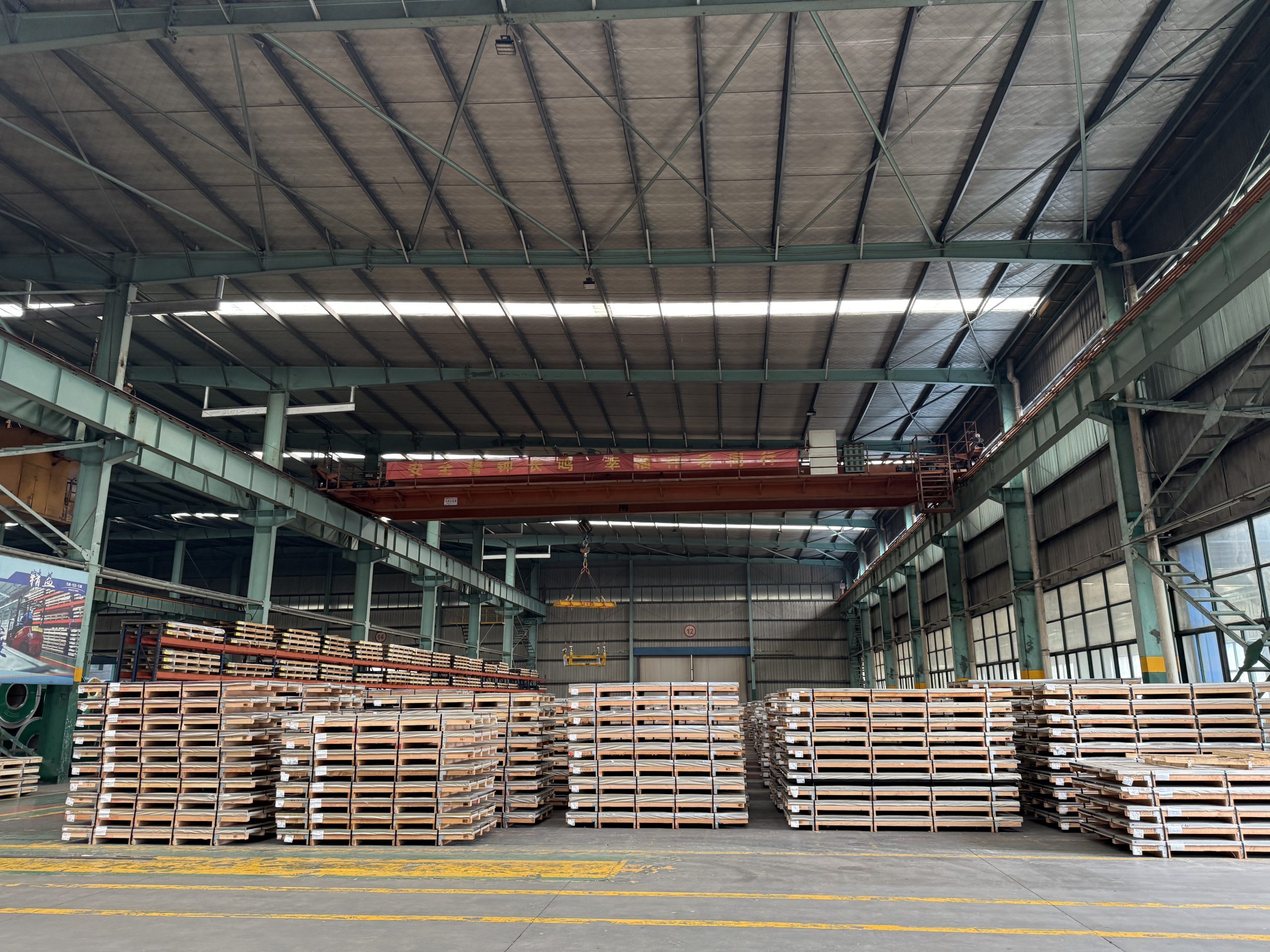
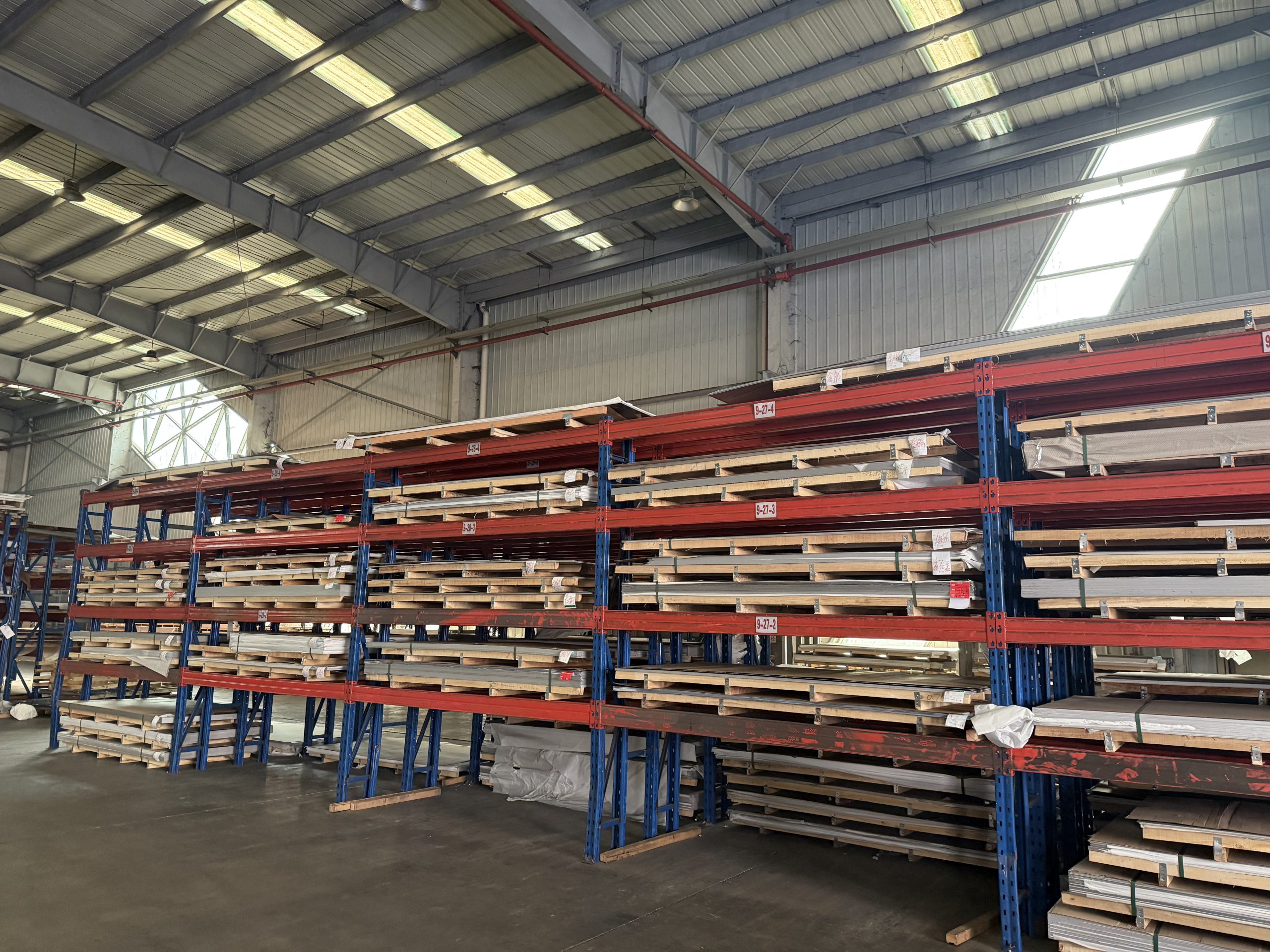
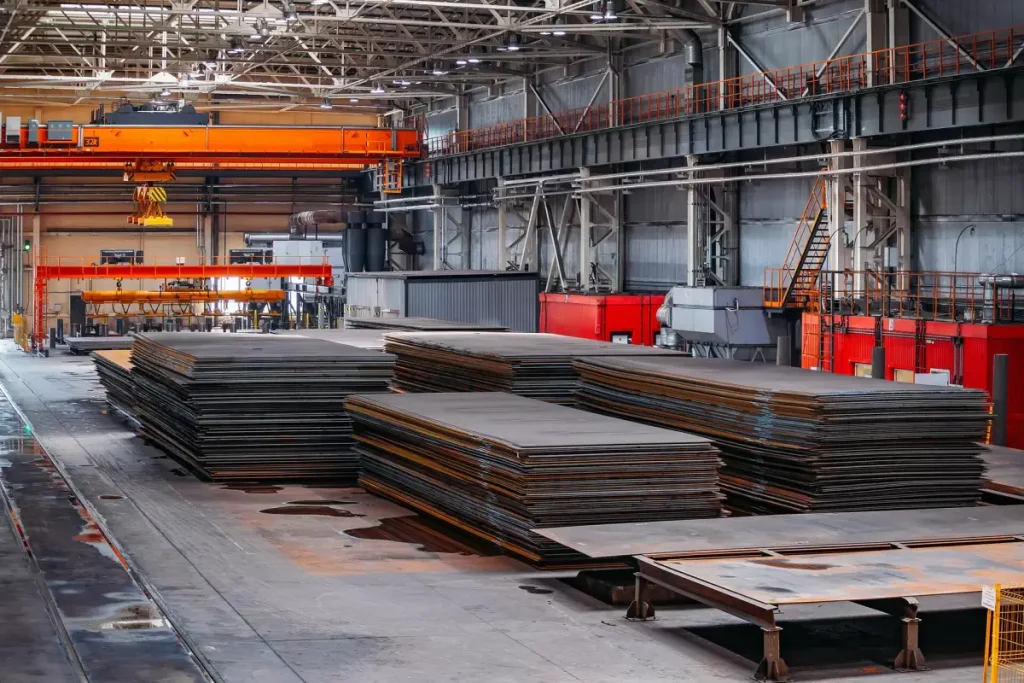
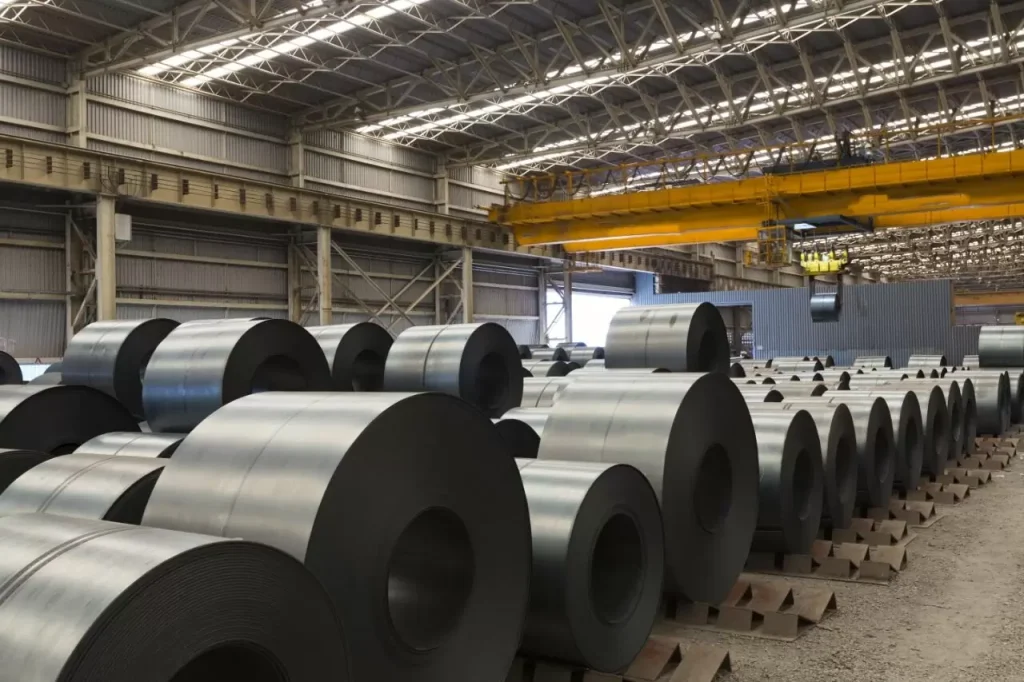
- Global supply:Stocked plates in thicknesses 1.6–16mm (US/Germany sources)
Applications & Industries
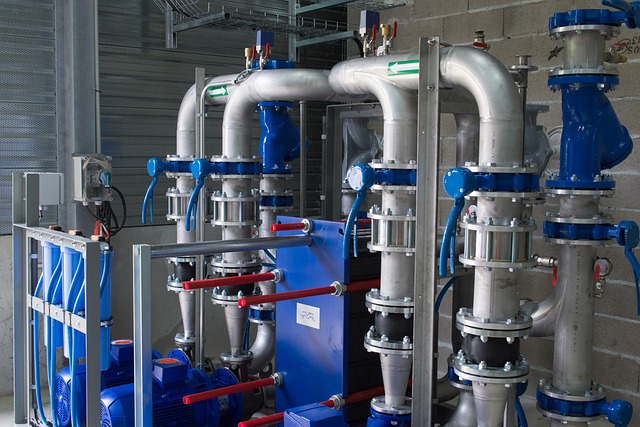
Chemical:
Reactors, heat exchangers.
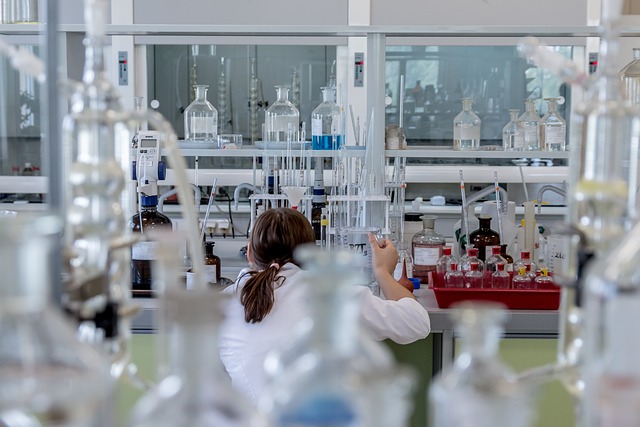
Pharmaceutical:
Sterile processing equipment.
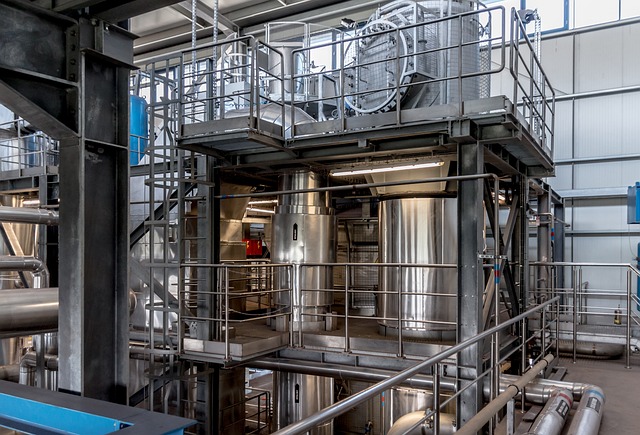
Oil & Gas:
Pipelines for sour crude.
Frequently Asked Questions
Q1: What are the primary applications of Hastelloy C276 plate?
A1: It is widely used in chemical processing, oil and gas, pharmaceutical equipment, marine engineering, and aerospace components due to its resistance to harsh corrosive environments.
Q2: How should Hastelloy C276 be welded to ensure quality?
A2: Use low heat input, high-purity shielding gas (≥99.99% argon), and clean surfaces thoroughly to prevent porosity and cracking.
Q3: What precautions are necessary during fabrication?
A3: Avoid contact with carbon steel to prevent contamination; post-weld heat treatment (300–400°C) may be required to minimize residual stresses.
Q4: Does Hastelloy C276 perform well in high-temperature environments?
A4: Yes, it maintains mechanical strength and oxidation resistance at elevated temperatures, though prolonged exposure near 600–1200°C may induce sensitization.
Ready to source alloy steel from a trusted Chinese manufacturer?
Let us support your project with reliable quality, fast delivery, and expert service.
Get a quote today — we usually respond within 12 hours.